Proactive Commercial Electrical Asset Management
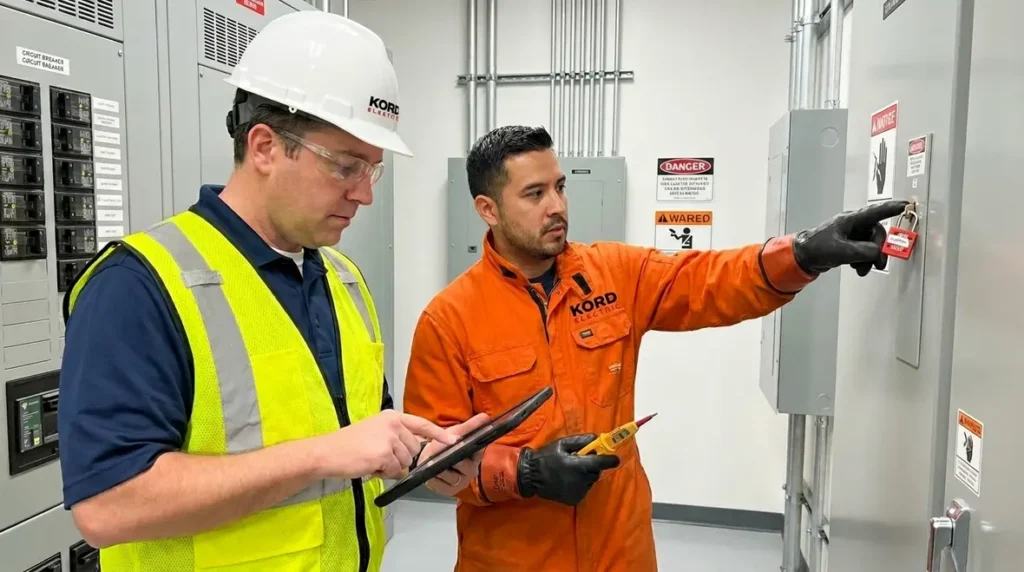
At Kord Electric, we focus on proactive commercial electrical asset management for commercial, industrial, and major property buildings. Instead of waiting for a failure and then paying the emergency “we are here now” price, we plan ahead, test on schedule, and repair before problems spread. Our expert service staff walks through results in plain language, so building owners and facility managers understand what we found and what comes next. And yes, we also explain why a small issue today can become a big outage later. Think of it like getting a haircut before your hair becomes a helmet. Less drama, more control.
Proactive commercial electrical asset management that keeps buildings running
Proactive commercial electrical asset management is about treating your electrical system like a critical business asset, not a background utility that only gets attention when something trips. At Kord Electric, we build programs that keep buildings running, budgets predictable, and surprises to a minimum. That means regular inspection, testing, and documentation combined with straight talk about what matters now and what can be scheduled later. You stay ahead of risk instead of chasing it after hours with every light in the building off and everyone suddenly very interested in “how the power works.”
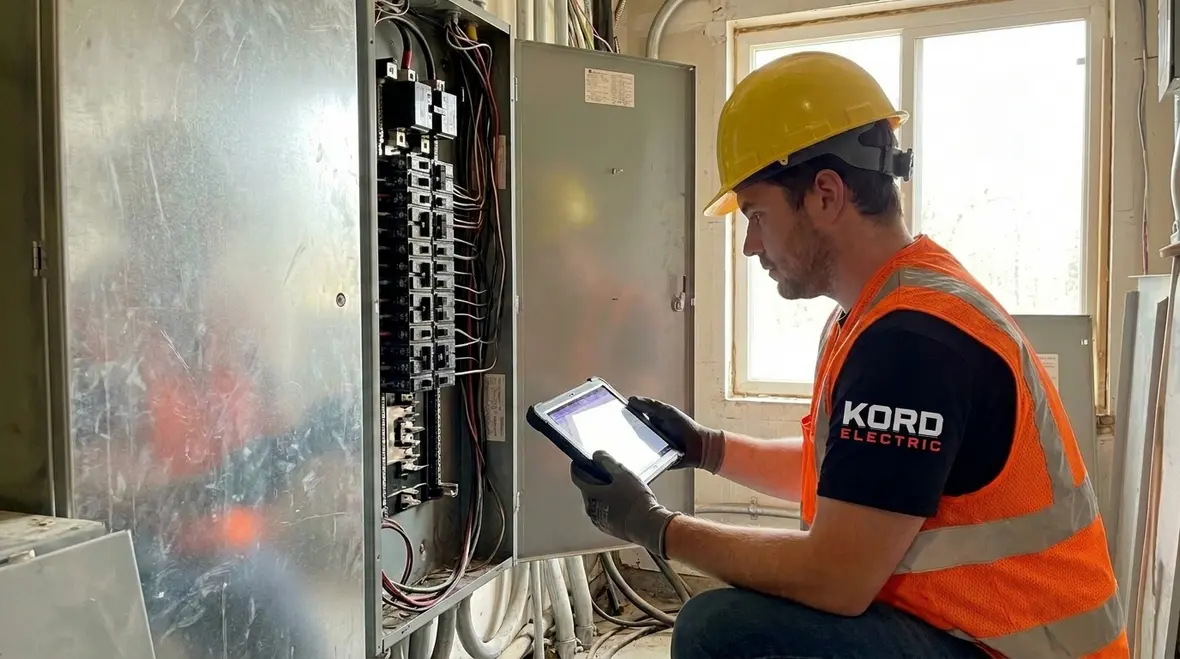
With proactive planning, commercial electrical asset management becomes part of how the building operates every month, not just something people think about once a year or after the last outage. We coordinate with facility teams, align work with realistic downtime windows, and structure maintenance so it feels like a steady rhythm rather than a string of emergencies.
For readers who want to go deeper into how large facilities are wired and managed, Kord Electric also breaks down how commercial electrical systems support modern buildings, from power distribution to smart infrastructure and code compliance. Learn more about commercial electrical systems for modern buildings and how they tie into long term reliability programs.
Why electrical assets fail early in modern buildings
In commercial and industrial environments, electrical systems work hard. They feed lighting, HVAC, elevators, controls, production equipment, data rooms, and the growing list of “plug-in everything” demands. Over time, heat, vibration, moisture, dust, and electrical stress quietly reduce performance. Then, when load spikes happen or equipment ages faster than expected, failures show up like they were invited.
Also, many systems in newer buildings still face old realities. Even if the building looks modern, the assets behind the walls still age. Components such as switchgear, transformers, panels, busways, and protective devices experience wear from normal duty cycles. Furthermore, minor defects can hide inside enclosures where nobody looks unless something trips. Finally, when contractors do not coordinate maintenance across the entire electrical chain, repairs become patchwork, not progress.
From our experience, proactive management changes the story. We help others move from reactive service to planned lifecycle work, so the system stays reliable and easier to budget. The building gets fewer surprise outages, and facility teams get fewer “all hands” emails when a breaker decides to make a point in the middle of a workday.
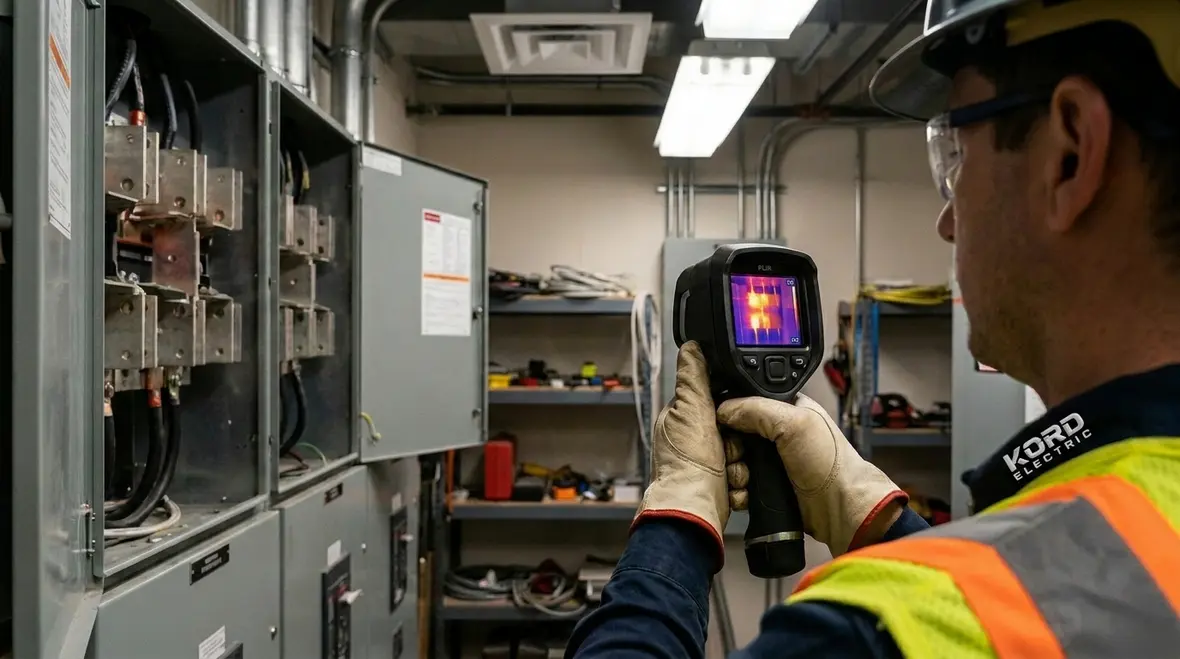
Early failures often trace back to conditions that looked harmless at first glance: a slightly warm connection, a little dust inside a panel, a breaker that “nuisance trips” once in a while. Proactive commercial electrical asset management treats those signals as data, not background noise, and uses them to shape a maintenance strategy that keeps equipment healthy instead of just functional.
What we inspect to extend lifespan, not just to find problems
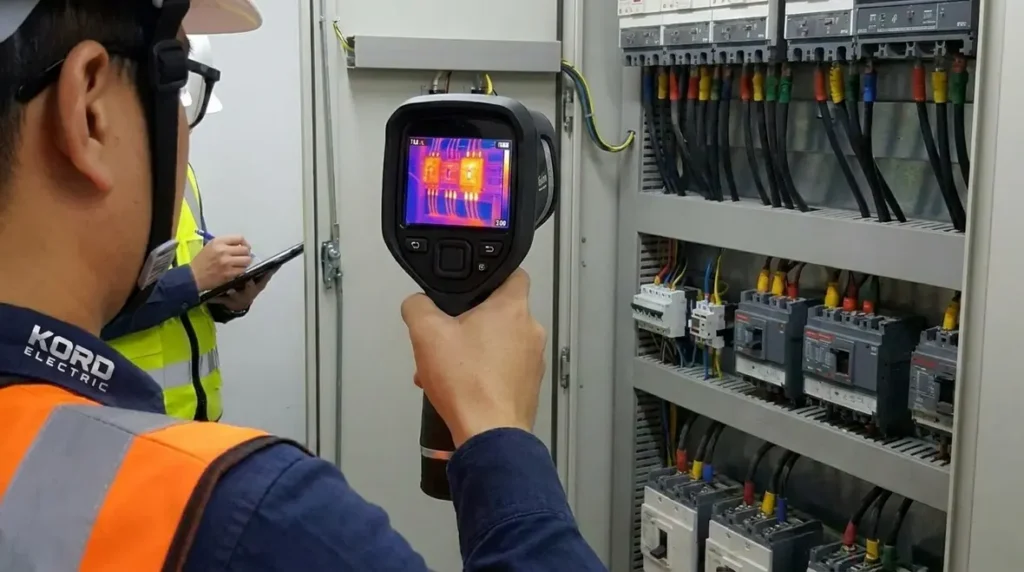
Our technicians build their work around the whole electrical “ecosystem,” not a single panel or a lone circuit. We review the system in layers so we can spot the causes, not only the symptoms. Based on the site conditions and the building’s electrical design, we typically evaluate:
- Switchgear and distribution gear for wear, heat patterns, and breaker performance
- Transformers for signs of overheating, insulation stress, and abnormal loading
- Panels and bus systems for loose terminations, corrosion, and imbalance
- Protective devices for correct operation and coordination
- Grounding and bonding for continuity and safety integrity
Then, we validate findings with service-grade testing and visual checks. In other words, we do not guess. We measure, document, and compare results against thresholds and trends. If a connection runs hot once, that tells us something. If it runs hot again next quarter, that tells us more. As our expert service staff explains, trends often reveal what a single reading cannot.
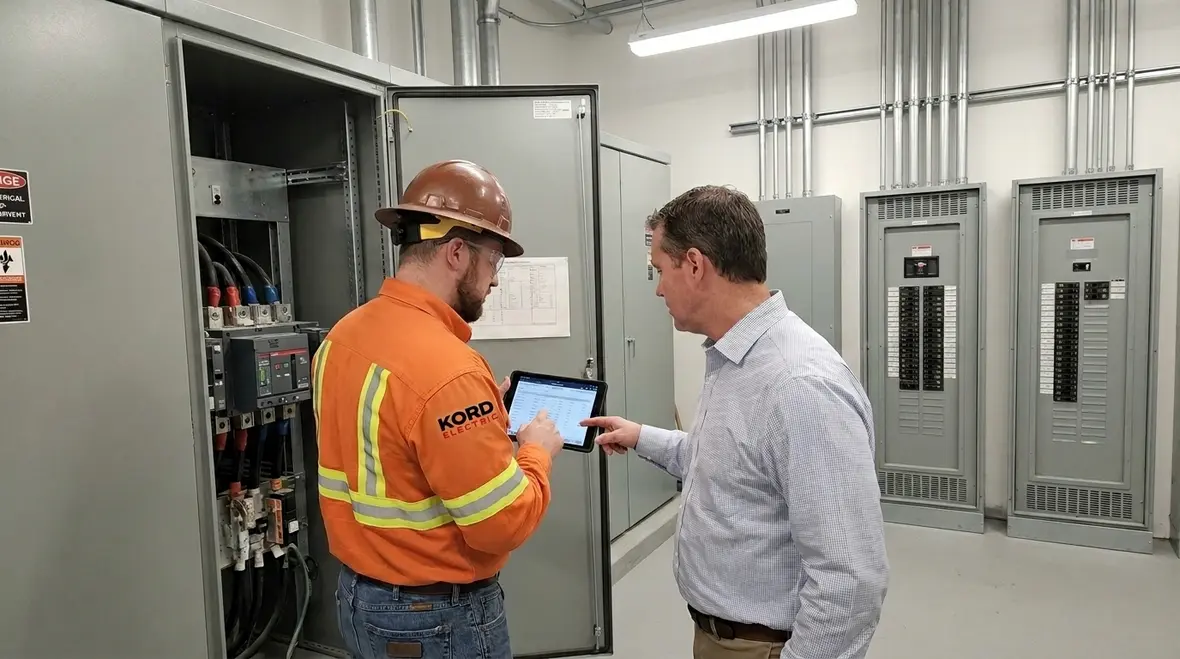
Of course, we also know people do not want long reports that read like a chemistry textbook. So we translate the technical outcome into business impact. If a component needs attention, we explain the risk level and what failure would likely affect. If it can safely be deferred into a future maintenance window, we say that too, so facility teams can match work to budgets and operational priorities.
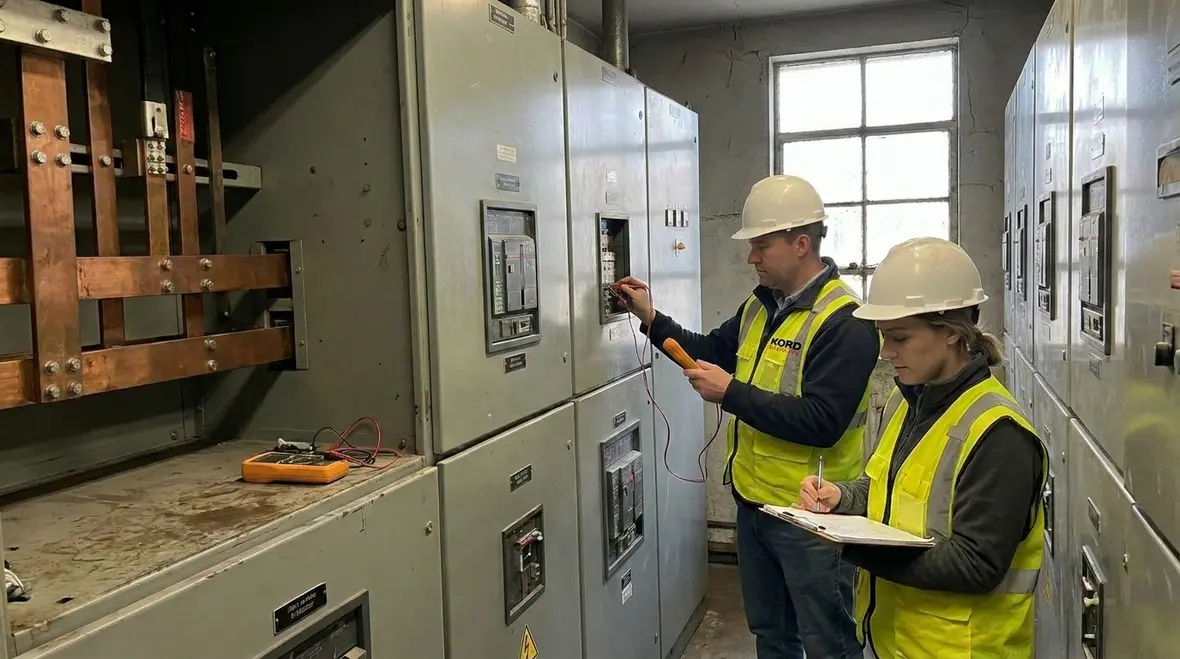
This whole-system perspective aligns closely with how Kord Electric structures broader maintenance strategies for major facilities. For example, their commercial and industrial electrical maintenance plans focus on preventative work that keeps switchgear, panels, and transformers operating within safe limits year after year.
How proactive strategies reduce downtime and surprise repair bills
Commercial electrical asset management works best when it runs like a system, not a calendar event. Therefore, we align maintenance with operating schedules, load profiles, and equipment criticality. A facility that runs around the clock needs a different plan than an office tower that cycles down at night.
We also help others prioritize because not every item carries the same consequence. For example, a minor issue in a low-impact branch circuit can wait, but an issue in protective coordination feeding life safety loads should not. Additionally, we coordinate upgrades when they make sense. Sometimes extending lifespan requires a targeted repair. Other times, it requires replacement of a worn component with better life expectancy.
Here is where the business side becomes real. Planned work can reduce labor costs, prevent rushed procurement, and limit production interruptions. Meanwhile, proactive steps lower the chance of cascading failures where one event triggers multiple trips. If you have ever seen an office building go dark and watched people act like the “Wi-Fi is down” meme, you know the human side of downtime. We help you avoid that moment.
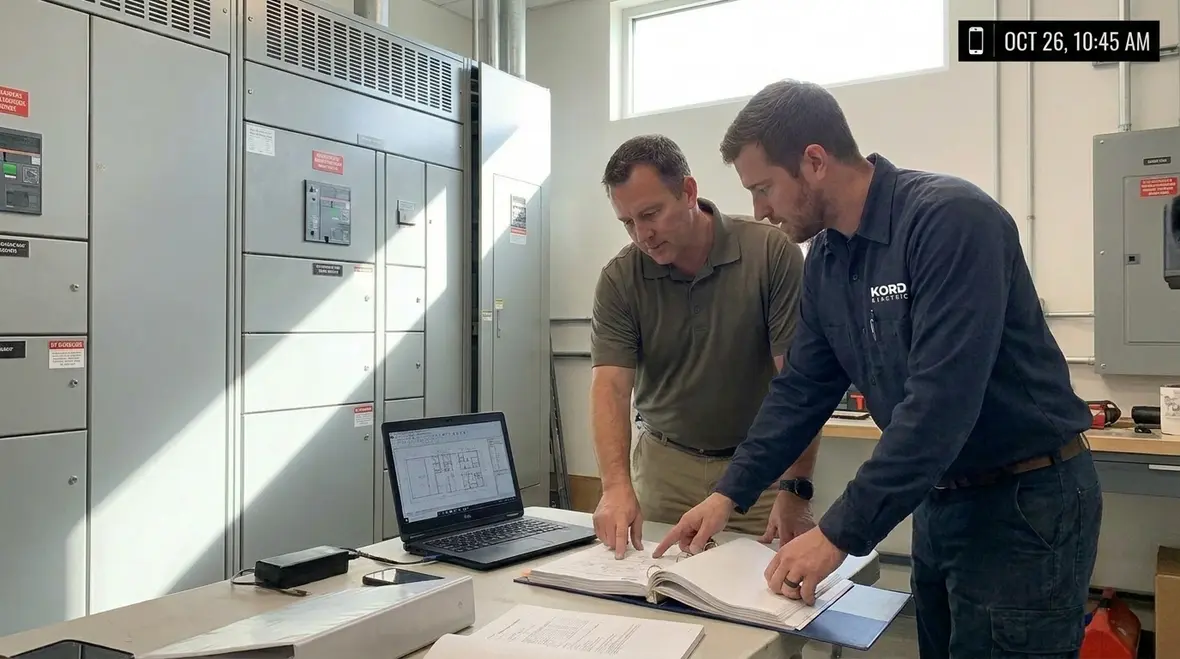
In many cases, proactive strategies also support compliance and insurance requirements. Well documented commercial electrical asset management with clear maintenance records makes inspections more straightforward and demonstrates that building owners are not gambling with hidden risks inside panels and switchgear rooms.
Commercial and industrial building electrical systems need a lifecycle plan
Major property buildings typically include multiple electrical subsystems that must work together. We plan for that reality by connecting the dots between design, condition, and operations. Our team evaluates the infrastructure used for:
- Power distribution across transformers, switchgear, and feeders
- Critical loads that must remain stable during peak conditions
- Energy reliability for processes that cannot tolerate interruptions
- Safety functions tied to grounding, bonding, and protective devices
Then we build a lifecycle approach. Instead of one-time inspections, we use repeatable schedules and trend reviews. As a result, others can forecast when major work will occur, and they can plan budgets before the system forces a decision. We also help coordinate with facility teams so our work fits existing downtime windows.
We use clear communication as part of the strategy. Our technicians explain what they are seeing, what it means, and what options exist. If something can be repaired safely now, we say so. If an upgrade is the smarter path, we explain why. That way, building teams stay in control, and electrical decisions stop feeling like guessing the future from a crystal ball.
Using data, testing, and documentation to manage risk
To extend lifespan, we treat information like an asset. We document conditions, capture test results, and track changes over time. Thus, when issues appear, we understand whether they are new or getting worse. This approach improves decision making and supports smarter budgeting.
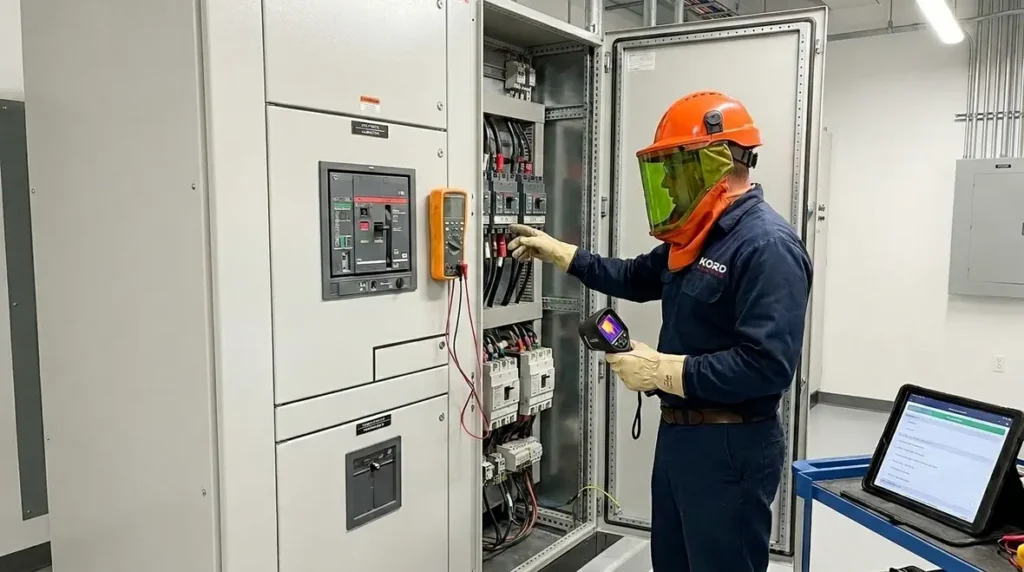
In practice, our team uses testing and inspection methods suited to the equipment type and the building’s operating needs. We look for common failure paths such as overheating from resistance, insulation breakdown from stress, and protective device problems from age or miscoordination. Moreover, we verify that safety and performance expectations stay aligned as systems evolve.
For property managers and facility leaders, the goal is straightforward. You want fewer outages, longer service life, and fewer last-minute decisions. And you want to know why. Our expert service staff provides that clarity, so others do not have to translate electrical jargon into business risk. When the data supports an action, we recommend it. When the data shows a component is stable, we say that too. Calm confidence beats guesswork every time.
Commercial electrical asset management timeline you can plan around
Different buildings require different rhythms, but the workflow stays consistent. We start by understanding the site and electrical configuration. Then we move through an assessment phase, a testing and documentation phase, and a prioritized action phase. After that, we schedule ongoing work and revisit results on a defined cycle.
Below is a practical example timeline that fits many commercial and industrial programs:
- Initial assessment of key electrical gear and distribution paths
- Condition testing and visual review to confirm health and identify trends
- Risk based ranking so teams address the highest consequence items first
- Repair and tune up during planned downtime windows
- Ongoing monitoring with repeat inspections to keep performance stable
Because buildings change, we also adjust the plan when new loads go online or when major equipment gets added. That is where lifecycle management stays honest. The system that fed last year’s operations may not match this year’s reality. So we adapt, and we keep others informed.
FAQ
Ready to protect uptime with planned electrical maintenance?
When electrical systems receive smart attention early, they run longer, fail less, and cost less over time. Kord Electric helps commercial and industrial facilities build a practical lifecycle plan with inspections, testing, and prioritized action. We coordinate with your team, explain findings clearly, and focus on results that protect your operations. If you want to stop reacting to outages and start managing risk, contact Kord Electric today to schedule an electrical reliability assessment and plan the next steps.
For organizations ready to formalize a long term strategy, Kord Electric’s dedicated electrical preventive maintenance services provide a structured way to turn commercial electrical asset management into a repeatable, data-driven program. These services align inspection, testing, and reporting with your facility’s actual operating schedule, so uptime protection becomes part of normal operations—not a once-in-a-while project.
And as your facility adds new loads—from upgraded production equipment to EV charging infrastructure—Kord Electric can integrate those changes into your maintenance plan. Their specialized EV charger installation services ensure that new demand is supported by safe, compliant, and well managed electrical capacity, keeping reliability and expansion plans moving in the same direction.