Warehouse Lighting Retrofit Efficiency Guide
Maximize warehouse lighting retrofit efficiency from day one
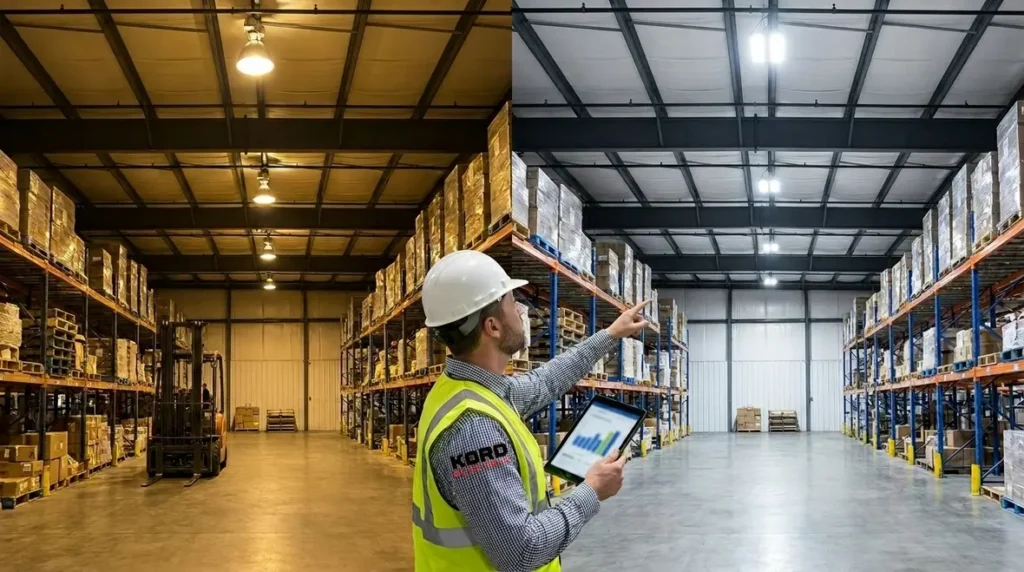
Warehouse lighting upgrades are not just an electrical task. When Kord Electric plans warehouse lighting retrofits, we help facilities cut waste, boost visibility, and keep operations moving. As a manager, the biggest win shows up fast: steadier light levels, fewer equipment outages tied to aging fixtures, and lower energy bills that stop feeling like a surprise bill from a cartoon landlord. And yes, the “lights are flickering again” call gets less frequent. In the first stretch of a retrofit, teams usually notice safer walkways, cleaner work zones, and smoother shift handoffs. Then the savings show up in the monthly numbers, where no one laughs.
What a manager should expect during a retrofit planning phase
When managers start planning, they often picture a crew walking in with tools and flipping a switch. In reality, we build a plan that protects both people and productivity. First, we review the current lighting layout, fixture condition, controls, and power quality. Then we map the work so the facility does not lose critical areas at the wrong time. In most commercial and industrial sites, we also check roof mounted and rack locations, because mounting height and beam spread decide how much light lands where workers actually stand.
At this stage, our experienced service staff explains the “why” before the “when.” For example, if a certain aisle needs higher target lux due to pick and pack activity, we do not assume it. Instead, we confirm it. And if a zone can use dimming, we plan that too, because controls can trim energy use without making the lighting feel weak. Transitioning from old systems to modern LEDs works best when managers get a clear schedule, clear boundaries, and a clear finish line.
Audit the current system before anyone buys fixtures
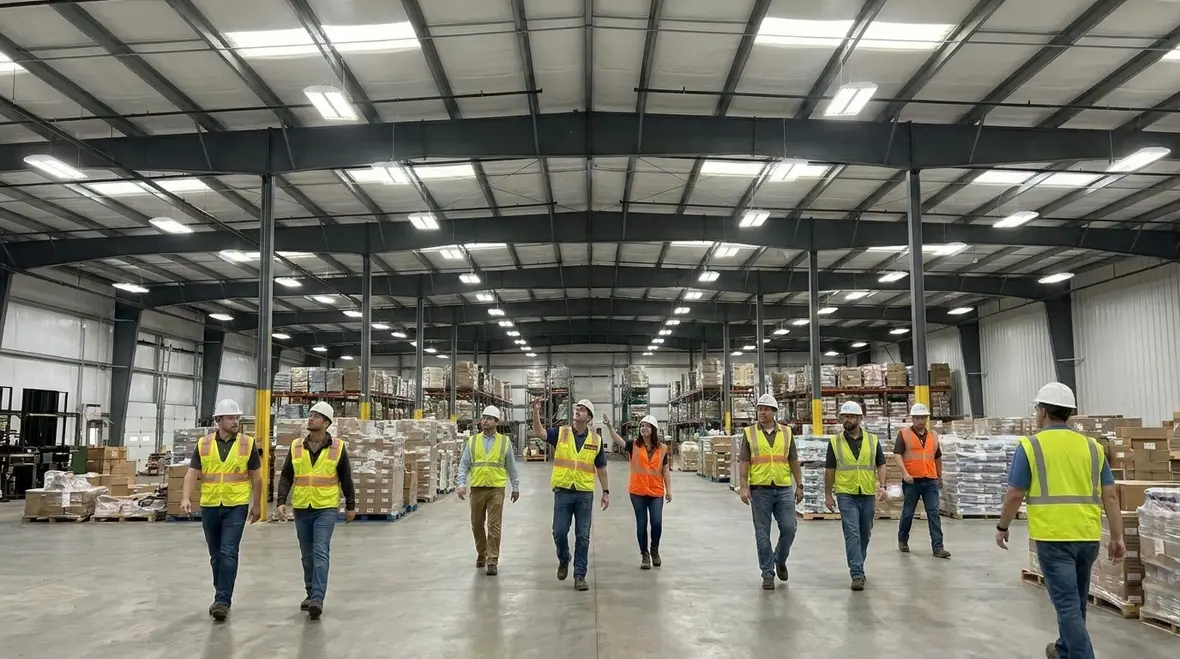
Most wasted money comes from guessing. So we audit, measure, and compare. We check fixture age, ballast condition where applicable, reflectance from walls and floors, and whether the existing design created bright spots and dark pockets. Then we look at usage patterns. For instance, a dock area often runs differently than a storage aisle. As a result, a single uniform solution can miss the mark, even when the fixture looks “good enough.”
We also verify the electrical path and how circuits feed lighting loads. In many major property buildings, lighting systems share panels with other equipment. Therefore, we plan load impacts and any panel upgrades early, rather than discovering them during installation when everyone is tired and decisions get rushed. If you have commercial electrical concerns, we support the bigger view too. For managers who want a cost framework, our rewiring cost guide for commercial electrical systems explains how labor, downtime, and system complexity influence budget decisions. That way, the lighting plan connects to the electrical reality, not wishful thinking.
Pick the right retrofit design for each warehouse zone
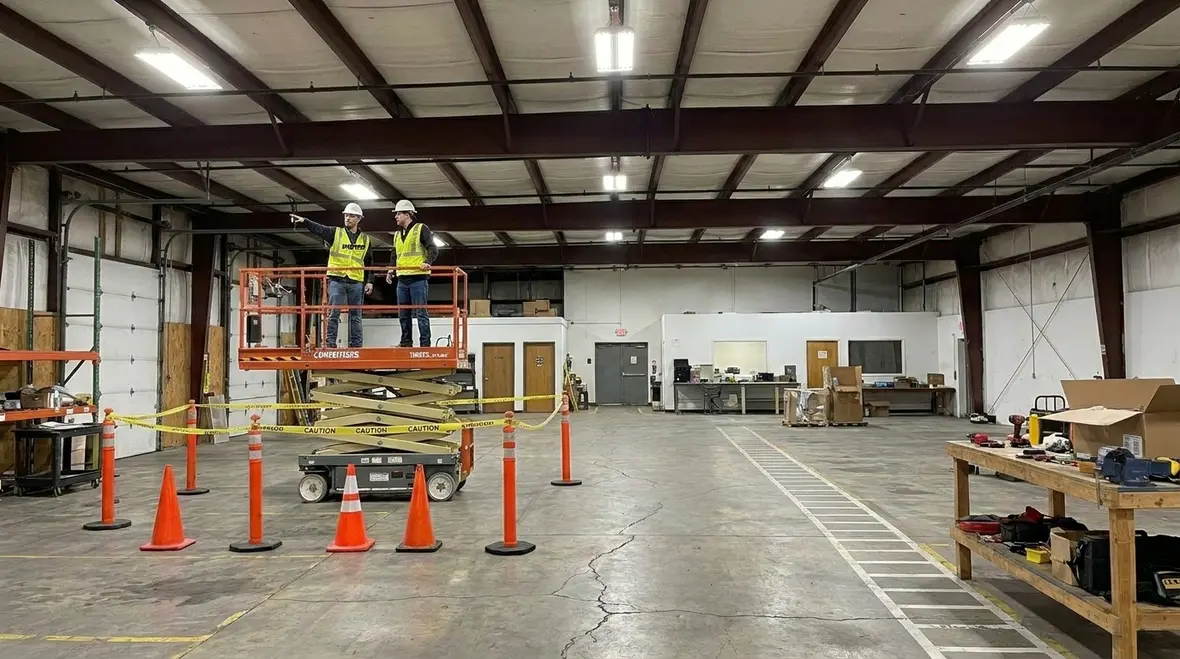
Not every part of a facility deserves the same treatment. Consequently, Kord Electric breaks the warehouse into zones based on task level, traffic, and operating hours. We then match retrofit choices to each zone.
- High motion areas: We focus on uniform coverage and glare control, because workers move fast and shadows can hide hazards.
- Storage and low activity zones: We prioritize controls like scheduling and dimming. This reduces energy use while keeping safe visibility.
- Dock and loading zones: We target stable output and consider environmental conditions. Dock areas often face temperature swings and vibrations.
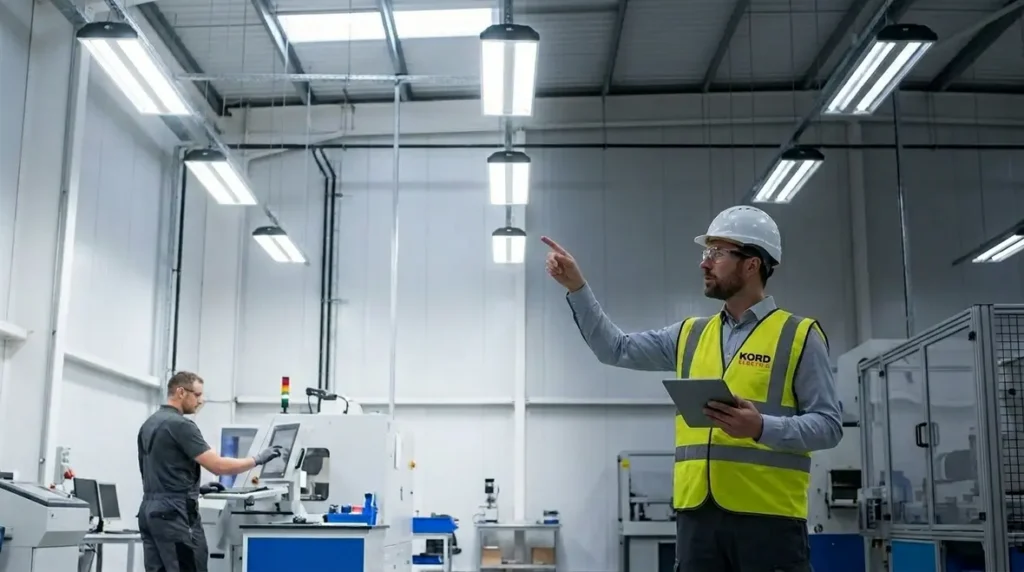
From our technicians, you will also hear a simple truth: installation details drive performance. For example, if the optics do not suit mounting height, even top rated fixtures can underperform. So we verify layout, spacing, and aiming. Then we ensure the wiring method supports the retrofit design and long term reliability. Our approach keeps the outcome closer to the lighting model, which is the part managers care about on inspection day.
Controls and controls again: how efficiency really happens
If warehouse lighting retrofit benefits were only about swapping bulbs, we would be done in a weekend. Instead, efficiency comes from control strategies that match how the building actually runs. When managers ask for savings, we usually start with zoning and scheduling, then expand to occupancy sensing where appropriate.
Here is how it plays out. First, we design lighting levels for normal operations. Next, we add step dimming for periods with lower activity. Then we apply occupancy based lighting where it makes sense. Therefore, lights do not blast full output when no one is there, and they do brighten when motion returns. In practice, that reduces energy use and helps extend component life, since LEDs and drivers live calmer lives.
And yes, controls also reduce the “someone forgot and left the lights on” problem. That issue will not disappear, but it will get quieter. Think of it as smart lighting that behaves like a well trained crew member. It does not complain. It just works.
Downtime and safety: how we keep operations steady
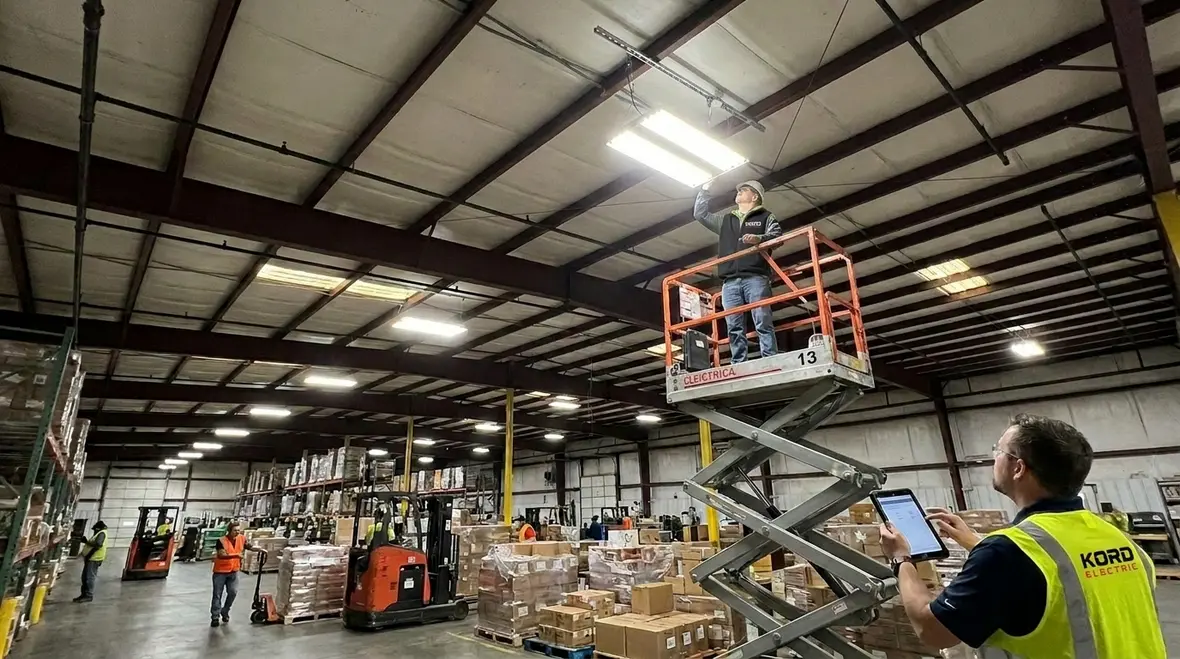
A retrofit can either feel like a controlled project or a chaotic fire drill. Kord Electric works to make it feel like the first one. We plan staging so areas remain lit during changeover whenever possible. Then we set up safe work zones and follow site safety rules that apply to commercial and industrial settings.
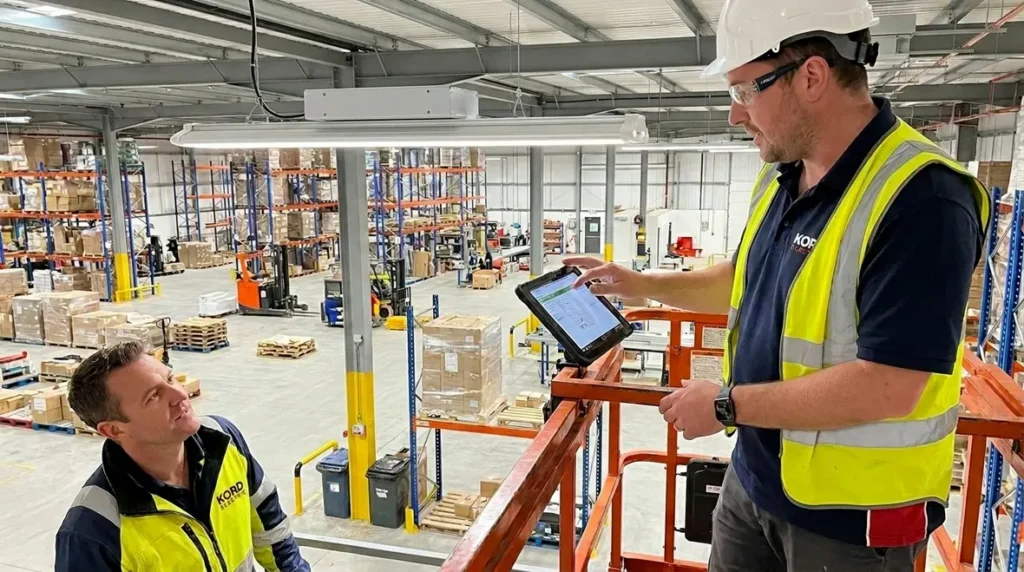
Our technicians coordinate with the facility team on access routes, lockout expectations, and work windows. Meanwhile, the project manager handles communication so managers do not feel like they are guessing. We also document what gets replaced and where, which helps with future maintenance planning.
To keep risk low, we also consider electrical load and circuit capacity. When retrofits add drivers, switch legs, or control components, the electrical design must support the change. This is where our electrical experience matters, because good lighting still needs a solid power foundation. In the same spirit as our rewiring cost guide for commercial electrical systems, we treat the electrical side as part of the lighting outcome, not as an afterthought.
Cost, incentives, and budgeting for real results
Budgeting for lighting upgrades should be clear, not mysterious. Managers usually want three things: predictable scope, a realistic timeline, and numbers that tie to expected savings. Kord Electric helps define scope by fixture quantities, control devices, wiring needs, and any upgrades that the electrical system requires.
Then we work with managers on a cost approach that aligns with the facility’s goals. Some sites care more about payback. Others care about compliance and safer visibility. In either case, we avoid the “buy the cheapest fixture and hope” strategy, because that often creates maintenance headaches later. If a retrofit design needs panel work or wiring updates, we explain it early.
For major property buildings, incentives can also shape the final budget. Since programs vary by utility and location, our team helps managers collect the right information so they can pursue eligible rebates. However, we do not chase incentives at the expense of quality. A lighting system should perform for years, not just for an application submission.
Two column view: what changes after a retrofit, and what managers should track
Managers often want a simple scorecard. Below is what we typically monitor after installation, so results stay measurable and clear.
| Area to track | Why it matters |
| Light levels by zone | Teams see tasks better, and safety improves when coverage meets the real work pattern |
| Control behavior | Dimming and scheduling must match operating hours, or energy savings shrink |
| Electrical performance | Stable operation reduces faults and keeps maintenance calls from climbing like weeds |
| Maintenance needs | LED retrofits typically reduce lamp replacements, but drivers and optics still need proper installation |
As you track these items, it often helps to align your retrofit outcomes with broader upgrades such as commercial lighting upgrade planning and preventive electrical maintenance, so the warehouse lighting retrofit benefits extend into long term system reliability.
FAQ: warehouse lighting retrofits managers ask most
If your facility serves customers or tenants across the region, it can also help to coordinate warehouse lighting work with broader Los Angeles County electrical services, so site power, lighting, and future upgrades share one consistent roadmap.
Final CTA: let Kord Electric lead the retrofit
If your warehouse lighting feels stuck in the past, Kord Electric can build a retrofit plan that protects your team, supports your electrical system, and delivers measurable results. We use audits, zone based design, and control strategies that fit how your facility truly runs. Next, we schedule work to reduce downtime and keep safety front and center. Reach out to our team today for a consult and a clear retrofit roadmap built for commercial and industrial success. Your future utility bills will thank you. Quietly. Like professionals.
For facilities planning multiple upgrades at once, pairing your warehouse lighting retrofits benefits with services like recessed lighting installation, preventive maintenance, or broader commercial lighting upgrades can create a cohesive strategy instead of a patchwork of one off projects.