Warehouse Lighting Safety and Electrical Reliability
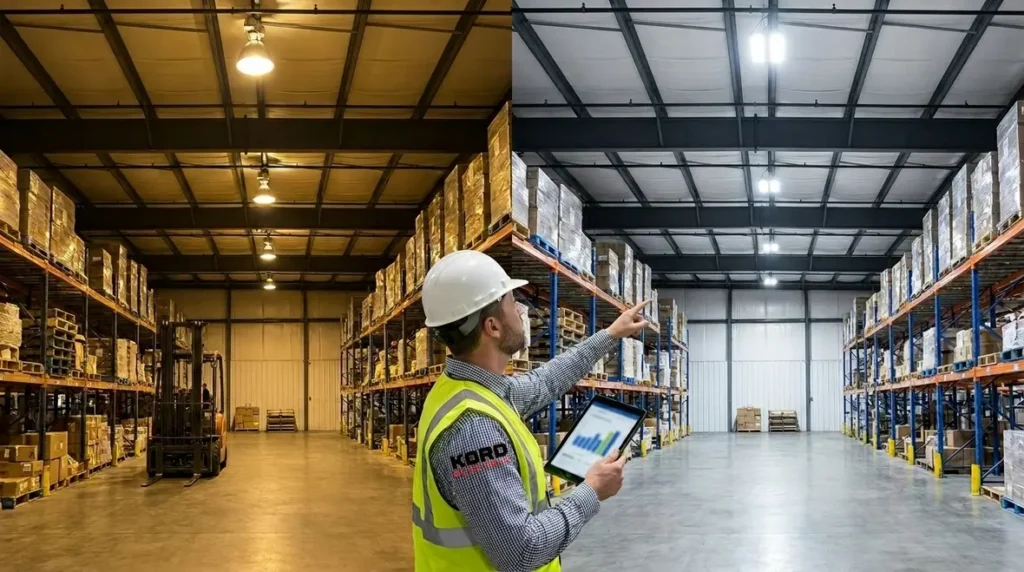
At Kord Electric, we take warehouse lighting safety seriously, and we treat it like a standard we can feel in our hands. In the first place, we focus on the warehouse lighting safety standards that reduce glare, prevent trip hazards, and support safe movement for people and equipment. Then we make sure the lighting design supports code needs and real-world operations, not just a “good enough” shopping list. After all, a warehouse is not a living room, and dim corners are not a mood. If someone says they can “see fine,” they usually mean they have vision, not that the layout is safe.
When our clients call, we send our technicians and expert service staff to explain what is going on, step by step. And yes, we do it in a calm way, because nothing says “fun” like chasing a lighting fault at 6 a.m. in a loading bay.
How do we optimize warehouse lighting for safety and uptime?
We start with a simple truth: safety improves when people can see clearly and equipment can operate reliably. So we build lighting plans around practical sight lines, stable coverage, and controlled brightness. In addition, we analyze how light behaves across aisles, racks, dock doors, stairs, and pedestrian walkways. From there, we set targets for illumination, uniformity, and glare control.
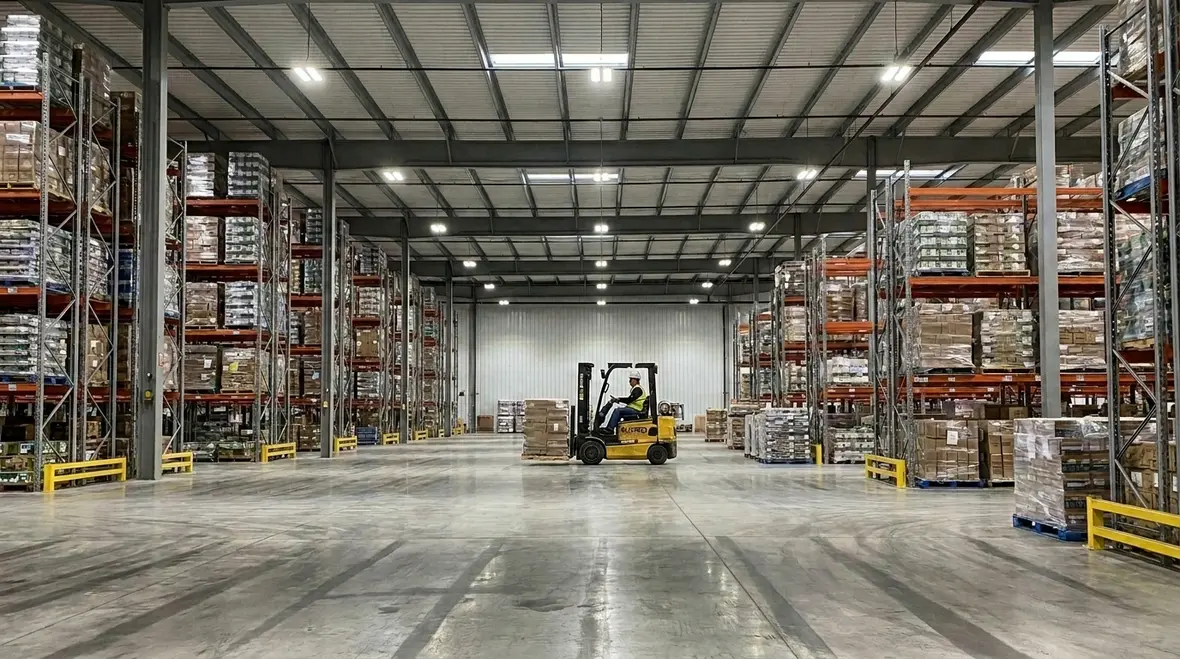
Next, we look at the electrical distribution that powers lighting. If the lighting circuit is poorly designed or overloaded, it will fail when the facility needs it most. Therefore, we treat the lighting system as part of the overall electrical distribution design for reliability. This approach connects directly to the way we think about data center reliability and power stability on major property projects, because the lesson is the same: when distribution is steady, systems stay calm. For a deeper dive into this concept, you can explore our companion article on data center electrical distribution design for reliability, which shows how careful planning and coordination prevent surprises when loads shift or scale.
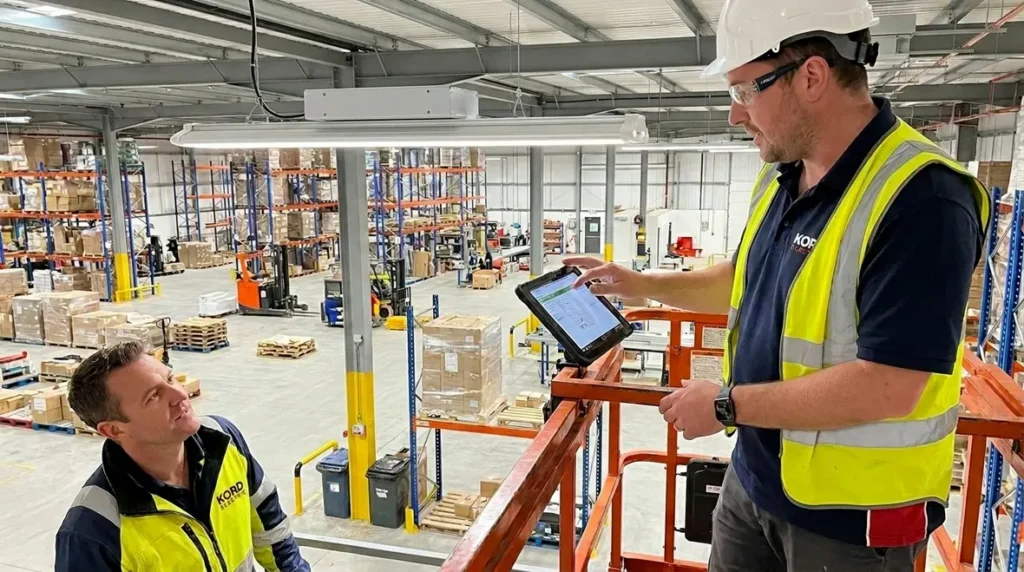
Finally, we verify the real conditions. We do not just rely on theory, and we do not just trust the last as built drawing. We walk the site, we check mounting heights, and we confirm that the light levels match the actual layout. That is how we prevent “dark stripes” between fixtures that no one notices until a forklift operator does.
What do warehouse lighting safety standards require in practice?
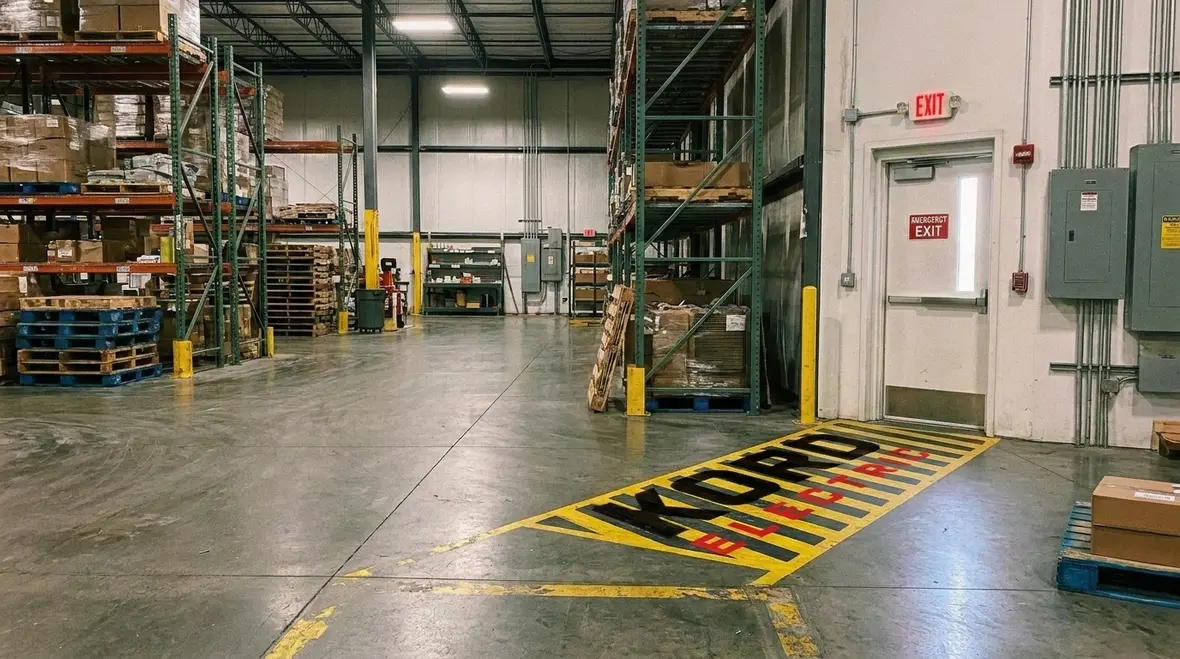
The phrase “safety standards” can sound like paperwork, but in the field it means specific outcomes. First, we ensure the design supports safe access and egress. That includes clear lighting at entrances, exits, dock areas, and pathways where people walk with carts or tools.
Second, we control glare. Warehouses often have reflective floors, shiny rack beams, and polished equipment surfaces. So we choose fixtures and aiming patterns that reduce harsh reflections and direct glare. As a result, operators avoid eye strain and maintain better control.
Third, we focus on uniformity. Uneven illumination creates shaded zones where hazards hide. Therefore, we balance spacing, fixture output, and mounting orientation so the light does not jump from bright to dim every few steps. This also helps cameras and sensors used in safety and operations.
Fourth, we consider maintenance access and system endurance. A safe lighting plan includes a path for cleaning, relamping where needed, and replacing components before they fail. In other words, we plan for the day after installation, not just the ribbon cutting.
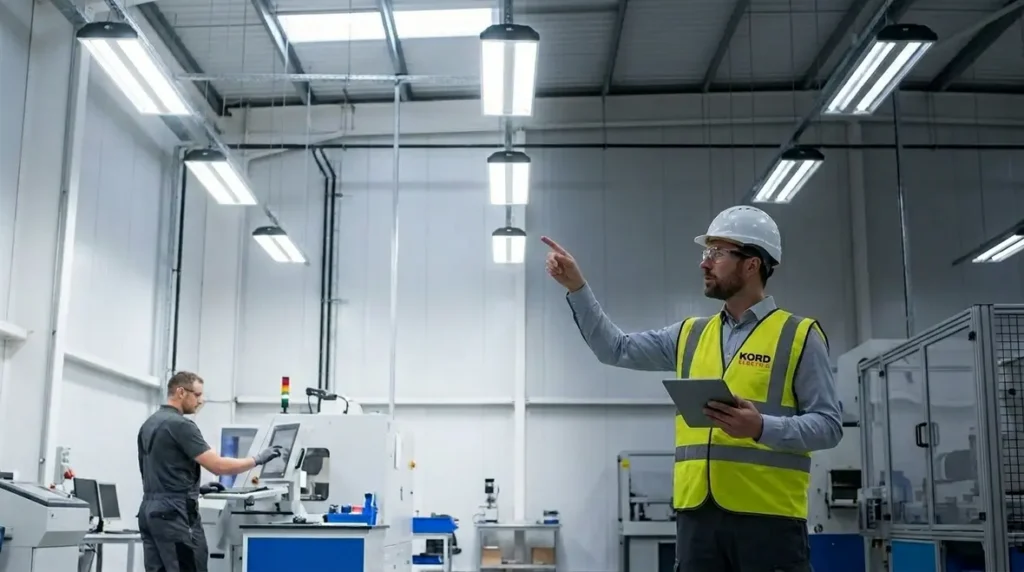
And our expert service staff explains these choices clearly. If the client asks why we recommend a specific layout or control strategy, we do not hand them a vague answer. We show what changes in the real spaces.
How does electrical distribution design affect lighting reliability?
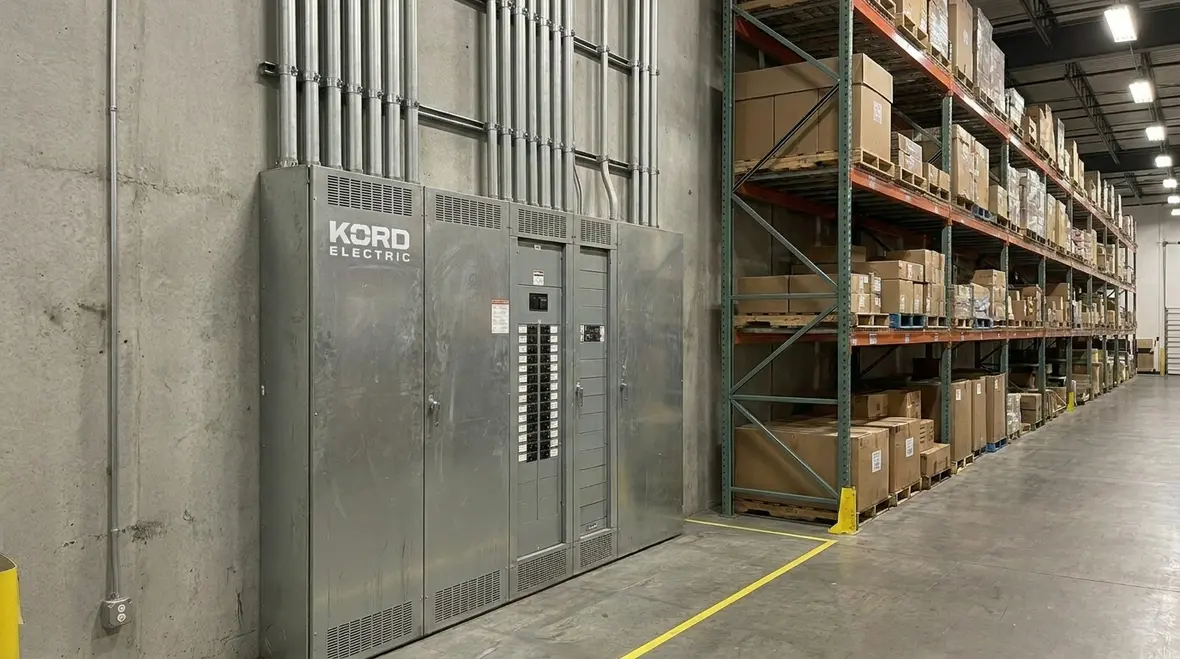
Here is where we connect the dots for commercial and industrial facilities. Lighting does not stand alone. It depends on electrical distribution that stays within safe limits, protects circuits, and prevents nuisance outages.
When we design distribution for reliability, we pay attention to load planning, panel scheduling, and the way feeders and branch circuits handle demand. If the lighting load grows from added racking, new work cells, or seasonal operations, the system must handle the change without risky stress. For that reason, we recommend a design that supports future expansion where it makes sense.
Additionally, we apply the same reliability thinking we use in major distribution work. When we approach electrical distribution design for reliability, we treat power as a system. That includes proper protective devices, correct coordination, and stable power quality. As a result, lighting stays consistent, and staff spend less time in “guess and reset” mode.
We also plan for controls, because controls can reduce risk and save energy. For example, smarter dimming and occupancy strategies should not cause lights to flicker at the wrong time. Therefore, we match controls to fixture type and the facility’s workflow.
So while a warehouse may seem simple compared to a high density data hall, the reliability goal is the same. Stable power, predictable performance, and fewer surprises.
Where do safety issues hide, and how do we remove them?
Safety problems in warehouses often hide in places people avoid looking at closely. First, we address intersections: dock edges, doorways, and transitions between zones. Lighting levels should not drop abruptly when someone crosses from dock to storage. Otherwise, a worker slows down, trips, or misjudges distance.
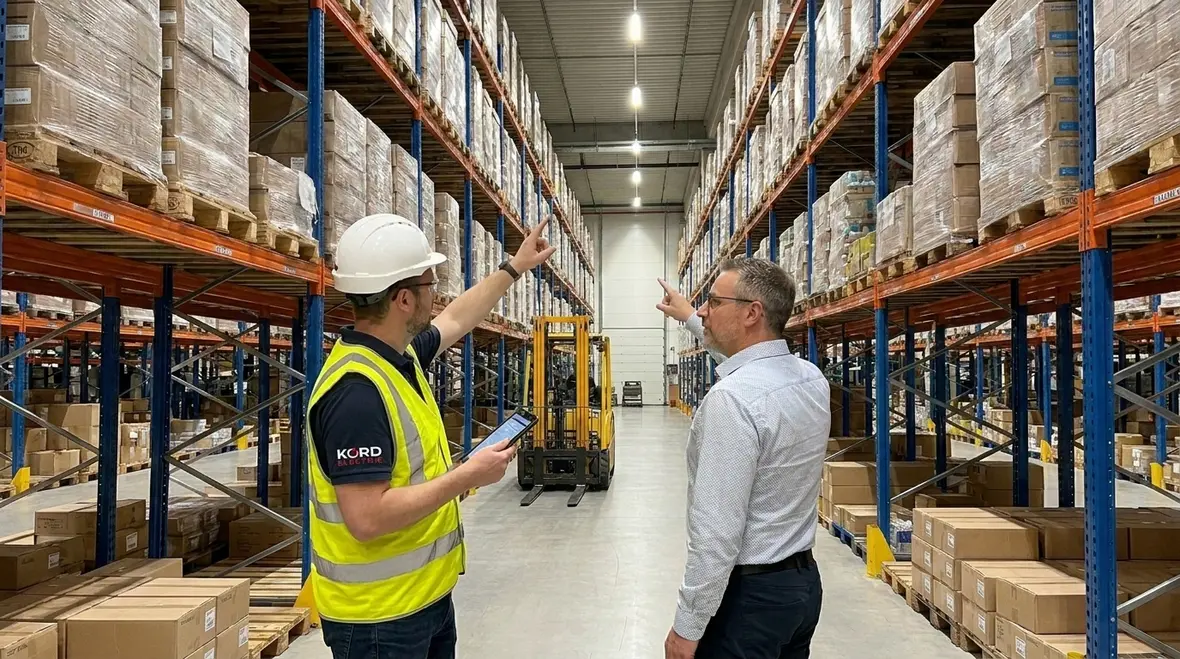
Second, we examine rack corridors and pallet storage lines. If fixtures sit too far apart, we get striping. If mounts are too high, the light spreads and loses control. Therefore, we tune spacing and height to the actual aisle width and rack geometry.
Third, we focus on pedestrian routes. Forklifts and foot traffic share space more often than people admit. So we highlight walkways with consistent brightness and clear visual cues. Then we reduce glare near driver sight lines.
Fourth, we consider special areas: maintenance bays, battery charging stations, and packaging zones. These locations may need different lighting needs because tasks change. For example, inspection work needs steady, accurate light, while loading zones need safe orientation cues.
And yes, we get a little playful with our explanations during site walks. When someone tells us, “The lights are fine, they’ve always been like that,” we usually respond, “Great, and the floor has always been tripping people too, right?” It gets a laugh, and then we show the meter readings.
What lighting upgrades improve safety fast?
We help our clients prioritize upgrades that reduce risk quickly and support long-term performance. Here are the improvements we most often recommend for commercial and industrial warehouses and major property buildings.
Replace outdated fixtures with high output, controlled glare designs so workers get clearer sight lines without harsh brightness.
Rebalance coverage in aisles and at ends of rows to eliminate dark zones and reduce uneven illumination.
Add or improve emergency and exit lighting coverage so people can move safely during power events.
Upgrade controls with care to match occupancy patterns and ensure reliable operation without flicker or delays.
Verify electrical capacity and circuit protection to keep lighting steady as loads change.
Then we confirm results with measurements, because “feels brighter” does not beat documented performance. We test light levels across representative areas, and we check uniformity. As a result, the facility sees fewer safety complaints and fewer operational interruptions tied to lighting.
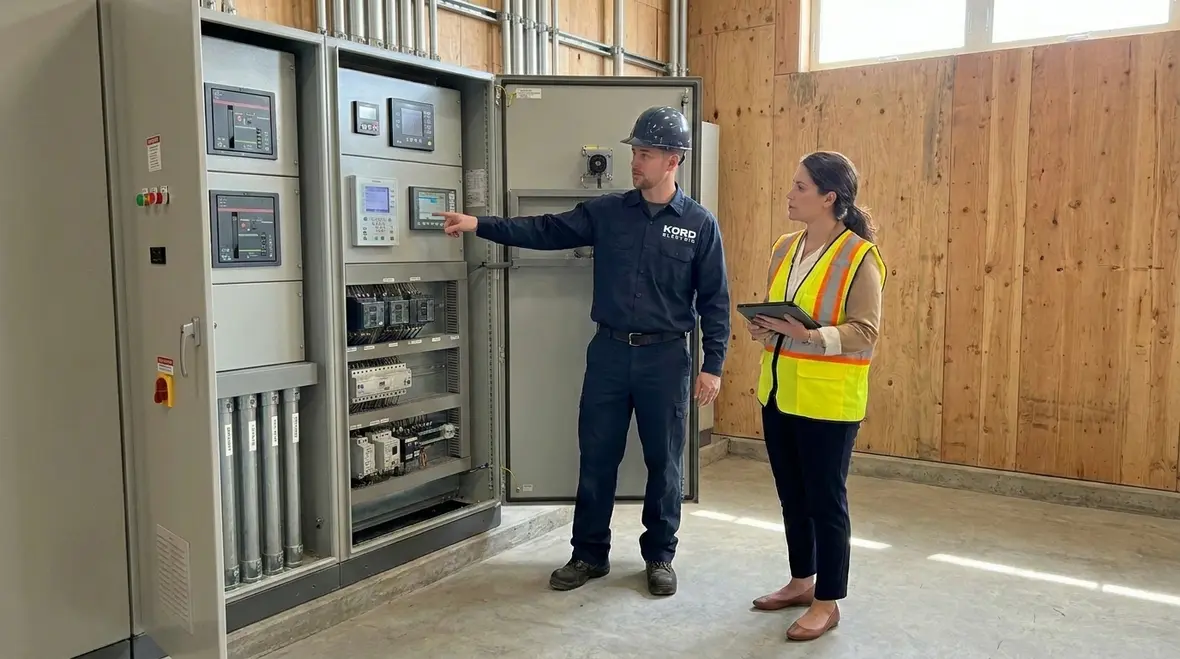
Our technicians also train the client on maintenance needs. We explain what to check, how often to inspect, and what warning signs show a fixture or circuit is drifting toward failure.
For facilities planning broader upgrades or new construction, pairing these improvements with dedicated services like lighting installation services and structured electrical maintenance can help warehouse lighting safety standards become part of everyday operations instead of a one-time project.
How do we plan lighting for real warehouse workflow?
A warehouse is a living system. It changes when staffing changes, when shifts rotate, and when new lines or racking get added. So we plan lighting around workflow, not around a static floor plan.
First, we map where people walk, where carts travel, and where equipment operates. Then we set brightness levels that support each task zone. For example, picking lanes need clear target visibility, while loading areas need safe guidance and strong orientation cues.
Second, we coordinate lighting with equipment use. Some warehouses run high bay processes, some handle long reach lifts, and some operate near doors or windows. Therefore, we address glare, reflections, and shadow patterns that appear when machines move.
Third, we design for future layout changes. We keep wiring and control strategies flexible where it is practical. This helps avoid costly rework later. It also keeps the electrical distribution reliable as the facility grows.
Finally, we involve our expert service staff early in the process. We explain how changes affect the system, and we help leadership understand what decisions matter most. That reduces uncertainty, and it protects the safety goals from getting watered down during procurement.
FAQ
Making safety a daily standard with Kord Electric
Safety should not depend on luck or on the mood of a dim fixture. At Kord Electric, we optimize lighting with a clear focus on warehouse lighting safety standards, reliable electrical distribution, and real on site workflow. Our technicians and expert service staff explain every decision in plain language, because the best safety plan is one people understand and trust. If you want fewer dark zones, steadier power, and safer movement for workers and equipment, contact us today for a site assessment and a practical upgrade roadmap.
If your facility is ready to turn these ideas into a concrete project, our dedicated lighting installation services and broader electrical preventive maintenance programs are built specifically for commercial and industrial environments that cannot afford guesswork with visibility or uptime.