Warehouse Smart Lighting Control Optimization
How warehouse smart lighting control optimization cuts waste fast
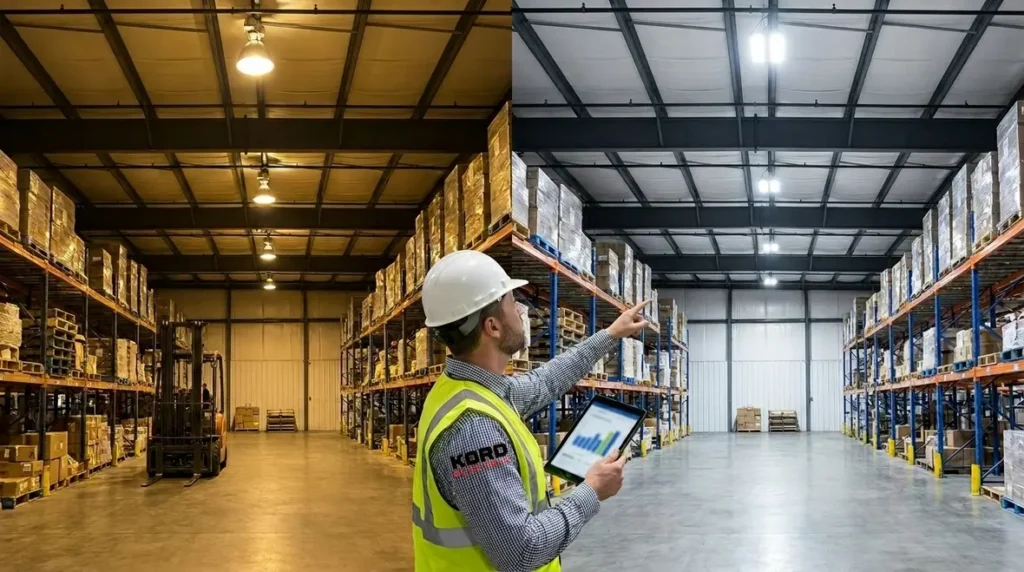
At Kord Electric, we focus on warehouse smart lighting control optimization that helps commercial and industrial facilities run smoother, safer, and cheaper. In our experience, the biggest win comes when lighting stops behaving like it is still 1998 and starts acting like it understands how the warehouse works today. We tune control zones, refine schedules, and make sure lights only use power when people and product truly need them. And yes, the motion sensors do not need to moonlight as comedians, even though sometimes they feel like it.
With our team’s steady approach, facilities gain better visibility, fewer maintenance calls, and more predictable energy use. Then, as the operation grows, the system can adapt instead of forcing a full rebuild.
For warehouses that are already planning broader lighting improvements, pairing smart controls with upgraded fixtures can multiply results. Our lighting installation services help create a solid foundation for controls to perform reliably across racking, staging, and production zones.
Plan the layout first, then let lighting follow work patterns
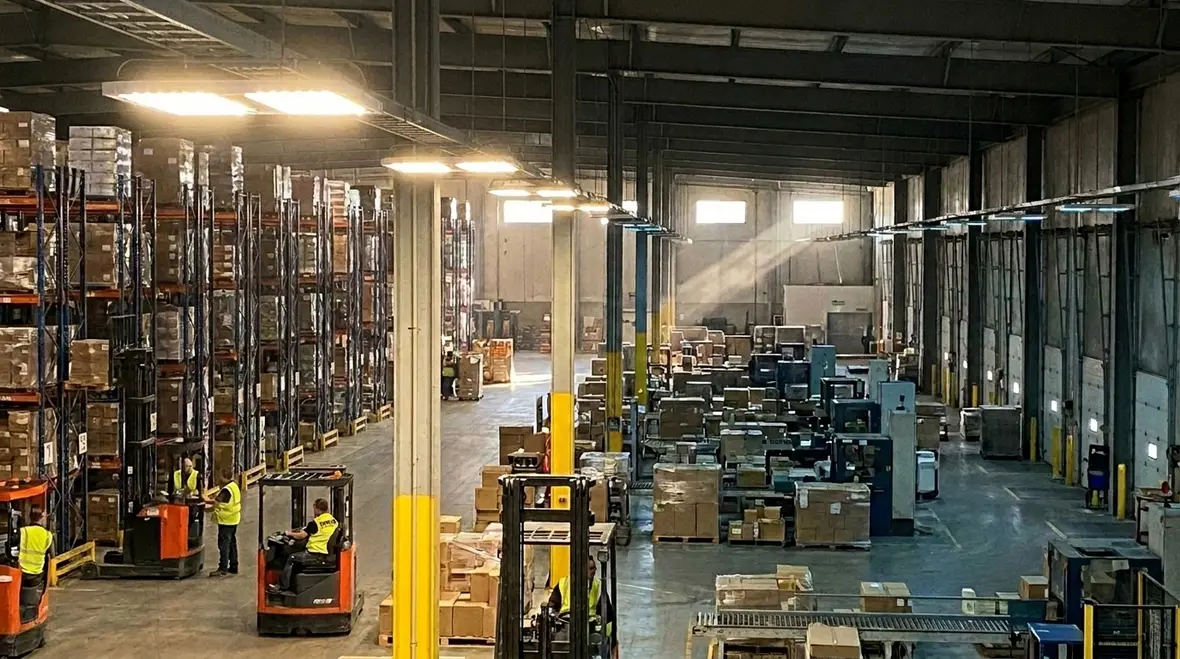
Before anyone installs controls, we start with how the space actually operates. Therefore, our technicians map the warehouse into lighting zones based on racking layout, dock locations, aisle traffic, cold or hot zones, and clearance needs for forklifts and lifts. This matters because a long, dim aisle is not just annoying, it can raise safety risk and slow picking. Meanwhile, blasting full output in areas that sit idle for hours wastes power.
Next, we examine shift timing and workflow. For example, some facilities receive trucks early, while others stage product overnight. As a result, we set controls around real schedules, not guesswork. During active periods, we target higher light levels where people walk and where tasks happen. During off periods, we step down to safe, low levels for basic visibility.
To keep it practical, we also consider how the facility changes. If the building uses seasonal staffing, adds new product lines, or moves pallet flow, the control plan should adjust. Our service staff explains the logic in plain terms, so others in the building can maintain it without needing a degree in electrical mysteries.
In warehouses that are planning broader upgrades, it often makes sense to pair controls with targeted fixture improvements. When our team designs new layouts for high bay or recessed lighting in coordination with our recessed lighting installation services and warehouse lighting design, we can align zoning with beam spread, fixture spacing, and aisle geometry instead of forcing controls to fight against an outdated layout.
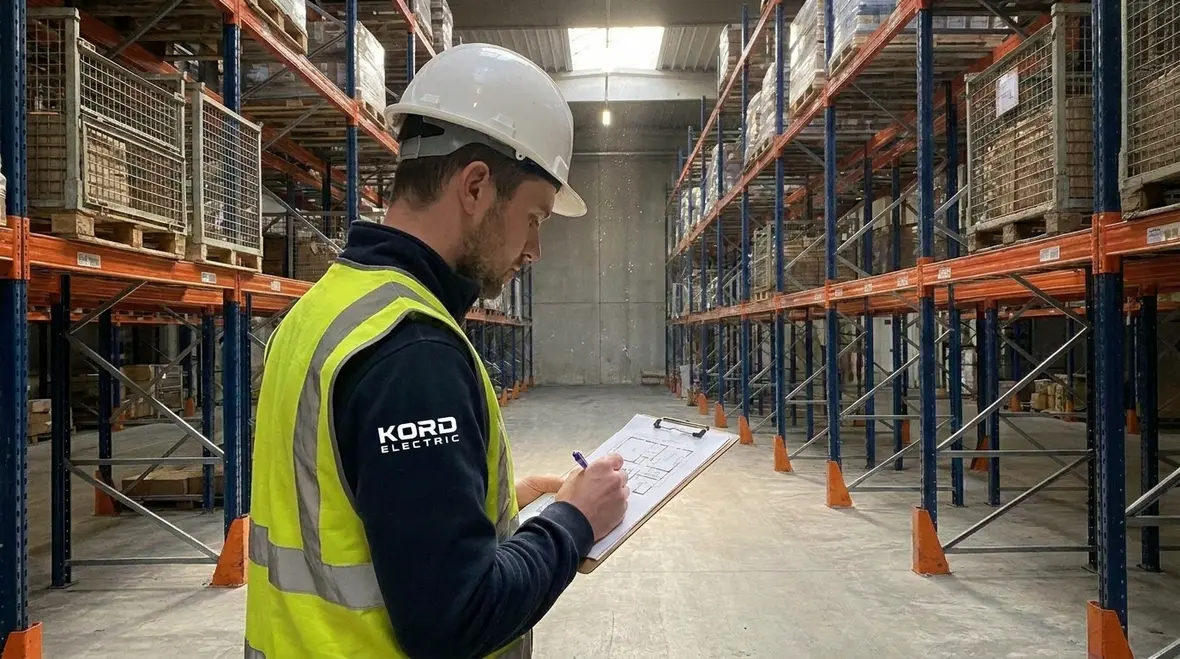
Use zoning, dimming, and schedules that respond to motion and time
Once the zone plan is clear, the next step is control logic. We typically combine three methods: zoning, dimming, and time plus occupancy logic. Zoning makes control manageable. Dimming reduces energy without turning the warehouse into a cave. Time schedules align lighting with shifts and recurring events.
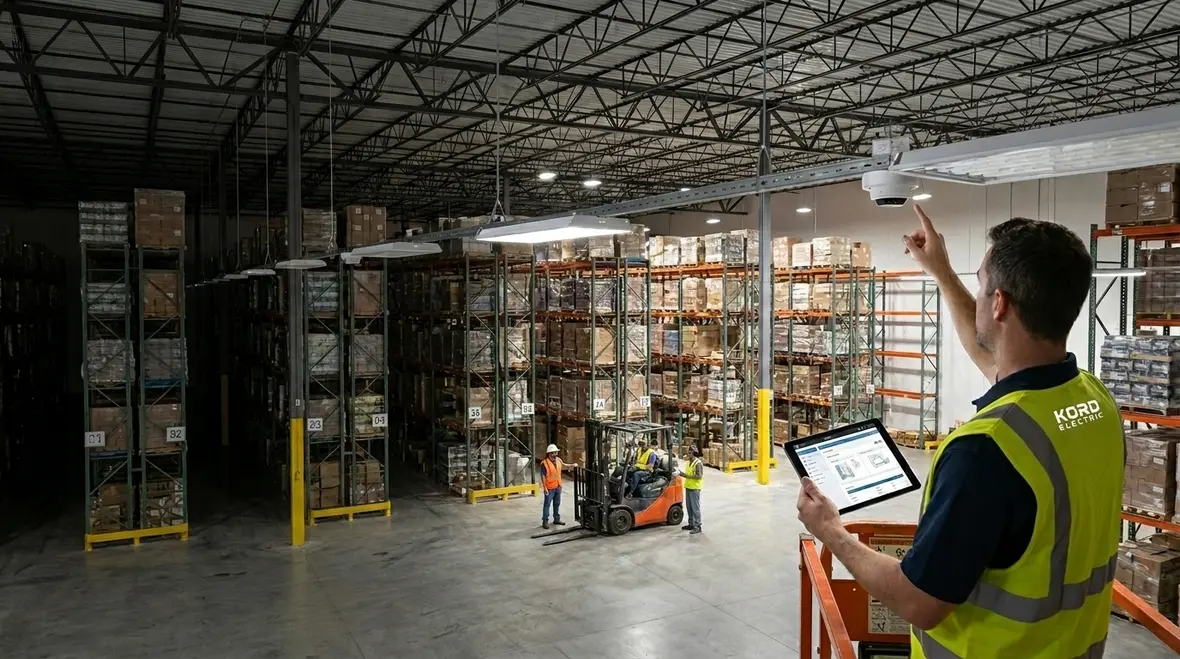
Then motion or occupancy inputs add the missing piece. When the system detects presence in a zone, it raises light output to the level staff need. When the area clears, it returns to a lower setting. This approach helps a lot in places like packing stations, returns processing areas, and offices that share walls with warehouse space.
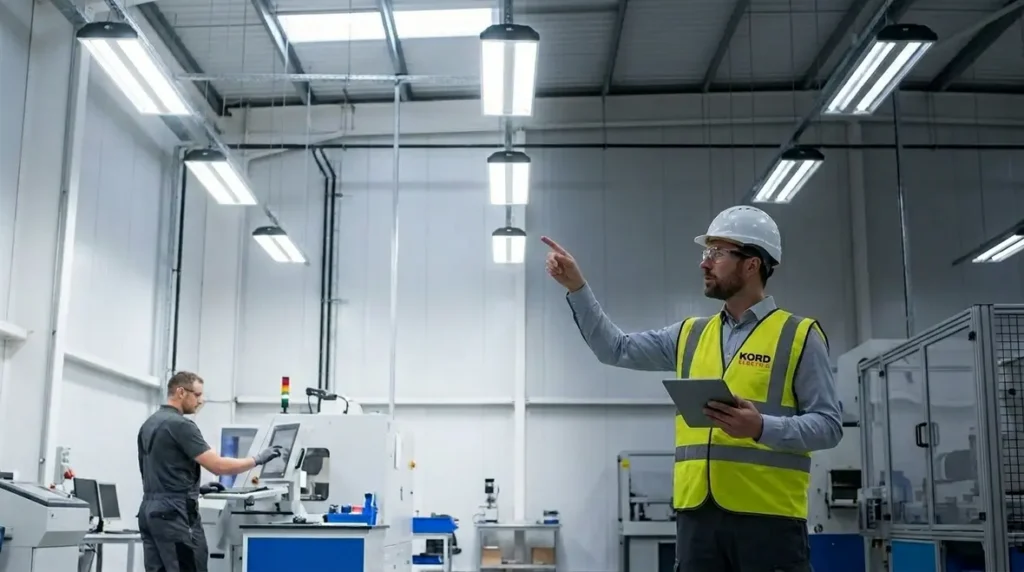
However, motion sensors must be set correctly. Therefore, we help facilities avoid two common problems. The first is “lights on all day,” caused by bad placement or too sensitive settings. The second is “lights off when workers need them,” caused by ranges that are too narrow or delays that feel like a prank. Our technicians tune settings based on real sight lines and traffic patterns, not generic defaults.
We also connect smart lighting behavior with broader system goals. In facilities working toward tighter electrical performance, our team can coordinate control strategies with electrical preventive maintenance programs and voltage stability efforts. When lighting schedules, occupancy logic, and demand patterns are documented and tested, they support both safety and long-term power quality instead of fighting them.
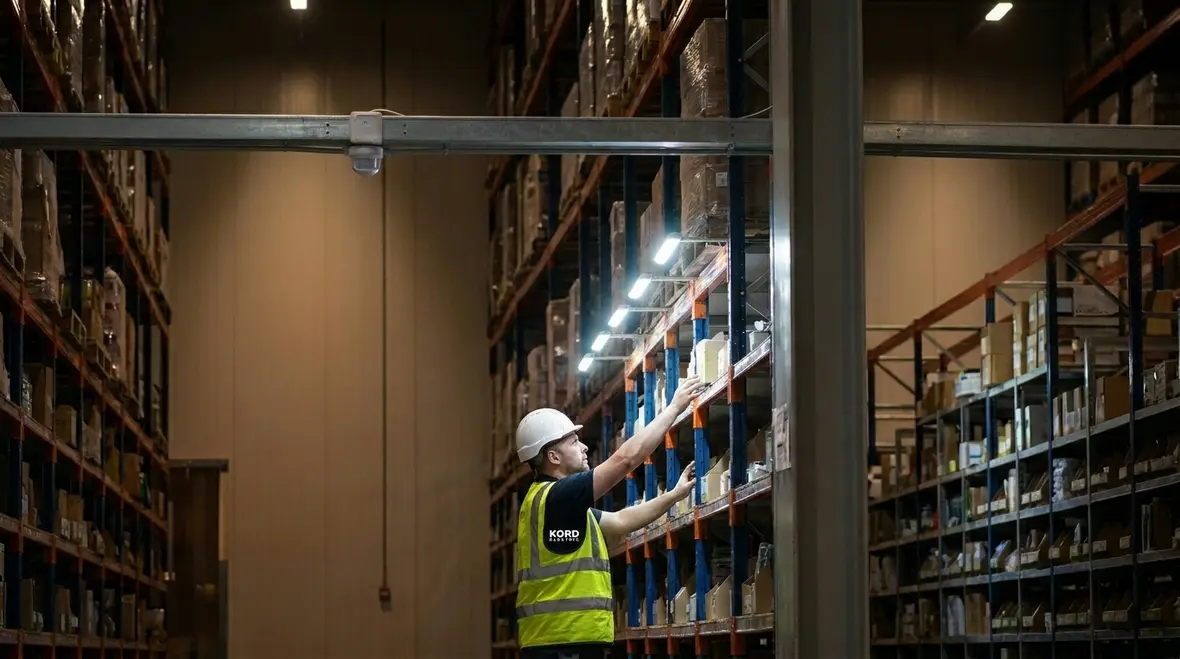
How we reduce maintenance and extend equipment life
Smart controls do not only cut energy use. They also help equipment last longer. When lighting operates at the right levels and for the right duration, the system runs in a more controlled way, which reduces stress on drivers and other components. In addition, fewer manual overrides mean less “temporary” behavior that stays permanent because, well, people are busy.
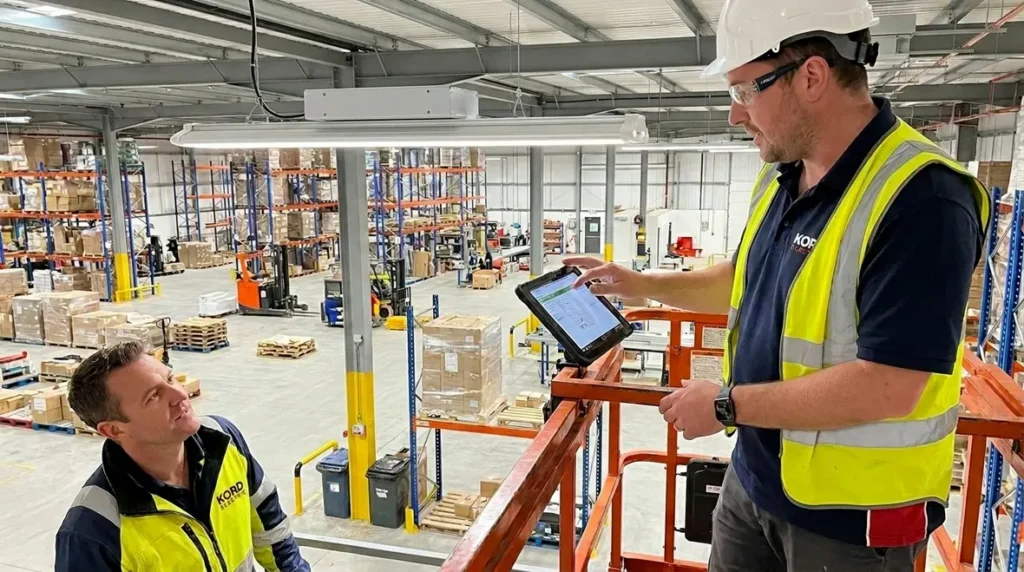
To support ongoing performance, we build the system with service access in mind. That means we label zones, document settings, and make sure the control hardware fits the facility’s layout and rules. As a result, maintenance teams can troubleshoot faster and get back to work. Kord Electric service staff explains what they install and why, so the building team knows what to check first if anything ever acts up.
We also help prevent issues before they become emergencies. Therefore, we review how the control system communicates and how power quality behaves. Warehouses often have heavy loads like motors, conveyors, and dock equipment. When electrical conditions vary, controls need to stay stable. Our team plans accordingly to keep the lighting consistent across shifts.
In facilities where we are already addressing voltage fluctuations in commercial and industrial systems, smart lighting control becomes part of a bigger reliability picture. A stable, well-documented control system makes it easier to separate true electrical faults from simple programming issues, which means less trial and error, faster fixes, and more predictable uptime for critical operations.
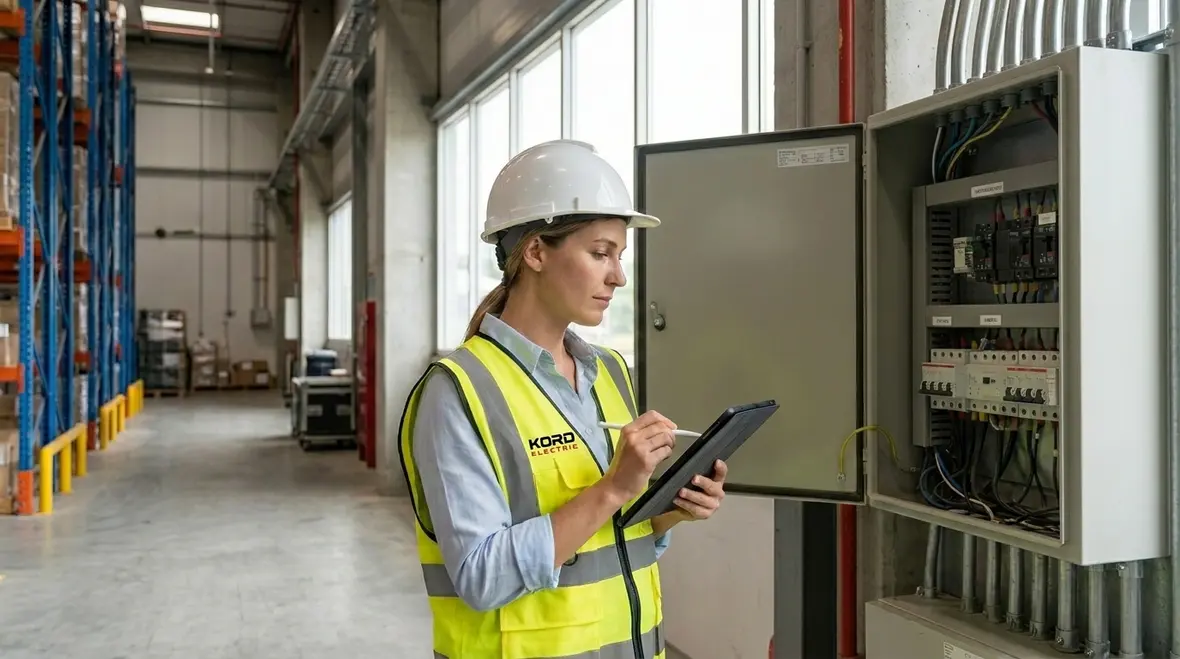
Security, safety, and compliance become easier with better light control
Commercial and industrial buildings must support safe movement, clear sight lines, and dependable lighting for both staff and contractors. Advanced lighting controls help meet these needs by keeping illumination steady during key tasks. Also, better control reduces harsh flicker and improves how lighting transitions when motion starts or stops.
When facilities manage entrances, staging areas, and pedestrian routes, consistent lighting reduces trip risk and helps drivers see markings and signs. In turn, this can support internal safety programs and help teams feel confident during audits.
In our experience, lighting control works best when it supports the rest of the building system, not when it fights it. That is why we coordinate with electrical panels, life safety requirements, and how the facility schedules other loads. Our approach aligns with how major property buildings operate, where uptime and safety both matter.
And if a facility already invests in electrification, the logic matters even more. For example, Kord Electric also supports EV charger installation for commercial sites, and the same discipline that protects lighting reliability helps with EV infrastructure planning. It is all part of one theme: smart systems should reduce chaos, not add it. Property teams exploring charging can review our dedicated EV charger installation services to see how methodical planning for power, safety, and scalability carries across both lighting and EV projects.
For sites with large yards, walkways, or mixed-use campuses, interior lighting control often pairs with exterior strategies. In those cases, we align warehouse smart lighting control optimization with best practices from our commercial lighting and commercial landscape lighting safety guidance so that indoor and outdoor visibility work together instead of leaving gaps at doors, ramps, or loading areas.
Real-world steps for smart lighting control optimization in a warehouse
Facilities often ask how to start, so we make it clear and step driven. We use a sequence that keeps downtime low and results visible. Below is how we typically move a project forward.
|
Step |
What we do |
|
Site review |
Our technicians walk the aisles, docks, and work zones to confirm coverage and traffic patterns. |
|
Zone design |
We group lights so controls match how people move and how product flows. |
|
Control strategy |
We set time schedules, occupancy logic, and dimming targets that support real tasks. |
|
Install and commission |
We mount, wire, and test in phases to avoid disruptions to daily operations. |
|
Explain and document |
Our service team shows the building staff how it works and records settings for future support. |
After installation, we verify performance. Then we adjust where needed. So, if a zone has unusual traffic during certain hours, we tune the response. This is where many projects succeed or fail, because “installed” is not the same as “dialed in.”
And yes, we sometimes hear jokes like, “Can the lights learn our work habits?” The answer is not magic, but with proper zoning and smart control logic, the lights do behave like they understand the job. They just do it with fewer plot twists.
For teams planning multiple upgrades at once, we often sequence these steps alongside other critical work such as panel improvements, power quality corrections, or commercial lighting upgrade planning. That way, warehouse smart lighting control optimization does not compete with other projects—it supports them by making load profiles more predictable and documenting how each zone behaves over time.
Ready to improve safety and cut lighting waste?
If your warehouse lighting feels stuck in one mode, Kord Electric can help you bring it into the real world of how your facility runs. We plan zones, tune controls, and commission a system that supports safe movement, stable visibility, and smarter energy use. Then we explain everything clearly so your team can manage the setup with confidence. Contact us today to schedule a site review and get a practical plan tailored to your commercial or industrial operation.
For facilities that are also considering EV charging, it can be efficient to plan lighting and power upgrades together. Our dedicated EV charger installation services and our lighting installation services give you a single partner for warehouse smart lighting control optimization, commercial lighting design, and future-ready electrification—all aligned with safety, reliability, and day-to-day operations.