When a Building Needs an Electrical Panel Upgrade
At Kord Electric, we often get the same question from building owners who want things to feel steady and predictable, not like a thriller where the lights flicker at the worst time. An electrical panel upgrade becomes necessary when the existing system can no longer handle modern loads, code expectations, and safe operating conditions. In this article, we explain when a building needs an electrical panel upgrade, what warning signs to watch, and how our team approaches the work so your facility runs with fewer surprises and more control. And yes, we promise we will not talk down to you, even if your current panel looks like it has lived three lifetimes and a few bad decisions.
When an Electrical System Starts Saying “No More”
Our expert service staff at Kord Electric explains that most panel problems do not show up as a dramatic event right away. Instead, they appear as a slow build of small signals, the kind you notice when you are responsible for operations, not just vibes.
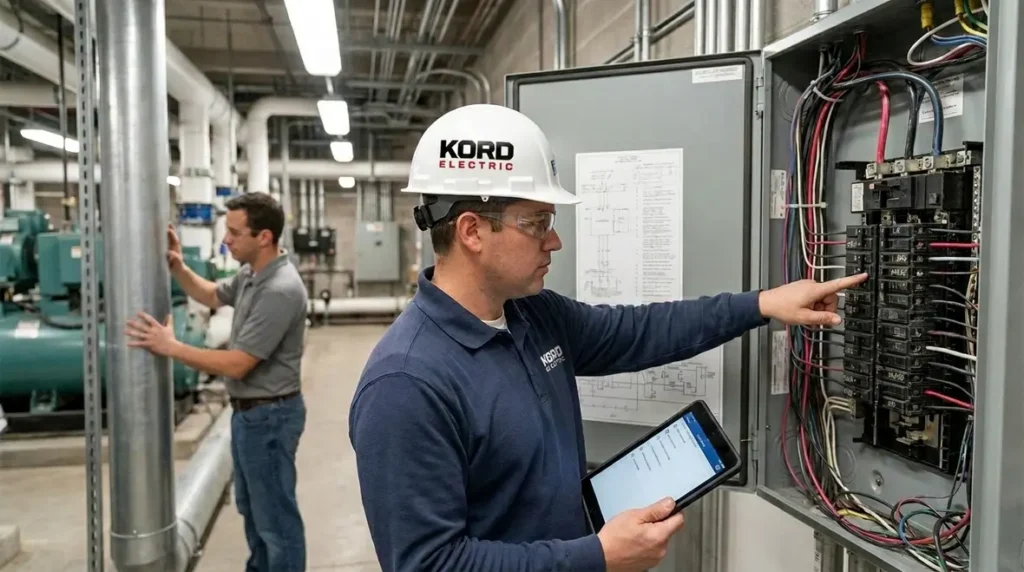
In commercial and industrial facilities, the electrical panel often serves as the hub for lighting, HVAC, refrigeration, machine loads, production tools, and building systems. When demand rises, the panel must safely distribute current. If it cannot, you may see symptoms like frequent breaker trips, warm or discolored panel parts, or power quality issues that make sensitive equipment behave like it is moody.
Further, if the panel has old wiring methods, outdated bus bar materials, or insufficient space for new circuits, you can end up with constant workarounds. And while workarounds sometimes feel convenient in the moment, they can create higher risk over time. Our technicians review the panel, inspect connections, and verify the capacity, not just the surface condition.

If your facility is already dealing with unstable voltage, nuisance trips, or unexplained equipment behavior, those symptoms often connect back to the panel and broader distribution system. For a closer look at how power quality fits into the bigger picture, you can also explore Kord Electric’s guide on managing voltage fluctuations in commercial and industrial facilities.
Signs You Notice Before the Problem Becomes Expensive
Many property managers wait until something breaks, but we help others catch issues earlier. For commercial and industrial sites, a delay can turn a manageable fix into a shutdown event. So we focus on warning signs that show up during normal operations.
Common indicators include:
- Frequent breaker trips during normal use, especially under moderate load
- Warmth around the panel door, breakers, or wiring compartments
- Burn marks, a plastic smell, or visible corrosion at terminations
- Flickering lights or equipment resets when other loads start
- Loose or aged connections that require repeated tightening
- Physical crowding in the panel due to added circuits over time
Next, we also consider how the building is used. A data room, a manufacturing floor, a warehouse with high bay lighting, or a chilled distribution system can pull power in different patterns. As a result, the panel might pass daily checks yet fail during peaks. Our team measures and validates the actual load behavior so the electrical panel upgrade is based on reality, not guesswork. Because guesswork is great for pop quizzes, not for electrical safety.
How Capacity, Code, and Load Changes Trigger Upgrades
Buildings evolve, and electrical systems should keep up. Therefore, a major driver for a new panel is changing electrical demand. If your facility adds equipment, expands operations, or upgrades technology, the existing panel may become a bottleneck.
Our technicians typically see this happen after:
- Adding production lines, compressors, pumps, or motor-driven equipment
- Upgrading HVAC systems or increasing cooling and ventilation load
- Renovations that add lighting, charging stations, or process controls
- Expanding tenant space or adding new departments in the same building
- Switching to higher-efficiency equipment that still draws different power profiles
Additionally, code expectations can shift. Even when the panel “works,” it may not meet current requirements for connection quality, labeling, breaker sizing, or safe access. When owners want long term compliance, they do not gamble with outdated hardware. We explain options clearly and recommend an electrical panel upgrade when the panel no longer aligns with safe and compliant distribution.
In plain terms, if the building asks for more power and the panel says, “I cannot,” you do not negotiate. You upgrade, plan, and make the system match the workload.
When code changes or major modifications are on the table, it also helps to understand how standards like NFPA 70 shape panel requirements, grounding, and safe access. For an accessible overview, many facility teams review Kord Electric’s article explaining the National Electrical Code for 2026 and how it influences commercial projects.
Why Heat, Corrosion, and Aging Parts Matter in Real Buildings
Heat is not a mystery. It is a sign. When current moves through connections and components, good parts run within safe limits. However, poor connections and aging terminations can increase resistance, which increases heat. Over time, that heat can damage bus bars, degrade insulation, and loosen parts. Then, what starts as a small rise in temperature can become a failure point.
Our expert service staff explains that aging panels often show multiple issues at once. For example, a building may have older breakers, mixed materials, and terminals that do not clamp as firmly as designed. And when you add moisture, dust, or chemical exposure, corrosion can accelerate.
To help decision makers, we evaluate conditions such as:
- Terminal integrity and signs of arcing
- Bus bar condition and discoloration
- Breaker age and fit within the panel layout
- Grounding and bonding consistency
- Cleanliness and environmental exposure
Then we map findings to the practical next steps. Instead of focusing only on one visible issue, we look at the full electrical panel upgrade picture. Because in commercial and industrial settings, one weak link can pull the whole chain down.
These same principles show up across broader infrastructure as well. Panels, feeders, and devices all benefit from structured inspections, thermography, and documentation. If you want a deeper dive into building-wide practices, Kord Electric’s resources on electrical preventive maintenance for commercial and industrial facilities outline how proactive programs extend equipment life and catch issues before they become emergencies.
What We Do During an Electrical Panel Upgrade for Your Facility
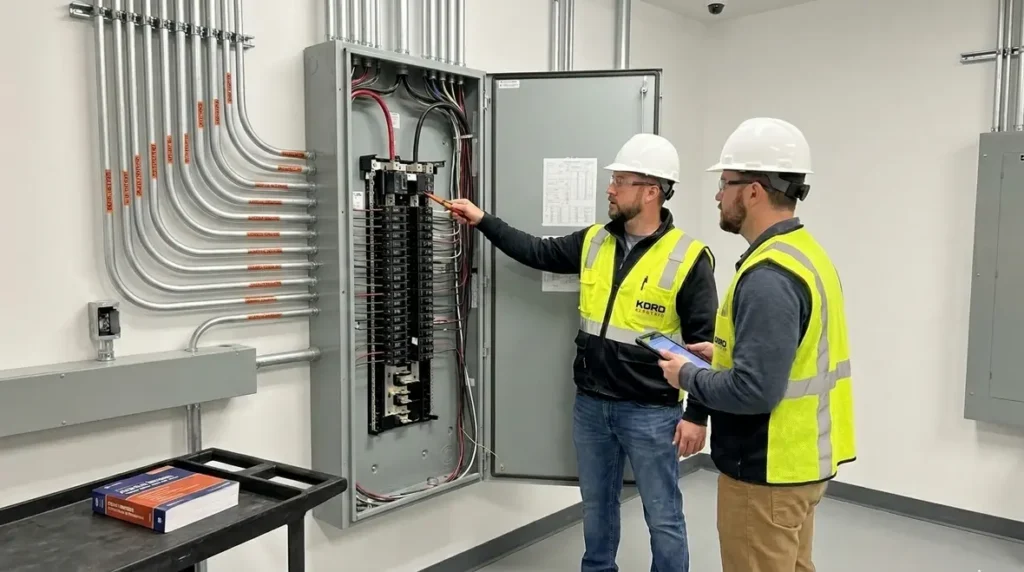
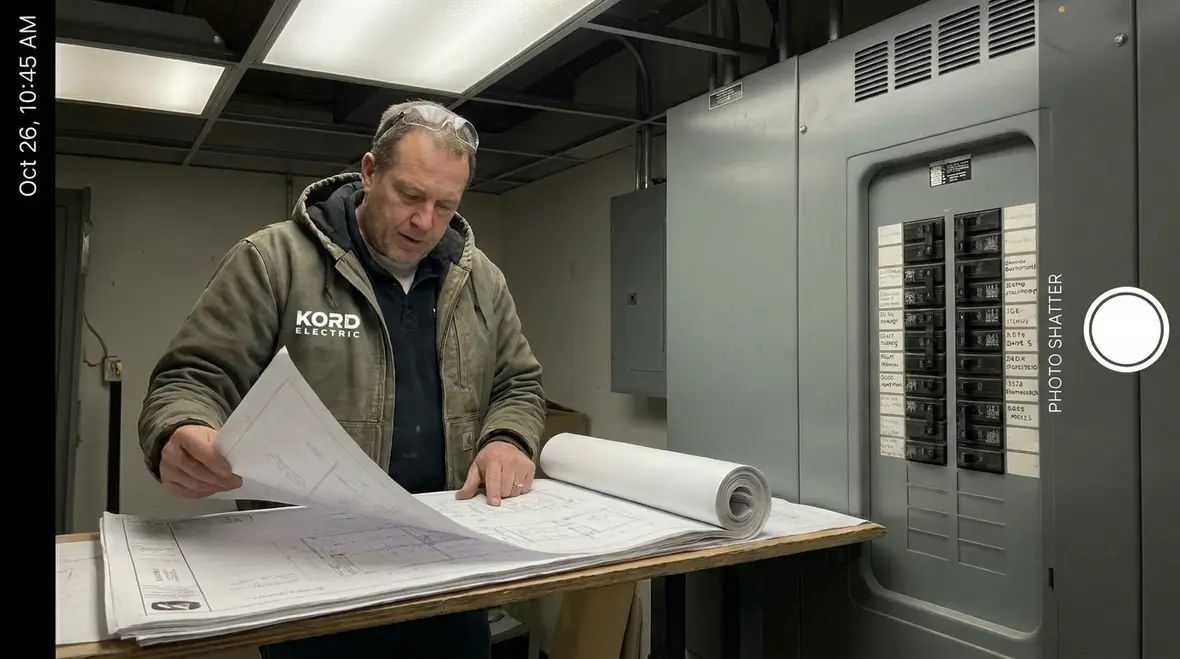
When we plan an electrical panel upgrade for a major property building or an active commercial site, we work with the goal of safe performance and minimal disruption. First, our technicians gather site details, review electrical drawings when available, and inspect the existing panel and distribution components.
Next, we confirm load needs and future growth. We do not just add space and call it a day. We confirm breaker coordination, evaluate service capacity, and ensure circuit organization supports proper operation. If the facility has sensitive equipment, we pay close attention to power quality considerations and load distribution patterns.
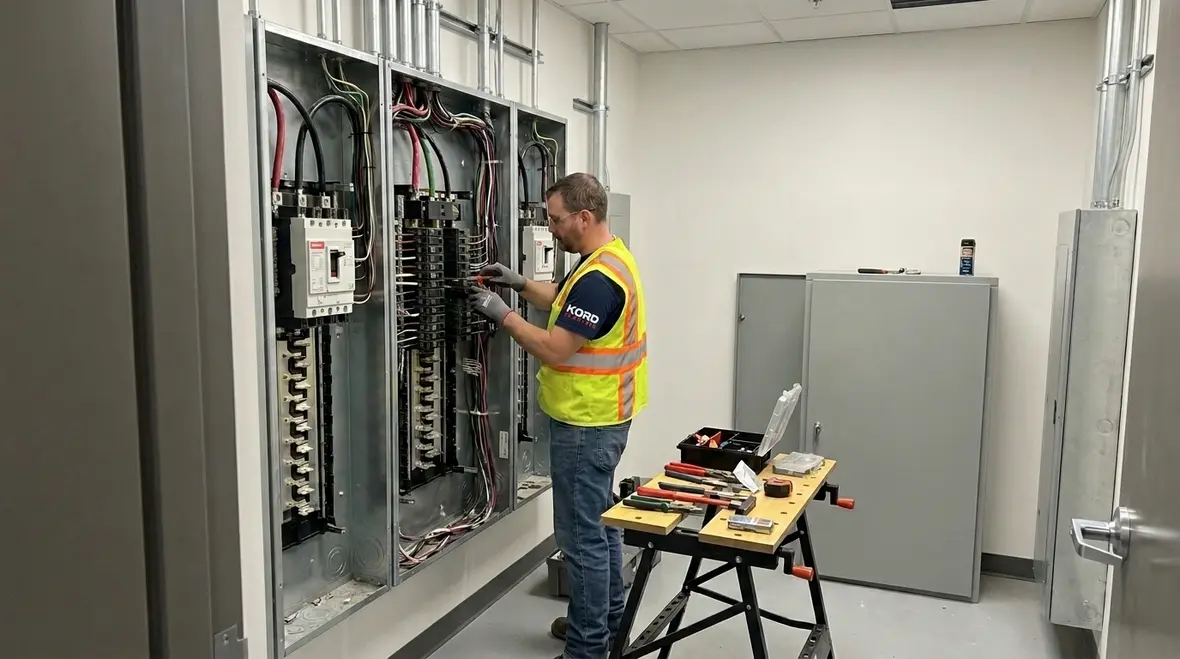
After that, we coordinate installation. Many commercial operations cannot pause for long. Therefore, we plan sequencing, verify shutdown windows, and confirm testing after work completes.
Our team also labels and documents circuits so facility staff can operate with clarity. That matters because good maintenance starts with good information, not a scavenger hunt inside a metal box.
And yes, we understand that “upgrading a panel” sounds like a simple line item. In reality, it is a system change. So we treat it like one.
Questions Owners Should Ask Before Approving Work
When an owner or facility manager considers a panel upgrade, they usually want answers fast, without fluff. Our technicians encourage questions that clarify scope, safety, and impact. Here are the points we recommend asking before you approve any work.
- What parts of the service need replacement, and what can remain?
- How will you confirm capacity for current and future loads?
- What is the plan to limit downtime during installation and testing?
- Will you address grounding, bonding, and labeling as part of the upgrade?
- How do you test after the upgrade, and what results will you provide?
- What follow up maintenance do you recommend to prevent recurring issues?
Because our goal is not just to install new equipment. It is to help your facility run with fewer problems, better safety, and a system that supports your business. In short, we help others avoid the “we upgraded it, so why is it still acting strange?” situation.
FAQ: Electrical Panel Upgrade for Commercial and Industrial Buildings
Serving Your Site With Long Term Electrical Reliability
At Kord Electric, we help facility owners act early, because waiting often turns small warning signs into major downtime. Our technicians and expert service staff inspect, measure, and plan a complete electrical panel upgrade based on your load demands, safety needs, and operational realities. If your panel shows heat, crowding, aging components, or repeated breaker issues, do not shrug and move on like it is a minor inconvenience. Contact us today to schedule an on site evaluation and get a clear plan you can trust.
In many cases, a panel project is also the right moment to step back and look at the wider electrical system: feeders, branch circuits, and aging conductors that have been quietly carrying more than they were ever designed to handle. When facilities start asking bigger questions about infrastructure health, Kord Electric often pairs panel work with insights from their rewiring cost guide for commercial electrical systems, helping owners decide when strategic rewiring or targeted upgrades will support long term reliability.
If you are planning broader improvements, from new lighting layouts to EV charging or process upgrades, it is worth coordinating those changes with your panel strategy. Kord Electric’s dedicated electrical preventive maintenance service programs and core offerings for commercial and industrial electrical services are built to keep upgraded systems running the way they were designed—quietly, safely, and without surprise shutdowns.