2020 NEC Electrical Safety for Commercial Buildings
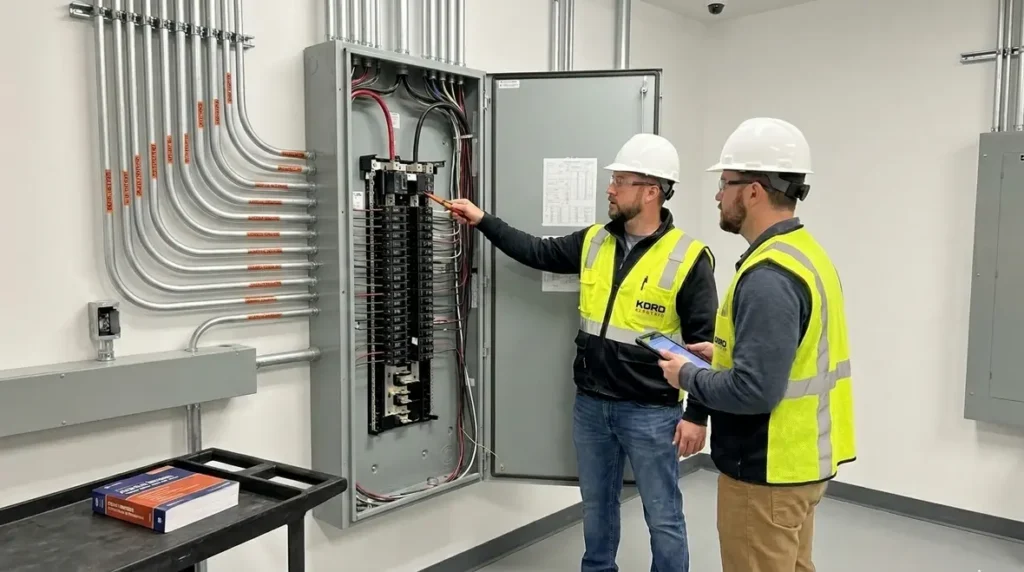
In 2020, the NEC changed how the electrical industry thinks about safety in buildings, and for commercial and industrial facilities that shift mattered. With the updated 2020 NEC electrical safety requirements, we now see clearer rules for fault protection, better treatment of grounded systems, and more attention to how wiring and equipment behave over time. Kord Electric built our safety approach around those changes, and we apply them where they count most: major property buildings, warehouses, offices, and industrial spaces that can not afford “good enough.” Now, we explain what changed, why it matters, and how our technicians translate code into real-world electrical safety you can trust. And yes, we will keep it practical, because nobody wants an electrical inspection that feels like a surprise pop quiz.
What changed in the 2020 NEC for real building risk
Code updates do not land in the real world by accident. First, the 2020 NEC electrical safety changes responded to recurring failure patterns seen in the field. Then, it tightened how installers design protection so hazards get detected earlier and faults do less damage before systems shut down. In other words, the code moved from “cover the basics” toward “reduce the chance of a problem growing teeth.”
At Kord Electric, we help facility owners and facility managers understand the effect on day-to-day operations. Our technicians and expert service staff take time to explain how requirements influence system behavior. For example, a facility might have wiring and protective devices that still “work,” but their protection settings and grounding details might not meet the new expectations. So, even if the building passes a quick glance, the risk picture can still be wrong when something changes, like a new process line or an equipment upgrade.

Those changes also connect directly to how modern facilities think about risk. When large properties run around the clock, a single poorly protected fault can cascade from a “small” incident into extended downtime, equipment loss, or worse. That is why Kord Electric often pairs code-focused upgrades with broader reliability planning, such as structured commercial and industrial electrical maintenance plans that keep systems aligned with evolving loads and code expectations over time. Hidden issues stay smaller when maintenance and 2020 NEC electrical safety strategy move together.
Arc fault and shock protection rules that affect commercial spaces
Commercial and industrial facilities often have a mix of lighting, receptacles, motors, panels, and controls in dense layouts. As a result, shock risk and arc fault risk become issues that show up during maintenance, tenant improvements, and equipment replacement. The 2020 NEC electrical safety updates pushed designers and contractors to focus more carefully on how these systems protect people and property under fault conditions.
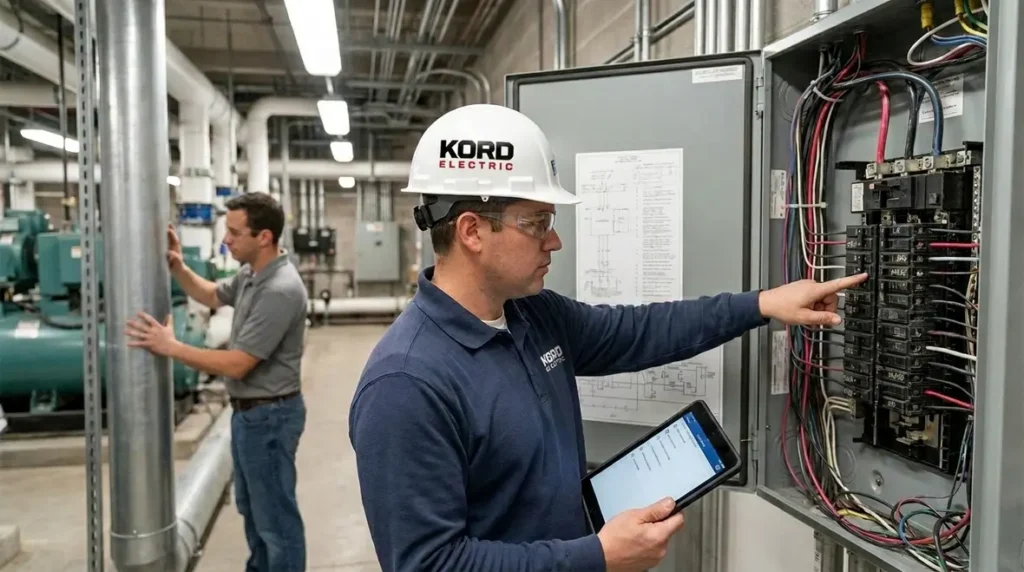
Our expert service team frequently sees the same theme during site visits. People assume protection exists because a breaker trips sometimes. However, protective devices have to trip fast enough and under the right conditions, and they have to match the wiring and equipment they protect. Therefore, when we review existing systems, we do not just check labels. We examine the protective pathway: conductors, termination quality, device compatibility, and grounding continuity. And when we discuss upgrades, we explain the logic plainly so the decision makes sense, not just because “the code says so.”
As a light joke, electricians and inspectors both hate surprises. But the difference is that inspectors get to laugh in the report, while the facility pays for surprises later.
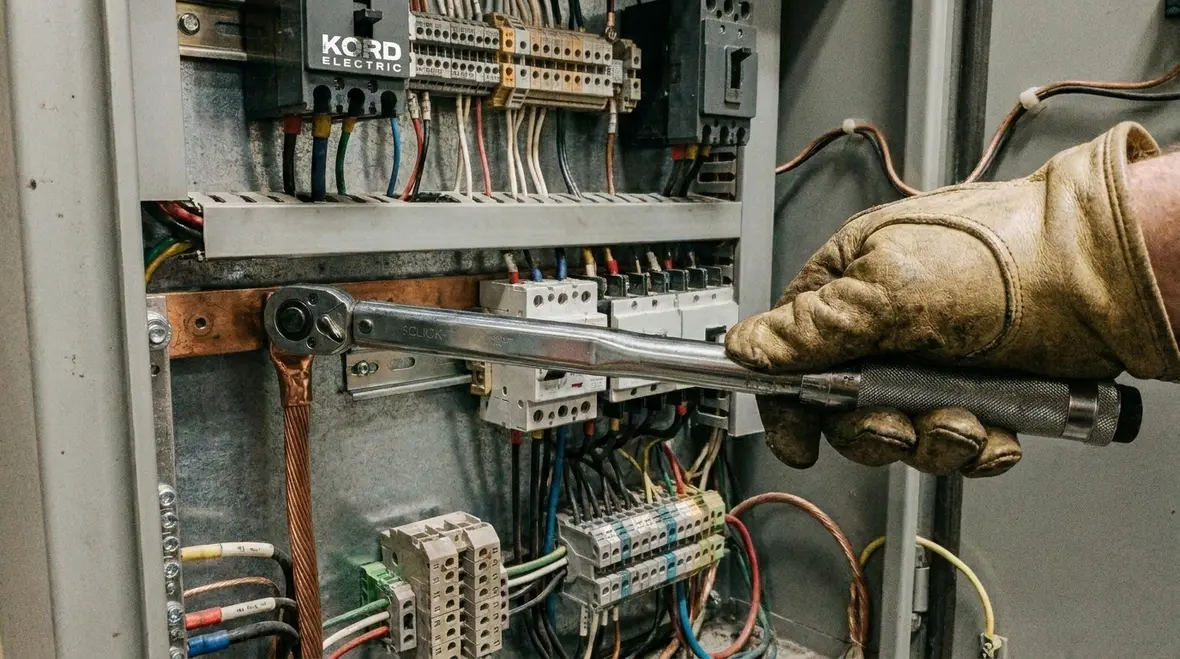
In many of those same facilities, voltage swings and nuisance trips show up long before anyone mentions the 2020 NEC by name. Teams see flickering lights, sensitive machinery rebooting, or equipment that seems to misbehave at random. That is where targeted services like voltage fluctuation diagnostics for commercial and industrial buildings can work hand-in-hand with 2020 NEC electrical safety reviews. Together they close the gap between “devices that technically trip” and systems that truly protect.
How grounding, bonding, and system integrity got more attention
Proper grounding and bonding protect people and equipment by stabilizing system voltages and providing safe fault current paths. Yet these details can become messy in older buildings, especially where renovations occur in phases. In such cases, older cable runs meet newer equipment, and then someone adds “just one more panel.” That is how good systems drift into uncertain ones.
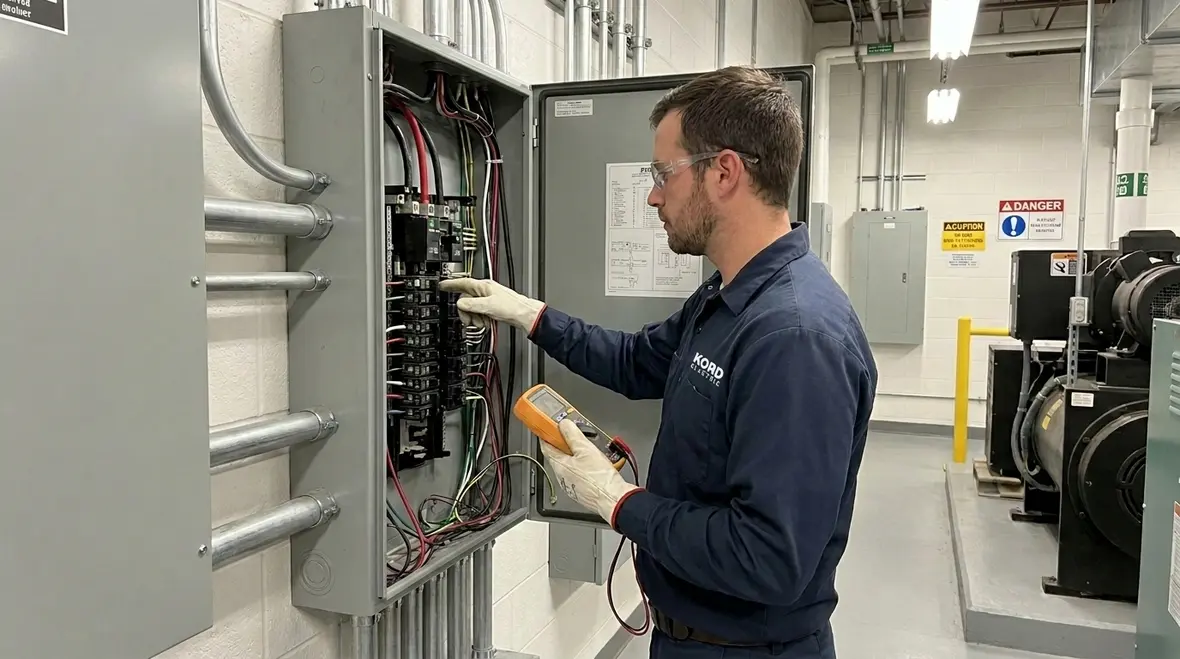
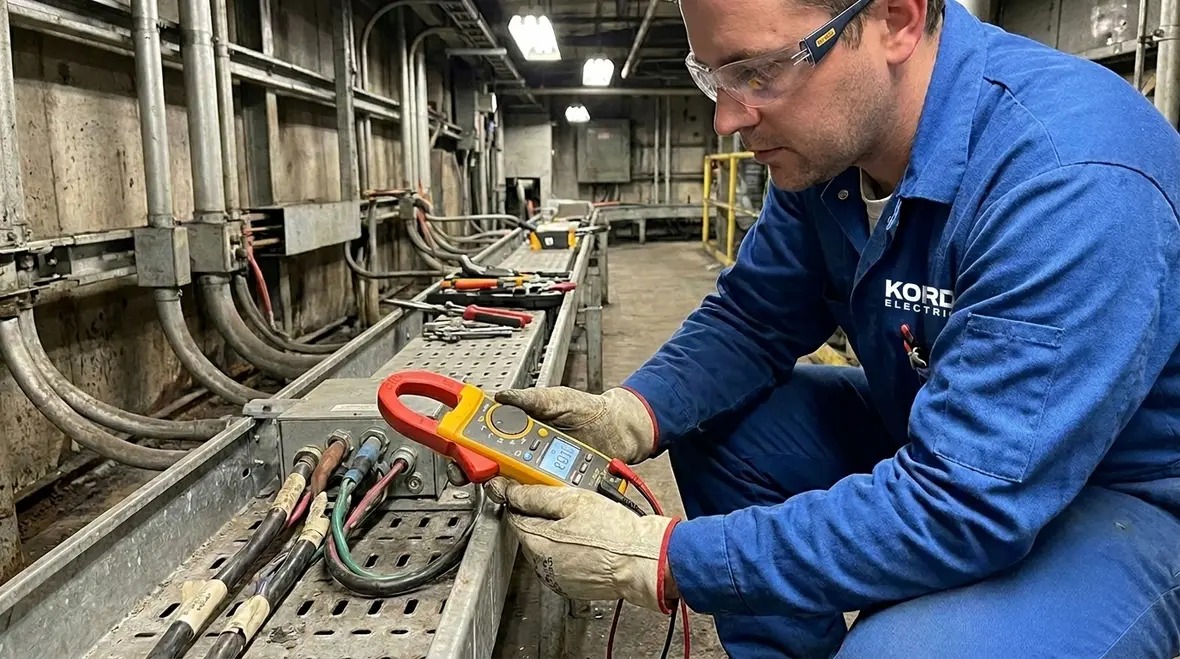
So the 2020 NEC electrical safety approach emphasizes the integrity of grounding and bonding so fault current flows as intended. Our technicians take a methodical path. First, we trace connections and verify continuity where it counts. Then we examine bonding points and ensure they align with the design intent for the facility’s systems. Finally, we confirm that protective devices and equipment grounding conductors still behave as a coordinated system.
When our team explains this, we do it in plain terms. We say, in effect: your grounding system is the building’s safety net. If the net has holes, it still looks like a net until you actually fall.
When facility leaders want to see how those grounding and bonding details fit inside the bigger code picture, resources like Kord Electric’s guide on understanding NFPA 70 and the National Electrical Code provide helpful context. That high-level code perspective and the practical 2020 NEC electrical safety work in the field give commercial properties a more complete view of how their systems actually behave.
Neutral, conductor behavior, and the hidden load effects
Commercial and industrial buildings often run non linear loads like variable frequency drives, power supplies, and modern control systems. Over time, these loads can create conductor and neutral issues that do not always show up as obvious overheating during normal conditions. Then, when a facility adds equipment or changes operating schedules, the problem can worsen quietly.
That is why the 2020 NEC electrical safety updates reinforce how conductors and connections should be selected and evaluated for actual operating conditions. In the field, we see this show up as nuisance problems, repeated breaker trips, or irregular voltage conditions that feel like ghosts. Facility teams chase symptoms while the real cause sits inside conductor sizing assumptions and connection quality.
Kord Electric supports these facilities by performing targeted assessments and recommending safe adjustments. Our expert service staff walks the client through what we find, what it means, and what we can do without tearing the building apart. When needed, we plan upgrades around downtime windows, because we understand the business does not pause for an electrical lesson.
Sometimes those hidden load effects are one chapter in a bigger story of aging infrastructure. For buildings that are starting to wonder if their power system has simply outgrown its original design, a deeper look at whole-building upgrades such as a rewiring cost guide for commercial electrical systems can help clarify when it is time to move from patchwork fixes to long term solutions.
Summary of common compliance gaps we see in major property buildings
We do not treat code compliance like a box-checking exercise. Instead, we look for practical gaps that create safety risk or reduce the effectiveness of protective systems. Many compliance gaps come from renovation work, incomplete documentation, or equipment changes that occurred after the original installation.
In major property buildings, Kord Electric often finds recurring themes:
- Protective device mismatch where breaker type or settings do not align with the wiring and load behavior
- Grounding and bonding inconsistencies due to partial upgrades, tenant improvements, or replacement of components
- Connection quality issues at terminations and splices that can raise resistance and heat under load
- Load and neutral considerations that do not fully reflect modern equipment
- Documentation gaps where as built drawings do not match actual equipment
To keep this clear for facility teams, our technicians explain the “why” behind each gap. And then we propose next steps that support safe operations for commercial and industrial environments, not generic recommendations that ignore how your building actually runs.
For properties that want to stay ahead of those gaps instead of reacting to them during emergencies or inspections, Kord Electric’s electrical preventive maintenance services for commercial and industrial facilities offer a structured way to keep 2020 NEC electrical safety, reliability, and long term planning on the same page.
How our technicians translate code updates into safer electrical systems
Reading the code is one thing. Implementing it in live systems is another. Kord Electric focuses on that translation layer where safety either becomes real or stays on paper. Our technicians and expert service staff follow a disciplined approach that respects both the facility and the electrical design.
First, we evaluate the existing conditions. Next, we compare those conditions against the requirements reflected by the 2020 NEC electrical safety updates. Then we prioritize actions that reduce risk quickly while planning longer term improvements. We also coordinate with facility staff to minimize disruption, because a safe building should not cost you weeklong downtime.
Here is how we structure the work during a typical assessment:
| Phase | What we do |
| Field verification | We inspect, test, and trace key circuits to confirm how the building actually behaves |
| Safety mapping | We identify where the system relies on assumptions that no longer match current usage |
| Upgrade planning | We recommend changes that support compliance and safer operation in commercial and industrial facilities |
| Clear explanations | Our team walks through findings in business casual language so stakeholders can decide confidently |
If this sounds like we are taking the extra step, we are. And for good reason. Electrical safety does not improve when people “assume” the system is fine.
In data-heavy environments, for example, that translation from NEC language to system behavior directly affects uptime. When Kord Electric helps design and maintain electrical distribution for data centers, the 2020 NEC electrical safety rules become the backbone of how those facilities ride through faults, maintenance windows, and growth without sacrificing reliability.
FAQ on the 2020 NEC electrical safety updates
Book a safety review with Kord Electric
If you manage a major property, office, warehouse, or industrial facility, you need electrical safety that holds up under real operating conditions. Kord Electric helps your team understand 2020 NEC electrical safety changes and apply them through practical inspections, clear explanations, and targeted upgrades. Our technicians and expert service staff move at the pace your facility can support, with business focused planning and safety-first decisions. Contact us today to schedule a review and keep your electrical systems out of the “maybe it is fine” category.
When you are ready to put a full program behind that review, Kord Electric’s electrical preventive maintenance services give you a structured path to keep panels, conductors, grounding, and protective devices aligned with 2020 NEC electrical safety over the long term. For facilities planning specific projects—such as lighting upgrades, commercial kitchen improvements, or new EV charging—related services like lighting installation for commercial and industrial spaces and EV charger installation can be integrated into the same safety-first plan so your building grows without outgrowing its electrical protection.