Advanced Load Management for Commercial Subpanels
In modern commercial buildings, subpanels quietly carry more responsibility every year. New tenants move in, production lines expand, and “temporary” circuits become permanent residents. Without the right planning, that growth turns neat panel schedules into a maze of mystery breakers and last-minute fixes. Advanced load management for commercial electrical subpanels is how you keep that from happening. It is not just about adding more breakers or upsizing a feeder. It is about understanding how your loads behave, when they peak, and how to guide that demand so the panel stays calm even as the building gets busier.
At Kord Electric, we treat every subpanel like a story in progress. The goal is simple: protect capacity, avoid surprises, and give facility teams clear, practical information they can actually use. Below, we walk through commercial subpanel load management tips, audit strategies, protection settings, operational controls, and upgrade paths designed for real commercial life—not textbook theory.
Advanced load management for growing commercial electrical subpanels
At Kord Electric, we start by looking at the load story before anyone plugs in the next piece of equipment. In the first steps, we apply commercial subpanel load management tips that prevent surprises: we identify every major circuit, group loads by cycle and duty, plan for growth, then set sensible limits and protection so the panel stays calm as demand climbs. Next, we review historical usage and future tenant or equipment changes, because today’s peak becomes tomorrow’s standard. Finally, we document what we find and explain it in plain language, so facility teams can make decisions without guessing. And yes, we do it with the patience of a wise guide and the timing of a sitcom—because electrical upgrades should not feel like a cliffhanger.
What advanced load management actually solves in subpanels
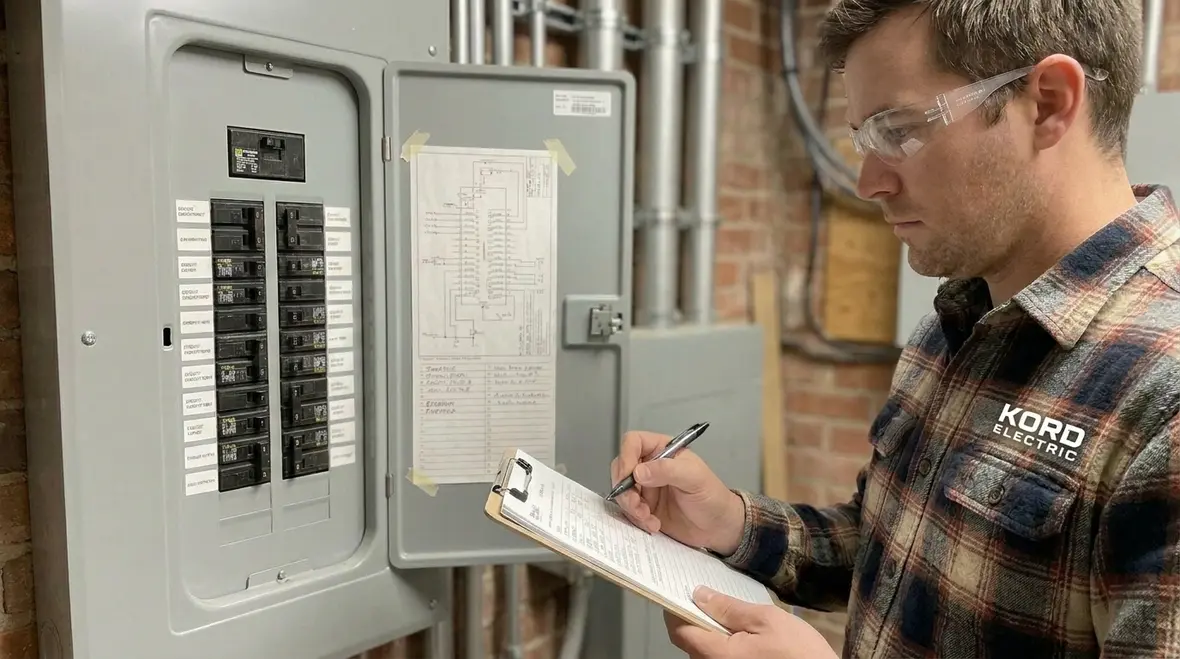
When a facility grows, the subpanel stops being a tidy endpoint and starts behaving like a crowded highway. Loads increase, new circuits get added, and demand patterns shift. As a result, the panel can run hot, breakers can nuisance trip, voltage can sag under heavy motor starts, and staff end up troubleshooting problems that should have been prevented. Advanced load management tackles these issues early by controlling how power is distributed and how demand is allowed to rise.
Instead of simply adding capacity and hoping for the best, we plan for the way commercial systems behave. For example, HVAC, refrigeration, conveyors, pumps, elevators, and after hours lighting do not all peak at the same moment. Therefore, we focus on diversity, ramp rates, and staging so the subpanel can handle real operation, not just nameplate values. Our technicians and expert service staff walk the team through the findings step by step, and we make sure the explanation matches how building operations actually run. After all, if we cannot explain it, it is not ready for your facility.
In many large properties, we also see hidden stresses that grow over time: new tenants tie into “spare” breakers, controls get updated without revisiting load calculations, and temporary equipment becomes semi permanent. Systematic load management resets that drift. It gives you a clear baseline for what each subpanel can handle, where you have room, and where the next upgrade should land instead of leaving it all to guesswork.
How we audit loads without guessing
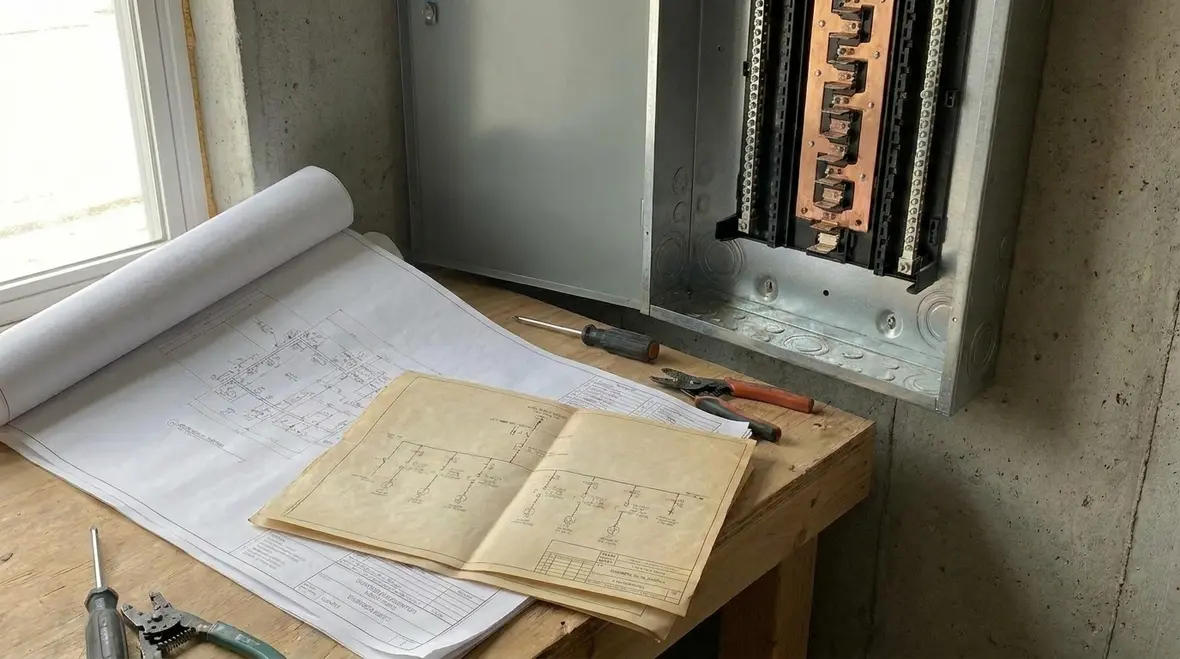
We begin with a structured load audit. First, our team collects panel schedules, as built drawings, one line diagrams, and breaker labeling details. Then we map circuits to the real equipment that drives demand. However, paper schedules often drift from reality, especially in major property buildings where upgrades happen in phases. So we verify with on site measurements and operational observations, then we build a practical load model.
Next, we separate loads into groups by behavior: continuous loads like refrigeration and controls, variable loads like lighting during occupancy shifts, and intermittent high inrush loads like motors and compressors. Inrush matters because a motor start can pull several times its running current for a brief moment. Consequently, a subpanel can appear sized correctly for steady state while still struggling at startup events. We also check phase balance and neutral loading, because uneven distribution can create overheating and unexpected breaker trips.
At Kord Electric, our technicians do not just hand over a report. We review the model with the facility manager, explain what each load group means, and show how the results change with realistic operating conditions. That way, others can plan upgrades with confidence, not with vibes and duct tape.
For facilities with complex operations or previous issues, we often pair this audit with structured inspection and maintenance programs similar to those described in our commercial and industrial electrical maintenance plans. That combination turns a one time snapshot into an ongoing, living picture of how your subpanels behave over seasons, tenant cycles, and production changes.
Design strategies that keep room for growth
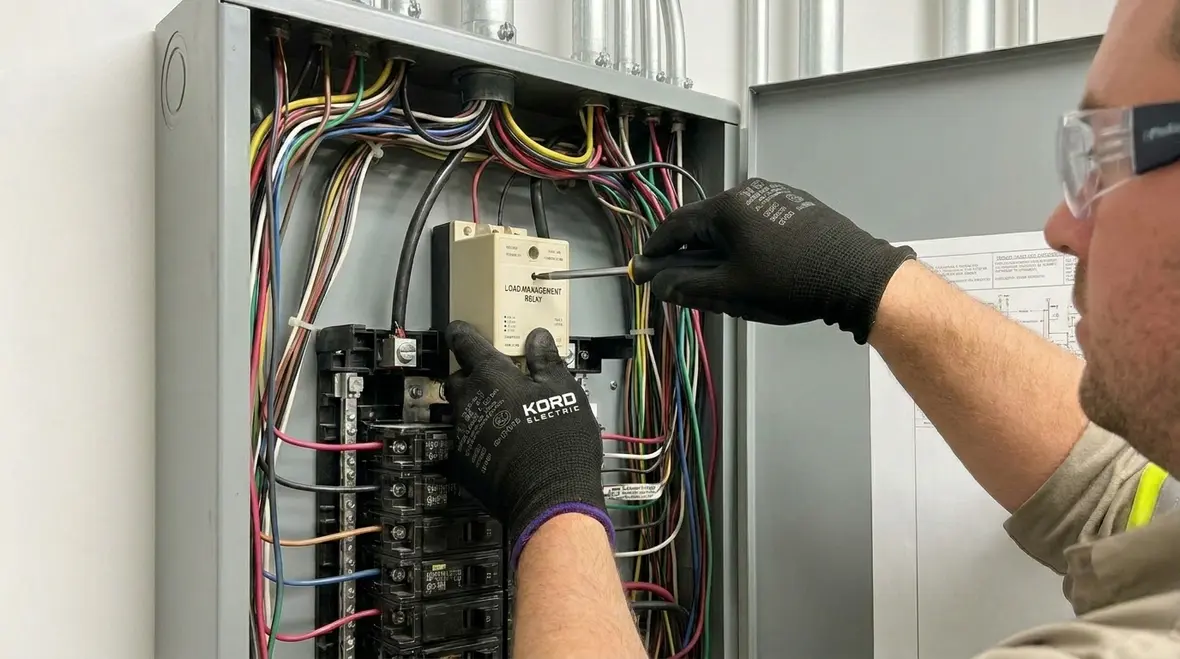
After the audit, we use practical engineering strategies that support growth in commercial electrical subpanels. One key step is capacity planning with a buffer that respects both present and future demand. We also account for growth in tenants, after hours operations, and likely equipment replacements during the next building cycle.
We then focus on circuit organization. By grouping loads with similar timing and duty cycles, we avoid stacking high demand events on the same sections of the bus. Moreover, we use staged switching approaches where appropriate, so equipment comes online in a planned sequence rather than all at once. This reduces peak stress and improves stability when the building transitions modes, like morning warmup or reopening after a weekend shutdown.
We also evaluate panel architecture. When a subpanel uses older layouts or limited bus space, expansion options can become expensive and disruptive. Therefore, we consider busbar capacity, thermal ratings, breaker types, and conductor sizing. In some cases, smart load controls or demand responsive approaches help manage peaks without overbuilding every component. In other cases, the right move is a targeted panel upgrade that preserves future add on capacity. Either way, our goal is to extend equipment life and reduce downtime.
And yes, we sometimes remove the “cowboy expansion” patterns others inherit from previous projects. Not every panel deserves to live like a cluttered garage. If everything is always crammed in, nothing works when it matters.
For property teams mapping bigger retrofit projects, these strategies often tie directly into broader initiatives like whole building upgrades or rewiring programs. If you are planning a major renovation, pairing your subpanel strategy with the type of planning used in Kord Electric’s rewiring cost guide for commercial electrical systems helps keep budgets, schedules, and capacity planning aligned.
Coordination and protection settings that prevent nuisance trips
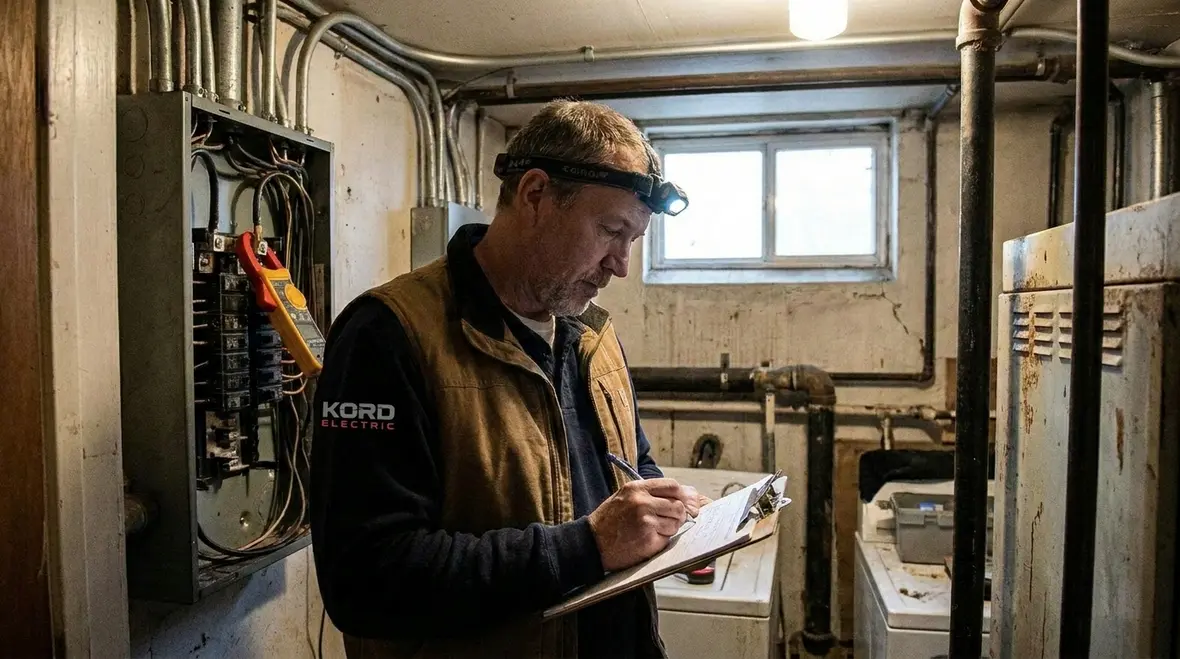
Load management is not only about watts and amps. It also depends on the way protection devices behave. As circuits grow, you can get nuisance trips, selective coordination issues, and uneven protection responses. That is why we focus on breaker coordination, time current curves, and settings where applicable.
First, we verify that overcurrent devices coordinate with upstream protection. If a subpanel breaker trips too quickly, staff lose power to loads that could have stayed online safely. If it trips too slowly, fault conditions can stress equipment and create safety risks. So we align protection steps so faults clear where they happen and remain localized.
Next, we examine thermal behavior. Panels have temperature rise limits under load. When loads rise faster than heat can dissipate, connections and bus sections can overheat. We check torque practices, verify connection integrity during service visits, and ensure the panel’s protective devices match the conductor sizes and expected load profiles.
Finally, we address power quality concerns that often appear as systems expand. Voltage drop under motor starts can cause controls to reset. Harmonics from variable frequency drives and other modern equipment can overheat neutrals or create control issues. Therefore, we evaluate what is installed, then we recommend fixes that fit commercial and industrial operations.
Our expert service staff explains these details in a grounded way, so the facility team understands why a setting change helps. We keep it calm and clear, because the only thing that should trip quickly is a breaker fault, not the entire building schedule.
When subpanels sit inside critical electrical rooms or support life safety systems, we also align our approaches with the maintenance discipline described in Kord Electric’s NFPA 70B electrical panels and switchgear maintenance guidance. That way, coordination and protection settings do not just look good during commissioning—they stay healthy across inspections, expansions, and code updates.
Operational controls and monitoring for real time decisions
Even a well designed subpanel needs real time awareness. That is where operational controls and monitoring come in. We help facilities establish rules for when high demand equipment starts, how loads stage during transitions, and how the system responds under peak conditions. In many commercial environments, this means coordinating schedules and using demand limiting strategies so the facility avoids system wide stress events.
We also support measurement approaches that make maintenance smarter. For example, we can help implement monitoring that tracks current on key feeders, identifies abnormal trends, and flags imbalanced phases. Then, instead of waiting for a problem to become an emergency, the facility can address drift early. It is the difference between fixing a slow leak and replacing a soaked ceiling, and one of those choices costs less.
To keep things usable, we translate what the data means. Our technicians explain how to interpret demand graphs, why a peak might shift after a schedule change, and how monitoring supports planning for future expansion. So facility teams can make decisions based on actual operation, not on the last time someone guessed what the building might do.
We also help others align monitoring with service workflows. That includes setting expectations for inspection intervals, labeling updates, and verification after tenant improvements. Since major property buildings see constant change, this step protects the value of the load management work.
For many organizations, this is where ongoing service programs and structured checkups become essential. Kord Electric’s dedicated electrical preventive maintenance services give facility teams a consistent rhythm for inspections, thermal imaging, documentation, and follow up. When combined with advanced subpanel monitoring, that rhythm turns into a feedback loop that keeps your load management plan sharp instead of letting it age quietly in a binder.
Upgrade paths that fit commercial schedules
Facilities do not always have unlimited downtime. Therefore, we plan upgrade paths with logistics in mind. First, we identify what can be done live and what must wait for a controlled outage. Then we design a step by step approach that reduces disruption to critical operations like HVAC, refrigeration, life safety loads, and production equipment.
When growth pressures increase, a common path involves adding capacity while preserving reliability. Sometimes we move specific loads to underutilized sections, upgrade bus components, or add new breaker positions with proper coordination. Other times we reconfigure feeder routing and labeling to reduce confusion and improve serviceability. In industrial settings, we also plan around motor starting demands so production uptime stays steady.
We also help the facility team communicate with stakeholders. We provide clear descriptions of the work, the expected impact, and the safety steps. Then our expert service staff supports the final checks, because a clean handoff matters. If your electrical system is the building’s heartbeat, we do not want to leave anyone guessing where the pulse is.
Depending on the scope, your subpanel strategy may also intersect with other projects such as solar integration, lighting retrofits, or emergency power upgrades. When panels support renewable sources or backup generation, the type of coordination covered in Kord Electric’s commercial solar panel electrical integration guide helps ensure that new sources of power play nicely with existing infrastructure instead of overwhelming a subpanel that was never designed for them.
FAQ
Ready to protect capacity as your building grows?
If your facility keeps adding equipment, tenants, or operating hours, you cannot afford to manage power like it is still “temporary.” Kord Electric will audit your commercial electrical subpanels, map loads accurately, and design a plan that supports growth without chaos. Then our technicians and expert service staff walk your team through the recommendations so everyone understands the why, not just the what. Call Kord Electric today to schedule a consult and turn peak stress into steady performance.
If you are also looking at broader reliability and uptime questions beyond your subpanels, Kord Electric’s dedicated electrical preventive maintenance services give you a structured, long term way to keep panels, switchgear, and distribution equipment healthy. Bringing advanced load management and preventive maintenance together is how major properties keep growth predictable instead of stressful.
For facility managers building a full roadmap of electrical reliability, you can also explore Kord Electric’s insights on hidden electrical risks in commercial buildings. Pairing that perspective with advanced load management for your subpanels helps ensure the parts of your system you cannot see stay just as controlled as the panelboards you walk past every day.