Electrical System Troubleshooting for Factory Downtime
Unplanned downtime in a factory does not announce itself with a polite email. It shows up as a sudden shutdown, a flickering line, or a motor that refuses to start right when production needs it most. At Kord Electric, we focus on electrical system troubleshooting for factories that rely on steady power, safe operation, and fast recovery. And we do it with a calm, disciplined approach that our clients can count on, even when the plant is not counting on anything except time.
In this guide, others often guess, swap parts, and hope. We prefer a method that our technicians and expert service staff can explain clearly, step by step. That means fewer surprises, faster fault isolation, and repairs that actually hold. Yes, we know, nobody wants “process” when things are already on fire. But process is exactly what keeps the fire from coming back tomorrow.
How we prevent unplanned shutdowns before they happen
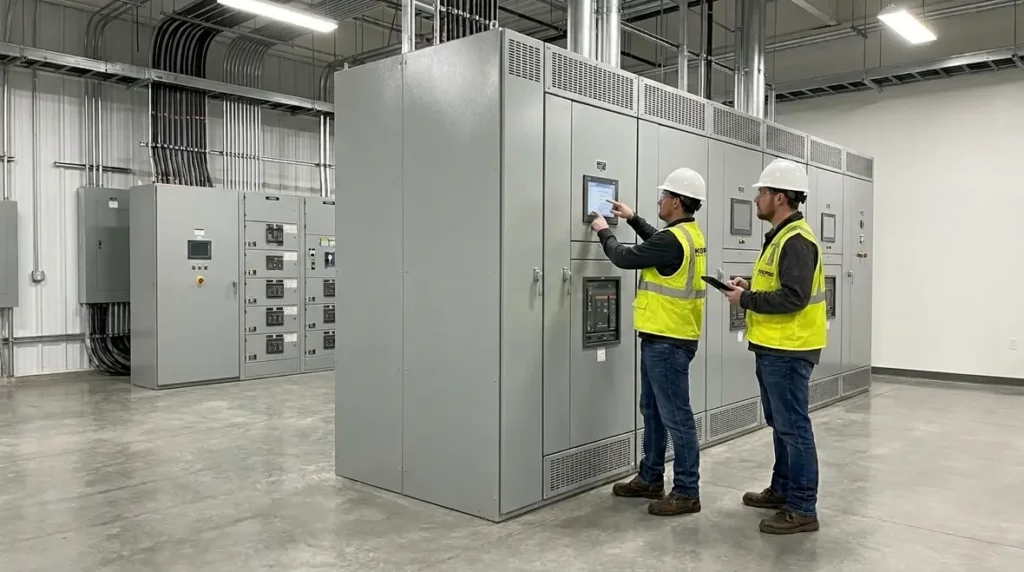
First, we treat downtime risk like a budget: it grows quietly until it becomes a crisis. Therefore, the best prevention starts with how a plant is operated and maintained, not only with how it is repaired after a failure. Our teams help industrial facilities map critical loads, review typical fault points, and confirm that protection devices behave the way the design intends.
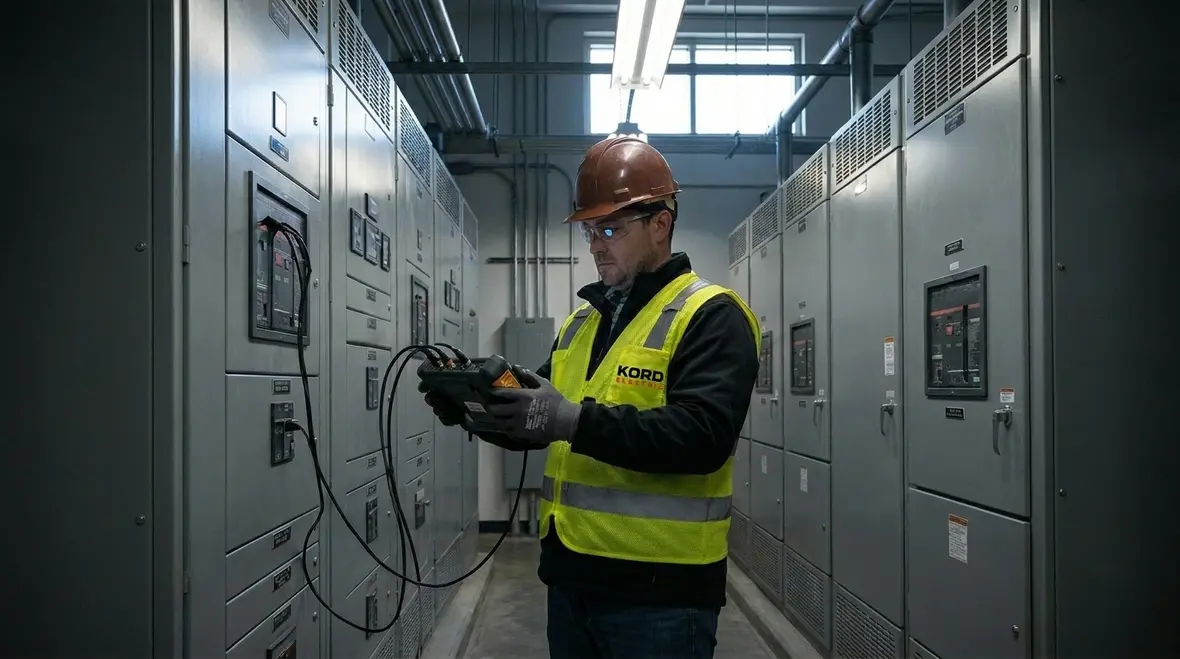
Then we build a routine that supports electrical reliability. For example, we verify incoming power quality, inspect key panels, and confirm that protective relays and breakers coordinate properly. When coordination fails, a small fault can escalate into a larger outage. Meanwhile, weak connections can create heat, heat creates damage, and damage creates the kind of problem that forces a “quick fix” that never stays quick.
Our technicians often explain this with a simple idea. If the electrical system is a city, protective devices are traffic rules. Without clear rules, an accident causes chaos. With proper rules, you localize the problem and keep the rest moving.
What factory electrical troubleshooting should follow during faults
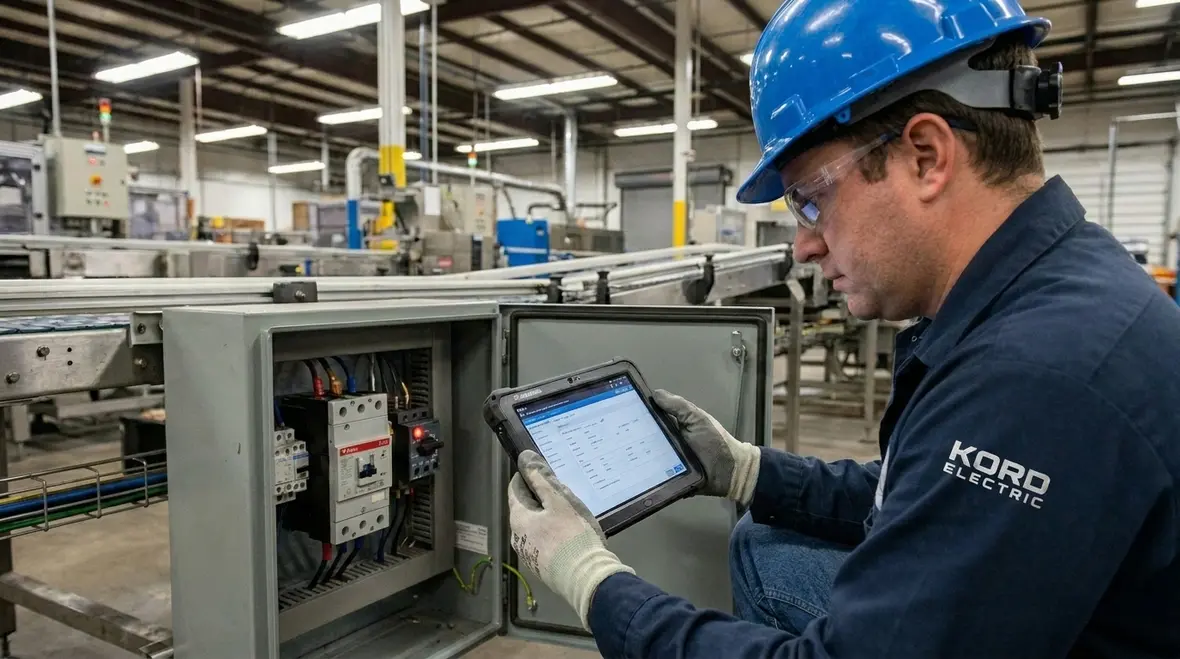
When a problem appears, we do not chase it blindly. Instead, we follow a sequence that saves time and keeps workers safe. We start by verifying the symptoms and capturing details. What changed before the outage? Which equipment tripped? Did the control system log alarms? Were there voltage dips, frequency changes, or audible signs like arcing?
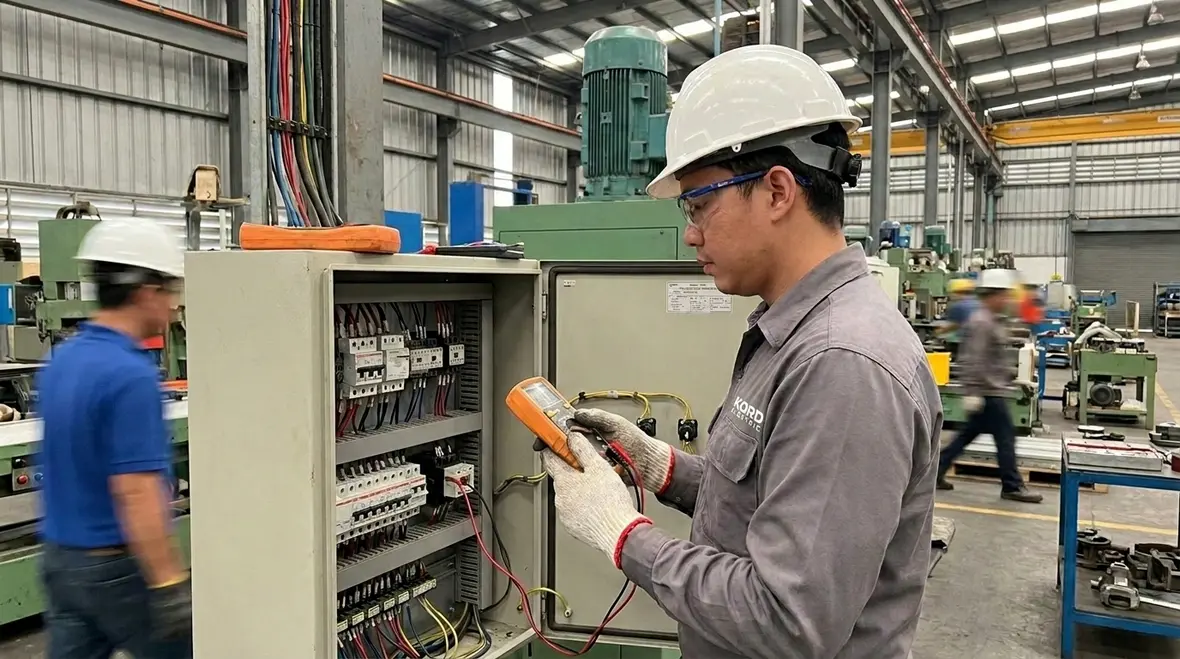
After that, we confirm basic conditions. We check phase balance, look for signs of overheating, and verify that control power and interlocks remain intact. Then we isolate the fault area by testing in a logical order, usually beginning upstream and moving downstream only after we confirm each step. This avoids the classic mistake of replacing a component that looks suspicious but sits downstream of the real failure.
In addition, our expert service staff uses documentation and site history. If a motor failed twice in the same location, the troubleshooting path changes. If breakers have a pattern of tripping during the same production shift, the cause may sit in load changes, harmonic distortion, or protective settings. And yes, sometimes it is as exciting as a loose termination. Loose connections love attention. They just do not perform.
Using power quality checks to reduce repeat outages
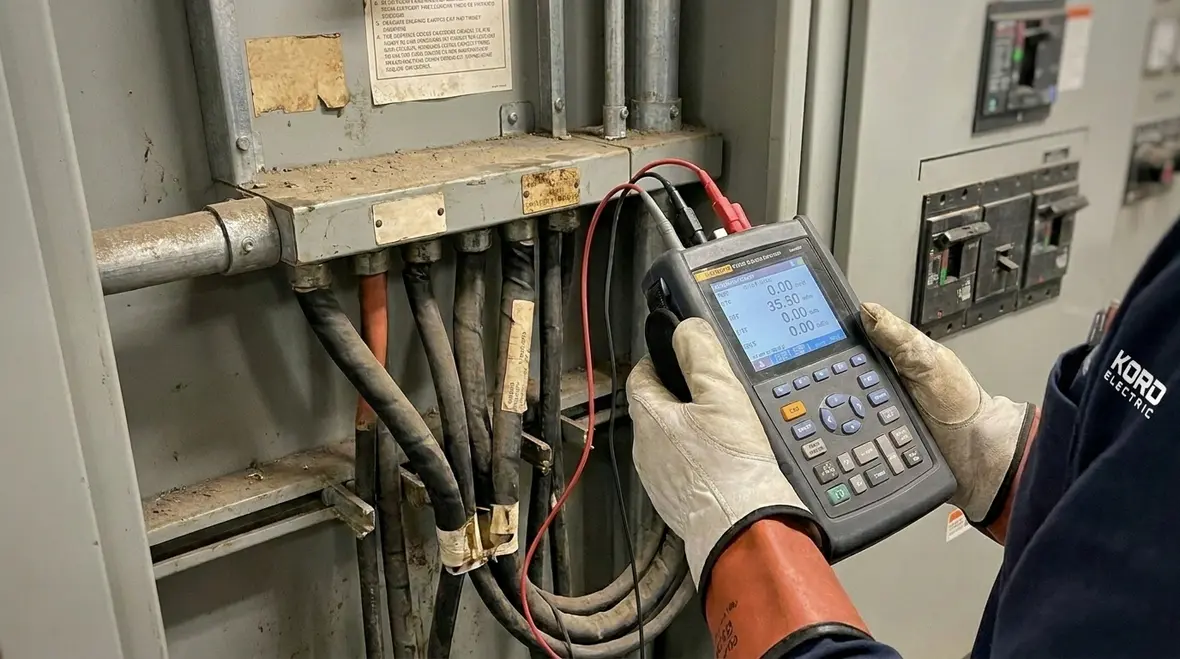
Many outage stories begin with power quality and then get blamed on “equipment age.” That is convenient, like blaming the coffee maker when the real problem is the power strip. We take a more precise path by performing electrical system troubleshooting for factories that includes power quality review when symptoms point to it.
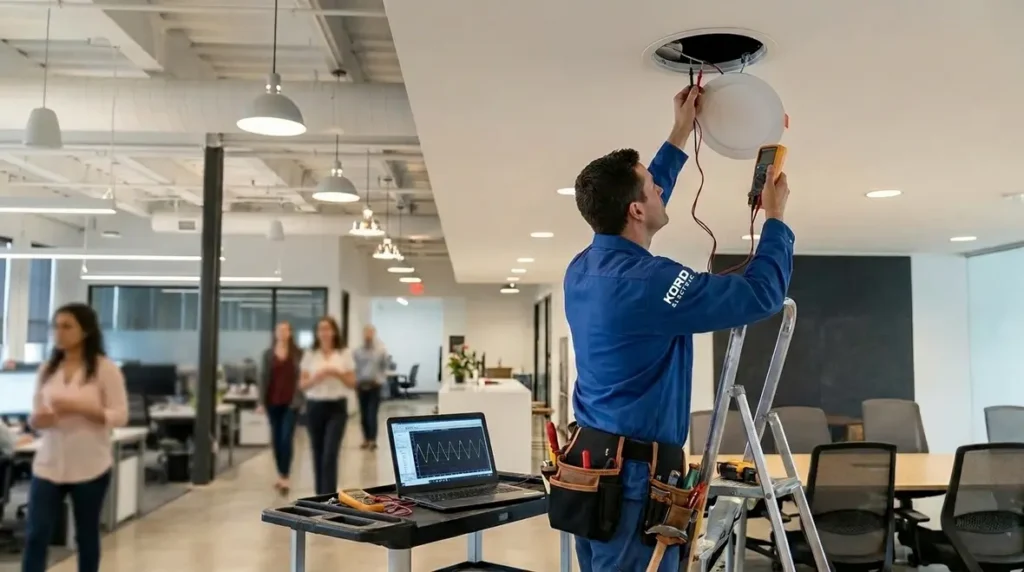
We look for voltage sag events, harmonic distortion, and unbalanced load conditions. These issues can stress drives, control circuits, and transformers, and they can cause nuisance tripping that breaks production rhythm. When harmonics rise, equipment can heat up faster, insulation can degrade sooner, and protective systems can act sooner than expected.
Our technicians then tie findings back to plant operation. For instance, if a process change introduced new equipment, that change might align with the fault schedule. If a shutdown happens after a batch starts or ends, the data can point toward inrush currents or switching transients. Finally, we recommend corrective actions such as tightening connections, updating protection coordination, or adjusting power monitoring.
For teams that want to go deeper into long-term reliability planning, this approach connects directly with structured programs like Kord Electric’s electrical preventive maintenance services, which are built to reduce unplanned outages across commercial and industrial facilities.
Protective devices and wiring: where failures hide
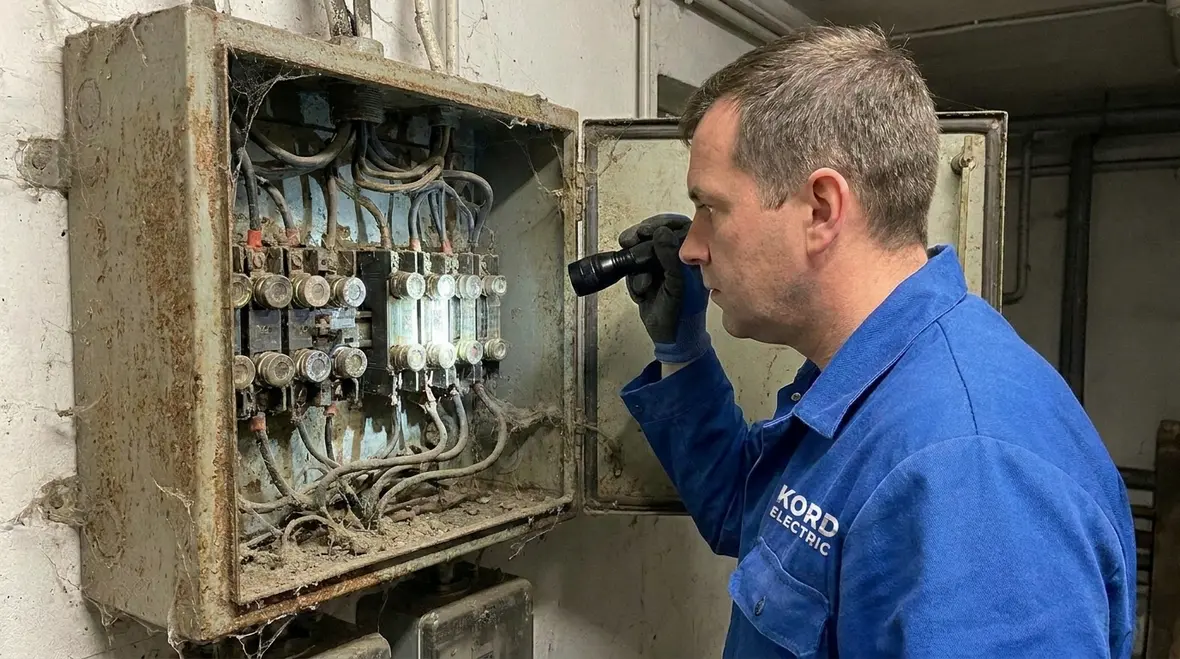
Protective devices are the difference between a short event and a long outage. However, many facilities rely on installed equipment without fully validating it after modifications or over time. At Kord Electric, we verify that breakers, fuses, relays, and ground systems work together. We also confirm that settings match actual load behavior and that coordination does what the design promised.
Wiring issues cause a surprising number of failures in commercial and industrial facilities. Corrosion, vibration, and moisture exposure can create high resistance at terminals. High resistance creates heat. Heat accelerates insulation breakdown. When that happens, the plant experiences intermittent faults that seem random until the pattern becomes clear.
Therefore, our technicians inspect terminations, inspect bus connections, and check grounding paths. We also confirm that cable sizing and routing support the expected current and environmental conditions. And when a site has multiple buildings or major property sections, we confirm that the distribution layout does not create unprotected critical paths. A plant does not need more “mystery trips.” It needs clean fault detection and clean fault isolation.
As we explain it in plain terms, imagine trying to hold a conversation through a wall of noise. That is what poor grounding and loose connections do to the system. The system may still work, but it will never work predictably.
Hidden issues in panels and switchgear are also exactly why standards-based care matters. For plants formalizing their maintenance, resources like Kord Electric’s guidance on NFPA 70B electrical panels and switchgear maintenance help align inspections, testing, and repairs with modern expectations.
Maintenance practices that keep critical lines stable
Preventive maintenance should not feel like random calendar filling. We guide facilities to maintain based on risk and failure history, focusing first on equipment that can stop production fast. That includes switchgear, motor control centers, critical transformers, and distribution panels feeding essential processes.
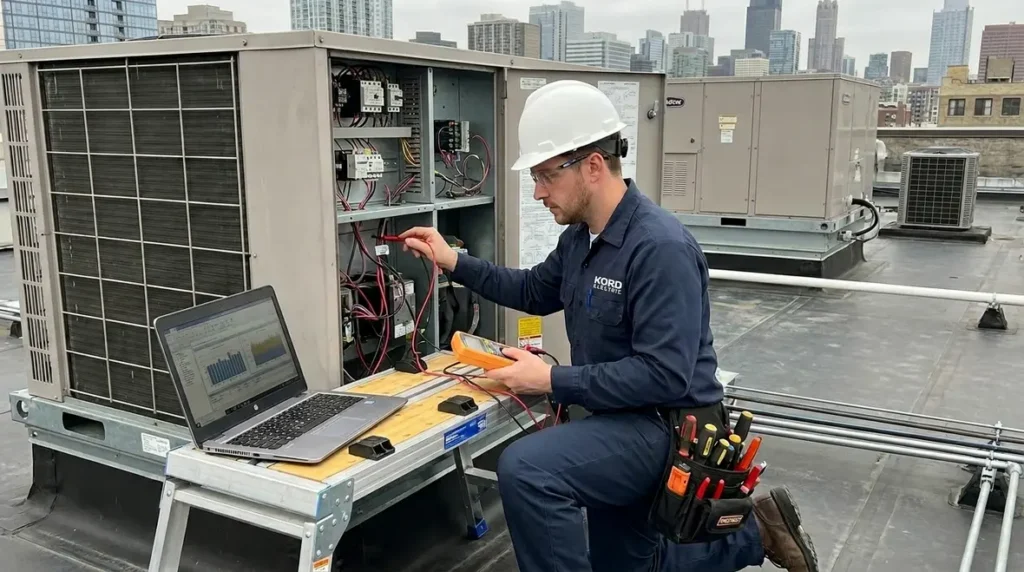
Our expert service staff helps build maintenance that includes visual inspection and targeted testing. Inspections catch obvious problems. Testing confirms what the eye cannot always see. For example, we may use IR scanning to locate overheating connections, verify insulation health where appropriate, and check control circuits for drift. When facilities follow through on these practices, we reduce surprises and keep protective schemes reliable.
Just as importantly, we coordinate maintenance windows with production plans. We help others schedule work so critical lines remain available, and we document findings so the next team can troubleshoot faster. Nobody wants to start at square one every time a new technician walks in. We want the next person to inherit clarity, not confusion.
And because industrial sites change, we also support electrical system troubleshooting for factories after upgrades. When new loads, drives, or systems go in, the entire electrical behavior can shift. We verify that protection, power quality, and distribution still match the updated reality.
For facilities building out a more formal strategy that covers both troubleshooting and prevention, Kord Electric’s article on commercial and industrial electrical maintenance plans offers additional ways to structure inspections, documentation, and upgrades.
Safety, documentation, and fast restoration
Safety must come first, especially in the middle of a failure. Our technicians follow controlled procedures for lockout and verification, and we confirm that testing methods match the voltage and environment. Then we document each step so the facility gains knowledge, not just a repaired result.
Documentation shortens future downtime. When we record fault signatures, protection trip details, and test outcomes, others can compare the next event against prior patterns. If a relay trips with the same signature twice, the path forward becomes clearer. If the fault is unique, documentation still helps isolate differences quickly.
After restoration, we focus on stabilization. We validate that equipment runs under normal load, we confirm that protective devices behave as expected, and we make sure the repair does not create a new risk elsewhere. Then we provide a plain-language explanation of what happened and why, so others at the facility understand how to reduce the chance of a repeat.
We also keep communication practical. Our team schedules updates that match the urgency on the floor. In other words, we do not send poetry. We send answers.
And when an unexpected outage escalates into a true emergency, this same mindset carries into Kord Electric’s dedicated emergency electrical services, which focus on stabilizing systems, restoring power safely, and protecting people and equipment.
Common FAQ from factory managers and facilities teams
Factory managers and facilities teams tend to ask similar questions when outages, nuisance trips, or intermittent faults begin to stack up. The answers below keep the focus on structured electrical system troubleshooting for factories, not guesswork.
Conclusion: let us harden your plant against downtime
Unplanned downtime costs more than money. It costs schedule, product quality, and confidence. Kord Electric helps commercial and industrial facilities prevent repeat failures with disciplined electrical system troubleshooting for factories, careful safety procedures, and clear explanations from our expert service staff. If you are seeing nuisance trips, intermittent faults, or shutdowns tied to production cycles, contact us. We will review your critical loads, support fault recovery, and help you build a maintenance plan that keeps the lights steady and the line moving.
If you want to align troubleshooting with a long-term reliability strategy, you can also explore Kord Electric’s dedicated electrical preventive maintenance programs, which are designed for commercial, industrial, and government facilities that need steady, predictable performance.
And for operations that cannot afford extended outages, keeping Kord Electric’s emergency electrical services close at hand ensures you have a trusted team ready to respond, stabilize, and restore power whenever an incident appears without warning.