Avoiding Electrical Fires in Commercial Buildings
How Kord Electric helps prevent electrical incidents in commercial buildings
A lot of business owners think electrical fires only happen after a rare “perfect storm.” Meanwhile, we know the reality is usually quieter and more preventable. Our proven strategies for avoiding electrical fires in business start long before flames ever show up on a news alert. We focus on the daily conditions that build risk: loose connections, overloaded circuits, water intrusion, poor labeling, and equipment that simply wears out. Then we back it up with inspections, testing, and clear maintenance plans that fit how commercial and industrial sites actually run.
Others might treat electrical safety like a fire drill that only matters when the alarm goes off. We treat it like fleet maintenance. If you inspect early, you avoid sudden downtime. And yes, we still love a good dramatic pause, but not when it comes to panelboards.
Risk mapping for commercial and industrial spaces
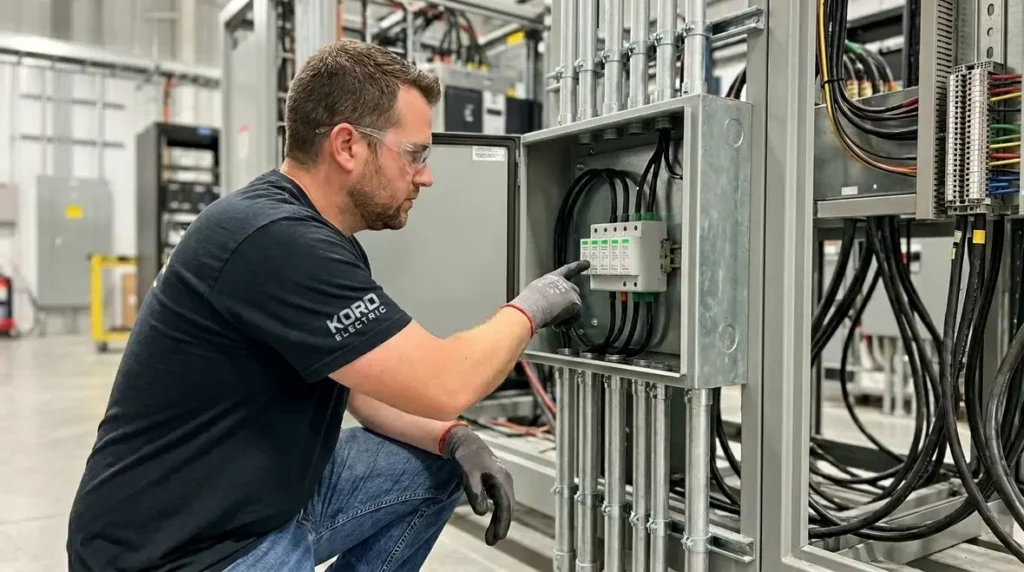
In commercial settings, risk does not sit in one place. It spreads across rooms, corridors, roof areas, and mechanical spaces. To help our clients, our team at Kord Electric begins by mapping hazards by zone and usage. We consider where power demand peaks, how equipment cycles, and how the building behaves during high occupancy or production shifts.
Next, we look at the “life story” of the system. We ask what changed recently, like tenant improvements, new equipment, or renovations. Then we verify whether the electrical system received the upgrades it needed. If a company adds refrigeration loads, EV charging, servers, or welders, the electrical system usually pays the bill later, unless someone catches the mismatch early.
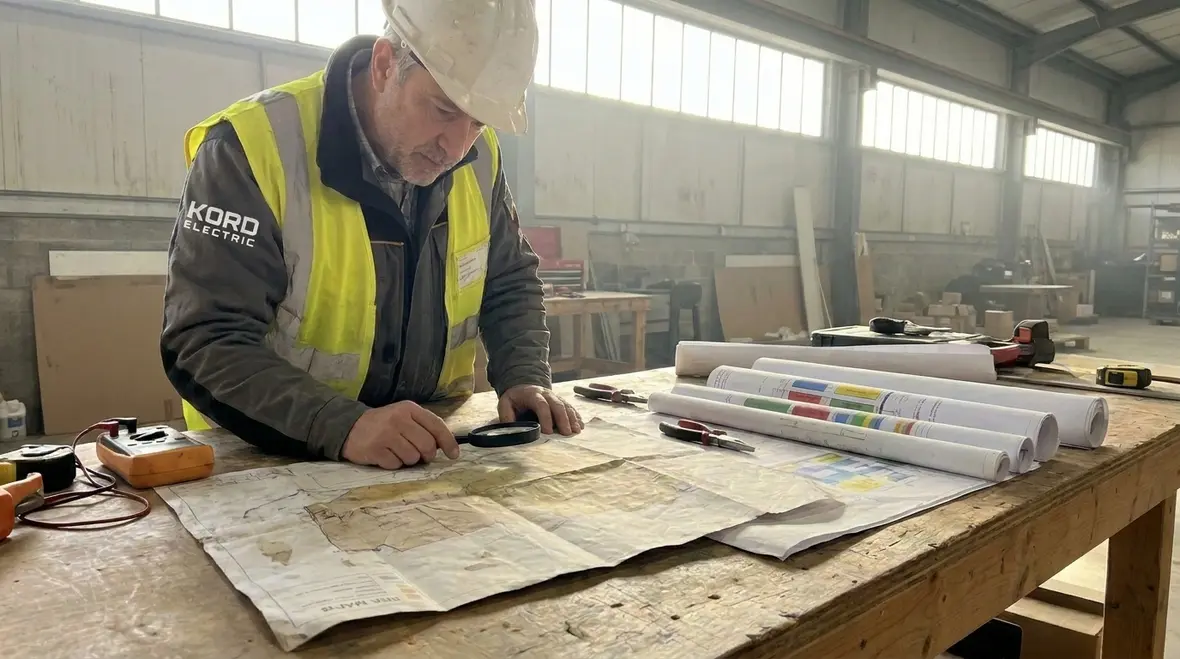
After that, our technicians and expert service staff explain what they found in plain language and with photos when helpful. That way, building managers and facility directors do not need to guess. They can plan budgets with facts instead of fear, and they can act before conditions drift into trouble.
Electrical fires start small: connections, heat, and moisture
Electrical fire events often begin with heat at a point of resistance. For example, a connection that loosens over time can run hotter under load. Over weeks and months, that heat can degrade insulation and leave nearby materials vulnerable.
Meanwhile, moisture adds a fast track to failure. Water intrusion in conduit runs, rooftop penetrations, or washdown areas can create tracking and corrosion. Also, condensation in poorly sealed enclosures can create repeating issues that look “mysterious” until testing reveals the pattern.
So what do we do? We inspect critical terminations, bus connections, and terminations in panels and switchgear. We check for signs of overheating like discoloration, melted insulation, and damaged bus bars. Then we test and verify loads and protections are matched to equipment needs. In many cases, you catch the problem before it becomes a story you read on your phone at 2:00 AM.

How we prevent overheating with proper load management
Overloaded circuits do not announce themselves politely. They often show up as nuisance alarms, tripped breakers, dim lighting, or equipment that runs “just a little” warmer than it should. Eventually, heat builds faster than protective devices can respond reliably.
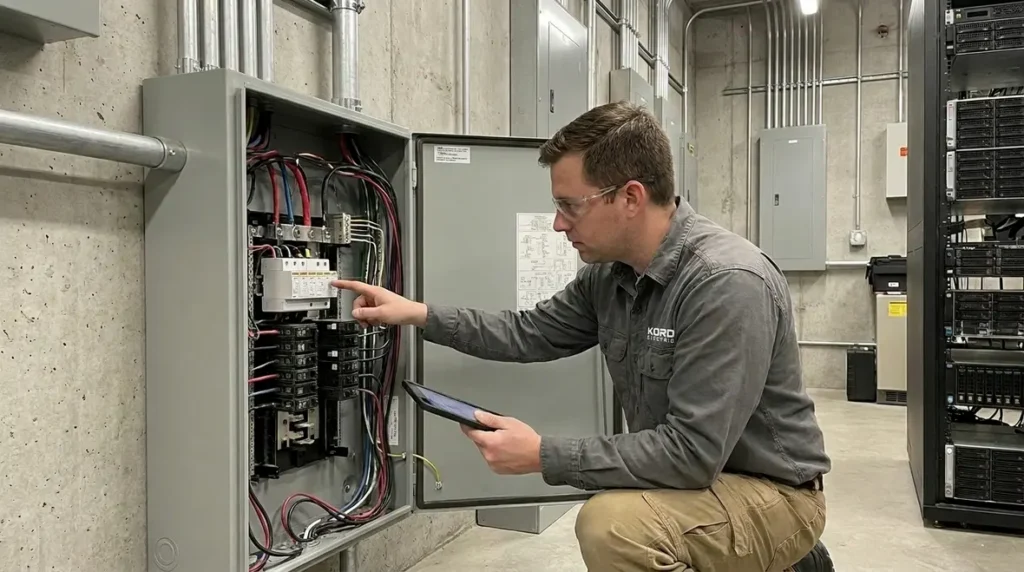
To reduce these risks, we help facilities build load awareness. We review single line diagrams, panel schedules, and device ratings. Then our electricians validate that conductors and breaker sizes match design intent. If a site has added loads, we help quantify current and adjust distribution so the system stays within safe operating ranges.
Then we go one step deeper. Our technicians explain how harmonics, shared neutrals, and poorly sized grounding can increase thermal stress. Instead of guessing, we use testing methods appropriate to the facility and equipment type. And because commercial operations hate downtime, we schedule work in a way that respects shifts, production cycles, and tenant needs.
Inspection and testing routines that actually catch problems
Inspections matter, but the best results come from consistent schedules and targeted testing. Kord Electric builds maintenance plans for commercial and industrial facilities based on risk level, system age, and operating conditions. For a deeper dive into how structured programs support uptime, many facility managers also review Kord Electric’s Commercial and Industrial Electrical Maintenance Plans, which expand on long term reliability strategies for large properties.
For example, we help clients reduce the chance of hidden failures by adding checks for common trouble points, including:
- Panel and switchgear inspection with emphasis on terminations and bus connections
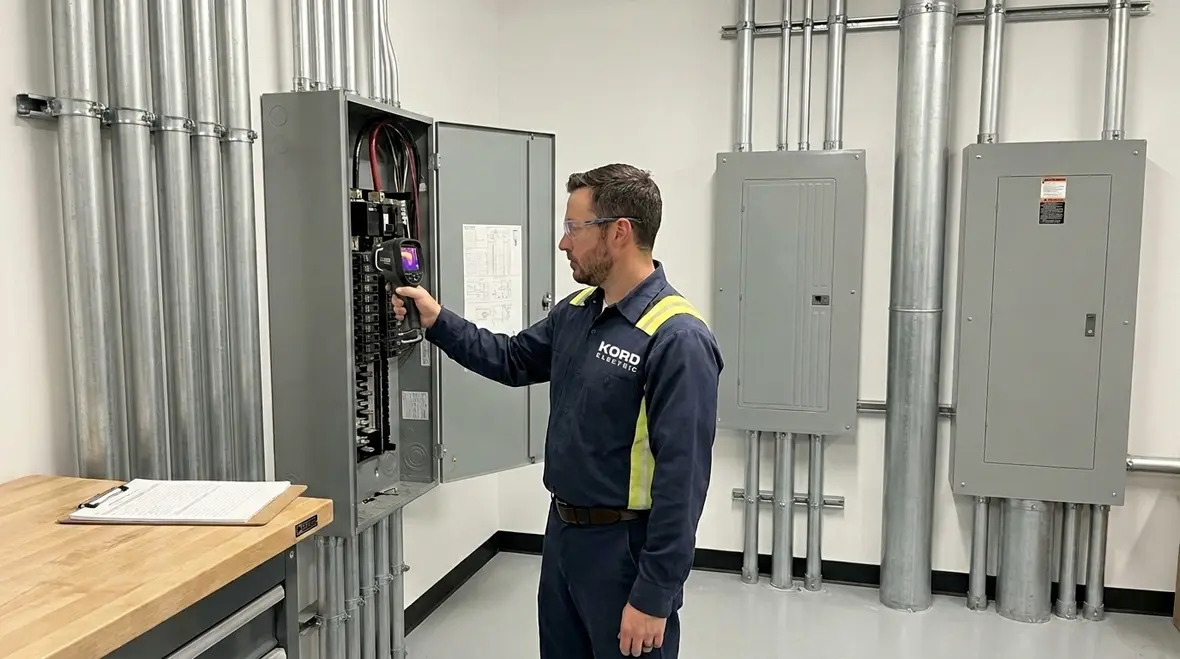
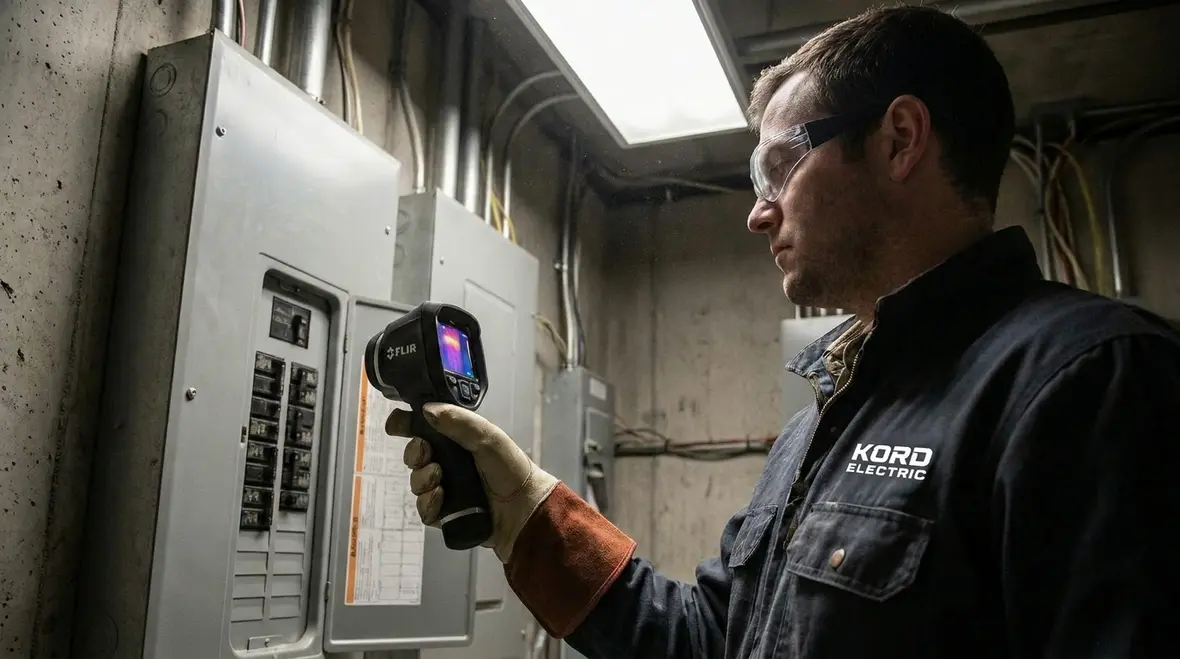
- Thermal imaging surveys where conditions support safe and useful results
- Verification of protective device settings and coordination
- Grounding and bonding checks for stable fault protection
- Moisture and ingress evaluation for outdoor and wet rated areas
After testing, our expert service staff communicates findings with clear next steps. We do not overwhelm teams with jargon. We focus on what needs attention, why it matters, and how to fix it. Also, we help facilities document work so inspections and audits become easier, not harder.
And yes, sometimes we find issues that look fine at first glance. That is the whole point. Electrical problems often hide like a celebrity in a hat. You only spot them when you look the right way.
Safer upgrades: better protection, better labeling, better habits
When facilities upgrade electrical components, they should not treat it like a casual DIY project. Commercial and industrial buildings run on reliability. So we recommend safer upgrade paths that improve protection and reduce the chance of repeat failures.
First, we focus on protection that matches real conditions. That can include updated breakers, proper surge protection, and correct ground fault protection where required by environment and equipment use. Then we improve labeling so maintenance teams can identify circuits quickly. Mislabeling leads to risky troubleshooting and accidental overloads. We help ensure documentation stays aligned with what is installed.
Next, we support safe handling habits. Our technicians coach facility teams on simple practices like keeping panels unobstructed, controlling dust and debris buildup, and reporting recurring breaker trips instead of resetting the same breaker and moving on.
Finally, we help clients plan staged work. If a major property has multiple tenants or operating floors, we coordinate so electrical upgrades do not disrupt critical services. In other words, we make sure the lights stay on while the risk level drops.
Emergency readiness: what to do before the incident happens
Even with the best prevention, facilities still need preparedness. When something goes wrong, the response should be fast, calm, and informed. We encourage commercial and industrial clients to create an emergency plan for electrical events that includes safe shutdown steps and clear responsibilities.
Additionally, we help teams understand the right way to respond to smoke, burning smells, or repeatedly tripping protection. Resetting breakers without investigation can turn a small fault into a bigger one. Instead, our expert service staff advises identifying the source and checking connections, terminations, and affected equipment first.
We also support coordination with fire safety and facility leadership. When people understand how the electrical system is laid out, they can respond without guesswork. And when your team has a plan, nobody panics like they just spilled soda on a laptop during a presentation.
FAQ: Avoiding electrical fire risk in commercial facilities
When Kord Electric is your next move for safer power
Commercial and industrial facilities deserve electrical systems that stay dependable under real operating pressure. Kord Electric delivers risk mapping, inspections, and testing that help our clients avoid overheating, loose connections, moisture problems, and overloaded circuits. Then our technicians explain findings clearly, so teams can plan repairs and upgrades with confidence. If you want practical help preventing avoiding electrical fires in business problems before they escalate, contact Kord Electric today to schedule an assessment for your property.
If your facility is ready to go further with structured maintenance, Kord Electric’s dedicated Electrical Preventive Maintenance services provide scheduled inspections, testing, and reporting tailored to commercial and industrial buildings. Pairing this kind of program with targeted projects from their Recessed Lighting Installation and other commercial service offerings helps reduce hidden risk while modernizing your system in practical steps.
For properties that already face voltage swings, breaker issues, or unexplained outages, it may be time to look at specialized support such as Kord Electric’s guidance on Voltage Fluctuations in Commercial & Industrial Facilities or their insight into Hidden Electrical Risks in Commercial Buildings. These resources, along with on site assessments, help facility teams connect daily symptoms to root causes before those causes become fire hazards.
When you are ready to move from concern to action, the same expert service staff who build maintenance plans and troubleshoot voltage issues can also support larger initiatives like commercial rewiring projects or future ready EV charger installation. That way, each upgrade, repair, and inspection fits into one clear, fire conscious strategy for your building.
To take the next step toward safer power and fewer surprises, connect with Kord Electric’s commercial team and explore their full Electrical Preventive Maintenance services. A single conversation can turn vague worries about electrical fire risk into a practical plan with real inspections, real timelines, and real protection for your building and the people who depend on it.