Business Continuity Power Solutions for Facilities
When the grid stutters, your operation should not. At Kord Electric, we build business continuity power solutions that help commercial and industrial facilities stay productive during outages, surges, and unstable utility conditions. We plan for the moment lights flicker, alarms blare, and schedules suddenly feel like a prank. Then we help you keep things steady, because “panic” is not a business strategy. Our approach combines smart design, proven equipment, and expert service to protect critical loads across major property buildings. And yes, our technicians explain what they find in plain language, so the next report does not read like a mystery novel with high voltage.
Why commercial facilities need planned outage readiness
Outages do not just turn off lights. They stop processes, disrupt safety systems, and interrupt data services that keep invoices, access control, and building automation running. Therefore, we start by treating continuity as a system, not a single device. When one component fails, other parts can follow, especially if the facility relies on load switching, standby generators, UPS systems, or transfer equipment without a clear plan.
Moreover, many facilities face a common trap: they assume power will return quickly. However, even short events can damage sensitive equipment, trigger shutdowns, and cause quality issues. In addition, when the next outage arrives during a busy time, it finds you unready. That is why we help businesses plan for real-world outage timelines and how staff will respond when the utility drops.
How we design continuity power for real critical loads
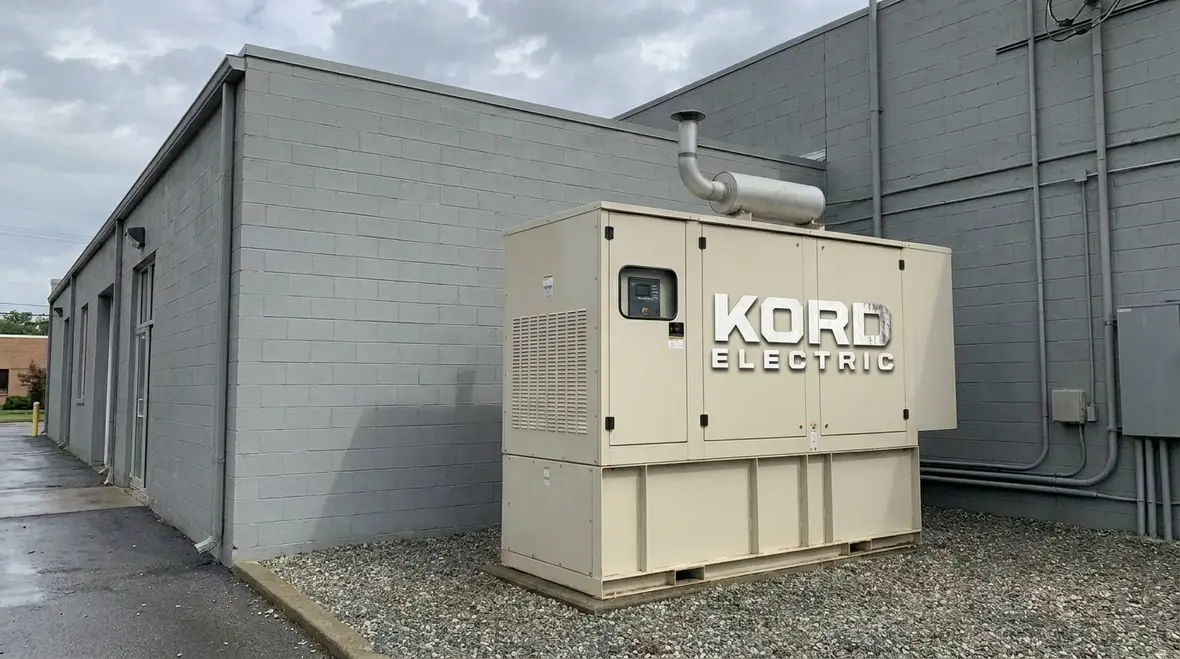
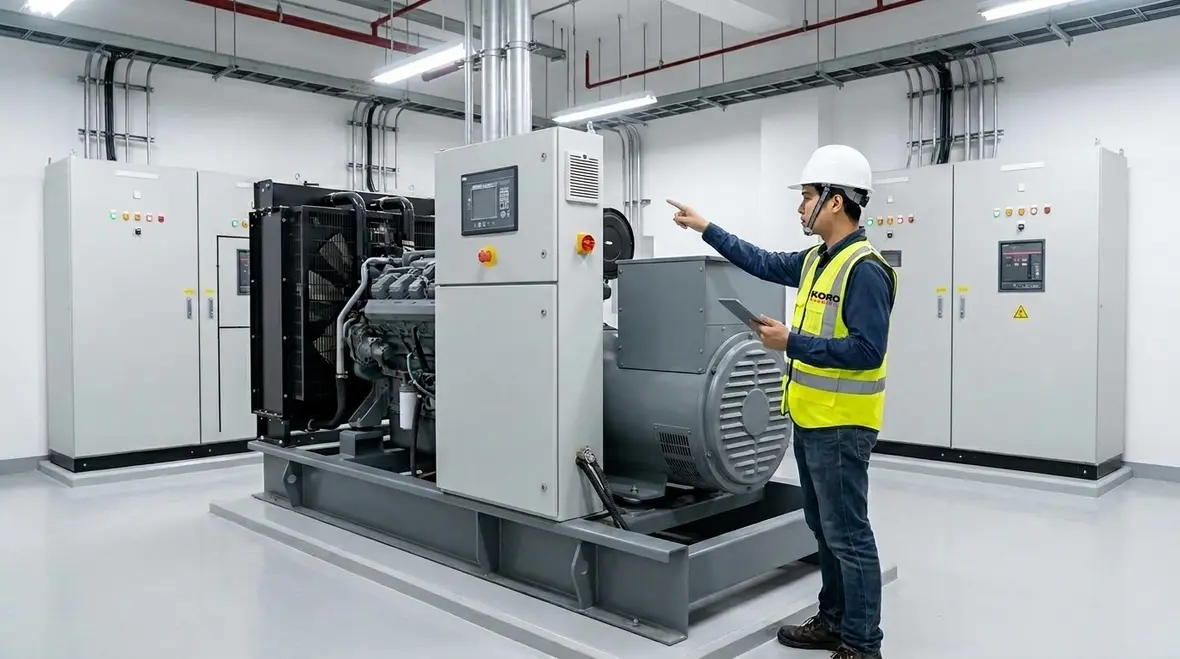
We begin with a practical question: what must keep running, and what can wait. Then we map critical loads such as life safety systems, process equipment, pumps, ventilation controls, refrigeration, security systems, and network gear. After that, we confirm startup and run requirements, including voltage stability, inrush current, and how equipment behaves during transfer.
From there, our engineering team and field experts coordinate selection of transfer and backup components so the facility experiences fewer surprises. For example, we may recommend a layered approach using UPS for sensitive electronics, combined with generator capacity and proper transfer sequences for larger loads. This layered design helps prevent the “domino effect,” where one transfer event causes another system to misbehave.
Also, we pay attention to distribution paths and protective coordination. If breakers and protective devices are not set up correctly, continuity can fail even when the generator starts. Consequently, we help ensure the power quality and timing of switching match your equipment needs, not just the spec sheet.
For facilities that want their continuity plan tied into a broader electrical strategy, we often connect these designs with structured programs like Kord Electric’s commercial and industrial electrical maintenance plans, so backup systems, everyday distribution, and preventive work all point in the same direction.
What preventive maintenance does during outage planning
Planned reliability comes from planned work. Kord Electric supports continuity not only through design, but also through consistent preventive maintenance. If you already have a maintenance program, we still review it, because “we ran a test once” is not the same as proven readiness. Therefore, we follow procedures that verify performance under realistic conditions.
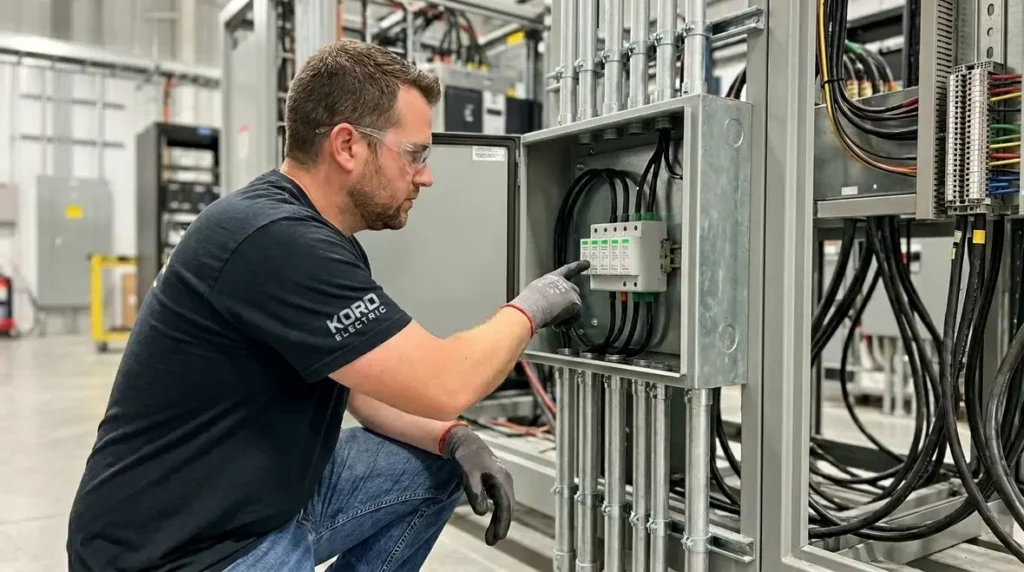
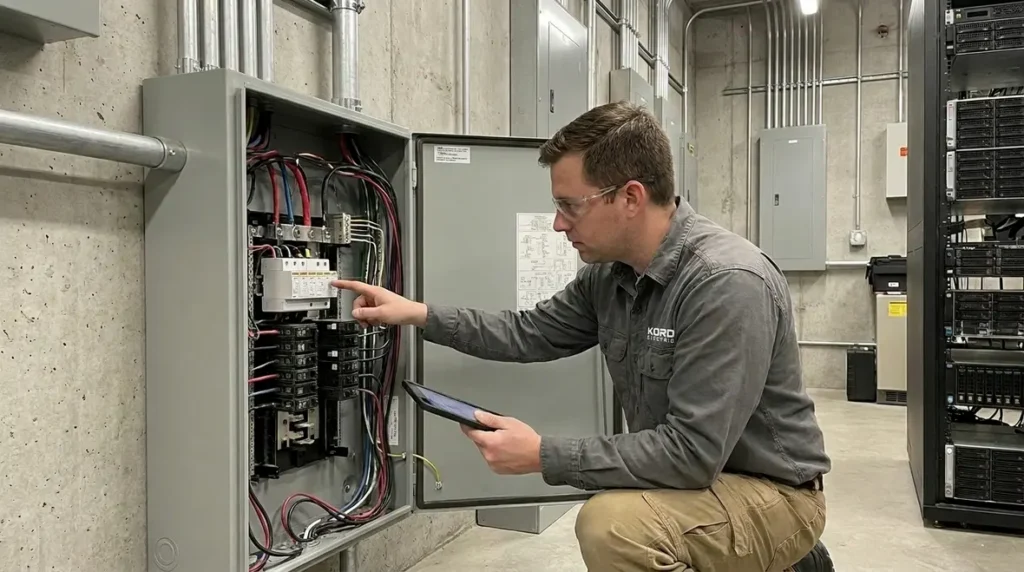
As detailed in our electrical preventive maintenance approach at https://kordelectric.com/electrical-preventive-maintenance/, our technicians focus on inspecting key electrical assets and functional readiness steps. They check components, verify connections, and confirm that critical systems remain within expected operational limits. Then they document findings so facility managers can make informed decisions without guessing.
Here is the soothing part: our service staff does not just look at equipment. They explain it. For example, if we find elevated wear in a component, we explain what it means for future transfers and how it can affect business continuity power solutions during stress events. And if someone asks, “Will it work when the lights go out?” our answer stays clear: we prove readiness with structured testing and targeted corrective actions.
This same preventive rhythm shows up across other systems as well, from Title 24 lighting compliance to outdoor circuits and panel labeling, so your continuity strategy supports safety, energy performance, and everyday reliability in one program.
Technicians and reporting that help teams act fast
During an outage, decisions must be quick. So we help your team know what to do before the event, using service reports that are understandable and actionable. Our technicians describe conditions, risks, and recommendations in a way that supports operations, not just electricians.
For example, we help you identify patterns in maintenance results. If certain parts degrade faster due to heat, vibration, or load profile, we adjust the maintenance plan. Then we can schedule replacements before a failure happens. This is not “extra work.” It is risk control. And it also reduces emergency downtime, which always costs more than scheduled service. If outages are chaos, good reporting is the calm you keep in your pocket.
Additionally, we support training for key personnel. We walk facility leaders through system behavior during transfers, what alarms mean, and how to verify that critical circuits remain powered. As a result, you reduce confusion and shorten the time between outage start and stable operations.
Because our team specializes in large commercial and industrial environments, we also connect these insights to other priorities like code compliance, electrical panel upgrades, and broader Los Angeles County electrical services, so decision makers have one coordinated roadmap instead of scattered project lists.
Testing strategies that prove standby systems will start and carry load
Testing is where reliability becomes real. We help commercial and industrial facilities test standby and continuity equipment under safe, controlled conditions. Then we verify that transfer logic works as intended and that the system carries connected loads without falling outside voltage and frequency tolerances.
However, tests must reflect your operating world. We coordinate test schedules around your production needs and safety requirements, and we plan how testing affects your systems. Then we evaluate outcomes, including startup time, transfer timing, and load acceptance. If something drifts from expectations, we address it before the next outage arrives.
In addition, we check the entire chain: from utility sensing to switching hardware, from generator output to distribution panels. Too many people focus on the generator only. Yet continuity depends on the complete path. Therefore, our experts look at the details that keep transfer events smooth and predictable.
And yes, we keep the tone business casual. Even when the equipment behaves like a moody sitcom character, we track what happened, why it happened, and what we change next.
Common failure points we prevent in major property buildings
In major property buildings, continuity power solutions must support more than one tenant or system group. Because of that, shared infrastructure often creates hidden failure points. We look for issues such as misaligned protective settings, worn contacts, failing sensors, poor load balance, and aging switchgear that struggles under real transfer conditions.
We also consider how utility disturbances can affect controls and communications. Even before an outage fully arrives, unstable voltage and frequency can stress equipment. As a result, some systems can trip early or refuse to transfer. Therefore, we validate control sequences and check that safeguards behave correctly.
Another common issue involves neglected synchronization or load sequencing. If loads connect in the wrong order, equipment can experience stress or startup failures. Consequently, we help design sequences that match the way your critical assets actually run.
Finally, we focus on the “boring stuff” that saves businesses money: connections, terminations, and cleanliness of electrical rooms. Boring is good. Boring is safe. Boring means you avoid an emergency call that starts with “So… about that outage.”
By folding these details into a structured maintenance and testing plan, we turn business continuity power solutions into a normal part of facility life instead of a scramble when the sky turns gray.
FAQ about business continuity power solutions
Next steps with Kord Electric for outage confidence
If your facility cannot afford downtime, it deserves more than a standby unit and hope. At Kord Electric, we help commercial and industrial teams plan, test, and maintain power systems so operations continue when the utility does not. Our technicians explain what they find, and our approach supports real business continuity power solutions for critical loads. Contact us to review your current setup and build a readiness plan that fits your major property building. We will bring calm where outages bring chaos.
When you are ready to move from “we hope it holds” to proven continuity, our team can align your outage strategy with services like electrical preventive maintenance, panel and distribution upgrades, and broader commercial support across Los Angeles County, so every part of your infrastructure works together when it matters most.
For facilities that want to connect continuity planning with day-to-day electrical performance, our electric panel services and related system upgrades can be paired with standby power design to strengthen both normal operations and outage behavior in one coordinated project.