Business Electrical Safety Assessment Guide
At Kord Electric, we help leaders protect their facilities with a business electrical safety assessment before small issues grow into expensive downtime. In this article, we explain how our proactive process works, what our technicians look for, and how we guide your team through fixes that actually stick. We also explain things in plain language, because no one should need a decoder ring to understand their own switchgear. And yes, we still show up with the right tools, not a clipboard and vibes. While others wait for a failure, we plan for risk, so your operation can keep running like it has places to be.
What does a business electrical safety assessment really catch
In commercial and industrial settings, electrical problems rarely announce themselves politely. Therefore, our proactive work focuses on the hidden weak points that can cause shock hazards, arc flash events, and repeat failures. We evaluate the electrical system as a whole, not as a collection of isolated components, because loose connections and degraded insulation behave like dominoes.
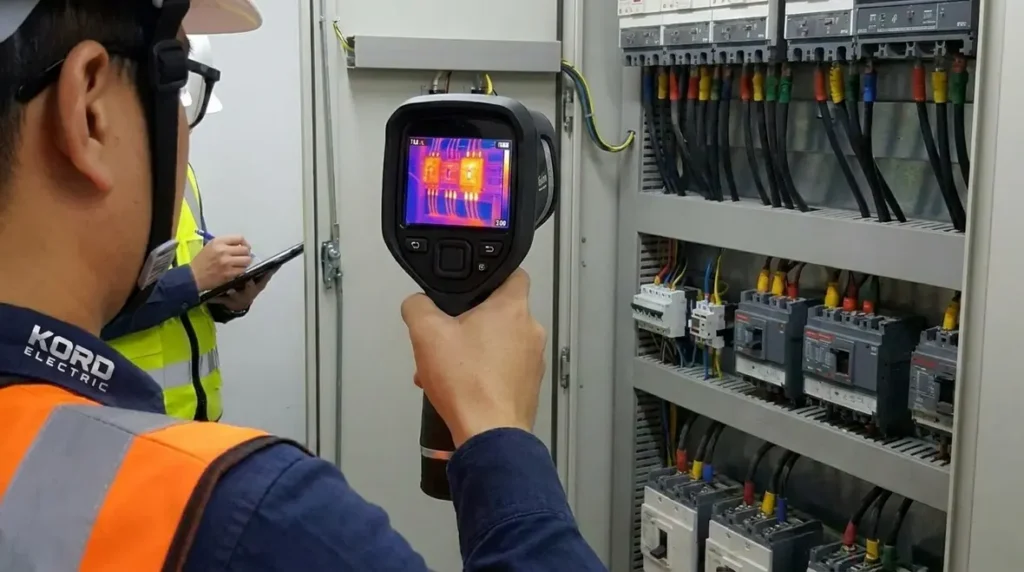
First, our team identifies conditions that can energize surfaces unexpectedly. Next, we review protective devices and distribution paths to confirm they operate as intended. Then we verify that panels, busways, breakers, and feeders meet the safety expectations required for real-world loads. In addition, we look for signs of heat, moisture, corrosion, and aging in places people often overlook, like terminations, cable runs, and grounding points.
Because we work with major property buildings and industrial spaces, we understand the rhythm of your day. We tailor the assessment to your operating schedule, and we document findings in a way that supports decision-making. In short, our business electrical safety assessment helps you move from guesswork to clear risk control.
How Kord Electric plans the assessment before we touch equipment
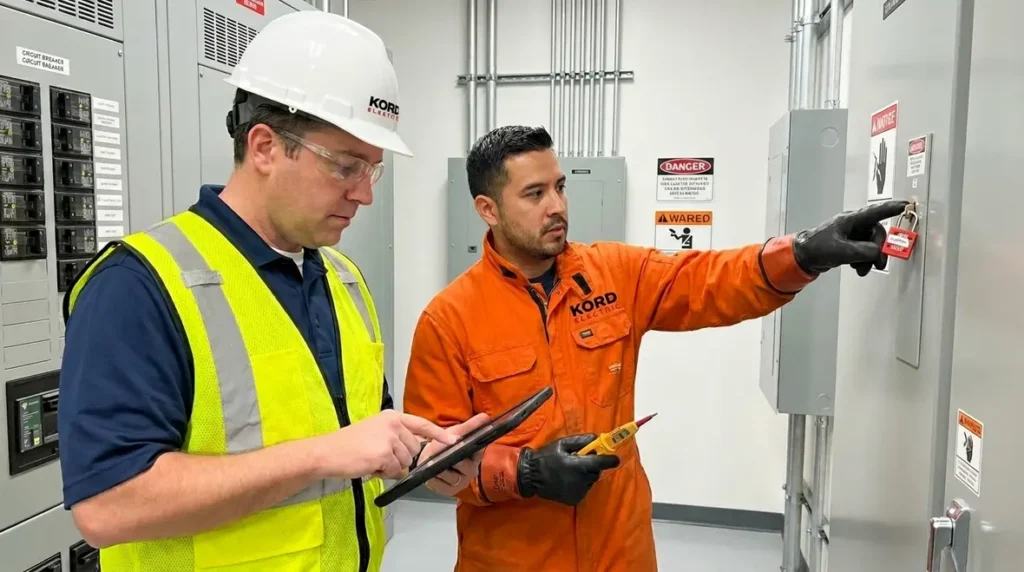
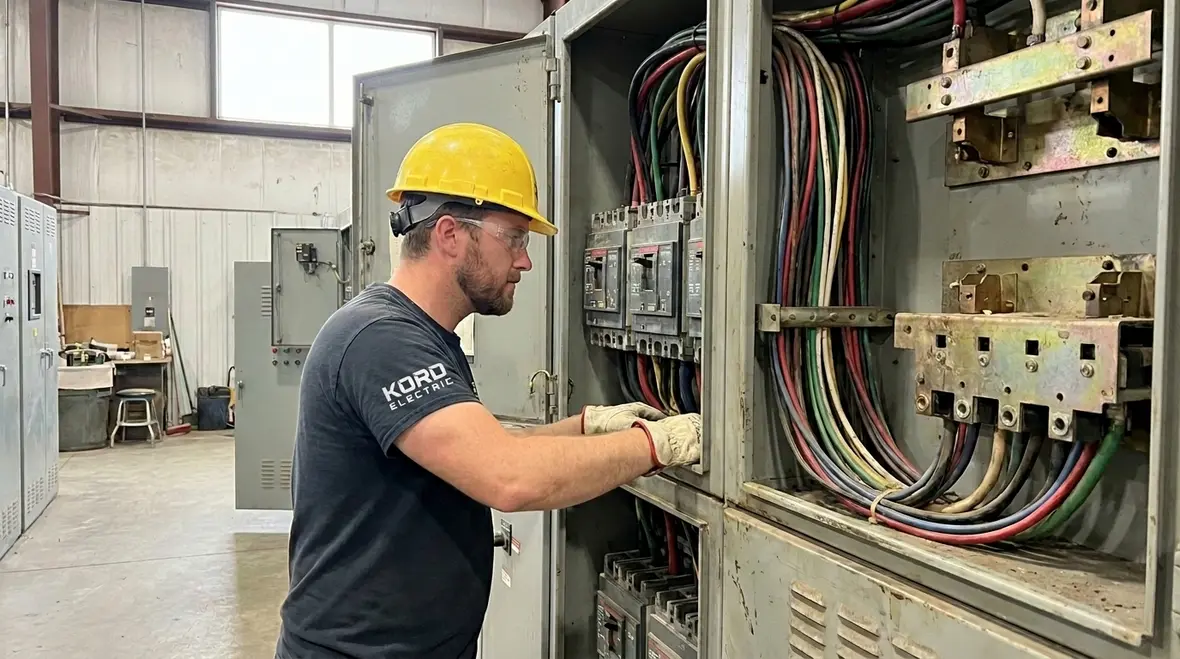
We start by learning how your facility runs. For example, we ask how often shifts start, whether equipment cycles through heavy loads, and which areas are most critical to uptime. Then we review existing records, including prior test results, one line diagrams, and maintenance logs. If documentation is incomplete, we do not panic. Instead, we fill the gaps with field verification and careful mapping.
Next, we coordinate safety planning with your management team. We confirm access needs, lockout expectations, and how we will prevent disruptions. After that, our technicians prepare measurement and inspection methods that match your system design and your operational constraints.
At this stage, our service staff also explains the “why” behind the steps. We do not dump jargon. We walk your team through what we will inspect, what evidence we will collect, and how those details connect to the safety outcomes. In business, clarity is as valuable as a breaker that trips on time.
Because proactive planning overlaps with compliance and maintenance strategy, many facility leaders also review resources like Kord Electric’s article on hidden electrical risks in commercial buildings to see how early inspections prevent surprises behind the walls.
What we inspect during proactive electrical safety work
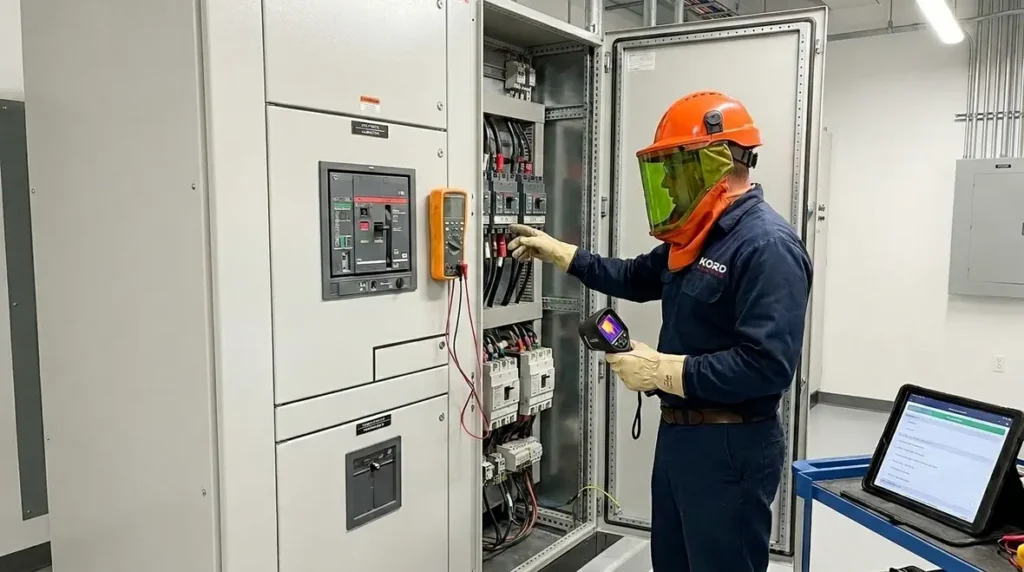
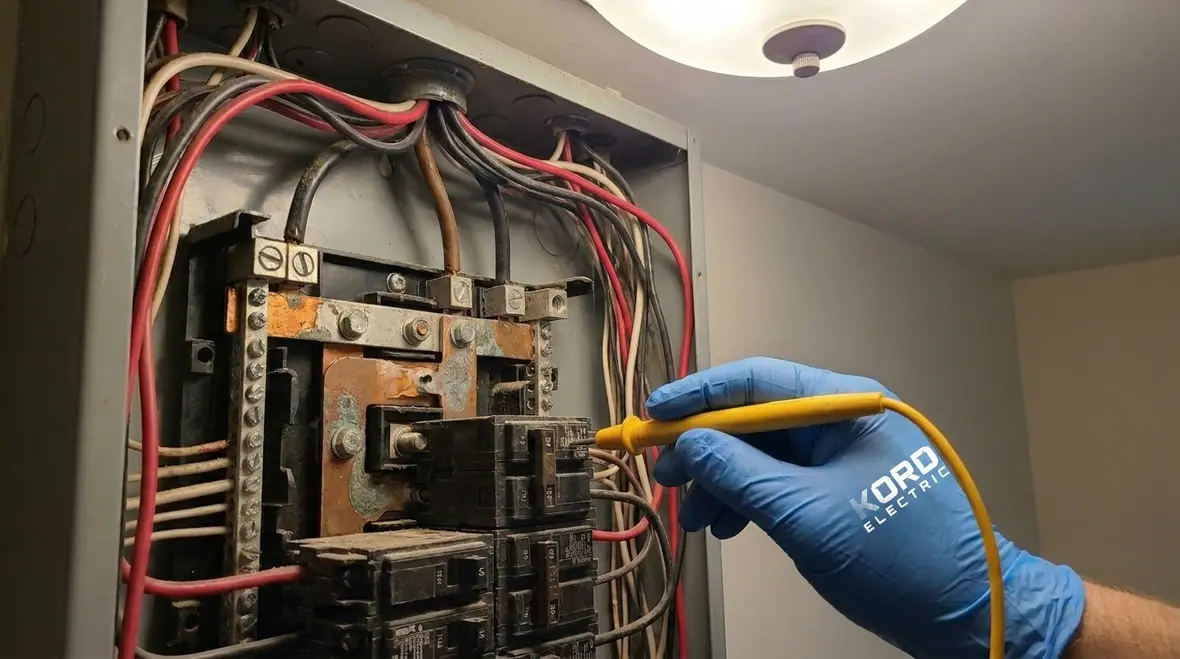
Our assessment includes a structured inspection plus targeted testing. Because electrical hazards often hide in connections and protective paths, we focus on where failures begin. We evaluate terminations, bus connections, breaker interfaces, and cable terminations. We check for signs of overheating, mechanical looseness, and insulation breakdown. We also verify that labeling supports safe operation during routine work.
On the protective side, we examine whether overcurrent protection matches the system design and protective settings. We review coordination behavior, because safety depends on correct clearing times, not on hopeful assumptions. For grounding and bonding, we check continuity, corrosion risk, and system integrity to keep fault currents traveling on the intended path.
Because industrial facilities and major properties also face environmental stress, we pay attention to moisture control, conduit integrity, and ingress protection. Additionally, we look for nonstandard modifications that can create surprise hazards later. If we find something unusual, we document it clearly and explain the risk in practical terms.
And yes, we explain things even when your team says, “We already know this.” We hear that a lot. Then we show the measurement. The measurement usually tells a different story than the hallway conversation.
For many building owners, this level of detail complements ongoing programs like commercial and industrial electrical maintenance plans, where inspections, testing, and documentation work together to keep critical systems online.
How we translate findings into action your team can fund
Once we complete the on-site work, we compile a detailed report designed for real decision-making. Therefore, we organize results by hazard level, system location, and operational impact. We also include photos and measurement details where appropriate, because a picture can stop a disagreement faster than a long meeting.
Then we recommend corrective actions in a phased approach. Some items require immediate attention because they create direct shock or arc flash risk. Other items fit scheduled maintenance, where a planned outage can reduce downtime. We also note items that need follow-up verification to confirm how conditions evolve.
Our service team communicates clearly with building owners, facility managers, and operations leaders. We explain what changes reduce risk, what must be corrected, and what can wait. This matters because spending money without a plan feels like buying a fire extinguisher and leaving it in the box. Sure, you have it. But you will not use it.
When your leadership team asks about priorities, we help them understand tradeoffs. We connect electrical safety to uptime, compliance support, and operational confidence. After all, safety and performance should not be enemies.
If your facility is already mapping capital projects, resources like the rewiring cost guide for commercial electrical systems can help you connect today’s assessment findings with tomorrow’s upgrade strategy.
Why proactive electrical safety prevents repeat failures and downtime
In commercial and industrial facilities, repeat failures cost more than parts. They disrupt schedules, force emergency staffing, and damage trust in maintenance plans. Proactive safety work helps reduce those cycles by catching early degradation and abnormal behavior before it becomes a shutdown event.
For instance, we often see repeated tripping linked to connection resistance, protective device issues, or heat damage that develops over time. By identifying the root condition during a proactive assessment, we help your team stop the pattern rather than patching symptoms. Similarly, grounding and bonding weaknesses can create unpredictable behavior during faults, which increases risk and complicates response.
Moreover, proactive assessment supports safer maintenance practices. Your electricians and contractors can work with clearer information, improved labels, and verified system behavior. Consequently, fewer “mystery conditions” show up during troubleshooting. And that means fewer delays, fewer surprises, and fewer late nights.
When facilities combine a structured business electrical safety assessment with services like emergency electrical services, they gain both long-term stability and rapid response when something unexpected does occur.
How we coordinate with facilities, tenants, and contractors
Large buildings and industrial campuses include multiple stakeholders. Therefore, we schedule our work to fit access windows and operational needs. We coordinate with facility leadership so shutdowns, panel access, and inspection routes stay safe and controlled. If other contractors work on your electrical systems, we align findings to support their planning and reduce conflicting changes.
We also explain procedures to your team, including what our technicians do and how we protect people and equipment during work. Our goal stays simple: reduce risk while preserving productivity. In the real world, that means clear communication, clean documentation, and a calm approach on site. If you want a crew that treats electrical work like a science and a business responsibility, we show up ready.
Additionally, we provide guidance on next steps for internal teams. That includes how to track improvements, how to verify fixes, and how to schedule follow-on checks so the risk does not quietly return.
For multi-site portfolios or busy campuses, it is often helpful to align assessments with broader efforts such as understanding NFPA 70 requirements and ongoing electrical safety compliance work.
FAQ
Ready to lower risk before it becomes a shutdown
Choose Kord Electric for a proactive approach that helps protect people, equipment, and daily operations. We conduct a thorough business electrical safety assessment, document the results clearly, and recommend next steps your team can schedule with confidence. If you want fewer surprises, better maintenance decisions, and a calmer operation, reach out today. Let our technicians explain what matters and what can wait, so you can run your facility with steadier footing. Contact us now to book your assessment.
If your facility is located in Southern California, explore Kord Electric’s dedicated Los Angeles County electrical services to see how assessments, maintenance, and emergency response fit into a complete support plan for your building.