California Emergency Lighting Code Compliance
In California, emergency lighting is not a “nice to have.” It is part of emergency lighting code compliance, and we take that seriously for commercial and industrial facilities and major property buildings. When an exit needs to guide occupants, when power fails, and when smoke fills the air, the lighting must do its job on time, at the right level, and in the right locations. However, the rules can feel like a maze made of fine print and copy pastas from past projects.
At Kord Electric, we help others avoid that maze. We assign experienced technicians and service professionals who explain what they find, what they recommend, and why it matters. And yes, we even tell you what to do before an inspector asks, because nobody wins that game.
What emergency lighting rules require in California?
Emergency lighting and exit signage in California typically follow recognized national standards adopted through local requirements and enforcement practices. In practice, this means the system must be installed and maintained so it performs during a loss of normal power. Therefore, we focus on layout, mounting locations, illumination levels, and the behavior of the system under failure.
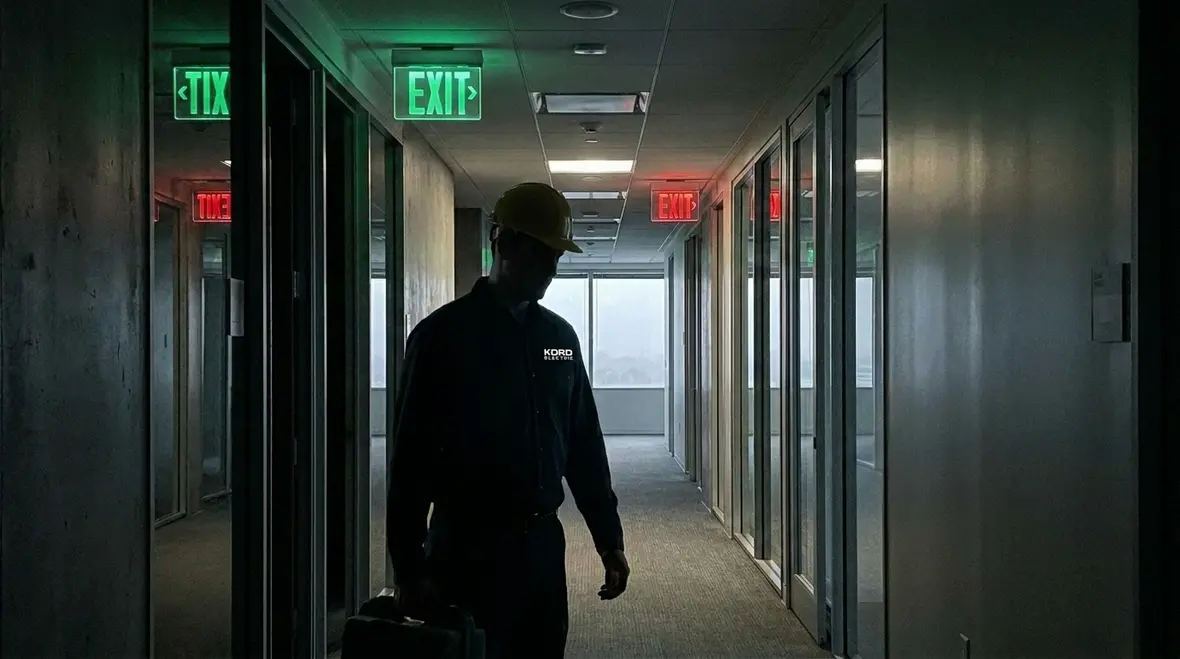
First, we evaluate where people travel during an emergency. Then, we confirm the components support safe egress routes, including corridors, exits, stairways, and other areas tied to evacuation. If the building layout changes, or if tenant improvements occur, the emergency lighting coverage must still make sense. Otherwise, you end up with a system that looks correct but fails when it counts, which is like buying a fire extinguisher and never checking if it works.
Next, we verify power source and backup operation. Many commercial and industrial facilities use battery or generator-backed circuits depending on system design. We also check that devices are marked, connected correctly, and wired to function as required. Finally, we make sure the installation aligns with adopted inspection expectations so your compliance effort does not become a surprise pop quiz.
How Kord Electric checks code compliance before problems happen
We do not wait for trouble. We start by reviewing the facility type, the construction scope, and the known installation history. Then, our technicians walk the building with a plan and a checklist mindset, because “it seems fine” is not a method.
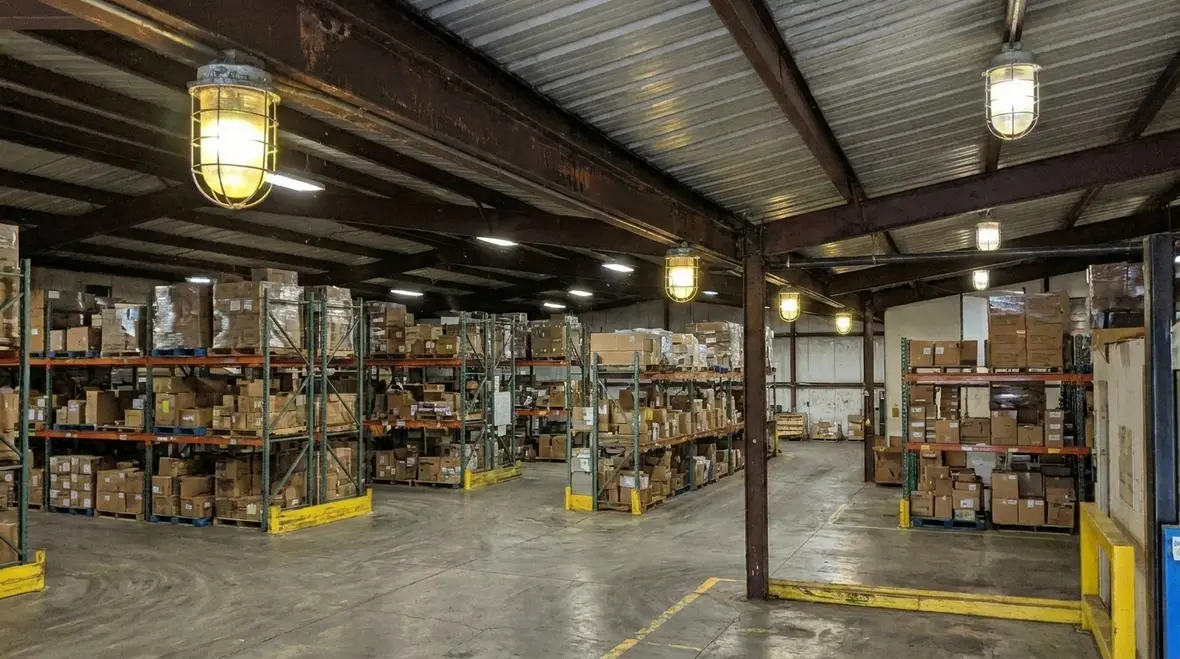
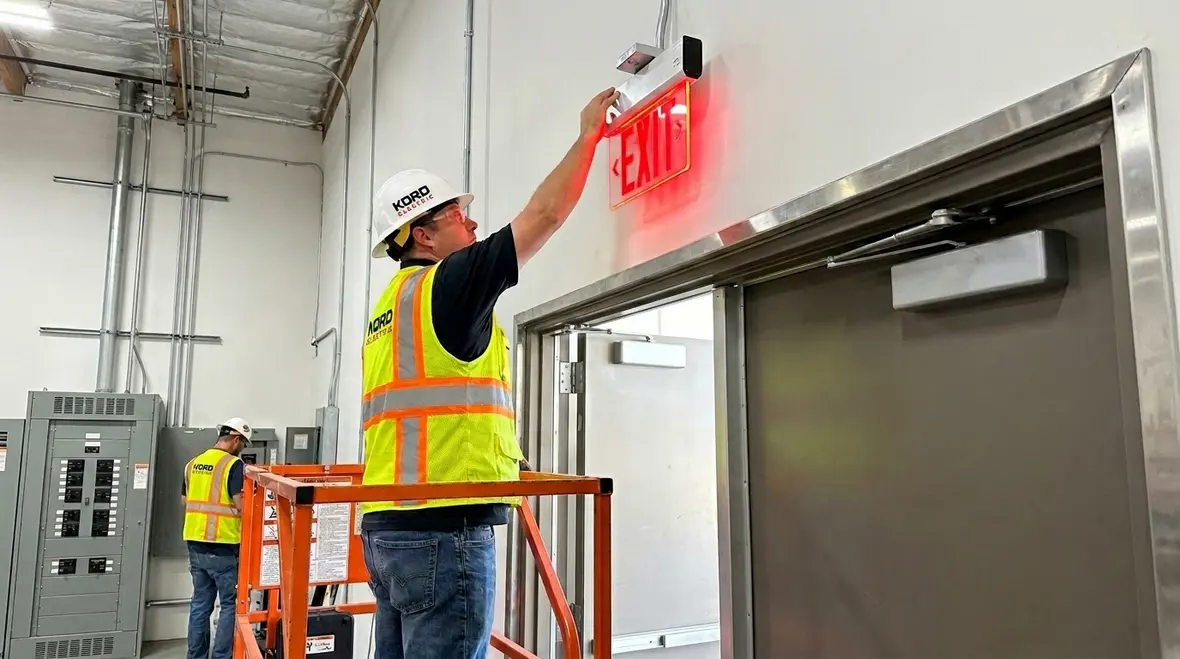
To keep the process clear, we follow a practical sequence. We confirm coverage along egress routes, then we inspect device placement, labeling, and visibility. After that, we test functional operation. Additionally, we check installation details that often drive failures during reviews, such as incorrect circuiting, misaligned heads, missing protective finishes, and improper accessibility of components.
At this point, our expert service staff communicates with building teams in plain language. We explain what we measure, what we see, and what could fail in an actual outage. Moreover, we document findings so the next step is not a guessing game for the owner or facility manager.
And if you are thinking, “We have a maintenance company already,” we hear you. Still, we often find emergency lighting code compliance gaps when the maintenance routine covers everything except the specific testing methods, device types, or verification steps required for the site.
For facilities that want testing fully integrated into a broader maintenance strategy, many owners pair these inspections with structured programs such as electrical preventive maintenance and emergency lighting testing services, so life safety systems stay aligned with both code and reliability goals over time.
Placement, coverage, and visibility in major property buildings
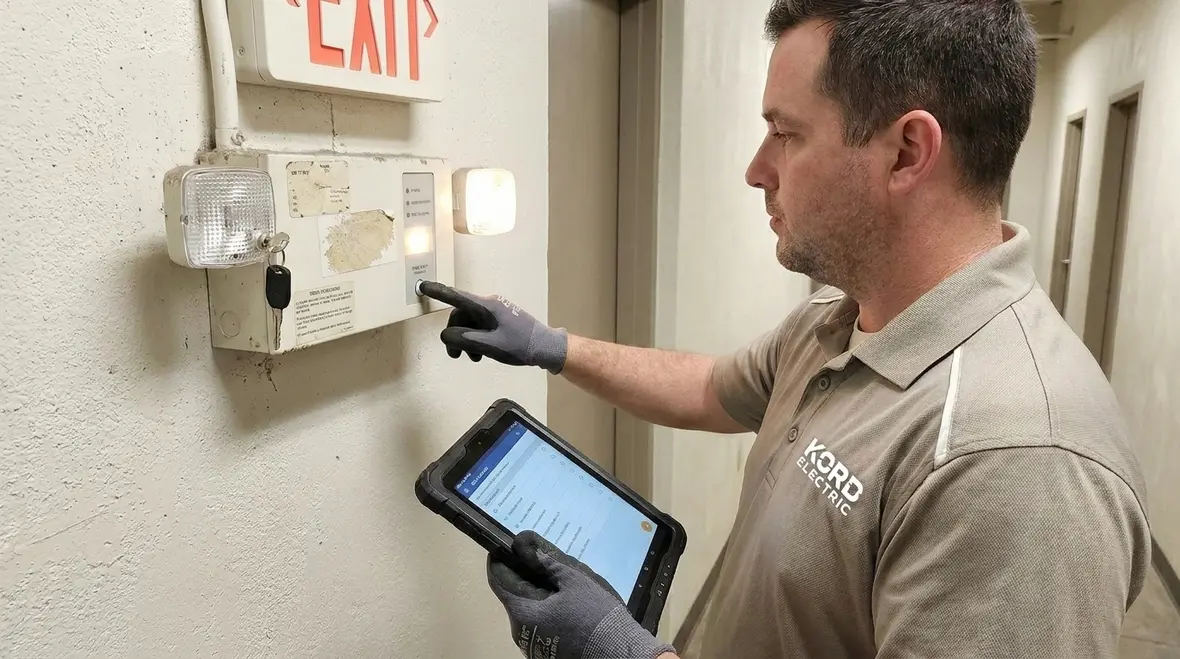
In large commercial and industrial spaces, the most common compliance weakness is not the light bulb. It is the coverage logic. Occupants must find exits quickly and safely even under low visibility. Therefore, the system has to guide movement reliably from normal work areas to protected paths and exits.
We pay close attention to how people actually move through the building. For example, in warehouses and manufacturing facilities, aisles, mezzanines, dock areas, and control rooms require different thinking than office corridors. In office towers and mixed-use major property buildings, wayfinding depends on consistent illumination at turning points and at door locations.
Also, we verify visibility conditions. High ceilings, machinery obstruction, suspended elements, and architectural finishes can reduce effectiveness. Consequently, we confirm that emergency lights and exit signs are not blocked, dimmed, or misplaced in a way that prevents clear guidance. If an exit is visible from one angle but not from the path people walk, then the system needs adjustment.
Finally, we ensure that devices are suited to the environment. Industrial spaces can involve dust, vibration, humidity, and impacts. We match fixture selection and mounting details to site conditions so the equipment performs long term instead of giving you a “works today, maybe tomorrow” situation.
In many projects, emergency lighting design is coordinated alongside broader commercial and industrial lighting installation services, which keeps general illumination, egress paths, and code-driven controls working together instead of fighting each other.
Testing and documentation that hold up under inspection
Compliance does not live only in installation. It lives in verification. So, we help clients set up testing and reporting that supports emergency lighting code compliance with clear records.
First, we confirm the required testing approach for your system type. Some sites use monthly functional checks and periodic battery or simulation testing. Others require more thorough evaluation intervals based on the equipment design. We then align test methods with the device manufacturer’s requirements and the system’s design intent.
Next, we document outcomes in a way that building teams can use. Our service team records which devices were tested, what the results show, and what corrective work was completed. Therefore, when questions come from an authority having jurisdiction or a property review, we provide evidence that the facility did not just “get lights installed and hope for the best.”
Additionally, we schedule follow ups for any failures or marginal results. We understand the real world: a facility runs on operations, downtime is costly, and maintenance windows fill up fast. So we coordinate repairs with your schedule and keep the system reliable without wrecking your production plan.
And yes, we also explain the paperwork in human terms. If you have ever tried to read compliance logs that look like alien math, you know what we mean.
For organizations refreshing their understanding of the underlying standards, companion resources such as Kord Electric’s guides on NFPA 70 electrical code and lighting installation code compliance help connect everyday testing tasks back to the bigger picture of safety and life safety performance.
Common compliance gaps we see in commercial and industrial sites
Even well maintained facilities can struggle with emergency lighting code compliance over time. Changes happen, and the system that once worked can drift out of spec due to upgrades, renovations, or tenant build outs.
Here are some gaps we frequently observe during our inspections:
- Devices added during renovations that do not match existing egress routes
- Incorrect circuiting or control wiring that prevents full operation during a power event
- Fixtures installed but not maintained, leaving battery performance below expected levels
- Blocked visibility from new equipment, racks, shelving, or hanging structures
- Inconsistent illumination coverage at doorways, stair landings, and major path intersections
- Documentation that does not connect test results to device locations and identifiers
To address these, we treat each site like a living system, not a one time install. We coordinate with facility managers when layout changes occur, and we recommend updates that keep egress guidance accurate. When owners invest in reliability, inspections become less stressful and more routine.
We also tell the truth about risk. If a device passes but has signs of aging, we say so. If a system component will likely fail soon, we help plan a practical repair path. That way, the next outage does not become a test you did not schedule.
In some cases, addressing these gaps overlaps with broader lighting and electrical work. Articles such as Kord Electric’s breakdown of workplace lighting safety hazards and hidden electrical risks in commercial buildings can help facility teams recognize when “small issues” may be signs of deeper compliance problems.
How dual column planning helps owners act fast
When facilities need improvements, timing matters. So we use a simple planning approach that helps decision makers move quickly, without drowning in jargon. Below is how we typically organize next steps for commercial and industrial sites, so others can understand priorities at a glance.
| What we find | What we do next |
| Coverage gaps along egress routes | We adjust device placement or add compatible units to restore guidance |
| Battery or operational test failures | We repair or replace components and verify performance through testing |
| Visibility blocked by new equipment or finishes | We reposition or revise fixtures to restore clear lines of sight |
| Incomplete or confusing records | We provide clear logs tied to device locations and test outcomes |
As a result, the owner gets a clear path. Then, our technicians explain the “why” behind each action, so you can justify the investment to leadership without sounding like you are reading from a manual written by a robot.
For many teams, this planning process runs in parallel with services like emergency electrical services, so that any urgent hazards discovered during emergency lighting reviews can be addressed quickly while still supporting long term emergency lighting code compliance.
FAQ about emergency lighting in California
Conclusion: get emergency lighting compliance under control
If you want a steady hand on your emergency lighting program, Kord Electric is ready. We help commercial and industrial facilities in California maintain emergency lighting code compliance through expert inspections, practical repairs, and clear documentation. Our technicians explain what they find, what needs attention, and what will protect your people when power fails. Reach out to us for an on site assessment and a focused plan. Let us take the stress off your team, and keep your building ready for real life.
If your emergency lighting review is part of a larger project, our dedicated lighting installation services for commercial and industrial facilities can help align everyday illumination, emergency egress lighting, and inspection-ready documentation into one coordinated, code-compliant plan.