Commercial Electrical Panel Upgrades for Business
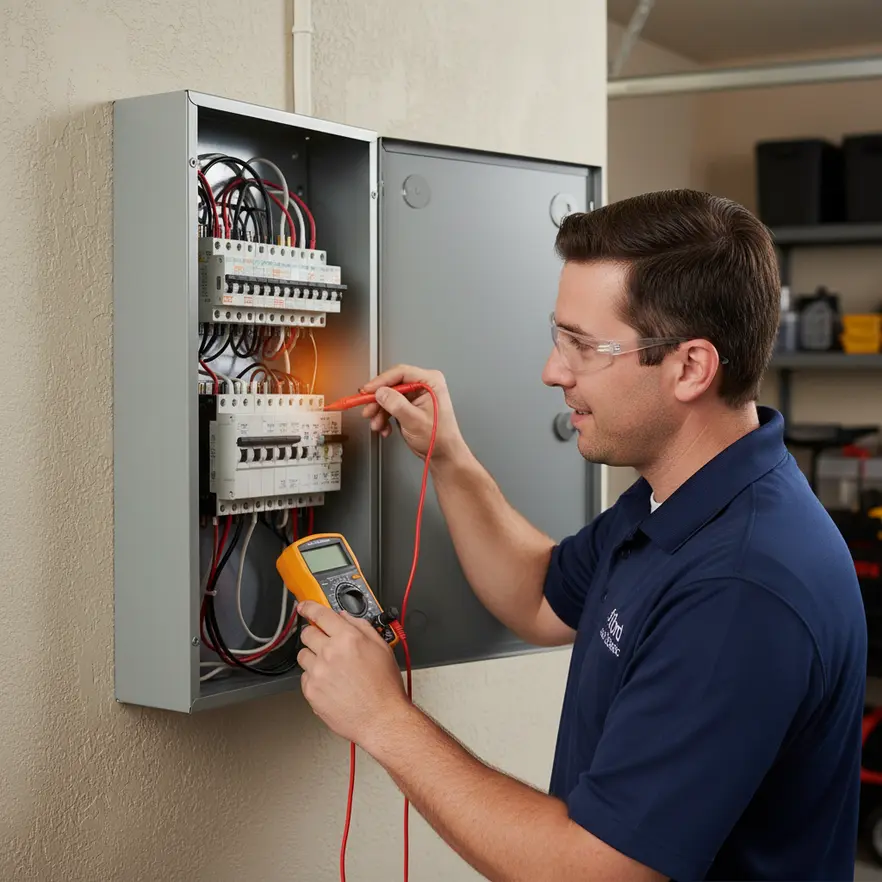
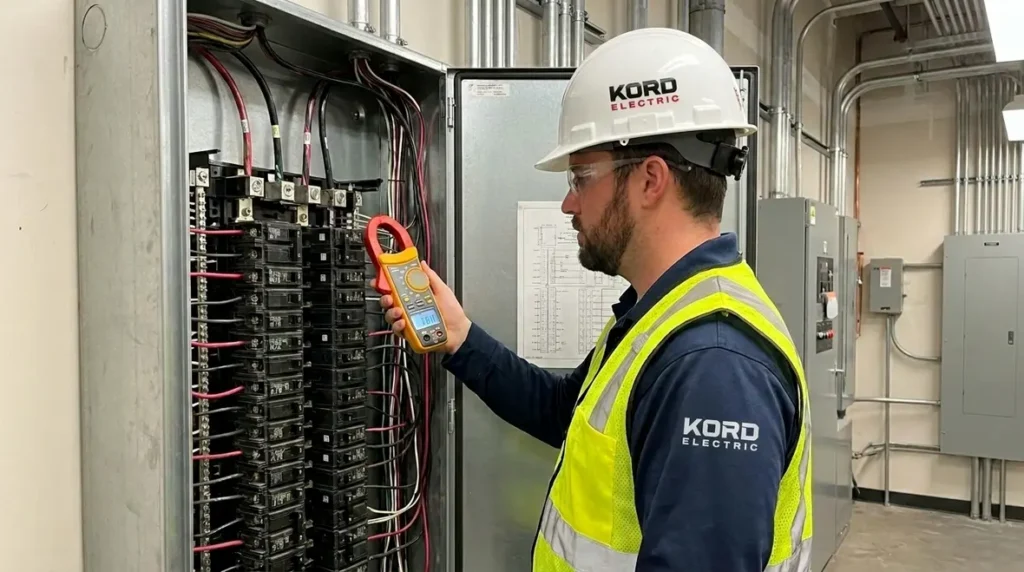
Kord Electric helps commercial and industrial facilities stay ready for real life by planning commercial electrical panel upgrades before issues turn into outages. We focus on panel work for major property buildings, where downtime does not just hurt schedules, it hurts revenue. In this guide, we explain the moment upgrades make sense, the warning signs your system gives you, and what happens during a professional evaluation. And because no one wants to stare at wiring diagrams like they are a mystery novel, our expert service team walks site managers through the findings in plain language. Sometimes we even compare it to “seat belts plus airbags.” You do not buy them after the crash.
When a panel starts limiting your business
In commercial spaces, electrical demand rarely stays still. One tenant adds equipment, another expands operations, and suddenly the electrical system feels like it is holding its breath. Commercial electrical panel upgrades become a serious conversation when the panel can no longer handle the load with safe margins. We see this most often in warehouses, office towers, medical support buildings, and multi tenant retail that operates like a small city after hours.
To keep things clear, our technicians look at panel capacity in relation to actual usage. Then we compare it to what the building will likely require in the next few years. While some facility teams only notice problems after they trip a breaker, smart upgrades happen earlier, when the panel still has time to stay stable. In other words, we prefer preventative action over dramatic surprises. Nobody wants a “lights out” performance, unless it is for a concert, and even then, the venue planned it.
We also consider how the panel supports both current needs and future additions like HVAC upgrades, EV charging, water pumps, process equipment, data racks, and security systems. When those loads grow faster than the panel’s design, the system works harder. As a result, you may see higher heat, nuisance tripping, and wear that accelerates over time.

Signs you should schedule an upgrade before failure
You do not always get a polite warning before something goes wrong. Still, electrical systems tend to show patterns. Our expert service staff explains what those patterns usually mean, and why ignoring them can turn into expensive downtime. Here are the most common signals we track in commercial electrical environments.
- Frequent breaker trips that happen under normal load changes, not just during abnormal events
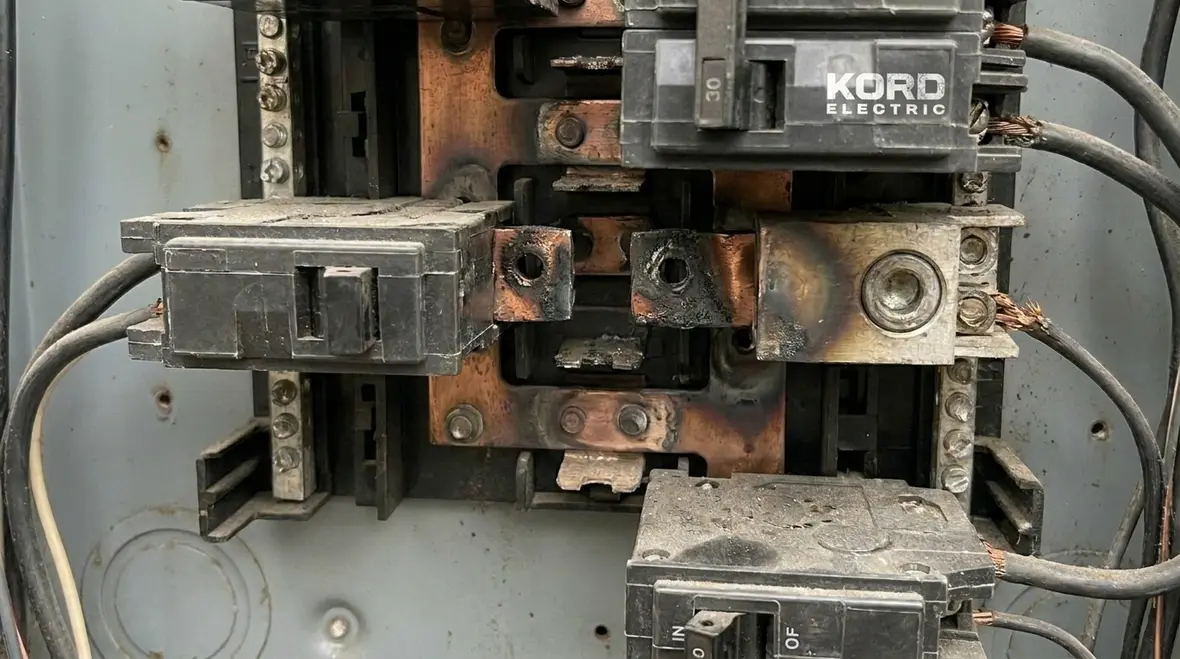
- Burning smell or visible scorching around breakers, bus bars, or connections
- Warm or hot panels during peak operating hours, especially when cooling systems run normally
- Flickering lights across floors or zones, which can point to voltage instability
- Corrosion or moisture intrusion inside the enclosure, particularly in loading dock areas
- Outdated equipment that lacks modern fault protection or clear labeling
- No clean upgrade path due to limited breaker spaces or older components that cannot support new circuits safely
Next, we connect these signs to what we find during inspection: loose terminations, overloaded conductors, failing components, and inadequate capacity. When we explain the cause, we do not blame “bad luck.” We show the physical reasons the system struggles. That approach keeps building owners confident because the decision is based on evidence, not guesswork.
How load growth, renovations, and new equipment push panels to the edge
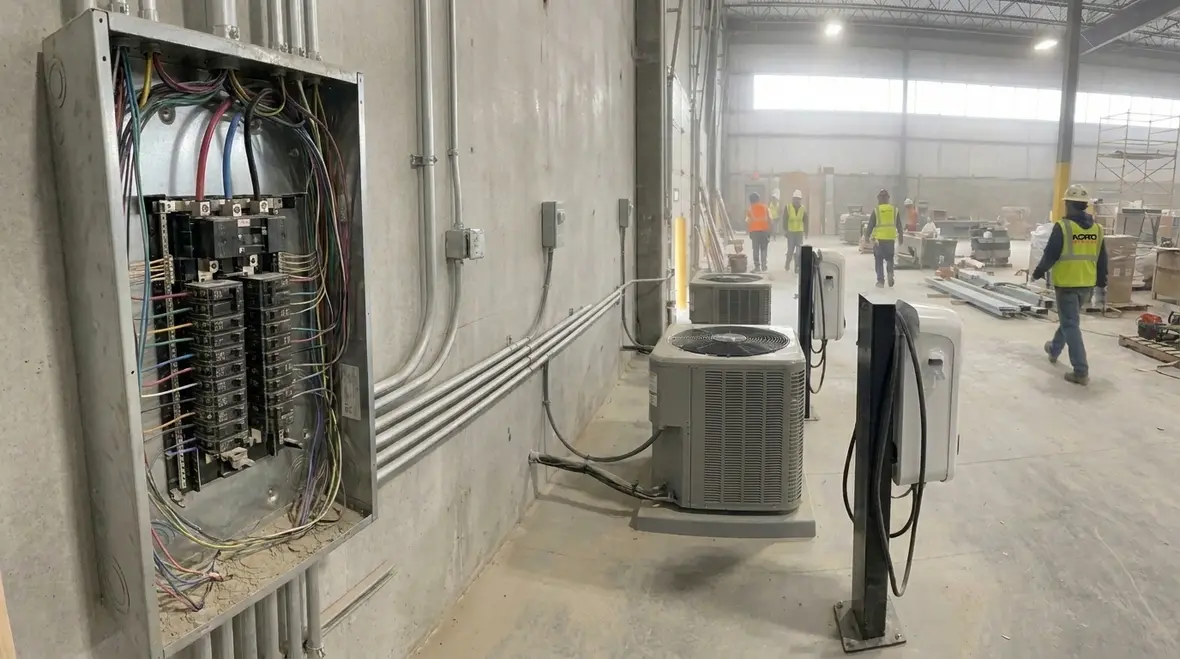
Commercial electrical panel upgrades often come up during tenant turnover or facility renovations. However, the real trigger is the added electrical load, and many teams underestimate the impact. For example, an office building may look “mostly the same” after a remodel, yet the electrical demand can change dramatically with new lighting layouts, motorized doors, upgraded HVAC controls, kitchen equipment, or increased server loads.
Similarly, industrial facilities face changes that grow in waves. More production lines mean more motors, drives, and controls. Pump upgrades can add significant startup current. Meanwhile, automation and network equipment can add continuous draw. So even if the average load feels steady, peak loads can stress the panel when everything ramps up at once. That is when you see nuisance trips and premature component wear.
Our technicians help owners plan around these moments. We review current loads, historical utility data when available, and the electrical requirements of proposed work. Then we determine whether the panel needs expansion, replacement, or a targeted change to add correct protection. We also coordinate scheduling so work happens with the least disruption, because in the real world, you cannot just “pause production” like it is a TV show. You have deadlines.
Planning upgrades alongside broader electrical projects
Panel work rarely lives in isolation. Many properties consider whole building rewiring for commercial electrical systems or targeted infrastructure changes at the same time they plan commercial electrical panel upgrades. When those projects work together instead of as separate islands, facilities gain better long term reliability, cleaner documentation, and a clearer picture of future capacity.
In some cases, panels must support new technology such as solar integration, automation, or advanced monitoring. Coordinating commercial electrical panel upgrades with initiatives like commercial solar panel electrical integration helps ensure inverters, protection, and distribution equipment all speak the same language—and that your new technology does not sit behind an outdated bottleneck.
Safety, code compliance, and the risk of patchwork repairs
Some facility teams try a patchwork approach: swap a breaker, add a small distribution unit, or move loads around. While those fixes sometimes help short term, they can also mask bigger issues. Over time, patchwork can increase heat, create confusing circuit paths, and reduce the clarity technicians rely on during troubleshooting. And when a system becomes hard to diagnose, problems get more expensive.
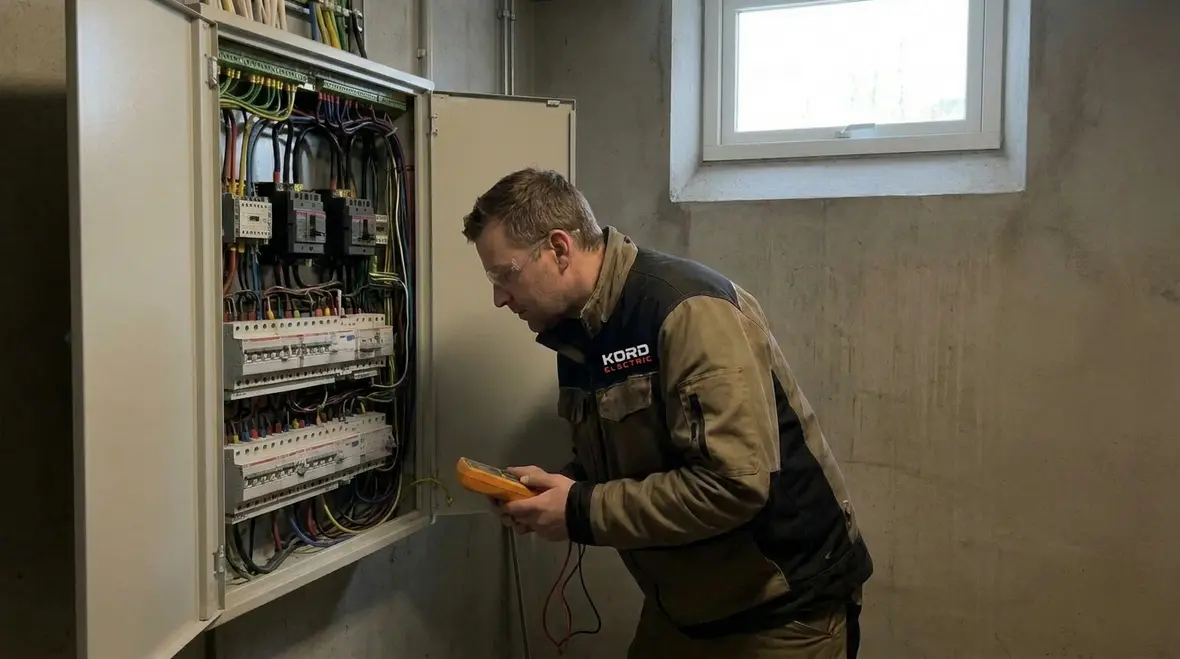
That is why we approach commercial electrical panel upgrades with a safety first mindset. Our expert service staff focuses on protecting people and equipment. We check for conditions that threaten safe operation, including overheating at connections, degraded insulation, and protection that does not match the circuit design. We also look at whether components meet current standards used in commercial and industrial work.
We explain these issues in a calm, straightforward way. Facility leaders get clear notes they can share with stakeholders, and operations teams get guidance on how to reduce risk right away. In short, we avoid vague recommendations. We treat upgrades as engineering work, not guesswork. If the panel is ready, we say so. If it needs change, we lay out a plan.
Code and standards matter here, too. Modern panels and distribution equipment must align with current requirements in resources like the National Electrical Code. When facilities upgrade, they often use the opportunity to correct past issues and bring installations closer to the expectations outlined in guides such as NFPA 70: the National Electrical Code explained for 2026. Doing so supports safer operations, easier inspections, and clearer documentation for future work.
Avoiding hidden risks with structured maintenance
Panels do not live in isolation from the rest of your maintenance strategy. The same conditions that push you toward commercial electrical panel upgrades—heat, dust, load growth, and aging components—also justify a structured, ongoing maintenance plan. Many properties combine upgrade projects with ongoing support using programs like electrical preventive maintenance services, so issues stay visible long after new equipment is installed.
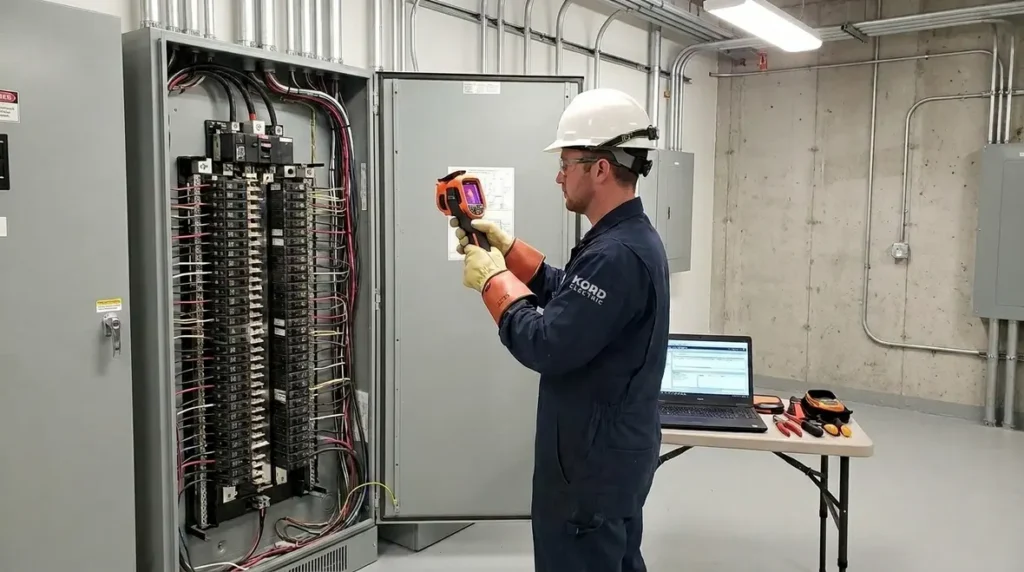
When upgrades and preventive maintenance align, panels benefit from regular inspections, thermal imaging, and documentation that builds a clear record over time. That record helps facility teams anticipate when the next round of commercial electrical panel upgrades will make sense, rather than waiting for failures to dictate the schedule.
What our technicians do during an upgrade plan
Upgrades should not feel like a guessing game. Our process helps commercial and industrial properties move from uncertainty to a practical plan. First, our technicians gather the facts on site. Then they assess the panel condition, capacity, and the connections that carry power into the building. We also look for signs of past repairs that may have introduced irregularities.
Next, we run a structured evaluation that ties together load demand, equipment ratings, and protection strategy. During this step, our expert service staff explains the findings and what they mean for day to day operations. We do not talk in circles. We talk like people who have to fix the issue at 2 AM, not only write reports at 2 PM.
After the evaluation, we recommend the right approach. Sometimes we expand and modernize. Sometimes we replace sections of distribution. And sometimes we identify a coordinated solution across the service equipment and downstream panels. We plan the work to reduce disruption, and we verify results after installation. That verification matters because the goal is stable, reliable power, not just “new parts.” Power systems should behave, like a well rehearsed team.
Beyond the immediate work, we also help facility leaders understand how upgrades interact with broader reliability goals. For example, when we see panels that have struggled because of unstable supply, we may suggest pairing commercial electrical panel upgrades with support for issues like voltage fluctuations in commercial and industrial facilities. Addressing both panel condition and upstream instability keeps the entire system calmer under real world conditions.
Choosing the right upgrade scope for industrial and major buildings
Not every property needs the same level of work. A major building can have multiple systems that interact, so scope must match reality. For some sites, the best option is panel expansion with improved protection, allowing safer growth for future circuits. For others, the panel’s age, condition, and internal layout make full replacement the practical route.
We also consider how the building operates. Does it run 24/7? Do production cycles create heavy peak loads? Are there critical services like refrigeration, life safety equipment, or process controls? Then we tailor the upgrade plan to support continuity. Even when outages are unavoidable for a short window, we help plan for controlled transitions.
In addition, we review how the building is managed. Clear labeling and orderly circuits reduce troubleshooting time. Good documentation helps future upgrades. So we build that into our work whenever possible. It is not glamorous, but it keeps electricians from playing “where is the mystery switch” later. Yes, we have heard that joke. No, it does not help during an actual fault.
For properties that rely heavily on panels and switchgear, it also makes sense to consider maintenance standards that focus specifically on that equipment. Resources like NFPA 70B electrical panels and switchgear maintenance provide guidance that lines up naturally with commercial electrical panel upgrades. Together, they help facility teams treat panels not as one time projects, but as critical assets in a long term reliability strategy.
Connecting panel upgrades to bigger reliability plans
When facilities think beyond a single project, upgrades start to look more strategic. Combining commercial electrical panel upgrades with structured programs like commercial and industrial electrical maintenance plans builds a stronger backbone for your electrical infrastructure. Instead of bouncing between emergencies, you move toward a rhythm of planned improvements, clear reporting, and steady performance.
Over time, that approach helps major properties support expansions, renovations, and technology upgrades with less stress. Panels stay ready for the next change instead of becoming the bottleneck that stalls it.
FAQ: commercial electrical panel upgrades for major properties
Final word: plan your next move with Kord Electric
If your facility depends on stable power, waiting for a failure is a risky business strategy. At Kord Electric, we help commercial and industrial buildings plan commercial electrical panel upgrades with clear findings, practical scope, and careful scheduling. Our technicians explain what we see, why it matters, and what comes next so you can make confident decisions. If you want a calm plan instead of a stressful outage, contact us today and we will get started with an on site assessment.
For many facilities, panel work is just one piece of a broader service strategy. If you are building out a roadmap for reliability, explore how our electrical preventive maintenance services and related offerings support the panels, feeders, and equipment you rely on every day. Together, they create a safer, more predictable environment for tenants, production, and long term growth.
When you are ready to talk through options, our commercial team is here to help you match upgrade scope to your building’s reality, not just a generic checklist.