Commercial Breaker Keeps Tripping Causes Explained
When a Commercial Breaker Won’t Stay Put, Here’s What Usually Happens
At Kord Electric, we hear the same complaint again and again: the commercial breaker keeps tripping, and it keeps doing it at the worst possible time, like right when the HVAC kicks on or the lunch rush hits. In most commercial and industrial facilities, the commercial breaker keeps tripping causes usually point to one of a few real issues. We often find overload from too much load on a circuit, a failing breaker, loose wiring, ground faults, water or dust intrusion, or a problem downstream like a motor or damaged equipment. And yes, sometimes someone plugs in “just one more thing” and the building pays the price.
Below, our expert service staff and technicians walk through what drives nuisance trips, how to pinpoint the cause safely, and what fixes hold up after the reset button cools down.
How Commercial Loads Trigger Trips in Real Work Environments
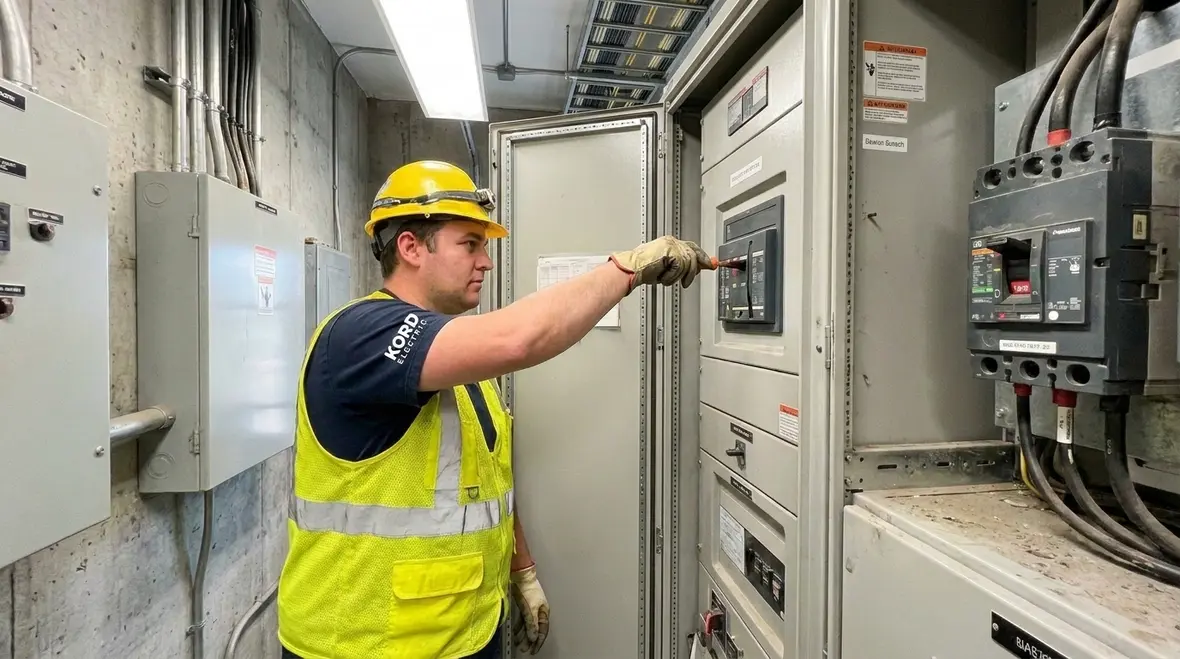
Commercial buildings do not run on one steady condition. Instead, they swing through daily peaks, seasonal changes, and after hours startups. Consequently, a circuit that looked fine on paper can overload in real life. If multiple systems run at once, the breaker may trip even when nobody feels like they are “doing anything.”
For example, refrigeration compressors, kitchen equipment, variable frequency drives, elevator feeders, and lighting controls can add up fast. In addition, motors draw higher starting current, so a circuit can trip during start up even if the steady running current seems normal.
Our technicians often confirm this by checking load patterns and comparing measured current to breaker ratings. Then we verify if the breaker size matches the equipment requirements and if any circuits were altered by past tenant improvements. Sometimes the electrical system follows old plans, while the building follows a new reality.
And just to lighten the mood, if a breaker has to “hear a joke” every morning because it trips at the same hour, that is usually a clue. It means the cause is consistent and trackable.
If that pattern sounds familiar, you do not have to keep guessing. Our broader electrical troubleshooting for facilities approach uses the same methodical load checks and root cause thinking, so the next trip becomes the last one for that circuit.
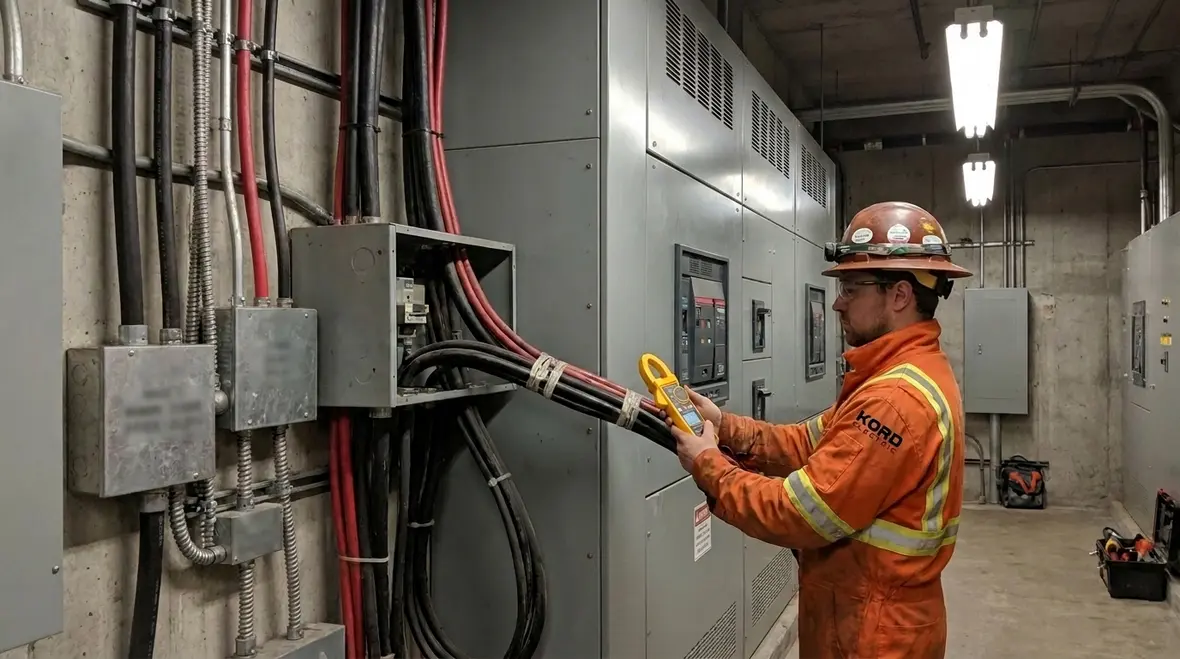
What Overload and Short Circuits Look Like to the Breaker
A breaker trips for a reason, and it tells a story if you know how to listen. Overload typically shows up as gradual stress. Short circuits usually hit with a quick, high fault current. Both can cause trips, but the pattern matters.
When overload occurs, it may trip after a delay, or it might trip repeatedly when certain equipment runs. Meanwhile, a short circuit tends to trip instantly or very quickly. However, a “nuisance trip” can still be real damage waiting to happen, especially when insulation breaks down or moisture gets in.
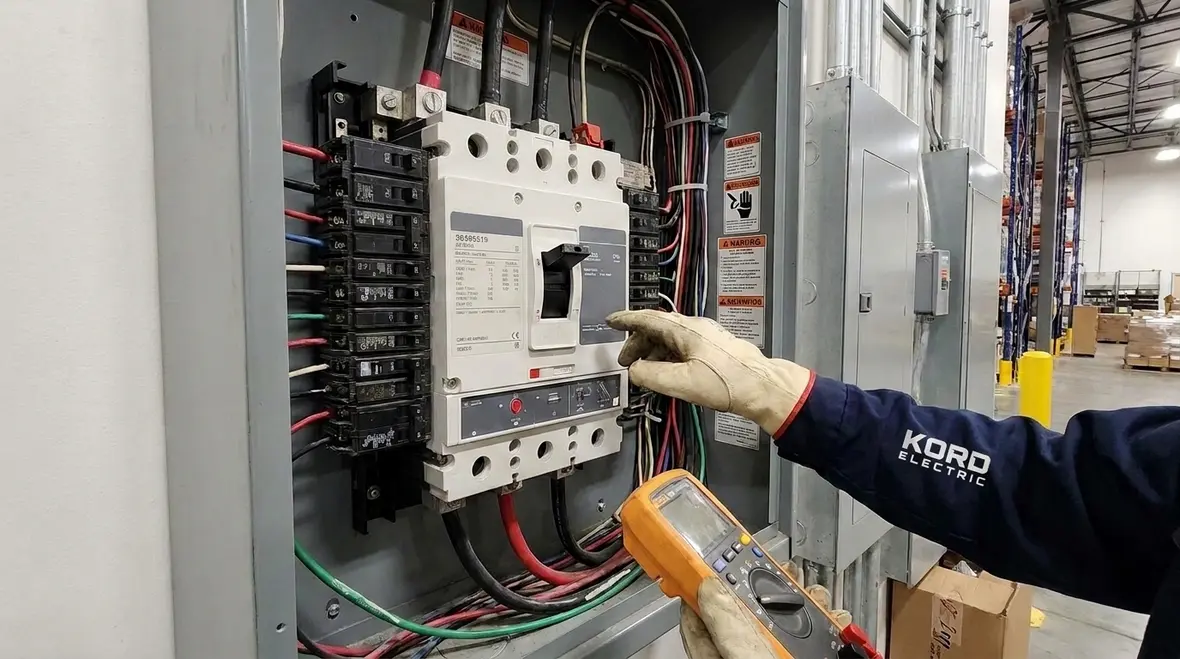
Our expert service staff helps owners avoid guessing. We inspect the connected equipment, review the breaker’s time current characteristics, and test the circuit behavior under load. Then we look at whether the trip aligns with a specific motor start, a specific panel schedule, or a specific area. In commercial and industrial facilities, the details matter because the downtime cost is real.
That is also why we build troubleshooting into design and maintenance. In resources like our guides on power redundancy and emergency power design, we emphasize that proper protection and coordination help breakers trip for the right reasons—not every time a normal inrush happens in the middle of your production schedule.
Loose Connections and Panel Wear: The Quiet Trip Masters
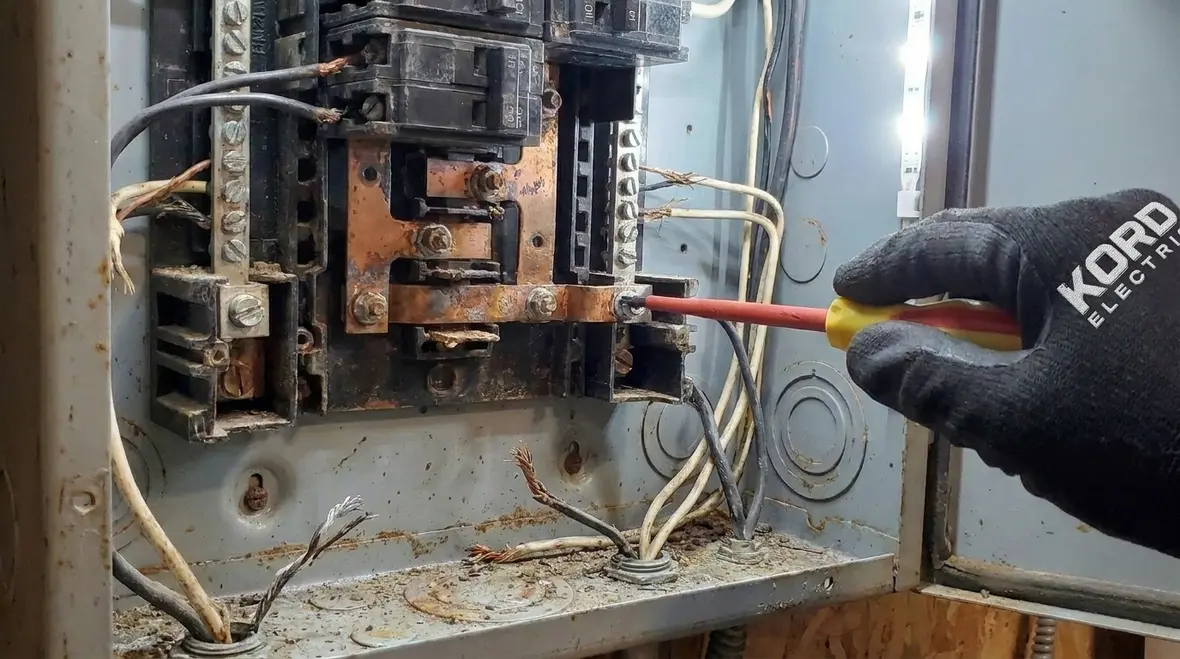
Some faults behave like they are shy. They hide until heat, vibration, or humidity changes conditions. Then, a loose connection begins to heat up, resistance rises, and the breaker trips to protect the system. This can happen at the breaker itself, bus bar connections, or inside junction boxes.
In older panels, corrosion and aging can also create higher resistance points. Dust and moisture worsen the problem, and if a facility operates in a harsh environment, that risk grows. Even routine maintenance that moves wiring or adds devices can introduce a connection that no longer clamps properly.
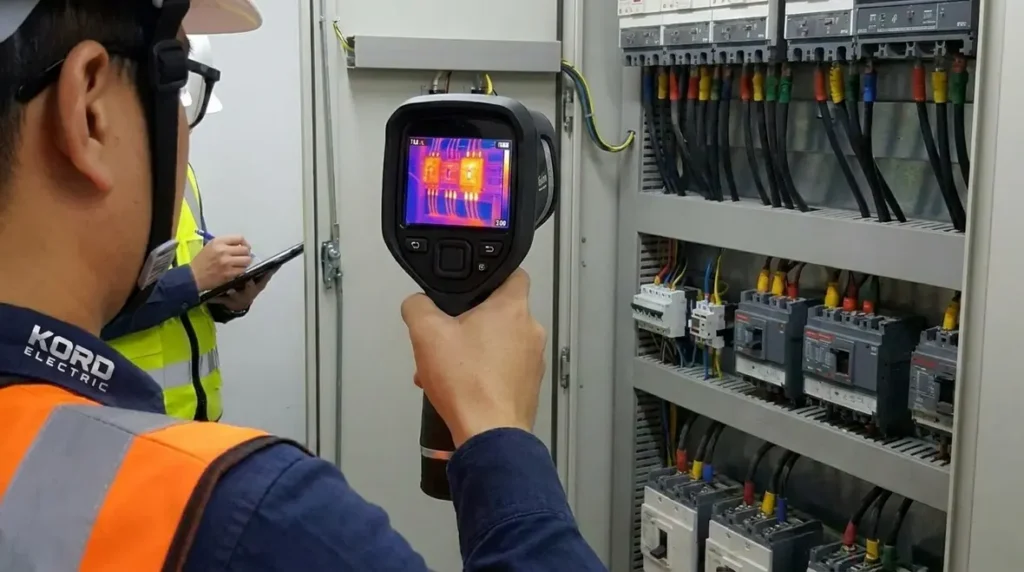
To tackle this, we use proper inspection methods that commercial and industrial systems require. Our technicians tighten and verify terminations when needed, check for signs of overheating, and identify circuits with unstable connections. After that, we recommend corrective work that prevents the same problem from returning after the reset.
Because resetting a breaker without fixing the cause is like putting duct tape on a leaky pipe. It might buy you a minute, but eventually the mess comes back. And the building does not like surprise maintenance either.
If panel wear and subtle connection issues keep showing up, a broader panel or system upgrade may be part of the answer. That is where our Los Angeles County electrical services help owners plan bigger fixes in a way that matches real-world operations, not just the blueprint from twenty years ago.
Ground Faults, Moisture, and Insulation Problems That Trip Protection
In many commercial breaker keeps tripping scenarios, the cause is tied to ground faults or insulation breakdown. Ground fault conditions can pull current to paths it should not use, and that triggers protective devices. Moisture and contamination often push the system into this situation by reducing insulation resistance.
What makes this tricky is that insulation problems might not appear during inspection on a dry day. However, once humidity rises, cleaning chemicals leave residue, or a leak spreads, the breaker may trip. Additionally, water intrusion can come from roofs, plumbing areas, HVAC condensate issues, or even condensation inside enclosures.
Our team helps facility managers treat this like a process, not a guessing game. We check for signs of water damage, inspect cable routes, and evaluate insulation condition where safe. Then we trace faults to the equipment or section of wiring that triggers the protective response.
We also coordinate with property teams to make sure repairs align with how a facility actually operates, especially in major property buildings where access windows matter.
If you already know that certain areas collect moisture or see recurring leaks, pairing corrections with broader emergency power and reliability planning can pay off. Moisture-driven faults have a habit of waiting until a storm or peak hour outage to introduce themselves, and that is when emergency systems and breakers have to perform perfectly.
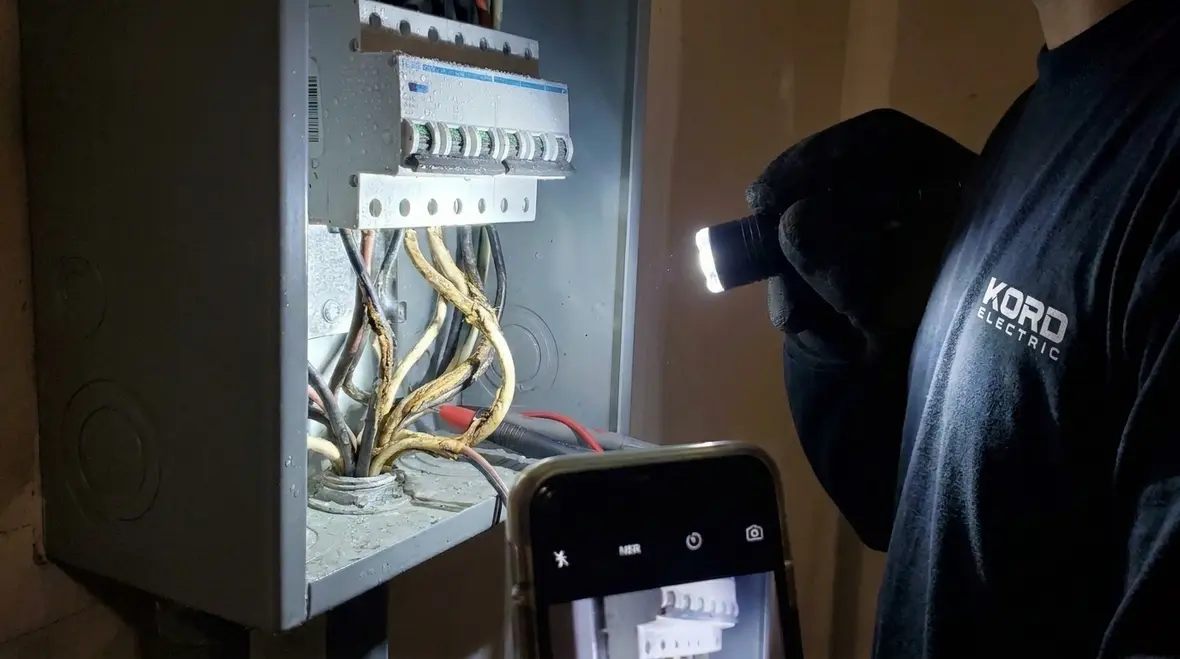
Breaker Failure, Wrong Settings, and Equipment That Does Not Match the Panel
Sometimes the breaker fails. Other times, the breaker is fine, but the system around it changes. Either way, mismatches create trips that owners often blame on “the breaker,” even when the real culprit lives somewhere else.
Breaker wear can happen from age, overheating history, or repeated trips. When a breaker loses its ability to perform within spec, it can trip early or behave inconsistently. In parallel, wrong settings or improper protective device selection can cause nuisance behavior.
Also, equipment upgrades can quietly break assumptions. If a facility adds load, swaps a motor, or installs a new process line, the existing circuit design might no longer fit. And if someone retrofits without updating the load study or panel schedule, the breaker may become the first thing to complain.
Our technicians handle this with careful checks. We review equipment nameplate data, confirm breaker ratings, and verify coordination between devices. Then we recommend upgrades only when needed, prioritizing safe operation for commercial and industrial facilities rather than quick fixes that fail again.
For facility teams that have already chased a few “mystery trips,” this kind of coordination work often connects with broader strategies we cover in our power redundancy and emergency power design resources. In short: design the system like uptime actually matters, instead of hoping every old breaker behaves perfectly forever.
How We Find the Root Cause Without Interrupting the Whole Building
In a major property building, outages cost money and patience. That is why our approach stays methodical. First, we gather the trip history. We ask when it trips, what equipment runs around that time, and whether any work happened before the issue started.
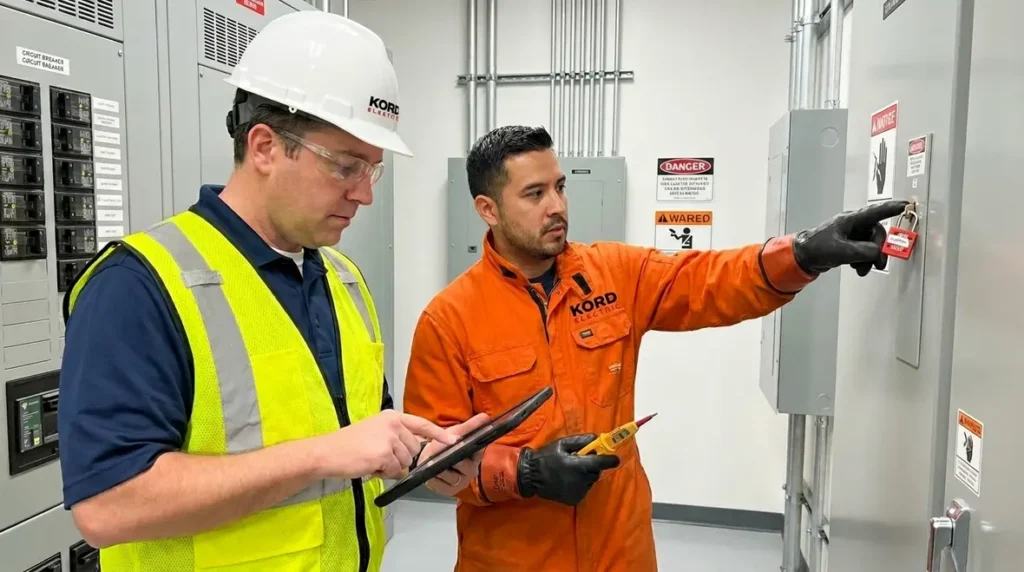
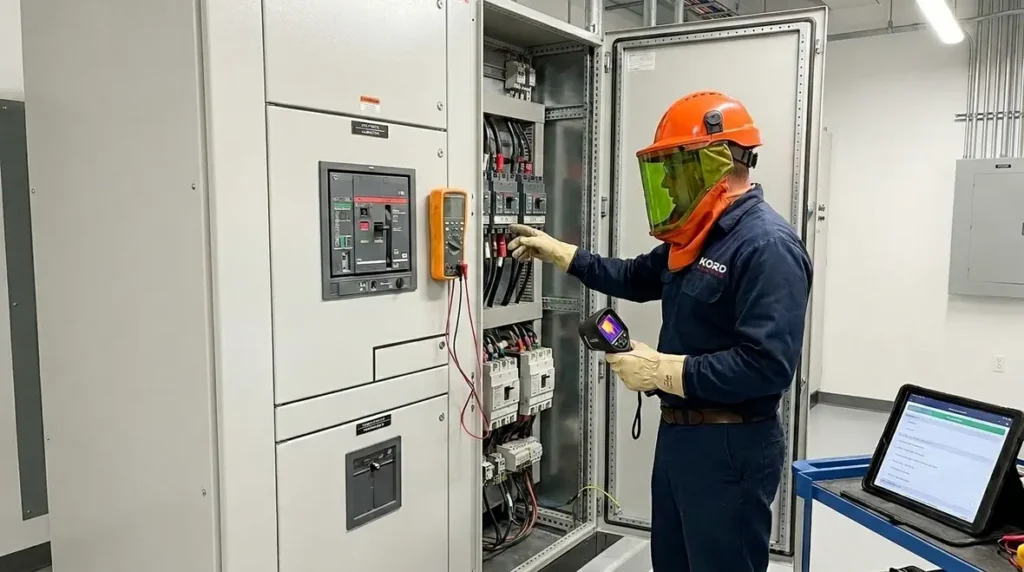
Next, our expert service staff inspects the panel and downstream circuits for visible risk, like corrosion, loose terminals, or signs of overheating. Then we test safely, using methods designed for real facility conditions. When the system needs measurement under load, we coordinate with the property team to reduce downtime.
As we narrow the cause, we also check whether the solution corrects the underlying problem. We do not just reset and walk away. Instead, we verify that the new condition stays stable after repairs and that the circuit will handle normal commercial operation patterns.
In short, we treat the circuit like a living system, not a stubborn appliance. If the building runs, it should run reliably. And yes, we understand that reliability is the real boss in most commercial and industrial spaces.
For deeper reliability planning across panels, feeders, and emergency systems, many facility managers also look at our broader guides on electrical troubleshooting and power redundancy. Combining that big-picture planning with targeted breaker diagnostics is how we keep nuisance trips from becoming a recurring line item in your operations log.
Maintenance Practices That Reduce Future Trips for Commercial and Industrial Properties
After the fix, the smart move is prevention. Routine maintenance reduces trips by addressing small issues before they become protective shutdowns.
We recommend scheduled inspections for critical panels and feeders, especially in facilities with heavy motor loads, frequent process changes, or high humidity. We also encourage good documentation, so future upgrades do not erase the story of what was installed and why it worked.
In addition, we support owners with load management reviews. That can include checking whether circuits carry the loads they were designed for and confirming that breaker sizing aligns with equipment needs. When tenants change, systems change. Keeping electrical planning current helps prevent the “mystery trip” that shows up days after a renovation.
Finally, we advise property teams to address water intrusion and contamination quickly. Moisture is not just uncomfortable. It is an electrical risk multiplier, and it can trigger commercial breaker keeps tripping causes that come and go like a bad TV rerun.
If you manage multiple buildings or a large property portfolio, integrating these habits into a wider preventive maintenance and troubleshooting plan can keep both nuisance trips and genuine faults from turning into emergencies.
FAQ
Need Reliable Power for Your Facility? Call Kord Electric
When a circuit keeps tripping, we do not treat it like a daily inconvenience. We treat it like a safety and uptime problem. At Kord Electric, our technicians and expert service staff locate the root cause, correct the electrical issue, and help protect commercial and industrial operations from repeat failures. If your commercial breaker keeps tripping causes feel random, call us for a proper evaluation and a plan that restores stable power. Your building deserves less drama and more reliability.
If your facility is dealing with breakers that refuse to stay on, consider pairing this troubleshooting effort with a broader look at your distribution, emergency power, and load management strategy. For example, our commercial guides on electrical troubleshooting and power reliability walk through how panels, feeders, and protective devices should work together. And if you manage properties across the region, you can connect this work with our dedicated Los Angeles County electrical services for commercial buildings, so breaker fixes, panel upgrades, and future projects stay coordinated instead of scattered across vendors.
Whether you are chasing one stubborn circuit or planning a full panel and distribution upgrade, the goal stays the same: safe, predictable power that lets your team focus on running the facility, not babysitting breakers.