Signs Commercial Electrical Panel Needs Replacement
When commercial buildings start acting like they have a power “mood swing,” the culprit is often the electrical panel. At Kord Electric, we often hear the same question from managers and owners: could this be one of those moments where signs commercial electrical panel needs replacement is not just a hunch, but a real, measurable warning?
We will walk through the most reliable indicators, what we see in the field, and how our experienced technicians interpret the clues. And yes, we explain it plainly, because nobody should need an engineering degree to understand why the lights flicker like a bad sitcom. If you own or run a commercial or industrial facility, or a major property building, this matters.
Quick facts: what we check on a commercial electrical panel
First, our team follows a simple idea. Electrical panels do not “mature” into safe equipment just because time passed. Over time, they collect heat, dust, moisture, and mechanical wear. Then, the internal parts lose their ability to do their job. Therefore, our inspections focus on both visible and hidden risks.
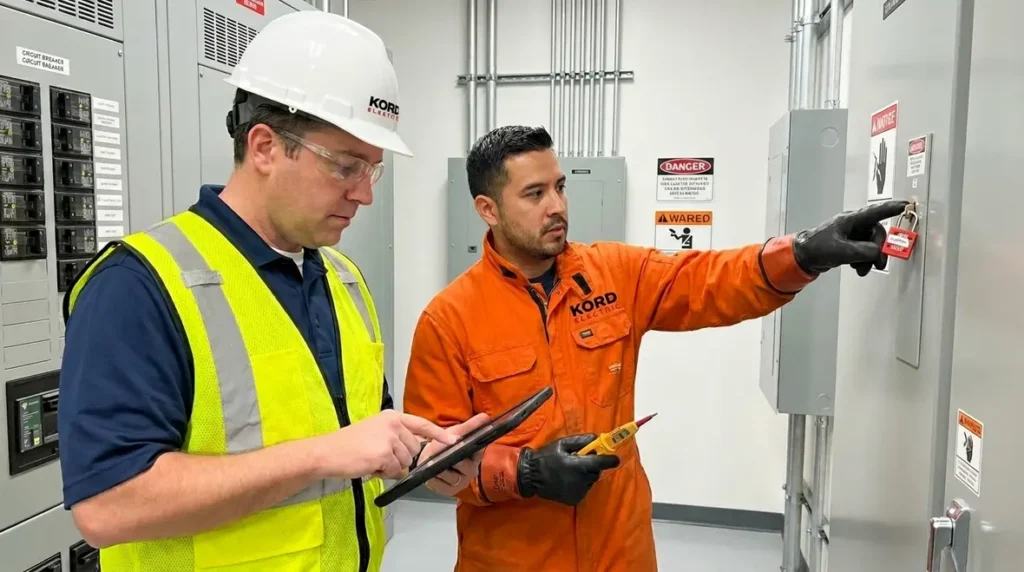
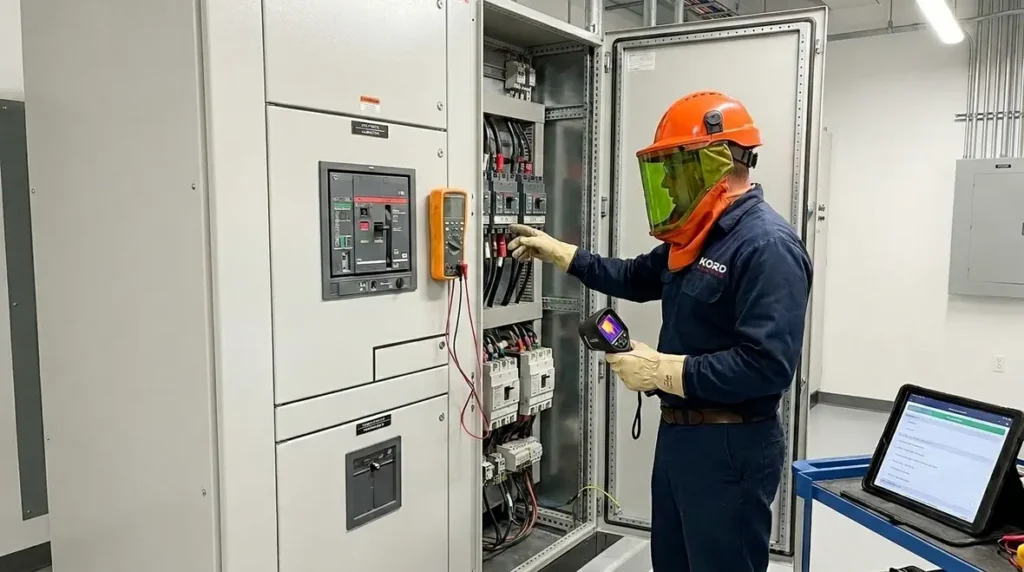
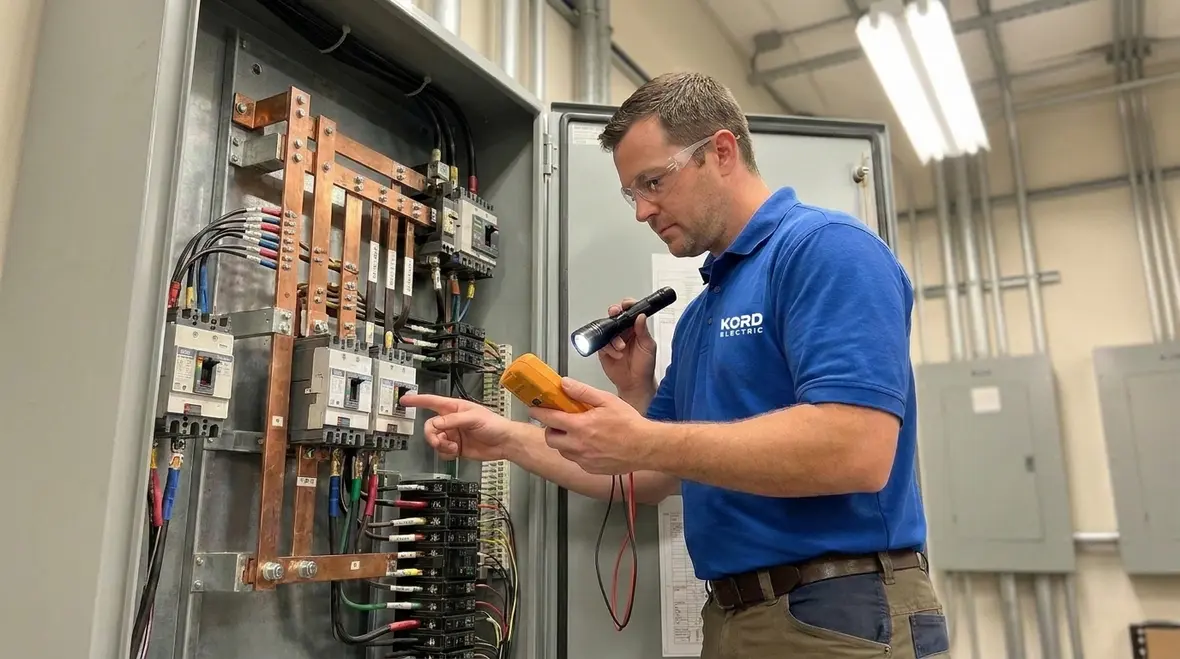
Our expert service staff typically review these areas during a panel assessment:
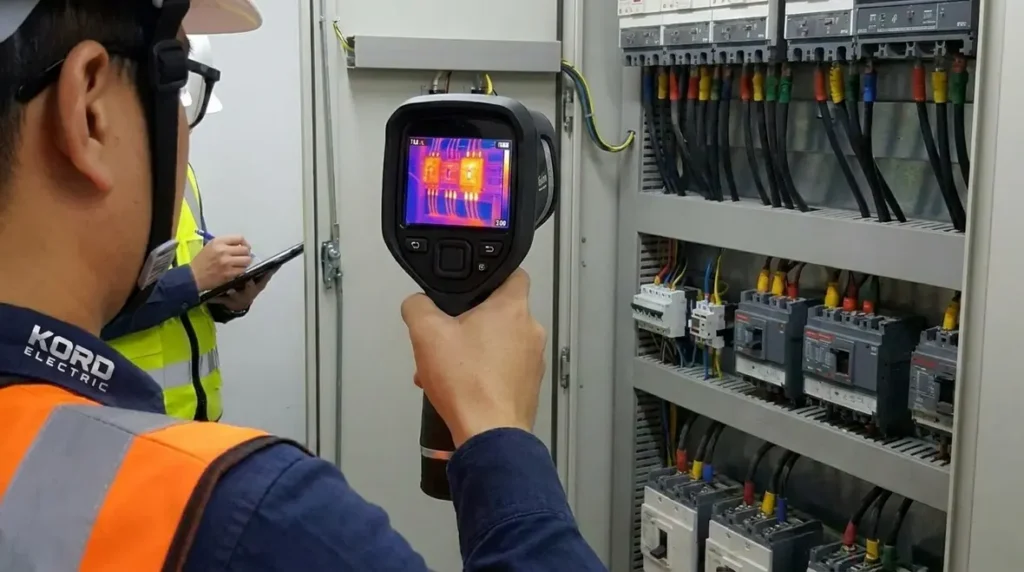
- Bus bars, breakers, and terminations for signs of heat stress
- Torque condition of connections, since vibration and load cycling loosen things
- Overcurrent protection behavior such as frequent nuisance trips or failure to trip
- Panel rating and load balance to confirm the system still matches the building demand
- Grounding and bonding to verify safe fault clearing
In other words, we do not just look for obvious damage. We look for the pattern behind the damage, because that is where prevention lives.
Heat, odors, and discoloration: early failure clues
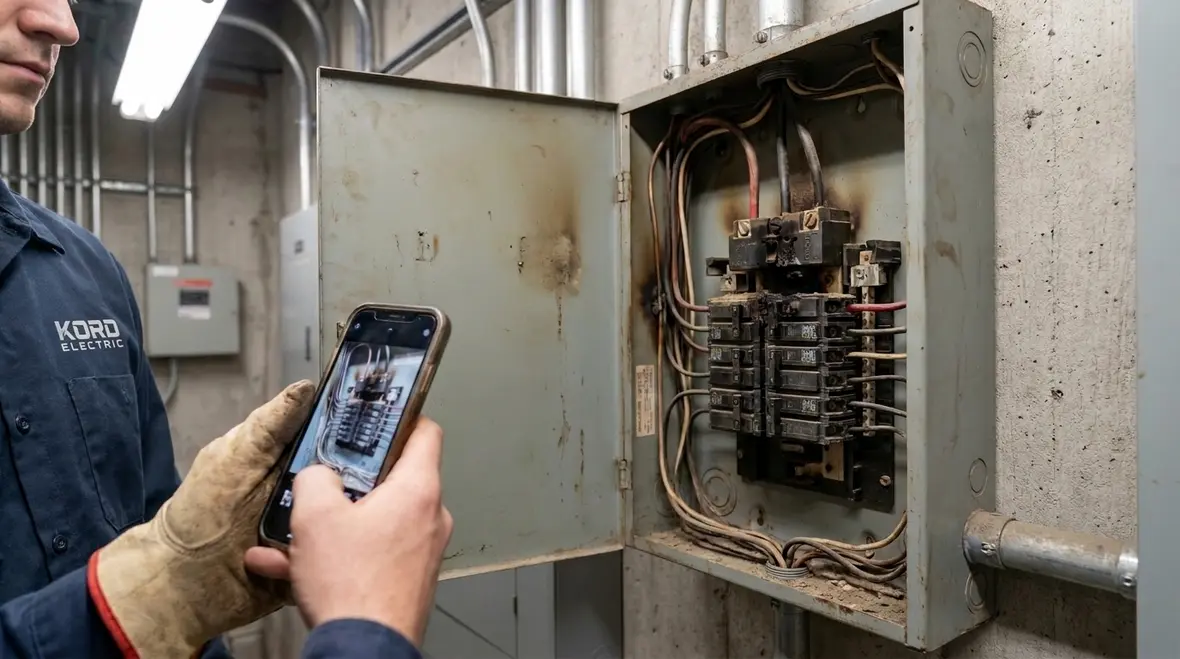
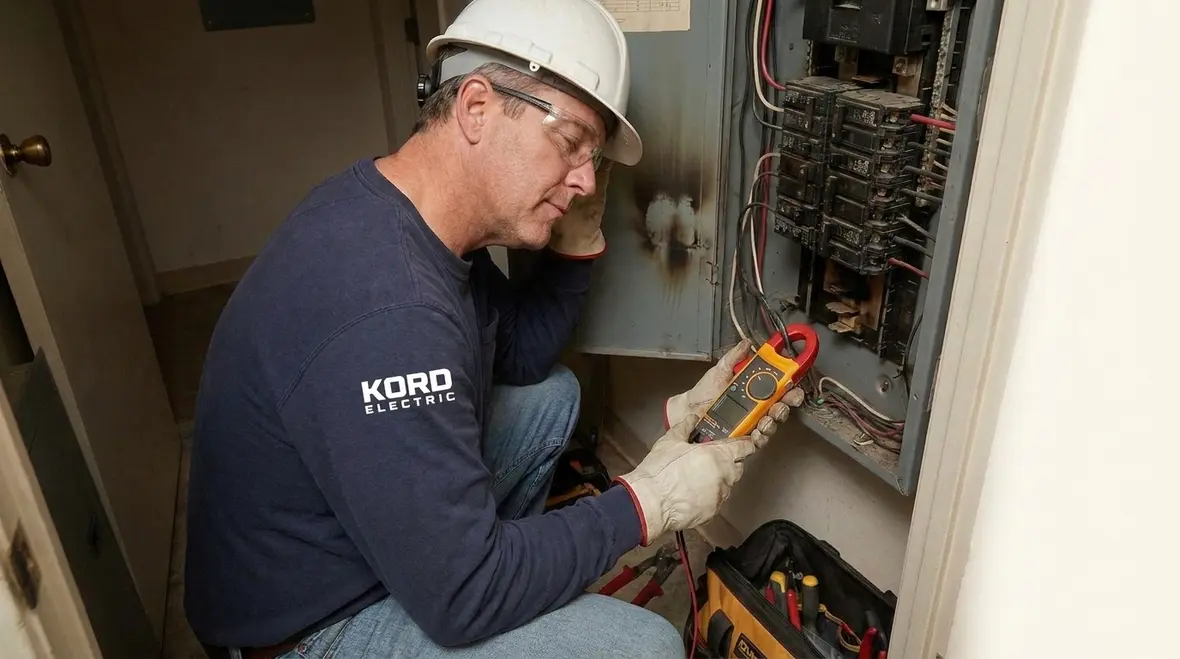
Let’s start with the most honest signals. Heat leaves fingerprints. If a panel door looks darker than the surrounding area, if you notice a persistent burnt smell, or if the cabinet feels hotter than the rest of the electrical room, you do not have a “wait and see” situation. In commercial settings, problems escalate fast because loads run for longer hours and cycling is constant.
Our technicians watch for:
- Brown or black spotting around breakers and internal terminations
- Melted insulation at the wire entry points or inside the cabinet
- Staining that suggests repeated thermal events
- Warped metal near the panel interior from sustained heat
Now, here is the part that keeps people up at night. Even if the panel still powers the building, heat can degrade connections silently. Then, the next heavy draw sends localized temperature even higher. Therefore, when owners see early signs, we recommend action before the panel turns into a very expensive light show.
If you have been searching for signs commercial electrical panel needs replacement, start here. Heat and odor show up before total failure. In fact, they often appear when someone has not yet linked the issue to panel condition.
Frequent tripping and stubborn faults that do not clear
Another big indicator involves how the protection devices behave. Breakers should trip in a predictable way, then reset safely if the cause is cleared. However, when breakers trip repeatedly with no clear reason, or when they refuse to trip during a fault, the system becomes unstable.
Our expert service staff explain it like this: breakers and panel components work as a team. If one part degrades, the whole setup loses reliability. As a result, you get nuisance interruptions, power interruptions, or worse, delayed fault clearing.
We typically look for:
- Nuisance tripping that interrupts production or operations
- Arcing indicators such as crackling, buzzing, or burn marks
- Inconsistent trip curves where protection no longer matches the hazard
- “One breaker that always seems to fail” and drags the rest of the panel down
And yes, we have heard the jokes. People say, “Our breaker is just dramatic.” But the panel is not dramatic. It is warning you. When the electrical panel struggles to protect the facility, the risk becomes a business problem, not just a maintenance item.
Outdated equipment and changing building loads
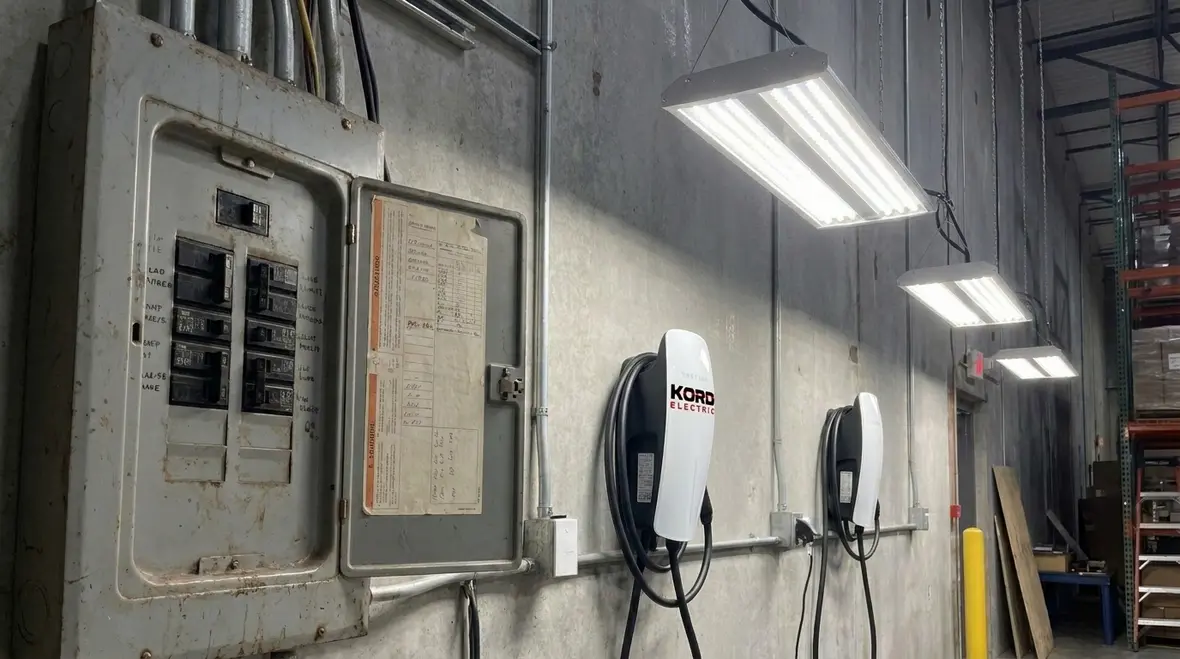
Many commercial and industrial buildings modernize quietly. A warehouse adds new racking lights. An office expands with new workstations. A facility installs EV charging. Then the electrical load climbs, sometimes faster than owners expect.
Meanwhile, an older panel may have been rated for a prior era of demand. Therefore, even if the panel still runs today, it might operate at higher stress than it can handle safely long term.
Our technicians evaluate panel capacity and real operating conditions. We verify whether:
- The panel rating matches present and near term loads
- Load balance stays within safe limits so one side does not overheat
- Breaker spaces and protective coordination can support newer equipment
- Wiring and components remain compatible with current standards and safe practices
We also consider the facility’s operational profile. If your system carries critical loads for long hours, we push for earlier upgrades. That is because “good enough” in an office lobby can still become a real downtime issue in a factory or data heavy environment.
When you hear contractors talk about “retrofits,” we encourage a bigger, more accurate conversation. Sometimes a partial fix makes sense. Other times, the facility needs a full panel replacement because the panel has reached its safe operating limits.
Loose connections and corrosion that creep in over time
Heat and overload get the spotlight, but loose connections and corrosion often do the slow damage. In many commercial buildings, panels live in environments with dust, cleaning chemicals, humidity swings, and vibration from nearby equipment. Over time, these factors loosen terminations or encourage corrosion at contact points.
Here is how we explain it. Electricity wants stable paths. When connections loosen, resistance rises. Then resistance creates heat. And when heat repeats, components degrade. It is a chain reaction that does not care about your calendar.
Our field checks include:
- Signs of corrosion on hardware and contact surfaces
- Evidence of moisture intrusion around the enclosure and wire entries
- Worn labels that hide what is actually connected to what
- Missing or damaged cable supports that add strain at terminations
In addition, we confirm that any maintenance performed in the past did not create new risks. For example, replacing a breaker without correcting an underlying connection problem only delays the next failure. Consequently, our approach aims to solve the root cause, not just the symptom.
Why professional panel replacement matters for business owners
Replacing a commercial panel is not a weekend DIY project. It involves safety, coordination, and proper handling of high energy components. If work gets rushed, it can increase risk during the transition. Therefore, we build replacement plans that fit real business operations.
Here is what Kord Electric focuses on for commercial and industrial facilities and major property buildings:
- Power down strategy that reduces downtime and supports operational needs
- Proper sizing and engineering review so protection matches the load profile
- Clean terminations and correct torque to prevent early re failure
- Testing and verification to confirm safe operation before we leave
- Clear explanations from our technicians so facility teams understand what changed and why
And because we respect your time, we also document findings so you can plan budgets with confidence. In business, the best surprise is no surprise. We help you avoid the “we found it after it happened” scenario, where repairs cost more and operations suffer longer.
So, when owners ask about signs commercial electrical panel needs replacement, we do not treat it like a vague concept. We treat it like a decision with evidence. Our technicians bring that calm, deliberate evaluation that helps you choose with clarity.
If you are comparing panel health with broader capacity planning, you can also review our guidance in the Electrical Service Panel Capacity Evaluation Guide, which shows how load growth and safety margins connect to real upgrade decisions over time.
For facilities already seeing overloaded gear and recurring panel issues, our article on Commercial Panel Upgrade Los Angeles Warning Signs gives an additional, field-tested view of the red flags that suggest it is time to move from temporary fixes to a planned upgrade.
FAQ: commercial electrical panel replacement
Plan your next steps: from warning signs to a safer panel
When the signs start to stack up—hot panel doors, “dramatic” breakers, unexplained outages, or obvious corrosion—it is time to move from guessing to a structured evaluation. That often starts with a focused inspection and may lead into a broader look at how your entire service is handling today’s and tomorrow’s loads.
Kord Electric helps commercial and industrial facilities in Los Angeles County connect those dots through services that range from troubleshooting and preventive maintenance to full electrical panel upgrades and replacements. You can see how this fits into your wider power strategy by reviewing our Los Angeles County electrical services, which outline how panel work, capacity planning, and emergency response all tie together.
CTA: schedule a commercial panel evaluation with Kord Electric
If you notice heat, unusual breaker behavior, or electrical interruptions that disrupt operations, do not wait for the next outage to confirm what your eyes already know. Kord Electric serves commercial and industrial facilities and major property buildings, and our technicians explain findings in plain language. Call us to schedule an evaluation, review your panel condition, and build a clear plan for replacement or targeted upgrades. Let us bring steady power and steady confidence back to your building, fast.
When you are ready to move from “something feels off” to a documented plan, our team can align panel replacement with your broader goals—whether that means clearing long standing maintenance backlogs, preparing for new equipment, or pairing upgrades with a commercial electrical preventative maintenance program so problems stay small instead of becoming shutdown events.
From the first walk through to final testing, we keep the focus on predictable power, clear communication, and realistic scheduling so your facility can keep working while we make the electrical backbone safer and stronger.