Commercial Circuit Breaker Troubleshooting Guide
Quick commercial circuit breaker troubleshooting: what to check first
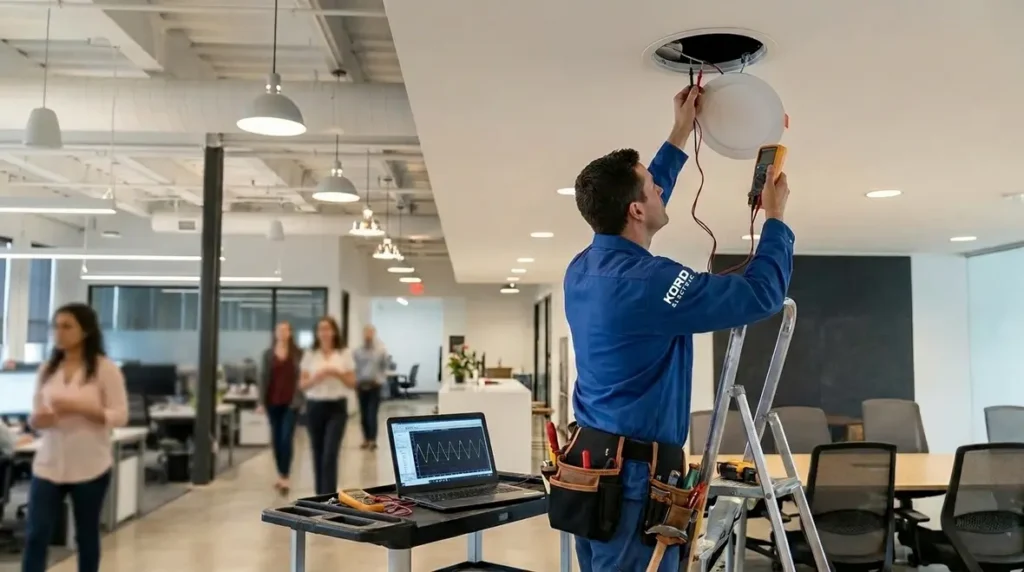
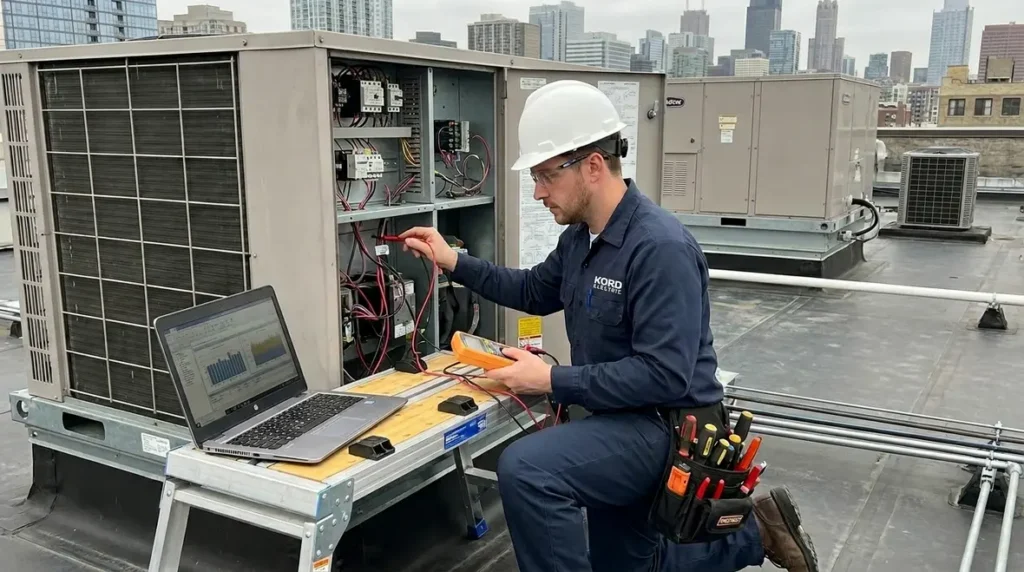
When a commercial circuit breaker acts up, we treat it like a calm, methodical inspection, not a guess-and-pray situation. First, our Kord Electric technicians confirm the complaint and note what changed: new equipment, a recent storm, or odd operating hours. Next, they check the panel for visible signs like burn marks, corrosion, loose labels, and signs of overheating. Then they verify the breaker position, because “it looks on” is not the same as “it is actually working.” After that, they test adjacent circuits, using load awareness and safe verification steps to avoid chasing noise. Finally, our expert service staff documents findings and traces the issue to the load, wiring, or breaker mechanism before swapping parts. Others sometimes rush to replace the breaker first, which is like changing the whole engine because the dashboard light blinked.
Why commercial breaker problems show up in real buildings
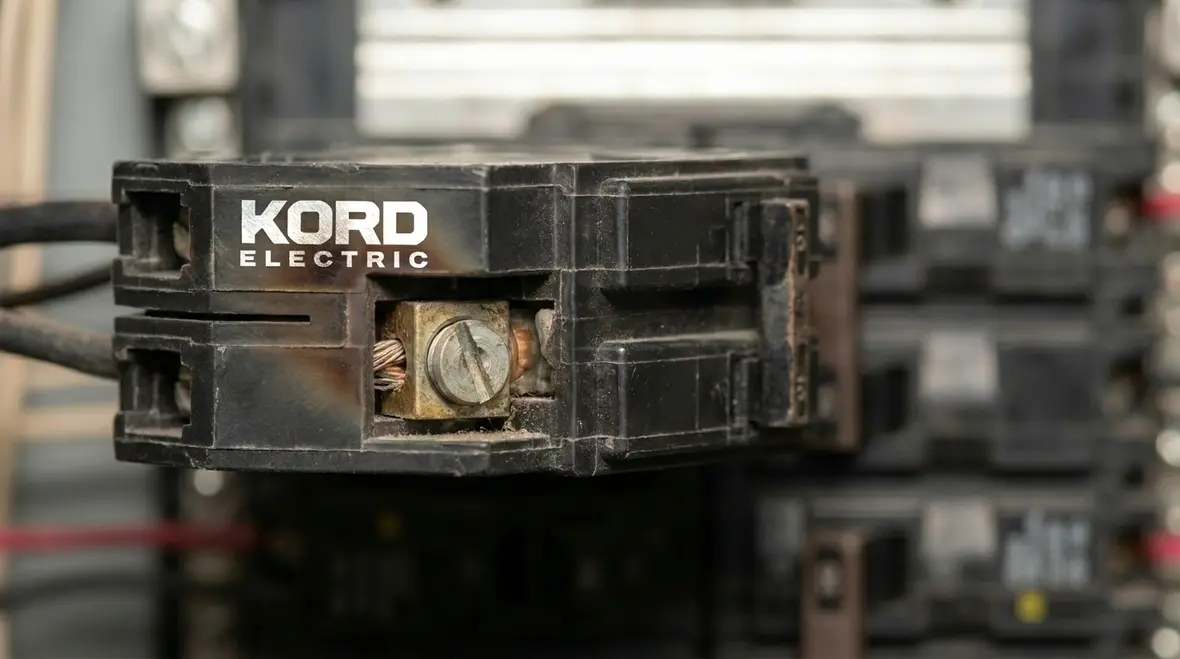
In commercial and industrial facilities, breaker issues rarely appear out of nowhere. Over time, heat cycles, vibrations from HVAC equipment, and demand swings stress components. Even well planned buildings face peak load moments, and those spikes reveal weaknesses faster than a pop quiz reveals poor studying. Furthermore, moisture control, cleaning methods, and housekeeping practices all affect panel health. So, we look at the entire environment, not just the device.
At Kord Electric, our team explains to property managers and facility leads that “nuisance trips” and “no reset” symptoms often point to a specific root cause. Then they can plan a fix that prevents repeat failures instead of just restoring power for a few days. For facilities that are already seeing patterns of breaker trouble or unstable power, it can also help to pair this kind of targeted diagnostics with a broader commercial and industrial electrical maintenance plan so issues get tracked and resolved before they turn into major outages.
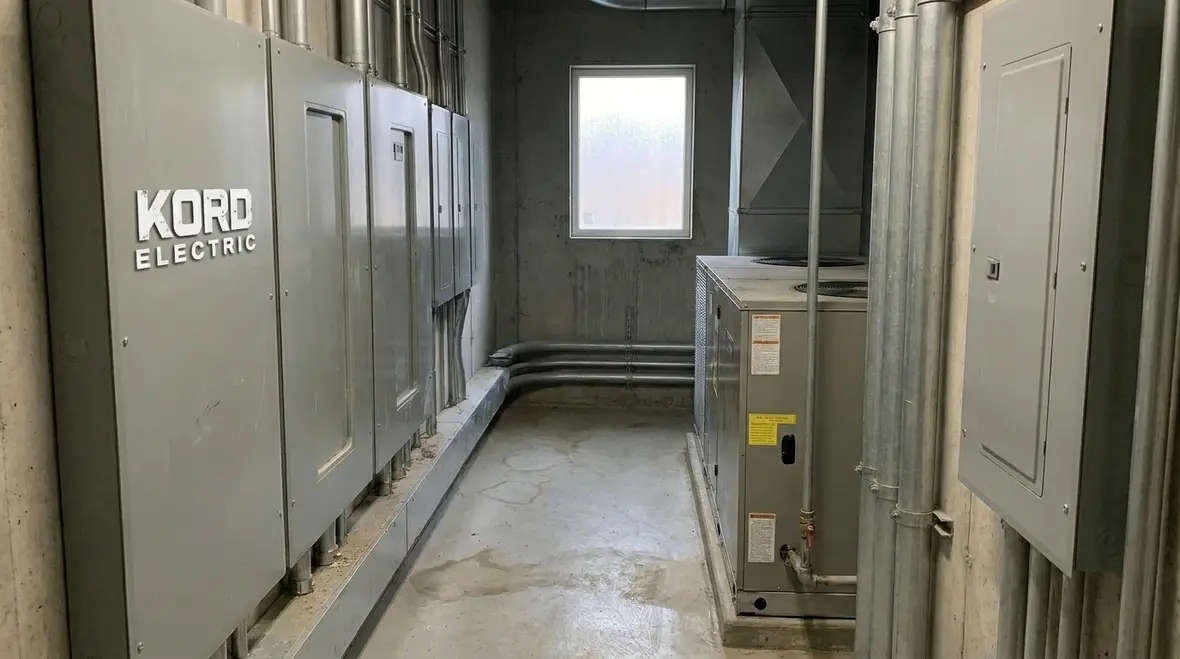
Common symptoms and what they usually mean
Our expert service staff often hears the same set of complaints. However, the meaning behind each symptom can differ based on wiring layout, breaker type, and downstream loads. Here are patterns we see most in major property buildings.
Frequent tripping often links to overload, short circuits, or ground faults. Yet it can also relate to worn breaker mechanisms or a circuit that has been updated over time without a full electrical review.
Buzzing or humming can indicate loose connections or arcing. Meanwhile, a breaker that feels hotter than nearby devices may signal high resistance at terminations.
Breaker will not reset frequently suggests a fault still exists on the circuit, not just a bad reset action. Therefore, we trace the fault before attempting replacement.
Partial power loss may occur when only one leg is affected, or when a device in the branch circuit fails. As a result, operators think “the breaker is bad,” but sometimes the problem sits one level downstream.
By listening closely to what the building reports, we narrow the search and avoid unnecessary downtime. And yes, we also love when the fix is simple, because nobody enjoys debugging at 2 AM like it is an action movie they never bought tickets for.
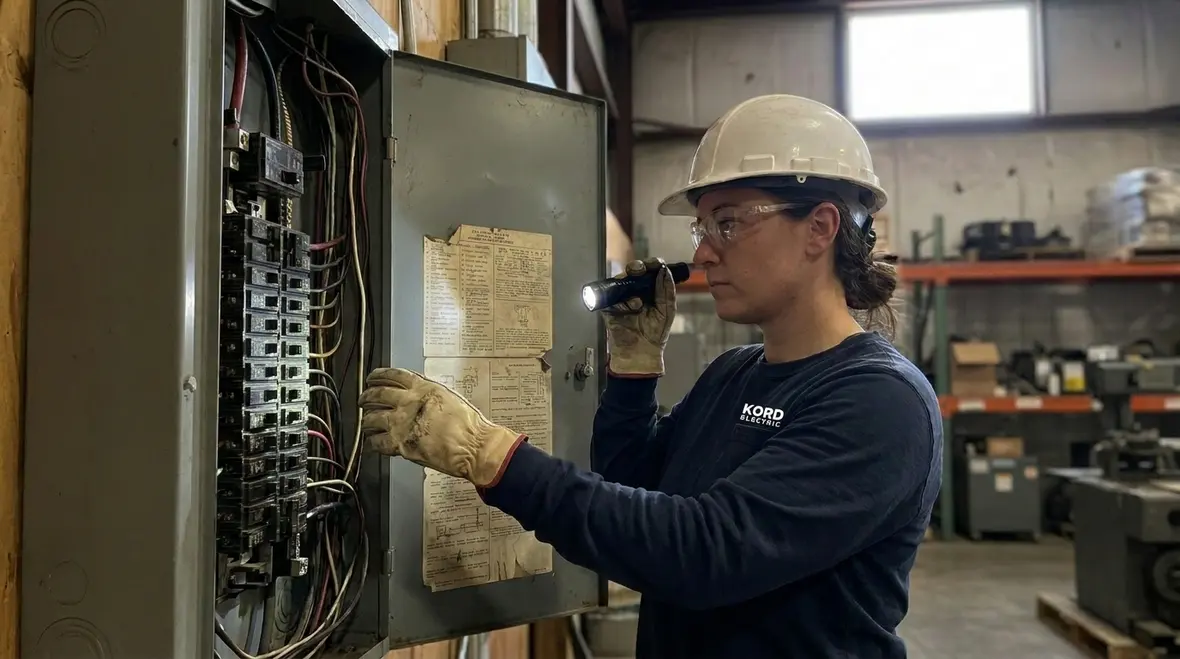
How our technicians troubleshoot without guessing
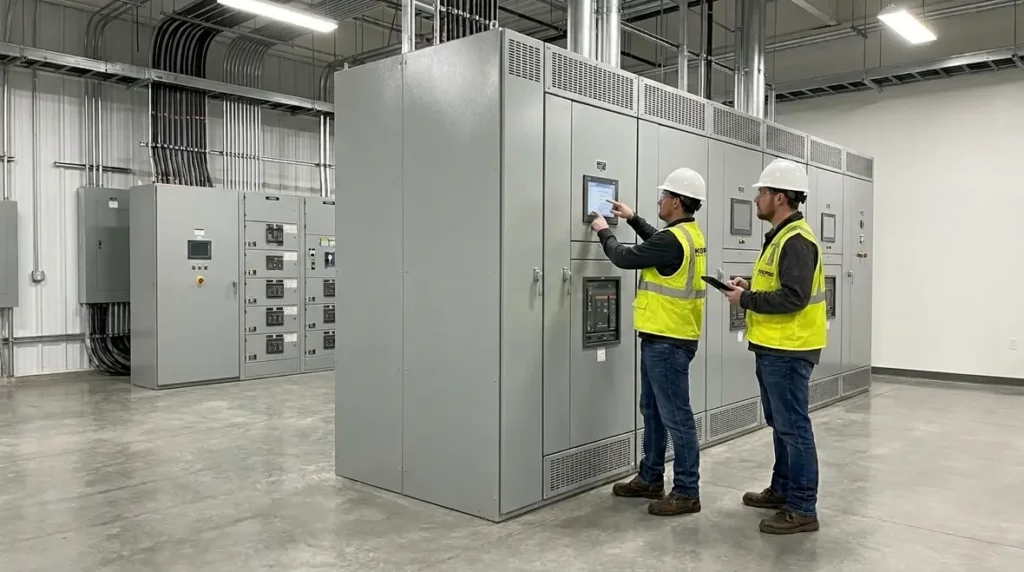
Our commercial and industrial electrical maintenance approach uses structured checks that reduce risk. In practice, we combine safe observation with careful verification, then we confirm results with the right tests. Here is how our team typically works through commercial circuit breaker troubleshooting steps, especially when the issue is intermittent.
Step 1: Verify the event and timeline We collect the history: when the issue started, which floors or suites lost power, and whether there were alarms or maintenance activities. Then we compare that timeline to building schedules and major equipment runs.
Step 2: Inspect the panel condition We look for heat discoloration, dust buildup, moisture effects, and signs of past arcing. Because an overheating terminal does not hide forever.
Step 3: Check breaker condition and markings We confirm breaker type and rating, and we verify whether it matches the load data for the circuit. After that, we inspect the handle position and ensure nothing physically blocks the mechanism.
Step 4: Analyze connected loads We check what loads are online, then we test likely culprits such as VFD drives, pumps, lighting controls, and large receptacle circuits.
Step 5: Test and isolate the fault When safe and appropriate, we isolate sections and verify the behavior. This may include identifying grounded faults, checking for current imbalance, or tracing short conditions.
Step 6: Confirm and document Once we identify the cause, we document readings and corrective actions. We also explain what we found in business friendly terms, so the facility team can plan maintenance with clarity.
Throughout, our expert service staff keeps the focus on cause and prevention. Otherwise, a reset today can become a repeat trip tomorrow. And that is not a plan, it is a cycle.
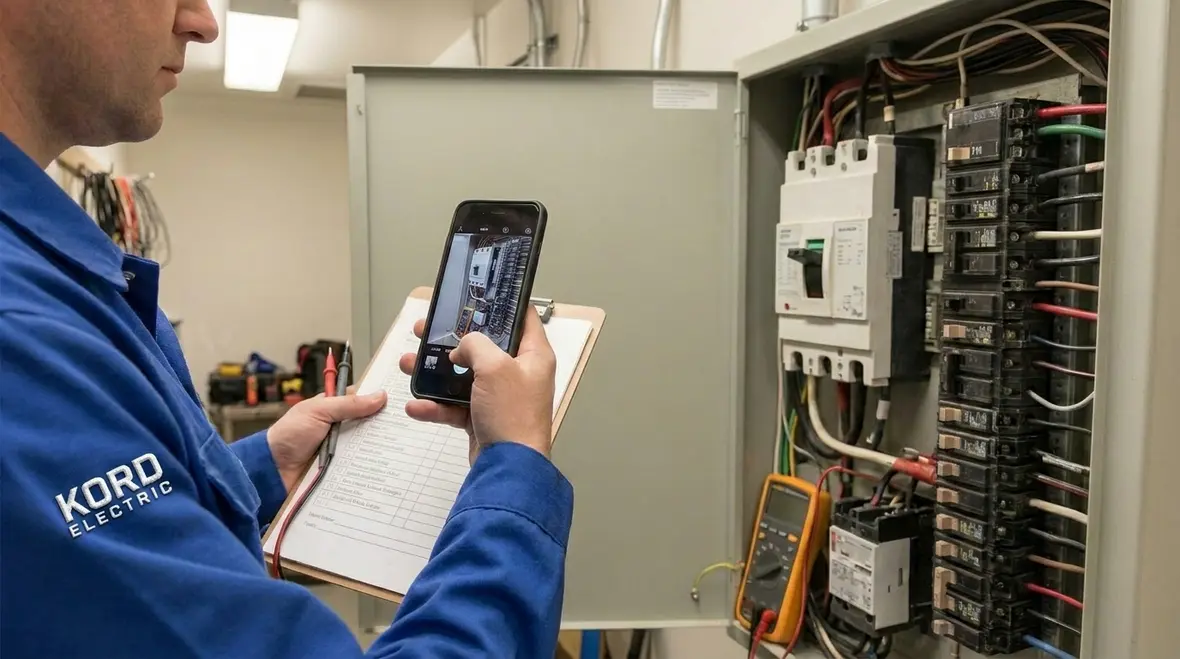
Electrical maintenance plans that reduce breaker failures
Many facilities only call after a failure. That is understandable, but we prefer long before the lights go out. Kord Electric supports commercial and industrial electrical maintenance plans designed to keep panels stable and reduce surprise events.
Those plans typically include periodic inspection, torque verification where applicable, checks for signs of heat or contamination, and review of protective device coordination. In other words, we do not treat the breaker like a magic box. We treat it like the protective system it is.
Our technicians also help teams track trends. So, if one breaker trips more often than the others, the plan captures that detail. Then we can investigate early, schedule corrective work, and keep operations steady. As a result, property owners and building operators avoid emergency labor and reduce the risk of repeat downtime.
If there is one lesson from the last decade of building operations, it is this: prevention beats panic. Every time. If your site is already juggling voltage swings, nuisance trips, or aging equipment, it is worth pairing this kind of troubleshooting with a formal electrical preventive maintenance program so breaker issues become the exception, not the rule.
Dual column: do this now, and plan what comes next
Immediate actions during a breaker event
- Confirm which circuits lost power and whether only part of a load dropped
- Inspect for visible overheating, smoke residue, or damaged panel covers
- Avoid repeated resets when the fault remains active
- Note any unusual sounds or smells and report them to the service team
Next steps to prevent repeat issues
- Assess upstream and downstream connections for resistance and looseness
- Review load changes such as new HVAC, kitchen equipment, or tenant upgrades
- Verify protective settings and coordination where required
- Schedule maintenance checks per the facility plan for long term stability
When to replace parts and when to fix the cause
Property teams sometimes assume a breaker is either “good” or “bad.” In reality, the breaker can fail, but more often the cause sits elsewhere. Therefore, we separate “replacement” from “repair” based on evidence. If our technicians find damaged terminals, overheating at terminations, or arcing signs, we address the connection problem, not just the breaker. Likewise, if the breaker mechanism shows wear, then replacement makes sense.
We also consider the full protective system. If a breaker trips at consistent intervals during peak demand, we evaluate whether the load has changed or if the circuit design is no longer aligned with current use. Then we recommend the right corrective approach, which may include load balancing, circuit review, or device updates where code and engineering needs demand it.
And yes, sometimes it is a simple fix. Other times, it takes careful detective work, the kind that would make a TV sleuth look undercaffeinated.
FAQ about commercial breaker issues
Closing: call Kord Electric before the next outage
When a breaker acts up, the fastest path to stable power is evidence based troubleshooting and a maintenance plan that fits your facility. Kord Electric serves commercial and industrial buildings with expert service staff who inspect, document, and fix the root cause, not just the symptom. If you want to reduce nuisance trips and avoid emergency downtime, reach out to us today. We will review your panel conditions, discuss what changed in the building, and map the next steps toward safer, steadier operation.
If you are already facing a serious breaker event, partial outage, or panel damage, you can also lean on Kord Electric’s dedicated emergency electrical services team for 24/7 response. For long term stability, pair that support with a structured electrical preventive maintenance program so commercial circuit breaker troubleshooting steps become part of a bigger reliability plan, not just a one-time rescue.