Commercial Electrical Load Testing for Uptime
At Kord Electric, we help commercial and industrial facilities stay reliable by using commercial electrical load testing before small electrical problems grow into big business downtime. In the first steps, our team verifies how your electrical system behaves under real demand, not just under “it seems fine” conditions. Then we schedule repairs or upgrades based on hard data, so you avoid surprise shutdowns, nuisance tripping, and costly production pauses. And yes, we know downtime has a sense of humor. It shows up right when everyone is busy, like a late Uber on a rainy Friday. So we plan ahead, methodically, and with calm confidence.
Commercial electrical load testing goals for uptime
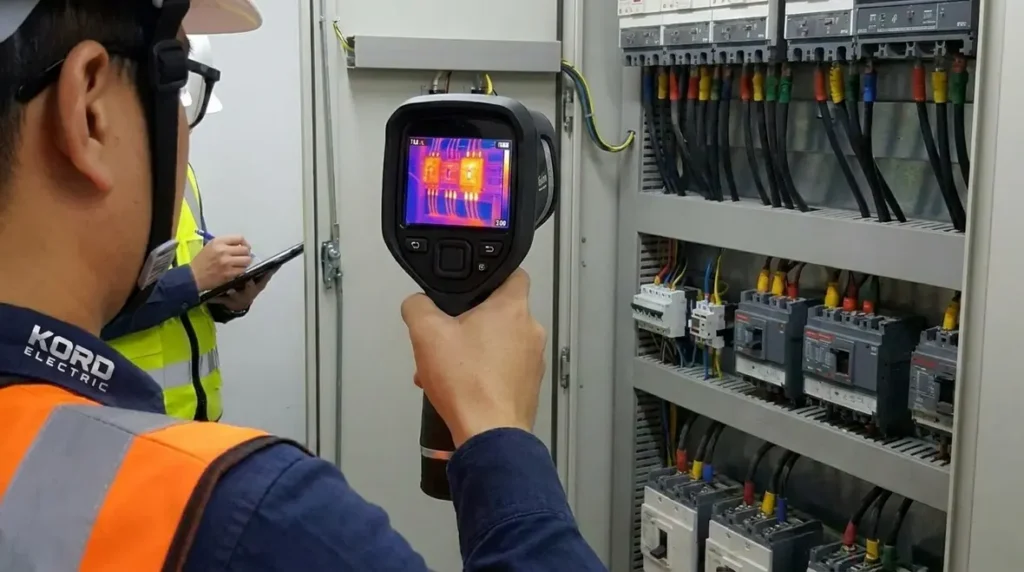
Others might treat testing as a box to check. We treat it like a safety net that catches issues early. When we perform commercial electrical load testing, we aim to confirm that equipment runs within expected ranges, and that protective devices act correctly. That means we look at current draw, voltage stability, heat patterns, and the system’s ability to carry load without drifting out of spec.
To be clear, we do not test for fun. We test because load can change. A building that once hosted a few tenants can later run heavy HVAC, more refrigeration, new production lines, or expanded lighting. In addition, older electrical gear can age unevenly. Therefore, a facility that “worked yesterday” can become unreliable today if the electrical system no longer matches the demand.

How technicians verify electrical load behavior in the field
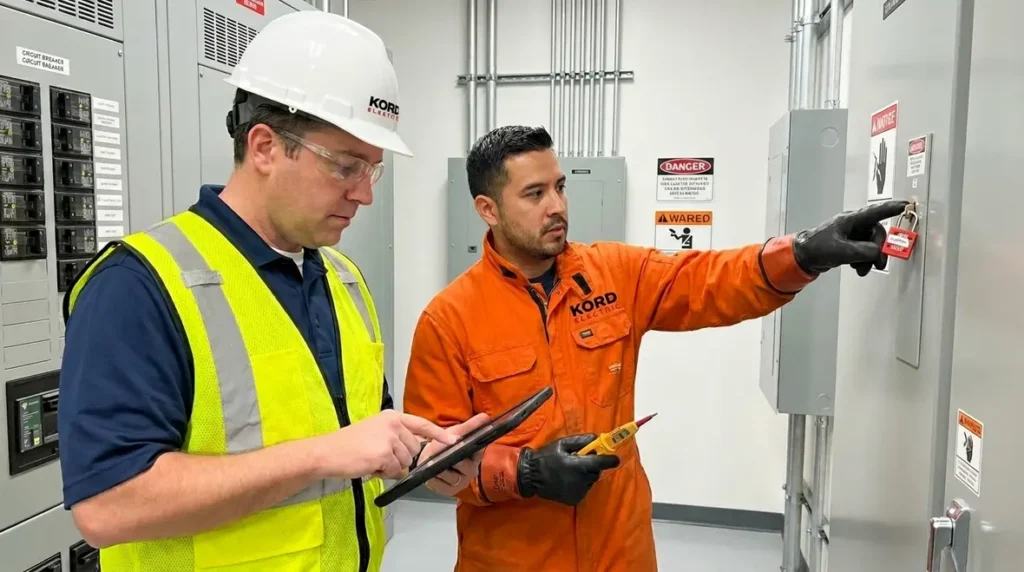
Our technicians and expert service staff explain each step as we go, because we want facility managers to understand what we see and why it matters. First, we gather baseline information. We review single line diagrams, panel schedules, and equipment ratings. Next, we inspect visible conditions like corrosion, loose terminations, and signs of overheating.
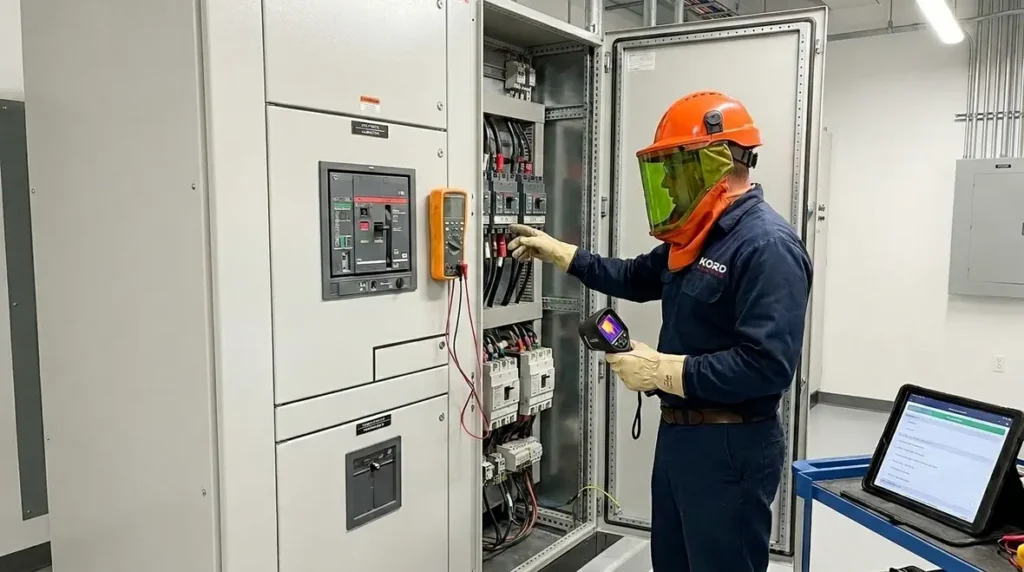
Then we connect measurement tools at the right points, such as feeders, main service, and panelboards. We capture data during representative operating conditions. After that, we compare readings to expected values and to manufacturer requirements. If something drifts, we do not guess. We identify the likely cause by correlating results with physical inspection findings.
Transition matters here. Because timing changes results, our team coordinates with your operations to test when loads match your normal day. And if you are thinking, “We will just test overnight,” we get it. However, overnight load can hide the problem. In commercial and industrial settings, the real risk shows during peak operation, not when the building is politely asleep.
Common causes of downtime in commercial power systems
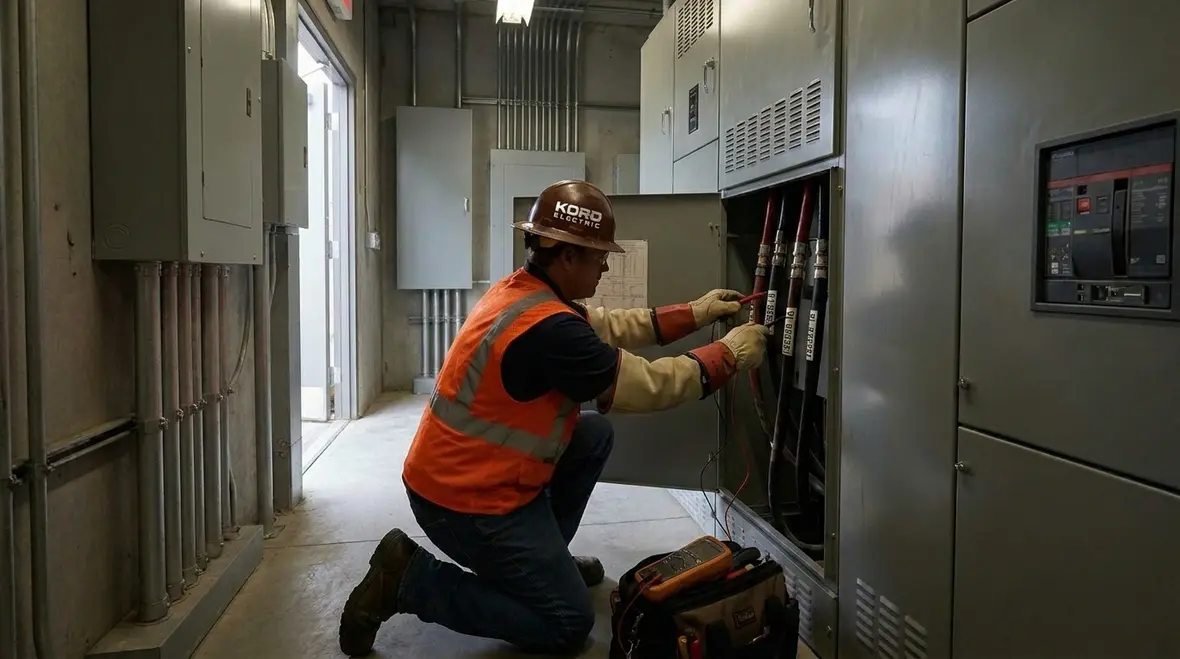
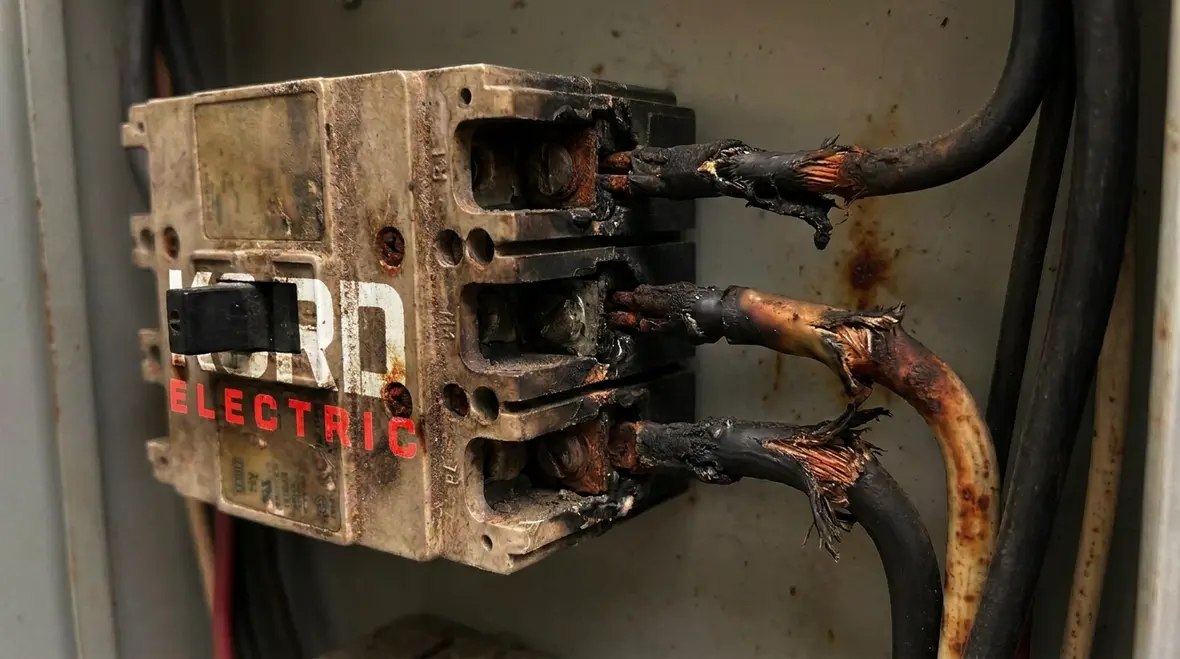
Commercial and industrial electrical downtime usually comes from predictable root issues. First, aging components raise resistance and create heat. Over time, that heat can damage insulation and worsen electrical connections. Second, load growth stresses systems that were sized for a past demand level. Third, protective devices can malfunction if calibration drifts or if wiring and bus connections fail under load.
We also see problems after “small” changes. Someone upgrades lighting, adds circuits, or relocates equipment. Then the building manager moves on, while electrical loading quietly shifts across phases and feeders. As a result, voltage drop increases, harmonics rise, and breakers may trip at inconvenient times.
Our field notes often include a phrase we say with care: “The system is doing exactly what it can do.” Meaning the equipment is not failing because it is dramatic. It is failing because physics eventually collects payment, with interest.
What load testing reveals that inspections can miss
Inspections and visuals help, but they do not always show how a system behaves under stress. Commercial electrical load testing brings out hidden issues by measuring performance during realistic demand. We can see how voltage changes across load, how current distributes across phases, and whether protective devices trip within expected thresholds.
Moreover, we can detect abnormal patterns such as unbalanced loading, which can lead to overheating in motor circuits and transformers. We can also confirm whether your system supports the full range of operating loads without exceeding design limits.
In many facilities, the biggest payoff is decision quality. For example, when you evaluate an upgrade, you need to know what capacity you truly have. If you plan lighting changes, you want accurate demand data before you commit. A practical guide like the one we share for commercial lighting upgrade cost helps teams estimate budgets, but testing helps teams verify electrical readiness so cost estimates do not get derailed by real-world constraints. You can still upgrade, but we help you upgrade smarter.

Planning electrical load tests with minimal disruption
We build testing around your schedule, not the other way around. First, we ask what processes run critical hours, and which areas must stay active. Then we map test points that provide reliable results without interrupting operations.
Next, we coordinate with onsite staff so our technicians can test safely while your facility maintains normal workflow. If you manage a major property building, you also need tenant coordination. Therefore, we plan around access windows, floor schedules, and any safety requirements for working near equipment.
Because downtime costs real money, we design a plan that reduces disruption. We also communicate clearly ahead of time. Our team explains what we will do, how long each step usually takes, and what findings might require follow-up. And if you hear our staff say, “We are almost done,” it means the job is really almost done. We try not to keep people waiting any longer than necessary. After all, a test is only helpful if it leads to action.
Commercial and industrial next steps after results come in
Once we complete the measurements, we produce a clear summary of findings. We highlight any risks we see, and we explain what might lead to future downtime if nothing changes. Then we recommend next steps that fit the facility’s reality, whether that means targeted repairs, calibration, bus and connection verification, or equipment upgrades.
Sometimes the best move is a focused fix. A loose connection can cause heating and trigger breaker trips. Other times, the building needs a broader approach. Load growth might require panel upgrades, new feeders, or transformer adjustments. If power quality concerns exist, we address them in a way that aligns with your system architecture.
We also help teams align electrical recommendations with project planning. If your operation includes lighting upgrades, our perspective stays grounded in electrical readiness. That supports accurate budgeting and avoids “surprise” electrical constraints that can stall projects midstream.
For facilities that want to turn testing data into a longer-term reliability plan, pairing commercial electrical load testing with structured electrical preventive maintenance gives owners a calmer, more predictable roadmap for upgrades and compliance over time.
FAQ about commercial electrical load testing
Ready to reduce risk and protect operations
Downtime does not announce itself. It arrives quietly, then interrupts your day with expensive consequences. When you choose Kord Electric, we bring expert technicians who explain findings clearly and perform commercial electrical load testing that supports smart decisions, not guesswork. We work with commercial and industrial facilities and major property buildings, and we plan testing to minimize disruption. If you want a calmer operation and fewer electrical surprises, contact us today for an on site assessment and a practical next step plan.
If your facility is also planning upgrades such as lighting improvements or phased electrical renovations, our team can connect your testing results with services like recessed lighting installation, targeted repairs, and preventive maintenance so that every project builds toward a more stable, future-ready electrical system.
To see how we turn data into long-term reliability across large campuses, industrial sites, and major property buildings, explore our dedicated electrical preventive maintenance services and discover how a structured program can extend the value of every commercial electrical load testing project.