Commercial Electrical Panel Thermal Imaging Benefits
Why commercial electrical panel thermal imaging keeps commercial power dependable
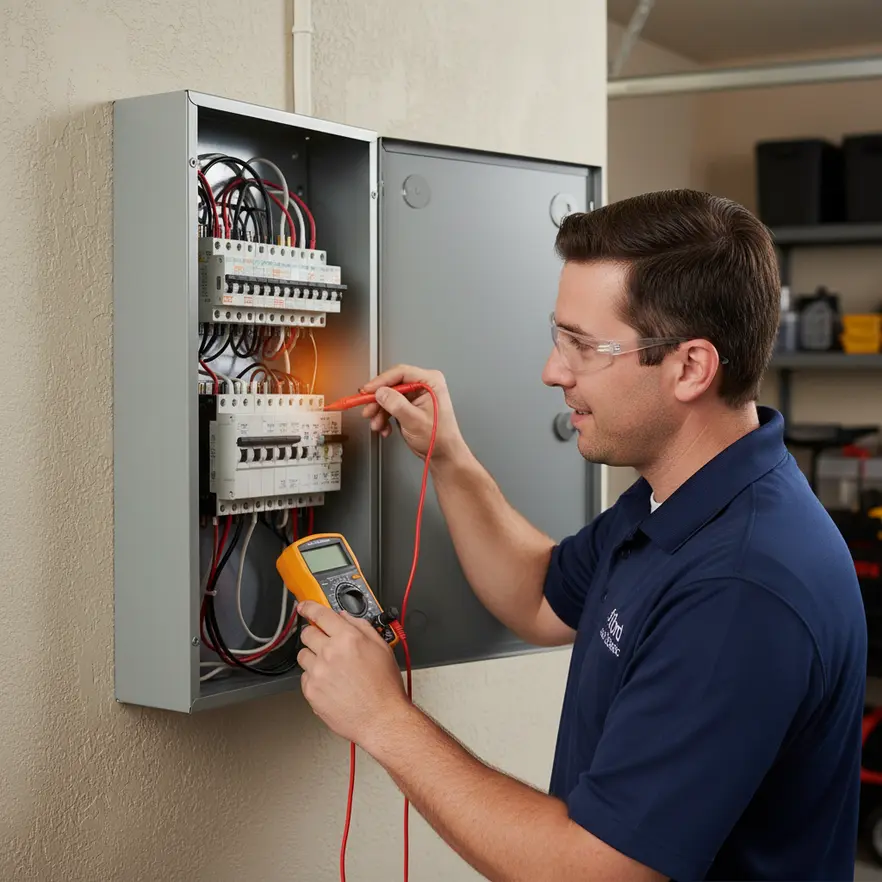
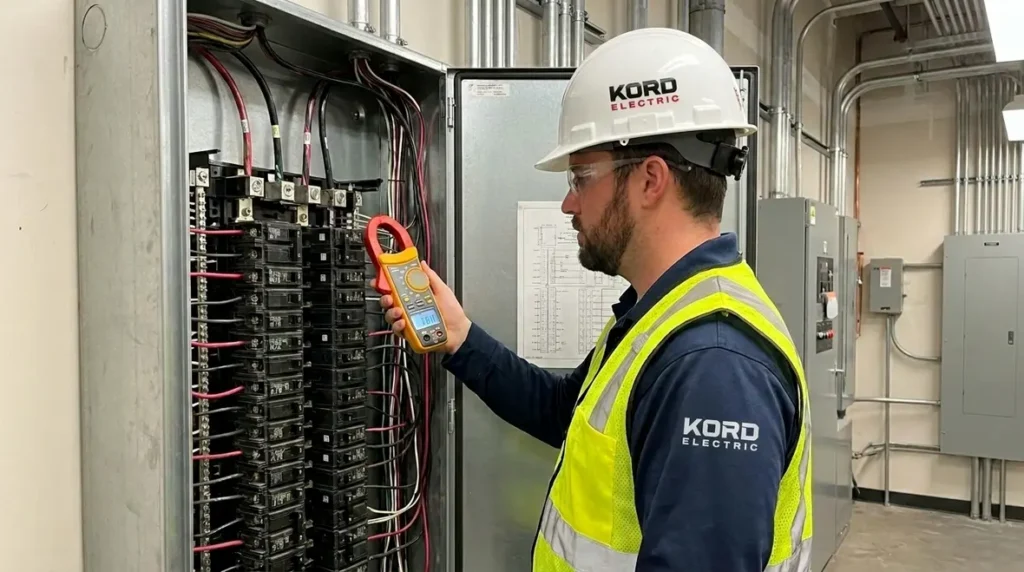
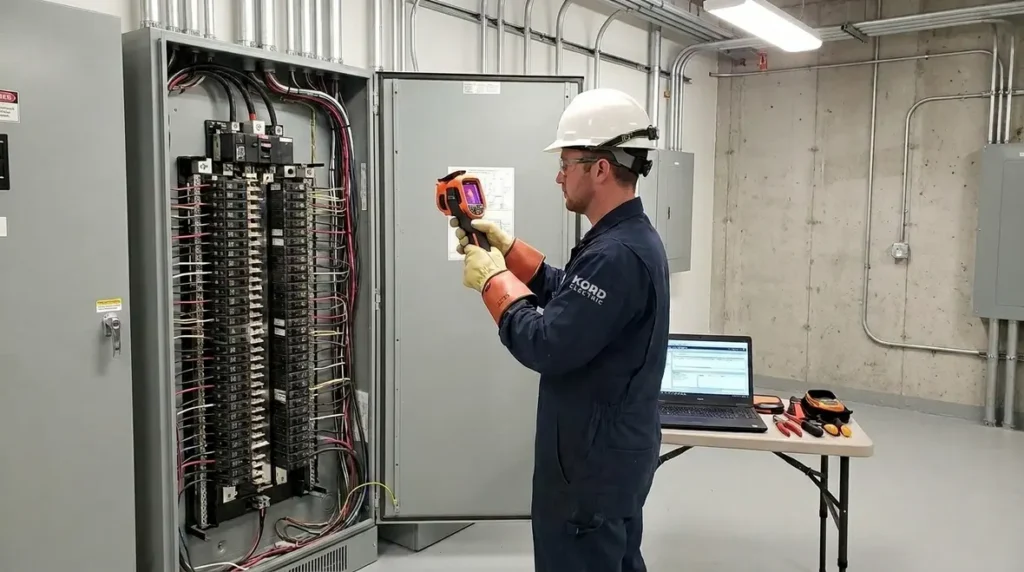
At Kord Electric, we use commercial electrical panel thermal imaging to help protect the electrical heart of commercial and industrial facilities. We do it because heat tells the truth even when breakers, lugs, and connections look fine on the surface. So, instead of guessing, we measure. Our technicians scan switchgear, load centers, and panel sections while the system runs under real conditions, then we compare temperature patterns across phases and components. In other words, we catch problems early, before they turn into downtime, nuisance trips, or worse. And yes, like any good superhero, thermal imaging works best before the city lights go out.
What does thermal imaging reveal that inspections miss?
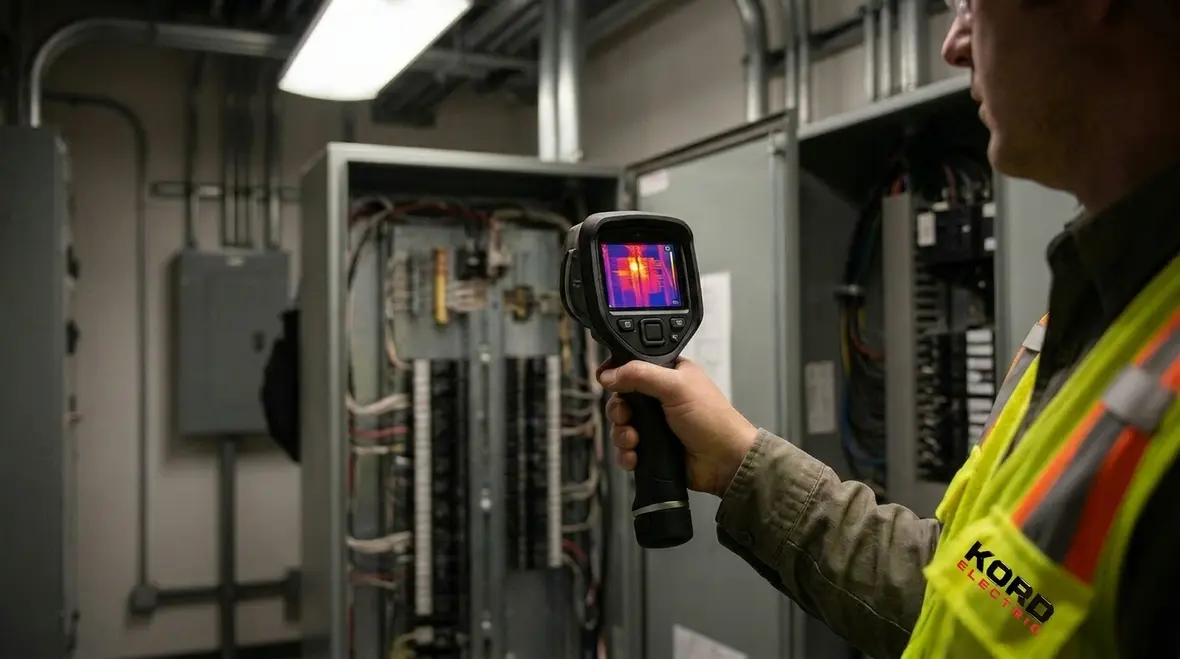
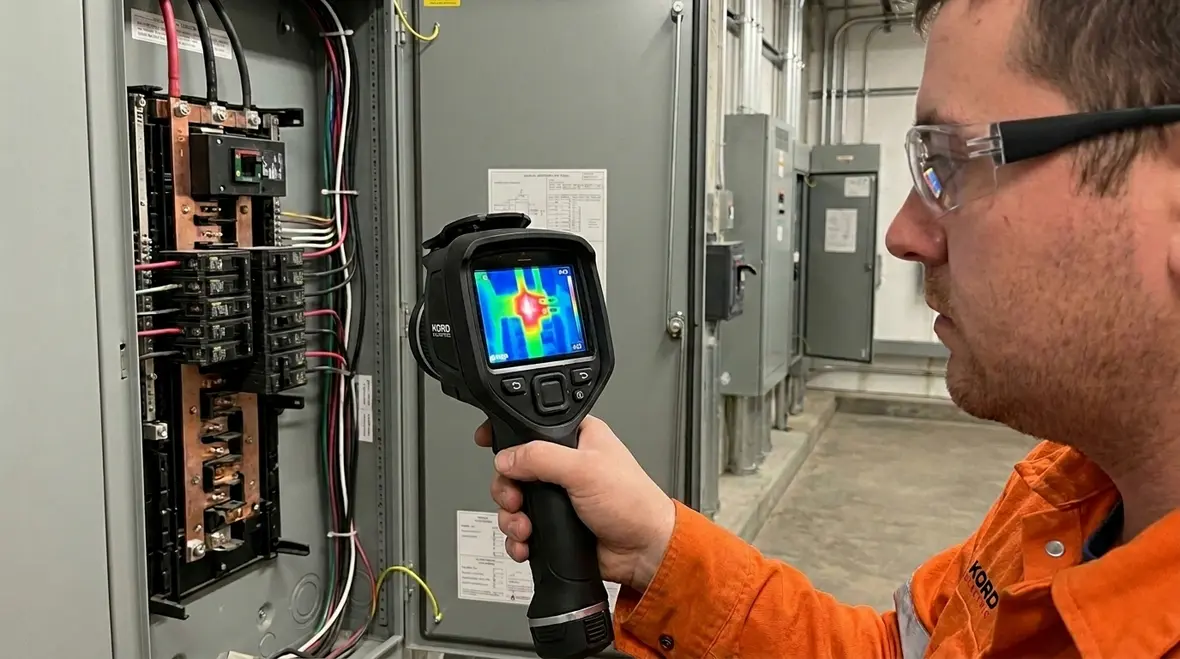
When building teams rely only on visual checks, they often miss what matters most: how parts actually behave while power flows. Therefore, our staff uses thermal imaging to identify uneven heating, which can point to loose connections, failing terminations, damaged bus bars, or worn internal components. Even small issues can create hotspots, and hotspots can grow fast under load. Meanwhile, a typical inspection might note a clean exterior and move on, because nothing looks dramatic. However, the infrared camera sees the temperature distribution, not the appearance.
Also, our technicians know that electrical systems do not heat evenly. One phase running hotter than the others can signal an imbalance, while a localized hot spot can indicate a connection point that is not carrying current properly. In commercial electrical panel work, that detail matters. So, we explain what we see in plain language, and our expert service team helps facilities understand what the temperature differences can mean, what to prioritize, and what to schedule next.
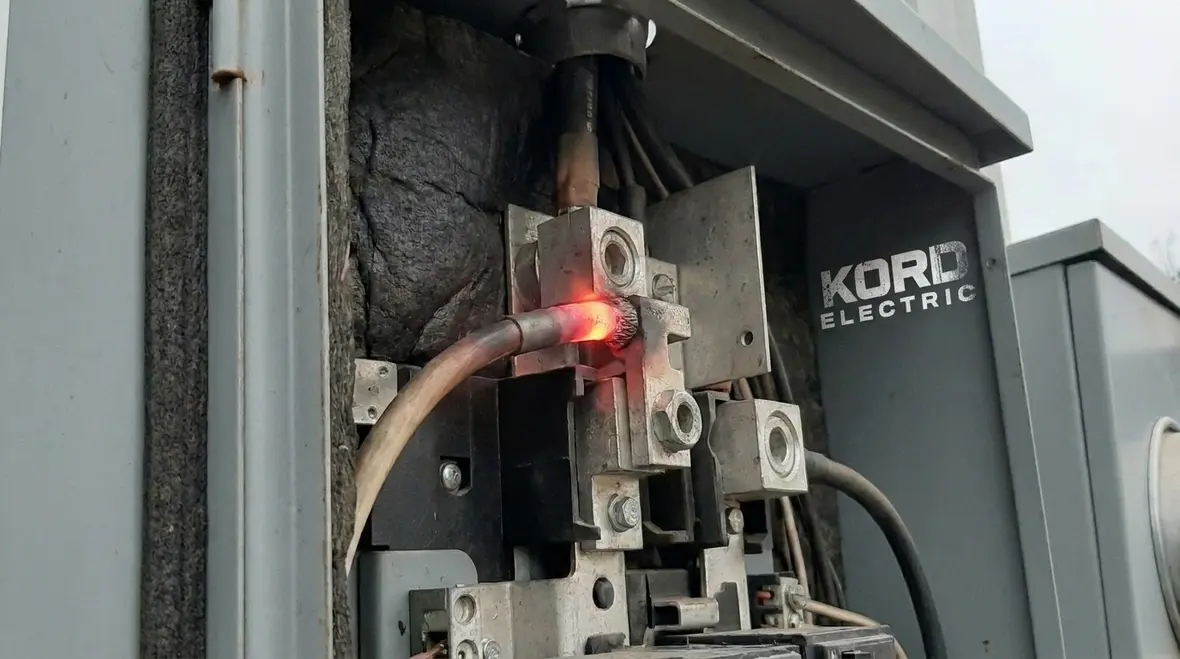
How hotspots form in commercial electrical panels
Heat usually comes from resistance. As a result, if a connection loosens, it can create higher resistance at the terminal. Higher resistance means more heat at that specific point. Over time, heat can degrade insulation, loosen adjacent connections, and accelerate corrosion. Eventually, the panel can experience intermittent faults, breaker trips, or damage that requires bigger repairs than a simple torque adjustment.
Moreover, hotspots can start quietly during normal operations. A facility may keep running for weeks, and then a busy production shift or peak HVAC load pushes the system harder. Then the weak connection shows up as an obvious temperature rise. In commercial and industrial buildings, where equipment runs hard and schedules rarely stop, this early warning is not a luxury. It is a reliability strategy.
Our team also looks for patterns that match common causes. For example, if heat concentrates near lugs or bus bar areas, it can suggest installation issues, aging components, or maintenance gaps. If multiple areas show elevated temperatures together, it may signal overload or design limitations. Kord Electric does not treat every scan the same; we interpret the image in context of the panel layout and operating conditions. For facilities already working on better panel labeling and preventive maintenance, pairing thermal imaging with the practices outlined in our electrical panel labeling best practices guide helps connect what you see on the door with what is heating up inside.
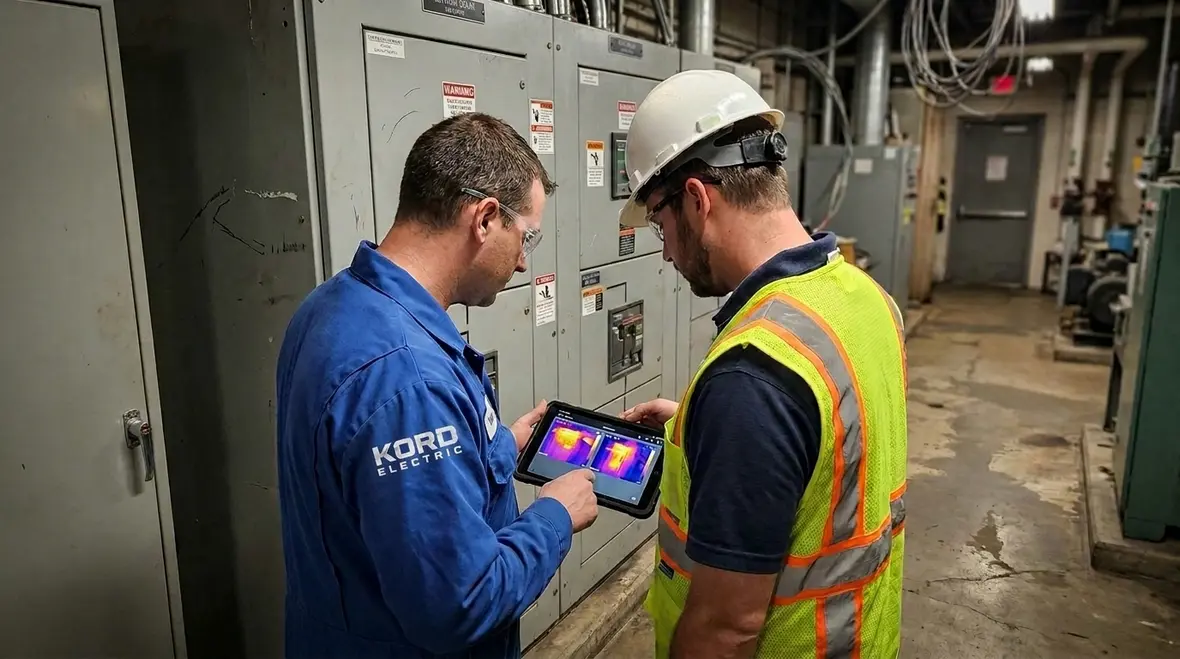
Why reliability and safety improve when teams track temperature data
Reliability improves when facilities treat thermal imaging as ongoing maintenance, not a one time event. Because electrical performance changes with load, environment, and component wear, comparing results across time helps teams spot trends. A stable temperature pattern today is good, but a gradual increase over several scans can warn that deterioration has begun.
Safety improves for two reasons. First, thermal imaging can identify abnormal heating before it turns into insulation breakdown, arcing, or catastrophic failure. Second, we can guide safer maintenance decisions by showing where attention is needed most. Our technicians explain findings in a direct way, and our expert service staff often walks operators through the “why” behind each recommendation, since understanding beats guesswork every time.
And let’s be honest, nobody wants to find out the hard way. Facilities have enough stress: contractors, deliveries, inspections, and production schedules. So, a calm, deliberate approach that reduces emergency repairs helps everyone sleep better. It also pairs well with broader risk reduction strategies, whether you are improving code compliance under NFPA 70 or tightening procedures to prevent emergency power failures in commercial buildings.
What does a commercial scan process look like at Kord Electric?
Our process stays practical and suited for commercial and industrial environments. First, we coordinate with the facility so we can scan while equipment operates under typical load. That means we capture real-world behavior, not a “best case” snapshot with minimal current. Then we collect thermal images and take notes about panel labeling, operating conditions, and any visible issues the team already knows about.
Next, our technicians review the images and focus on temperature differences between phases, components, and comparable points across the lineup. We do not just produce pretty pictures. We produce actionable findings. For instance, we can flag suspicious hotspots, identify where further inspection is needed, and help determine whether torque verification, component replacement, or load balancing should come next.
Finally, we deliver results in a format that facilities can use for planning. Our expert service team communicates clearly, and we tailor guidance to how the building operates. Some sites need repairs scheduled around shift changes. Others require work during planned outages. Therefore, our recommendations align with operational realities, not ideal lab conditions.
For multi-building campuses, factories, or major property portfolios, we often align thermal scanning with broader projects like identifying hidden electrical risks in commercial buildings or planning future upgrades. That way, one visit offers layered insight: where the heat is, where the labeling helps or hurts, and where the next investment will deliver the most reliability per dollar.
How thermal insights help plan maintenance, parts, and outages
Maintenance becomes smarter when teams know what is changing. Instead of waiting for a failure, we help others schedule corrective action at the right time. As a result, facilities can reduce unplanned downtime and avoid paying the emergency rate that everyone pretends they do not fear.
Thermal imaging also supports budget planning. When our commercial electrical panel thermal imaging highlights specific connection points or component groups, teams can order the right parts and plan labor. That prevents delays caused by “we thought we could reuse it” moments, which are always more expensive than they sound in the moment. Additionally, trending data can help prioritize the highest risk panels first, especially in multi-building portfolios or large industrial complexes.
On major properties with many distribution sections, Kord Electric helps facilities build a maintenance rhythm. Meanwhile, engineers, operations managers, and electrical contractors benefit because they can use the scan findings to justify work scopes. This makes it easier to align maintenance with compliance needs and internal standards. It also dovetails with broader efforts like managing rewiring cost decisions outlined in our rewiring cost guide for commercial electrical systems, where thermal data often shows which gear is quietly asking for retirement.
Common myths about infrared inspection in industrial buildings
Some people treat thermal imaging like a magic wand. However, it is a tool that requires context. Temperature readings depend on factors like ambient conditions, surface emissivity, dust or paint on enclosures, and load levels. That means the camera alone does not “solve the mystery.” Our technicians interpret results using experience and the operating conditions of the facility.
Another myth says that visual inspection is enough. Visual checks still help, but they do not measure heat distribution under load. So, relying only on appearance can miss loose or degraded connections hidden behind clean panel covers and labels.
One more myth says thermal imaging replaces electrical testing. It supports, it guides, and it prioritizes. Then, electrical verification and corrective work do the final job. Kord Electric uses infrared inspection to point toward the highest value next steps, because we serve commercial and industrial sites, not residential guesswork. In many facilities, that means combining commercial electrical panel thermal imaging with structured troubleshooting steps like those in our electrical system troubleshooting for factories checklist, so thermal clues feed straight into a disciplined repair plan.
FAQ
Final word: schedule Kord Electric thermal scans to prevent costly failures
Kord Electric serves commercial and industrial facilities with a reliability-first approach. We use commercial electrical panel thermal imaging to find abnormal heating early, then we explain the findings clearly so your team can act with confidence. If you want fewer emergency calls and fewer surprise outages, don’t wait for heat to become a headline. Contact us to plan a scan for your panels and switchgear, and let our expert service staff help you protect your power system before it starts costing you.
For organizations operating in and around Los Angeles, pairing proactive thermal imaging with dedicated regional support such as our Los Angeles County electrical services keeps local codes, load demands, and real-world timelines aligned. Whether you are adding new production, integrating solar, or simply trying to end the cycle of mystery trips, the combination of regional expertise and detailed thermal data turns your electrical system from a question mark into a documented, dependable asset.
If you are already planning other upgrades—like modernizing building distribution, integrating renewables, or improving safety compliance—folding commercial electrical panel thermal imaging into that roadmap gives you better evidence for each decision. It is a small addition to the project plan that can prevent big, noisy failures later on.