Commercial Electrical Panel Troubleshooting Guide
When a commercial electrical panel starts acting up, the problem rarely stays small for long. During commercial electrical panel troubleshooting, we typically find the same pattern: early warning signs show up first, then heat, nuisance trips, or power quality issues follow. Because this is a business, not a DIY science fair, Kord Electric treats panel faults like we treat fire drills, with calm focus and clear action. Our technicians and expert service staff inspect how the distribution system behaves under real load, and they explain what they find in plain language. And yes, we do use the same patience with your electrical system that we use with a cat refusing to move off the couch. The cat wins sometimes, but it usually loses in the end.
How a commercial panel fails before it fully breaks
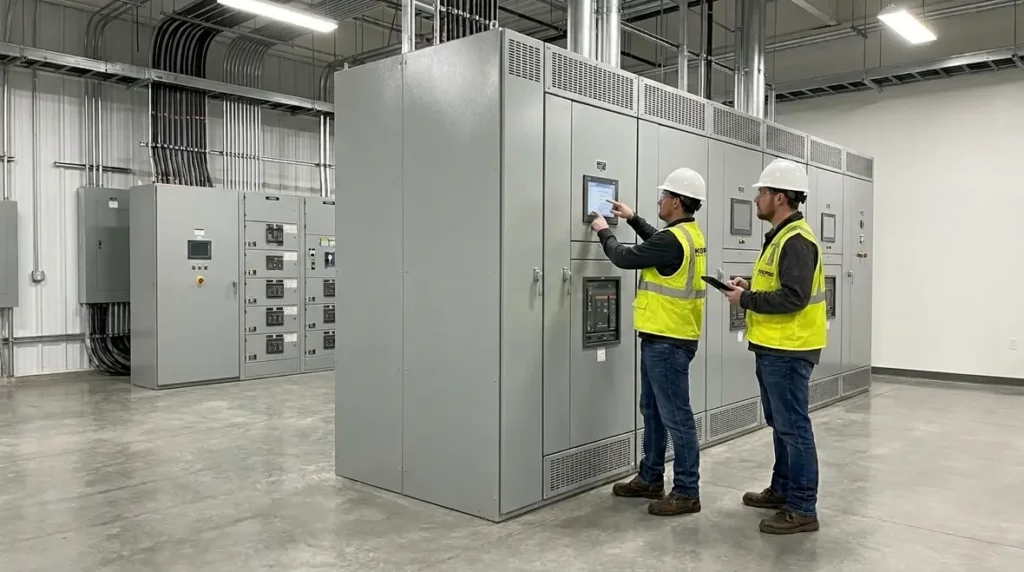
In many major properties, the panel is not just a box of breakers. It is the hub that spreads power from the incoming service to feeders, branch circuits, and critical loads. Therefore, commercial electrical panel troubleshooting often begins with behavior. We watch for changes over time, not just a single symptom. When components age, they can show heat buildup, loose terminations, moisture intrusion, or insulation breakdown. Likewise, harmonics from non linear equipment such as drives, UPS systems, and industrial controls can stress conductors and bus bars.
To keep reliability high, we align our work with distribution design ideas that support stable operation. For example, the reliability minded approach we discuss in our data center electrical distribution resources emphasizes engineered redundancy, correct bus sizing, and thoughtful protection coordination. Even in a facility that is not a data center, those same principles matter because panels face the same physics: current flows, heat builds, and failure tends to start at weak points.
Signs you need professional troubleshooting, not “wait and see”
When a panel misbehaves, it often gives a few clear signals. So, commercial building owners and property teams can look for these common signs, then call for service before the situation escalates.
Breakers trip under normal operation, especially when loads change, despite good housekeeping and stable operating schedules.
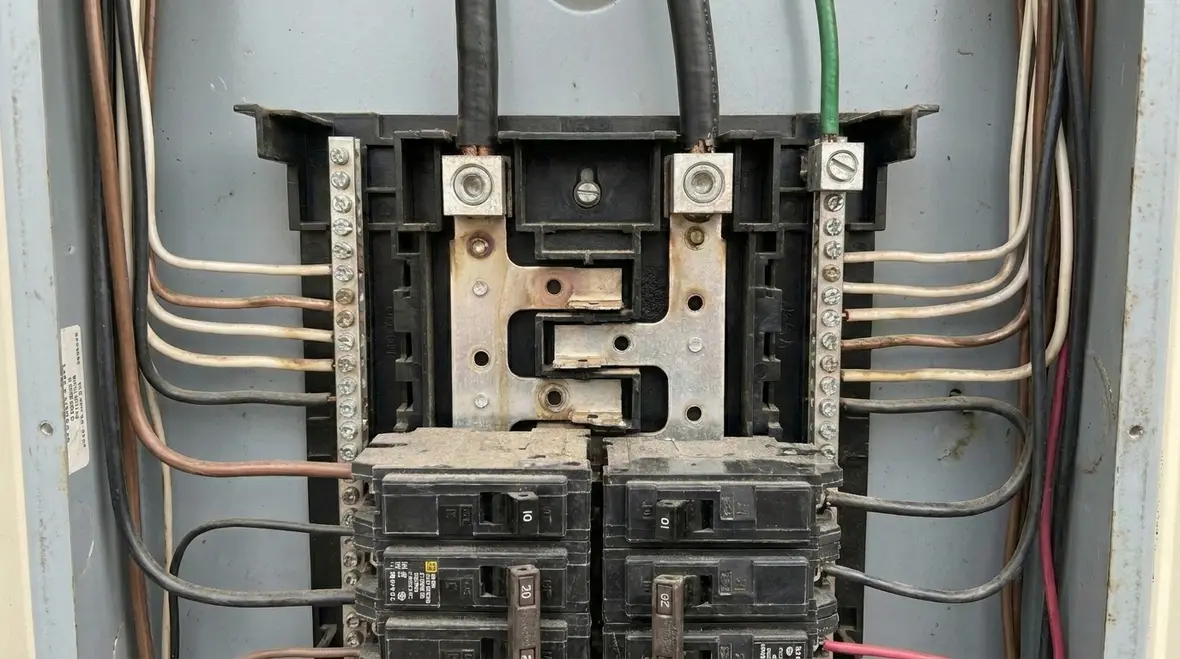
Visible heat or burning odor near the panel cover, lugs, or breaker compartments.
Frequent flicker or brownout complaints from offices, lighting zones, or process areas.
Crackling sounds inside the enclosure, which can point to arcing or loose connections.
Loose or corroded wiring evidence during inspection, including discoloration around terminals.
Unusual buzzing or vibration that appears when loads ramp up.
Stale or high moisture conditions inside the electrical room, especially when seals and ventilation lag behind.
Now, we also want to be clear. Some “signs” can look like electrical issues but come from a mechanical problem, a control system, or even a lighting driver. Therefore, our technicians verify the cause with proper testing, not guesswork. Because guesswork costs more than the service call. Ask anyone who ever installed the wrong fuse in a hurry. We have seen it, and we do not recommend it.
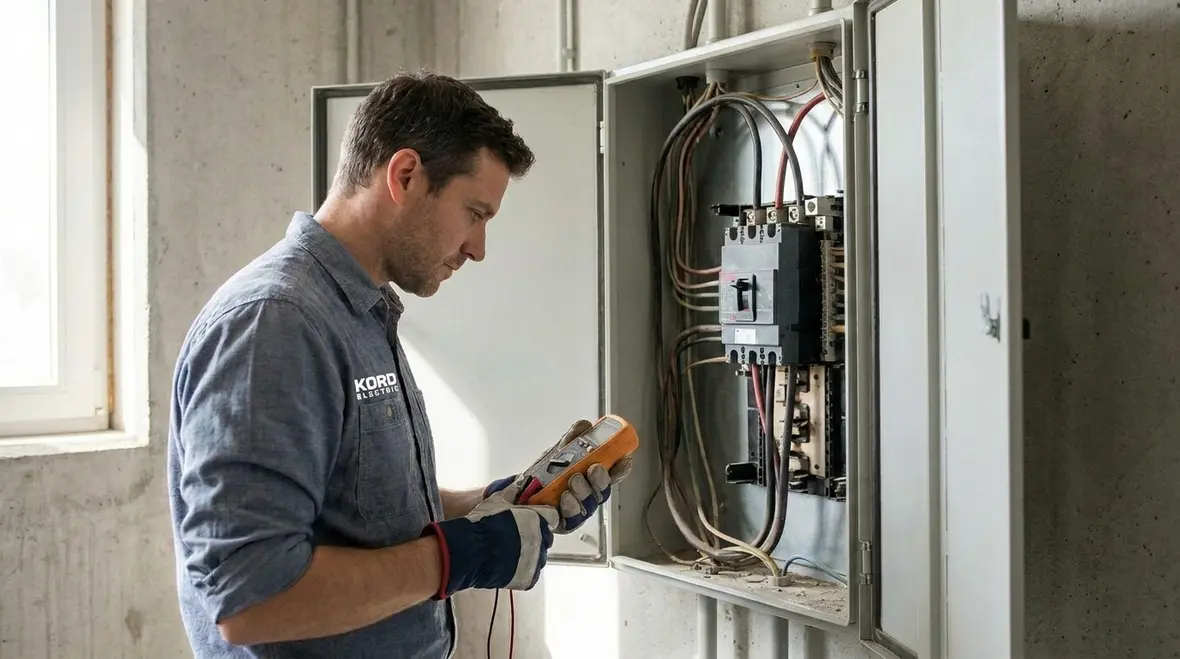
What our technicians check during panel troubleshooting
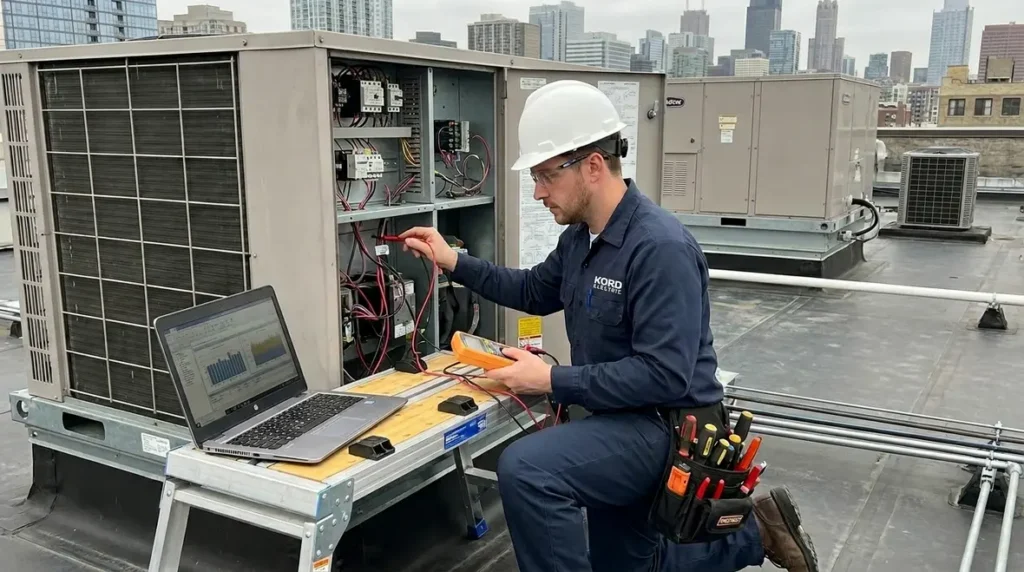
At Kord Electric, we treat the panel like a system. First, we collect field information such as the facility load profile, the history of trips, and any recent changes in equipment. Then, we move into safe inspection and testing. As a result, our approach helps prevent repeat failures and protects uptime for commercial and industrial facilities.
Here is a practical look at what we typically check during commercial electrical panel troubleshooting and related diagnostic work:
Visual inspection of terminations and bus connections, including signs of overheating, discoloration, and mechanical looseness.
Breaker condition and trip history review, so we can tell if a device acts like it is failing or if the load is driving it.
Torque verification where appropriate, because a connection that loosens can arc even if current stays within nameplate values.
Thermal inspection to find hot spots that do not show up in paperwork.
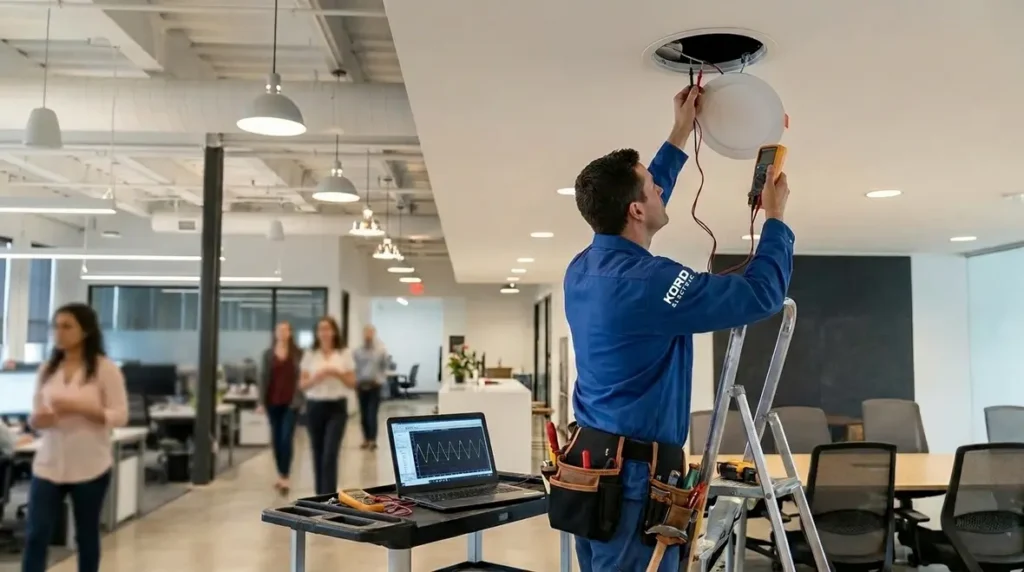
Load and voltage quality checks such as steady state voltage, drop under load, and patterns during equipment start cycles.
Protection coordination confirmation, including whether a feeder or upstream device is clearing when it should.
Environmental assessment for humidity, dust, and ventilation that can accelerate insulation aging.
Next, our expert service staff explains results in a way that helps the building team make decisions. We do not just say “replace the breaker.” We explain why it is failing or why it trips, and we point out what to prevent next time. In other words, we give you the story, not just the headline.

Where reliability design meets real world troubleshooting
Many panel problems tie back to distribution design choices and operating conditions. For example, if conductors run long distances with high load density, voltage drop and heating become more likely. Also, if the facility adds new equipment without updating capacity planning, the panel can run near its limits more often than expected. In addition, poorly coordinated protection can cause nuisance trips that confuse teams and mask a deeper issue.
Our work often reflects the reliability minded thinking we share in our data center electrical distribution design for reliability resource: build for stable operation, protect critical pathways, and make sure devices work together under load. That mindset supports commercial and industrial buildings because it reduces stress, improves selectivity, and helps keep service consistent.
Consequently, our troubleshooting is not only about fixing the symptom. We also identify mismatches between the current load reality and the original design intent. When we spot a feeder that handles a growing load, or a panel that lacks margin for harmonic stress, we recommend a practical path forward. Sometimes that means component replacement. Sometimes it means coordination changes. And sometimes it means a better plan for staged upgrades so operations continue without drama.

How to respond during an active panel fault
When you suspect a panel fault right now, speed matters, but so does safety. Therefore, we recommend a steady response that protects people and reduces damage while the team calls for help.
Keep staff away from the electrical room if there is burning odor, visible smoke, or loud arcing sounds.
Do not reset breakers repeatedly. Resetting is like trying to reboot a frozen laptop by slamming it. It might work once. It also might make things worse.
Document what you see, including which breakers trip, what loads were running, and the time pattern.
Check for obvious environmental issues such as water intrusion or condensation on the enclosure.
Call a qualified commercial team so the facility avoids unsafe troubleshooting and costly damage to bus bars and terminations.
During an event, our expert technicians move methodically. We verify safe conditions, test in a controlled way, and isolate the likely fault area before we make corrections. Then, we confirm performance after repairs so the panel stays stable under normal operations, not just during a quick test.
Featured snippet FAQ for panel troubleshooting in commercial buildings
Keeping commercial power dependable with Kord Electric
Commercial electrical panels do not fail on a schedule. They fail when heat, loose connections, moisture, and load stress add up. So when your facility shows early warning signs, do not gamble with uptime. Kord Electric brings expert service staff, careful testing, and clear explanations to commercial and industrial facilities and major property buildings. If you want commercial electrical panel troubleshooting that protects operations, contact Kord Electric today to schedule an inspection. We will help you act early, fix what matters, and keep the lights on.
For facilities operating in and around Los Angeles, pairing panel diagnostics with broader regional support such as Los Angeles County electrical services helps align troubleshooting, preventive maintenance, and upgrade planning across the entire site.
If your building team also wants to strengthen upstream distribution before the next expansion, consider reviewing how our reliability focused design methods apply not just to panels, but to feeders, switchgear, and specialty environments like data centers. That combination of design discipline and calm, methodical troubleshooting is how Kord Electric keeps commercial power dependable day after day.