Commercial Electrical Safety Audits Guide
Why periodic electrical safety matters for commercial buildings
At Kord Electric, we run commercial electrical safety audits to help commercial and industrial facilities stay reliable, safe, and audit-ready. In the first pass, we look at how power actually moves through your building, not just what the drawings say. Then we test, inspect, and document the real conditions your staff faces every day. As a result, owners and managers avoid the slow creep of hazards that can turn into downtime, injuries, or expensive repairs.
Picture this: electricity does not care about your budget meeting. It only responds to physics. And periodic electrical safety audits give us a steady way to spot issues before they “decide” to become an emergency. Our technicians and expert service staff explain what we find in plain language, so others can act without guessing.
What Kord Electric checks during a commercial electrical safety audit
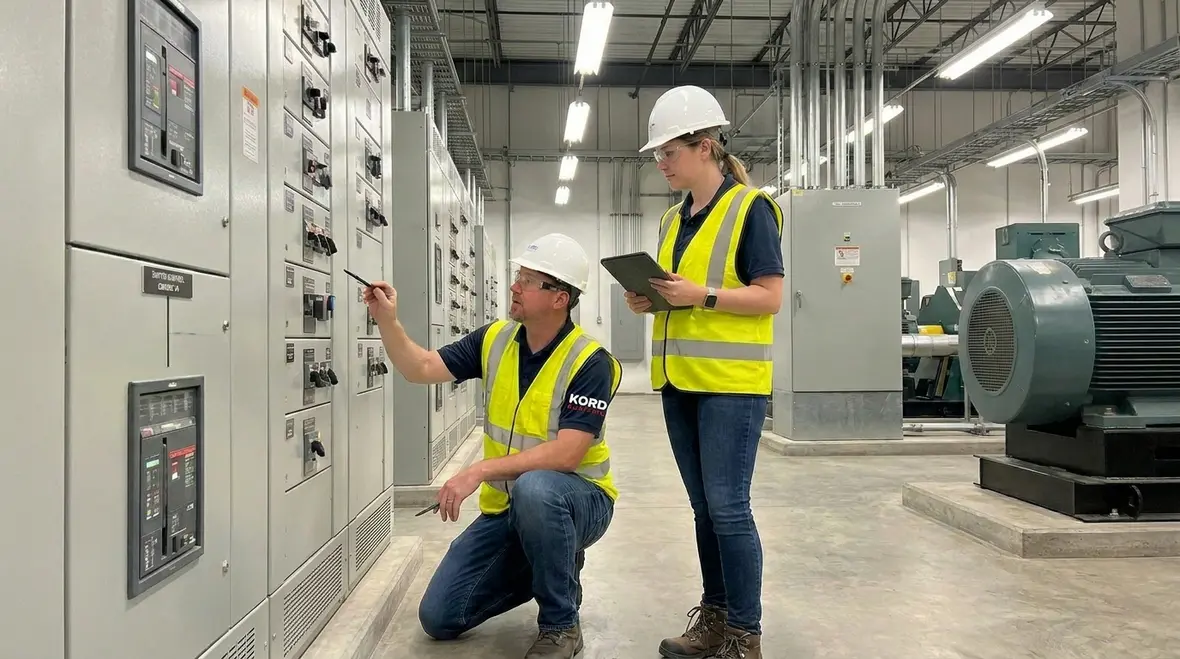
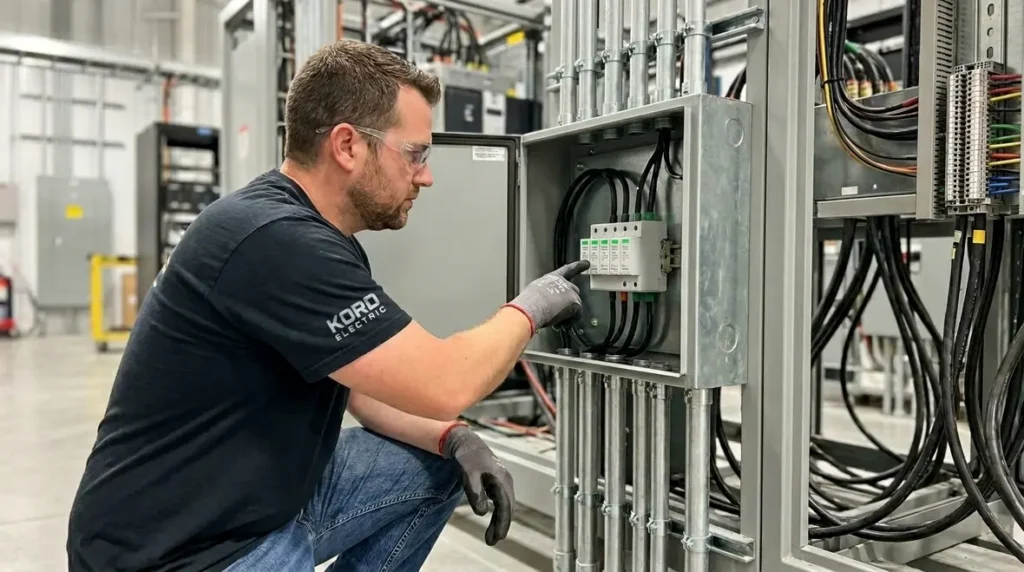
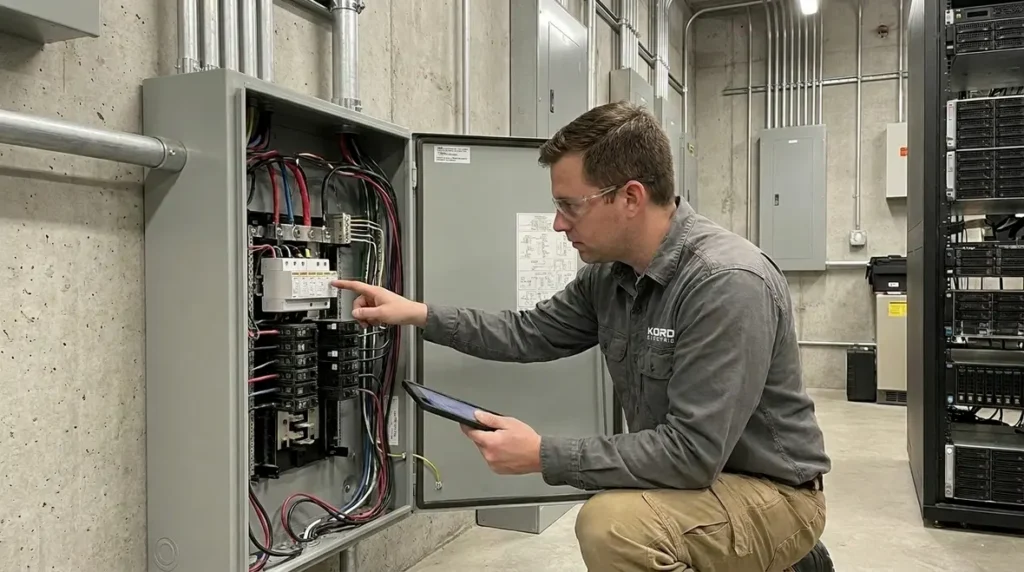
During a typical visit, our team focuses on the areas that most often cause failures in commercial and industrial settings. First, we examine distribution equipment such as switchboards, panelboards, and motor control centers. Next, we review protection devices including breakers, fuses, and relays to confirm they match the load and respond correctly. Then we inspect grounding and bonding, because proper grounding keeps faults controlled instead of roaming through metal structures like an unwanted guest.
We also look at conductors, terminations, and cable routes. In fact, loose connections and damaged insulation often hide in plain sight, especially in busy facilities where work changes happen quietly over time. Additionally, we check labeling and documentation practices. If an operator cannot find the right disconnect quickly, safety slips even if the equipment still works.
To make these findings easier to use, our technicians present results with clear notes, practical repair priorities, and next steps. And yes, we keep the jargon low. Even Batman would rather read a clean action plan than a mystery novel.
Fewer hazards, stronger compliance, and smoother operations
Periodic electrical safety audits reduce risk in three ways that matter to commercial and industrial property owners. First, they identify hazards while they are still small, like overheating at a connection or corrosion at a termination. Second, they help you maintain compliance with common industry requirements and internal standards. Third, they support steadier operations because repairs happen on a schedule, not during a production emergency.
We see it all the time. A building can “run fine” for months, until one component fails and triggers cascading issues such as nuisance tripping, power quality swings, or equipment damage. At that point, everyone suddenly becomes an electrical expert overnight. Our service staff helps prevent that by spotting early signs and recommending fixes before the failure chain starts.
Importantly, we tailor our approach to each facility. Others may run generic checklists. We instead align the inspection with the building’s use, load patterns, and how people interact with the electrical system. That means less disruption and more targeted recommendations.
For facilities already investing in preventive work, audits pair especially well with structured electrical preventive maintenance programs. Together, they create a loop where issues are discovered, corrected, and then tracked over time instead of popping up as repeat surprises.
How safety audits uncover hidden risks before they cost you
In commercial and industrial buildings, hazards often develop quietly. Over time, vibration loosens terminations, moisture finds weak seals, and renovations add new loads without fully integrating protection settings. Therefore, a periodic review must go beyond visual inspection.
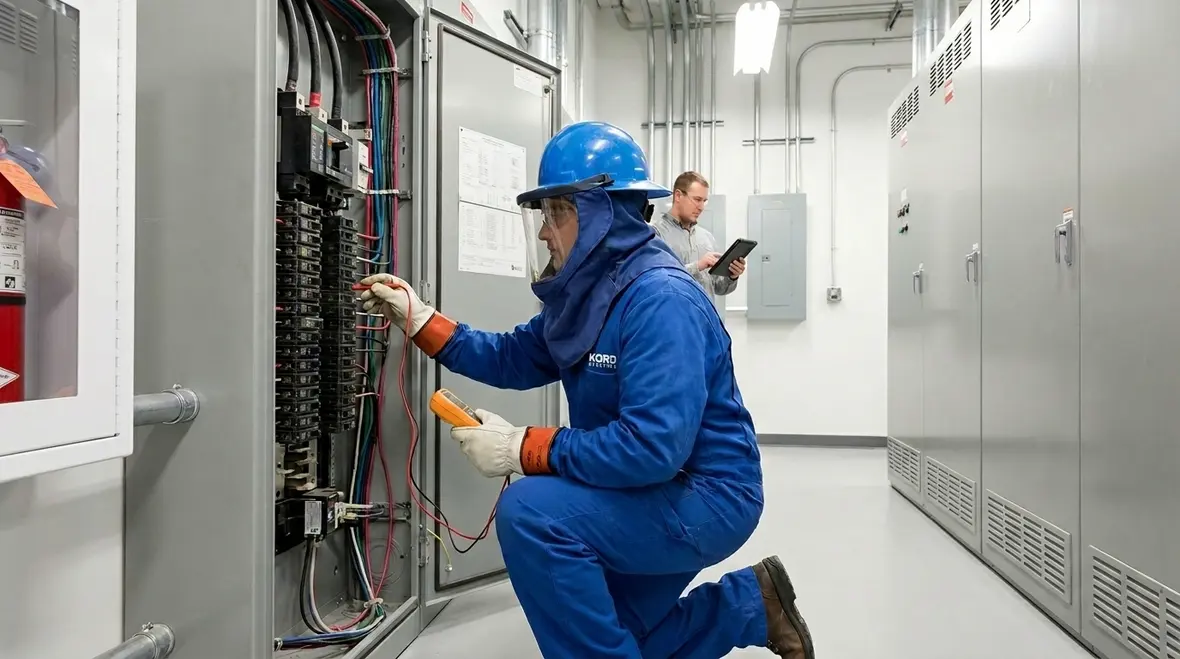
Kord Electric helps uncover hidden risks through careful checks and testing methods that measure condition, not just appearance. We pay special attention to hotspots where heat and stress concentrate. We also verify that protective devices work together so faults clear correctly and quickly. When protection coordination fails, a minor fault can turn into a major outage.
We also look at how electrical work gets maintained after installation. For example, temporary power setups, after-hours changes, and storage practices can block access to equipment or damage cables. While that may sound minor, it often becomes a root cause later. Our technicians explain these links clearly so the right teams can address them.
In short, our commercial electrical safety audits help you find the “why” behind problems that maintenance crews might otherwise treat as repeated symptoms. And the sooner you address the cause, the less your facility spends like a leaky faucet.
If your building has already dealt with overloaded circuits, unexplained panel heat, or tripping that seems to come and go, you already know what hidden issues feel like. Our audits dovetail with what we cover in our guide to hidden electrical risks in commercial buildings, turning theory into a practical inspection roadmap for your site.
Protect people and protect uptime: the human side of audits
Safety is not just a regulatory checkbox. In commercial and industrial properties, it protects electricians, maintenance staff, contractors, and the people who use the space every day. However, electrical hazards are often invisible. Arcing risks, energized parts, and faulty protection do not announce themselves like a smoke alarm.
During our inspections, we help facility teams understand where risk increases during normal work. For example, we check access to panels and disconnects, because obstruction slows safe procedures. We also review signage and operating clarity. If the next person cannot identify equipment correctly, you increase the chance of accidental exposure.
Then we translate findings into action. Our expert service staff explains what each issue means, how urgent it is, and what outcomes to expect after repair. That communication matters, because safety improvements fail when people do not understand them. We prefer updates that fit into real workflows, not training slides that get ignored after lunch.
And because uptime drives everything, we coordinate our recommendations with how the site runs. We help owners plan work windows, sequence repairs, and reduce downtime risk.
For multi-site portfolios or locations with complex operations, pairing commercial electrical safety audits with broader Los Angeles County electrical services for commercial facilities makes it easier to keep standards consistent across every property you manage.
Using audit results to plan repairs, budgets, and upgrades
After a commercial electrical safety audit, the hard part begins. Buildings need clear priorities, not a pile of notes. Kord Electric organizes recommendations so decision-makers can plan repairs, budgets, and upgrades with confidence.
First, we separate urgent hazards from important improvements. Then we connect each item to risk, expected impact, and typical resolution steps. For example, a failing connection may demand immediate correction to prevent heat buildup. In contrast, labeling gaps might support improved safety without needing emergency work.
We also help teams tie the audit findings to future growth. Many commercial facilities add equipment, expand production lines, or renovate spaces. When these changes add electrical load, the original protection strategy may no longer match reality. Our team helps others understand where capacity and protection settings need review.
Additionally, we provide guidance on documentation practices that support audits and internal tracking. That way, others can show due diligence and keep a consistent safety history. Nobody enjoys chasing old paperwork like it is a missing sock from the dryer.
For capital planning conversations, this structure also turns audit results into a roadmap. You can see where strategic upgrades—such as panel replacements, distribution reconfiguration, or compliance-driven improvements aligned with standards like NFPA 70—will deliver the most impact over the next budget cycles.
Choosing the right audit partner for commercial and industrial sites
Not every electrical service provider performs audits the same way. For major property buildings, you want a partner who understands industrial realities and commercial timelines. Kord Electric focuses on commercial and industrial facilities and major property buildings. That focus helps us bring the right mindset to the work.
We also work with facility leaders and maintenance teams, so we can plan around operational needs. When others treat an inspection like a drive-by visit, important details can slip. We instead take time to examine key systems thoroughly and explain what we see.
Finally, we keep the process clear. Our technicians and expert service staff communicate findings, document conditions, and outline practical next steps. You should not need a translator to understand why a repair matters. You should be able to act.
If your facility is also planning upgrades—like lighting improvements, solar integration, or broader infrastructure changes—choosing an audit partner familiar with projects such as commercial solar panel electrical integration or large scale rewiring makes it easier to coordinate safety with long term performance.
FAQ: commercial electrical safety audits
Book your next audit with Kord Electric
When you protect people and keep power dependable, you do not wait for problems to announce themselves. Contact Kord Electric to schedule our commercial electrical safety audits for your commercial or industrial facility. Our technicians and expert service staff will inspect, test, document, and explain every finding so your team can act with confidence. Let’s build a safety plan that fits your operations and reduces surprise downtime. Reach out today to get started and keep your electrical system under control, like it should be.
If you are planning broader reliability improvements, consider pairing your next audit with structured electrical preventive maintenance so findings turn into long term protection instead of one time fixes.