Commercial Emergency Power Reliability Guide
Kord Electric commercial emergency power reliability starts with how we prevent failures
When the lights go out, a building cannot afford to “figure it out later.” At Kord Electric, we focus on commercial emergency power reliability by designing, testing, and maintaining emergency systems that perform when they must. And yes, we know the usual excuse: “It worked last time.” Last time is a lovely story, but it does not run a hospital, a data hall, a manufacturing floor, or a trophy tower full of tenants who pay for uptime.
To improve emergency power system reliability, others often chase alarms after the fact. We take the calmer route. We plan for real-world loads, real-world failures, and real-world human behavior. Then we make sure our technicians and expert service staff explain the results clearly, so your team understands what is happening and why.
Map the risk before you touch the equipment
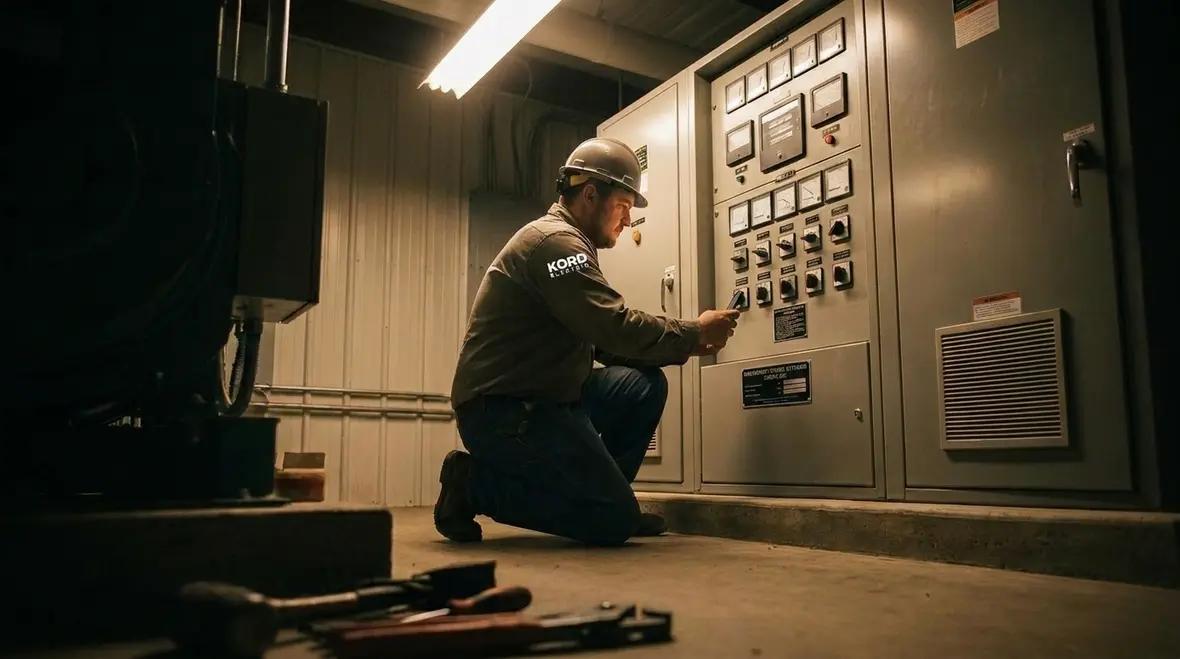
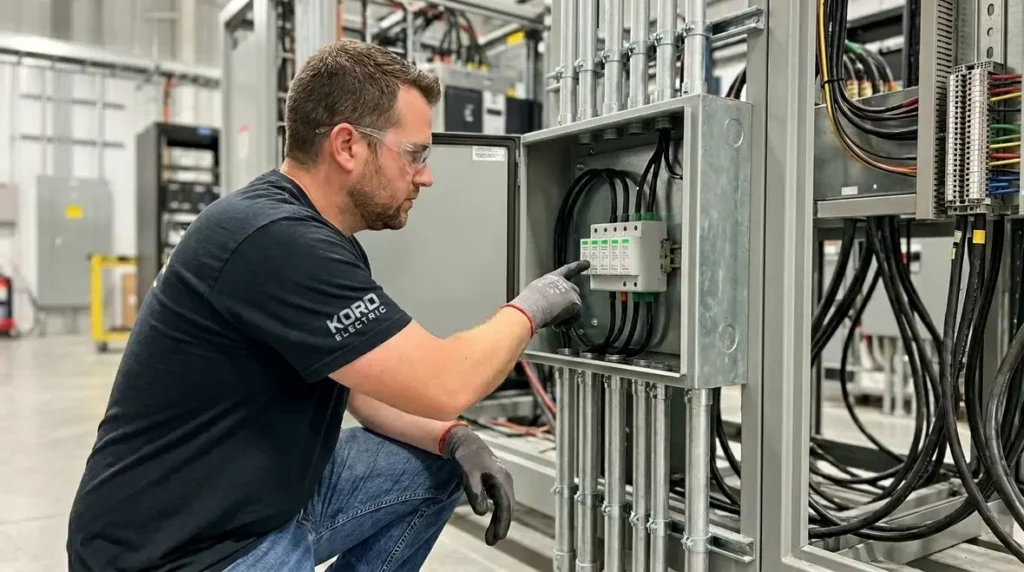
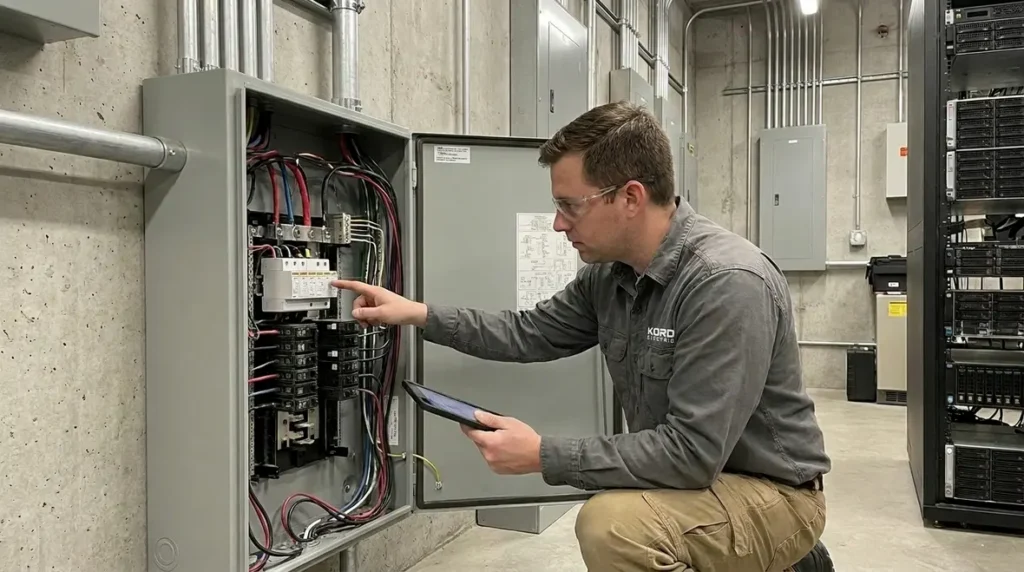
Before we do any upgrades, our team evaluates how power flows through the facility and where it can stumble. Then we build a risk picture that focuses on your actual commercial and industrial environment. For example, a warehouse faces different load swings than a high-rise lobby or a plant with large motor starts.
- We review site load profiles, including peak demand and motor or process equipment behavior.
- We check critical loads lists and verify that “critical” stays accurate as tenants and operations change.
- We identify weak points such as aged switchgear, corroded terminations, or unclear transfer logic.
Meanwhile, we document findings in plain language. So when our expert service staff explains the risks, leadership does not need an engineering degree to follow along. If this feels like a pregame speech, that is because reliability is won before the kickoff. For a deeper dive into how structured maintenance supports long-term reliability, many commercial facilities also look at ongoing electrical preventive maintenance programs that keep risks controlled year after year.
Design redundancy that matches how your building actually runs
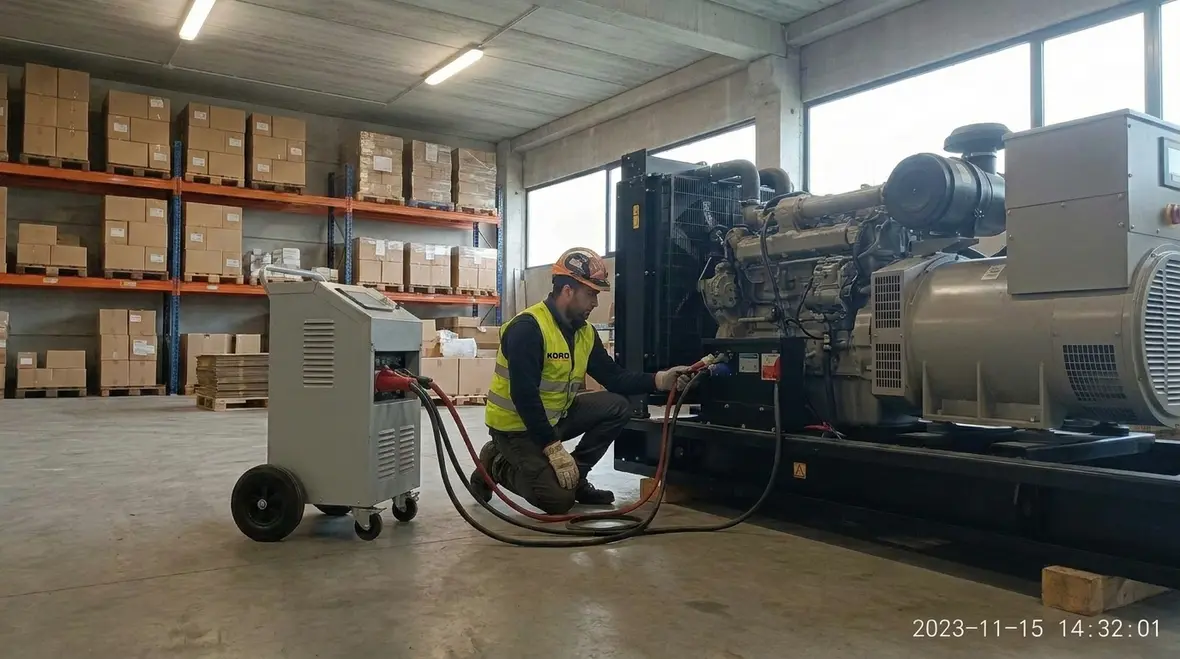
Reliability improves when the system design matches how the facility operates, not when it simply meets a minimum code checklist. Therefore, we align transfer methods, power paths, and controls with your load needs and operating patterns.
For many commercial and major property buildings, a strong approach includes layered backup and smart load control. That means you do not just connect a generator and hope. You manage the handoff and the sequence so the system avoids overload or nuisance events.
- We evaluate transfer switch ratings, control settings, and timing to reduce mis-transfer risk.
- We confirm the standby distribution plan supports step loading when needed.
- We consider parallel or redundant power paths when downtime costs rise quickly.
And when people ask, “Why so many checks?” we answer with a smile. Because a transfer is not a magic trick. It is a carefully timed process, and timing matters. Like holding a glass without spilling it, except the glass holds your facility. Those same principles apply when you plan major upgrades such as full commercial electrical rewiring projects, where the backbone of the system has to support every transfer, every restart, and every emergency transition.
Test like it is a real outage, not a ritual
Many buildings run tests, and some even log them. However, too many tests do not replicate the conditions that cause real failures. We improve emergency power system performance by testing under realistic scenarios and by measuring results, not just recording “passed.”
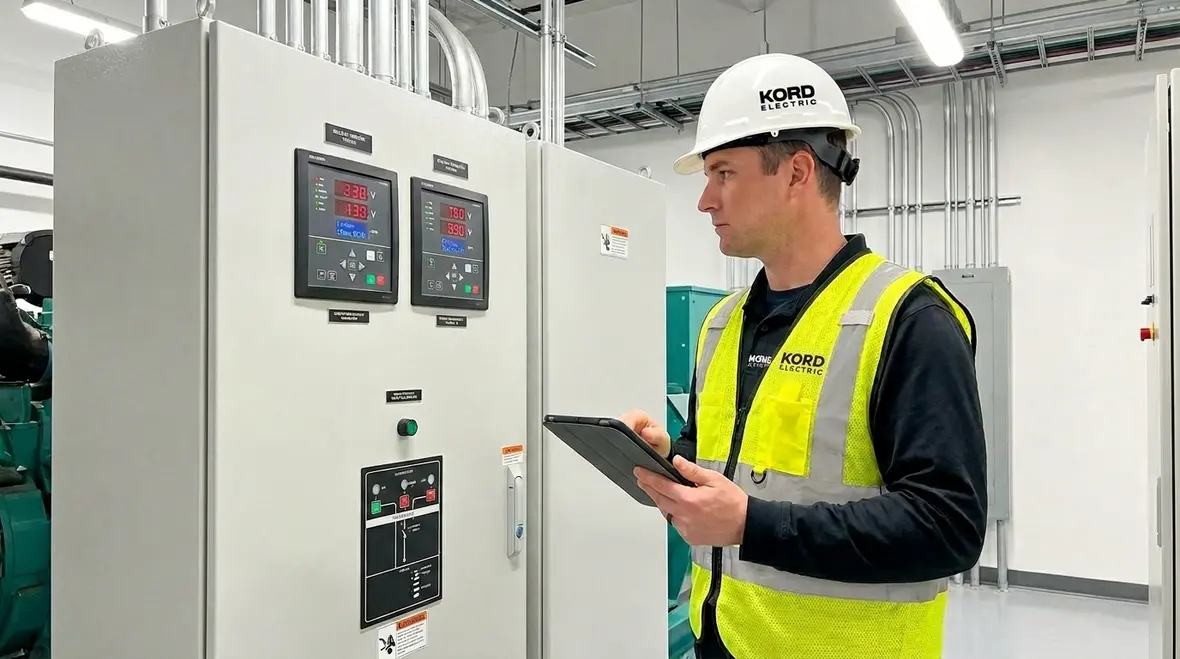
So we build test programs that account for load, starting conditions, and control behavior. We also coordinate with facility operations so testing does not disrupt the day more than it has to. Then our technicians capture key data and compare it against expected outcomes.
- We validate transfer time and confirm the system reaches stable voltage and frequency quickly.
- We stress test with representative loads based on actual operating schedules.
- We inspect and verify load shed sequences to protect the generator during heavy starts.
After testing, our expert service staff explains the results step by step. We point out what improved, what stayed stable, and what needs attention. Then we recommend actions that reduce future downtime risk. In other words, we do not just show you a waveform. We help you understand it, like translating a movie plot without the annoying spoilers. For many facilities, realistic testing also ties closely to managing voltage fluctuations in commercial and industrial buildings, where unstable power can quietly undermine even the best emergency plans.
Fuel and runtime reliability: plan for the long haul
A generator that starts is helpful, but a generator that runs long enough is what keeps operations alive. Therefore, we treat fuel and runtime as core reliability topics, not as an afterthought.
Our approach includes verifying fuel availability, fuel quality, and delivery assumptions. In large facilities, runtime requirements can shift based on load changes and operational needs during an event.
- We confirm fuel tank capacity supports the required operating duration under real load.
- We support fuel quality checks to reduce sludge and contamination risks.
- We review fuel transfer and delivery assumptions, especially for multi-tank setups.
And because buildings change, we revisit runtime plans as loads evolve. For example, if a new HVAC system or production line increases demand, the old fuel assumptions may no longer hold. We would rather update the plan now than explain later why “the math” did not match reality. Nobody wants that conversation, and we do not blame them. As part of broader commercial emergency power reliability, runtime planning works best alongside a disciplined commercial and industrial electrical maintenance plan that keeps the entire system tuned over time.
Maintain controls, batteries, and switchgear with a disciplined schedule
When emergency power systems fail, it is often not the generator itself. It is the control layer, the starting system, or the distribution path. Consequently, we focus maintenance on the components that quietly decide whether the system behaves.
Our technicians follow structured maintenance that reduces hidden degradation. And because commercial and industrial sites run on tight timelines, we plan work to keep downtime minimal and predictable.
- We service battery systems and chargers, then verify voltage stability under load.
- We inspect protective devices, relays, and switchgear connections for heat damage and looseness.
- We clean and verify control wiring, then confirm settings stay within required tolerances.
During service visits, our expert service staff also explains what they find and what actions they recommend. That helps your in-house team track changes and prepare for future work. It also reduces the “mystery maintenance” feeling that some facilities get, like a vending machine that refuses to accept money and nobody knows why. When combined with consistent electrical preventive maintenance, this kind of disciplined schedule significantly boosts commercial emergency power reliability over the long term.
Train teams and document procedures for calm response
Even a well-built emergency system cannot help if procedures fail. So we improve reliability by strengthening response practices for the people who operate the building during an outage.
We help facilities create clear, step-based procedures that align with the electrical design. Then our expert service staff supports training that covers what alarms mean, how to verify system behavior, and how to avoid unsafe actions.
- We review start and transfer steps so operators know what should happen, in what order.
- We document shutdown and reset actions to prevent repeat faults.
- We help facilities assign roles during an emergency so teams act fast without guessing.
Meanwhile, we update documentation when modifications occur. That matters because facilities evolve. Tenants change. Production lines move. Control logic may get tweaked. When updates happen without documentation, reliability drops quietly. By pairing strong procedures with clear as-built records and periodic refreshers, you turn commercial emergency power reliability from a hope into a habit that your team can trust when the lights flicker.
FAQ
Get a reliability plan built for your commercial facility
If you want less guesswork, more predictable performance, and fewer “surprise” failures, Kord Electric can build a reliability plan around your site. We combine risk mapping, realistic testing, disciplined maintenance, and clear training so your emergency system performs when it counts. Call us to review your current setup and get a practical upgrade and service path tailored to commercial and industrial buildings. Let’s keep your power steady, calm, and ready for the moment you need it most.
To connect this planning with the rest of your infrastructure, it often helps to review how your emergency systems interact with broader building codes and standards. Resources like Kord Electric’s guide to NFPA 70 and the National Electrical Code give added context on how commercial emergency power reliability fits into safe, compliant electrical design for your entire facility.
When you are ready to turn this into a concrete plan instead of a to-do list, Kord Electric’s dedicated electrical preventive maintenance services for commercial and industrial properties provide a service framework that keeps emergency power, everyday distribution, and critical systems working together for long-term stability.