Commercial EV Charging Infrastructure Planning
Electric Vehicle Charging Infrastructure: how we prepare large commercial sites for EV growth
At Kord Electric, we plan and install Electric Vehicle Charging Infrastructure for commercial and industrial facilities and major property buildings, and we do it like it matters because, well, it does. When companies add chargers at scale, the real work begins long before the first cable is pulled. Others often focus on the equipment. We focus on the site, the load, the safety path, and the ongoing electrical maintenance plan that keeps everything running through busy seasons, tenant changes, and the occasional “we thought this was plug and play” surprise.
In this guide, our technicians and expert service staff explain how we get properties ready for large scale EV charger deployment. So, we reduce delays, prevent power issues, and make sure your chargers perform reliably. And yes, we keep the humor light, because your switchgear is not a stage for slapstick.
Assessing the site: power, space, and the real layout
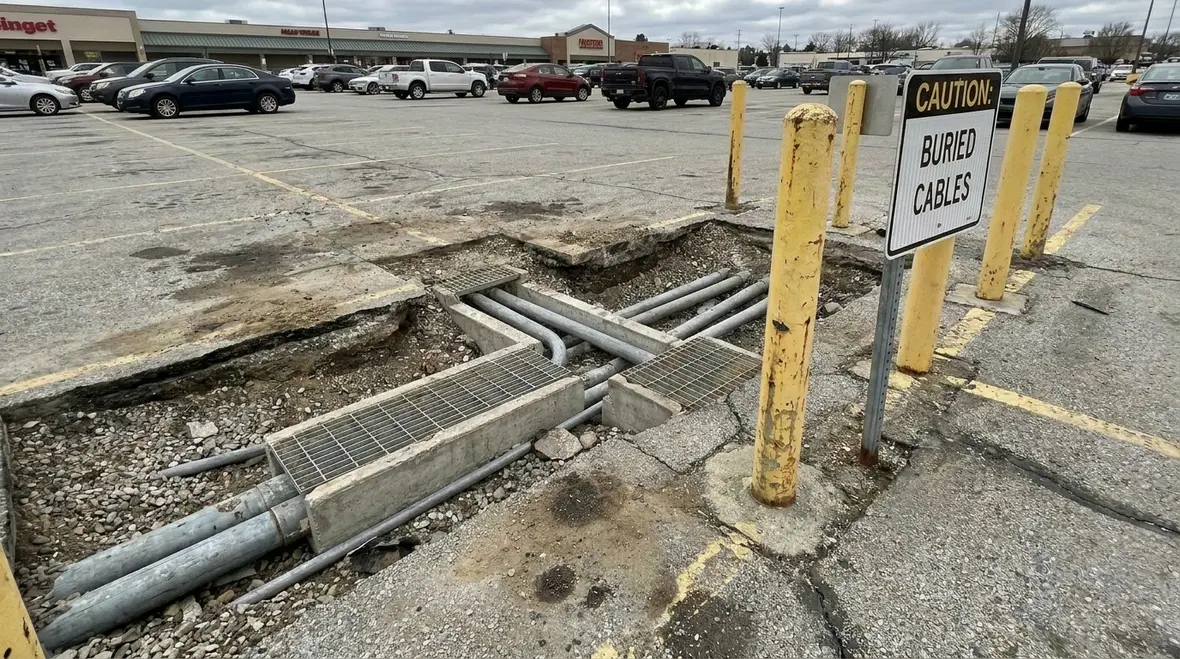
Before anyone orders hardware, we start with the site realities that impact every phase of deployment. First, our team evaluates utility service capacity, transformer size, and available feeders. Then we map where the charging stations will land relative to electrical rooms, conduit runs, bollards, parking flow, and pedestrian paths.
Next, we consider the “hidden costs” that pop up when plans stop at parking stalls. For example, we check clearances, equipment placement rules, cable routing needs, and how weather exposure affects enclosures. After that, we review future growth so the next expansion does not force a full rebuild.
Because commercial properties move fast, we also confirm operating constraints such as access hours, tenant restrictions, and any shutdown limits. Transitioning work into an active environment takes coordination. However, when we plan early, we often avoid expensive rework and long downtime windows.

Matching charger demand to electrical capacity
Large scale EV charger deployment is not just about installing units. It is about sizing the electrical system to handle demand without creating nuisance trips or long-term stress. So, we model expected usage patterns across the day and into peak periods.
Then we align charger types and counts with the available load profile. If the site uses fast charging, we confirm how it will share power during simultaneous sessions. If the site includes Level 2 charging for fleet operations, we balance charging schedules so the electrical system stays within safe limits.
Importantly, we verify protective device ratings and coordination. In plain terms, breakers should trip when they must, not when they feel like it. Our technicians review grounding and bonding requirements, since stable electrical reference points help prevent faults and protect equipment.
Finally, we document design decisions clearly, so your facility team and our service staff can support the system over time. That continuity matters when maintenance happens months later, not right after install day.

Conduit, routing, and safety pathways that survive real weather
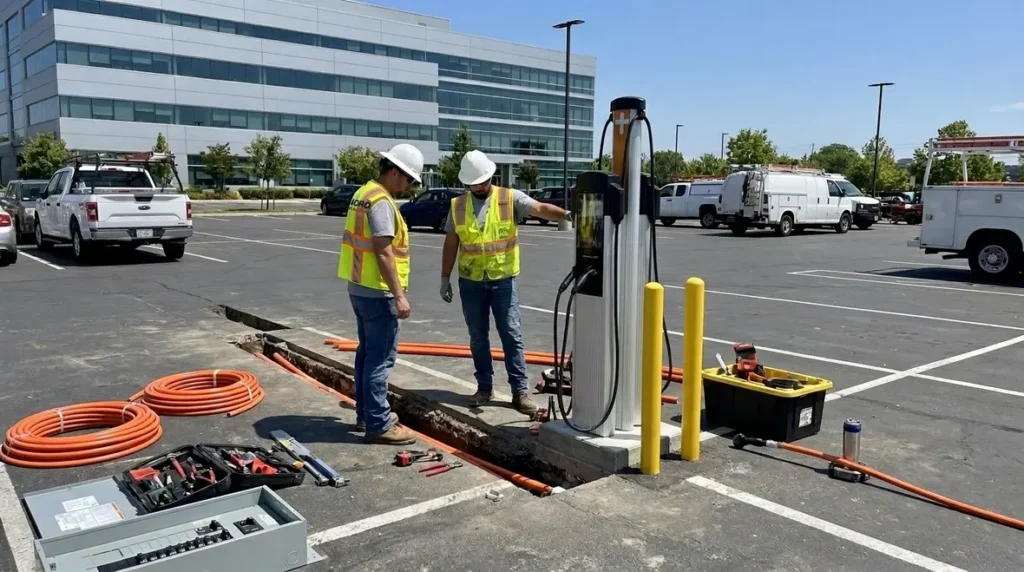
Once electrical capacity is set, we move to physical installation planning. However, the trenching, conduit path, and routing decisions determine how the system will perform in the field. So, we route circuits with correct separation, proper bends, and suitable burial or surface protection where needed.
Then we plan for cable protection and enclosure placement. Weather, salt air, and repeated vehicle impacts all influence how we protect components. We also take into account snow removal practices and landscaping changes because in commercial lots, conditions evolve. If an area will see frequent plowing, we plan higher clearance and stronger physical barriers.
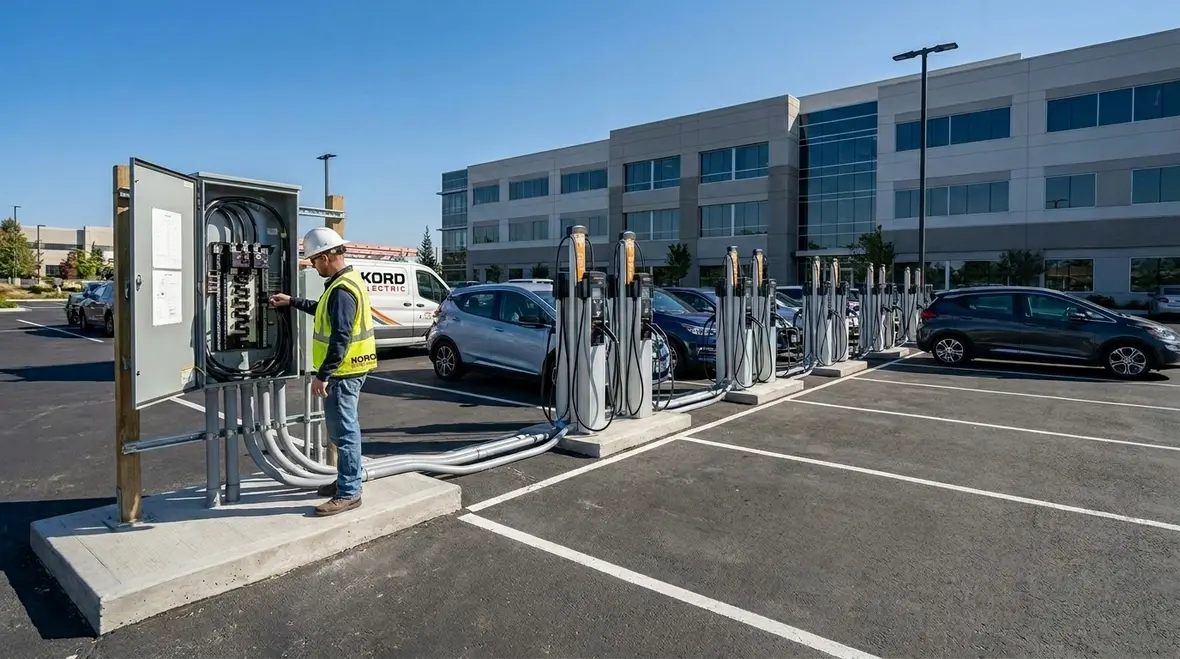
As a calming detail, we keep the safety path clear. That means well-labeled panels, accessible disconnects, and safe service access. We do not hide critical parts behind “maybe later” construction. After all, later becomes urgent when something needs attention.

How commercial maintenance planning supports long term charger uptime
Even the best installation needs care. Therefore, we use maintenance planning approaches designed for commercial and industrial electrical systems. If you are familiar with our commercial and industrial electrical maintenance plans, you already know the idea: we aim to prevent failures, catch issues early, and keep operations steady.
In practice, our expert service staff checks key components on a schedule that fits your site. We inspect connections, verify breaker performance, review signs of overheating, and confirm that grounding systems remain intact. Then we test for issues that can show up gradually, like loose terminations or wear from repeated thermal cycling.
Moreover, we track performance so we can spot patterns. For example, if one charger experiences faults more often than others, we focus on that unit and the upstream feed. This kind of targeted response saves time and prevents guesswork.
So, when we deploy Electric Vehicle Charging Infrastructure at scale, we do not stop at commissioning. We connect installation quality to long term service readiness. It is the difference between “it worked on day one” and “it stays dependable when your schedule gets busy.”
Permits, coordination, and avoiding costly scheduling conflicts
Commercial deployments also depend on process, not just wiring diagrams. We coordinate with stakeholders early to reduce surprises during permitting and site work. That includes aligning electrical scope with property management, facilities teams, contractors, and sometimes utility representatives.
Next, we prepare the documentation needed for inspections. We keep labeling standards consistent and confirm that the installation matches the approved design. If changes become necessary, we handle them with controlled revisions rather than last minute confusion.
Then we plan how work happens around daily business. Many sites cannot shut down without impact. Therefore, our technicians sequence the work to limit downtime and maintain safety. We also consider how staging materials will affect traffic flow and access to entrances.
And yes, we schedule around reality. Reality includes loading docks, breakrooms, and the coworker who always says “I will just plug it in real quick.” We prefer to make sure “quick” never turns into “call the electrician.”
Deployment at scale: standardization without losing site-specific accuracy
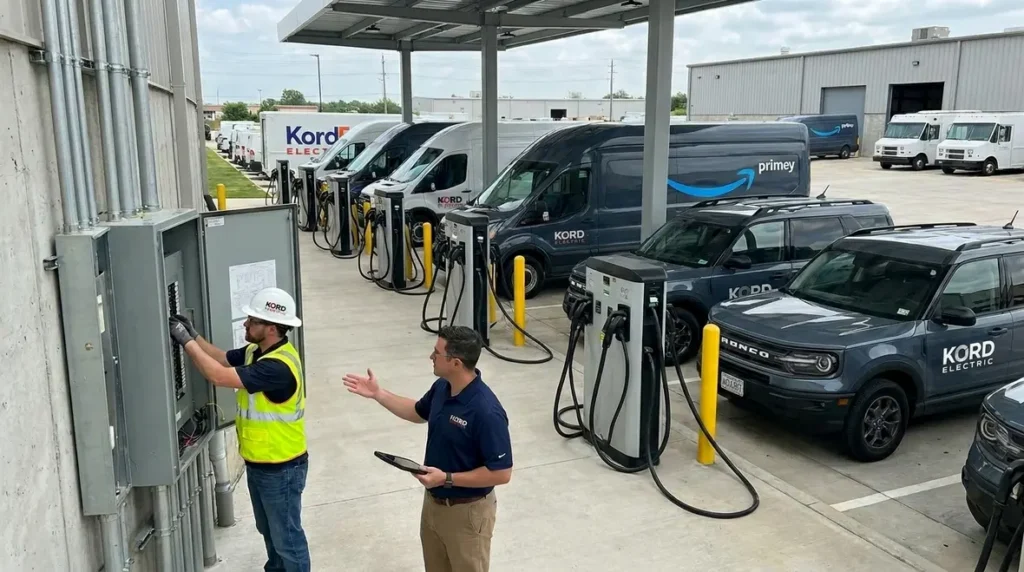
When multiple charging areas get added across a large property, we deploy with a repeatable method. That does not mean cookie-cutter design. Instead, we standardize what we can while tailoring the details that each zone needs.
So, we set installation standards for conduit sizing, equipment mounting, labeling, and inspection checkpoints. At the same time, we adjust for unique conditions like different parking layouts, varying soil or concrete conditions, and distinct access constraints.
Next, we confirm load distribution across the property. We account for how tenants and fleet schedules vary by building and by day. Then we ensure each charging area has the protection and service readiness required for long term performance.
In short, we build consistency into the system while respecting the differences that exist from one section of a commercial campus to another. That approach helps reduce commissioning delays, speeds troubleshooting, and improves the odds that expansions do not disrupt existing operations.
FAQ: EV charger prep for commercial properties
Final word: call Kord Electric for a plan you can trust
When a commercial property moves toward large scale EV charger deployment, the best results come from preparation, not optimism. Kord Electric brings disciplined planning, expert technician execution, and ongoing service readiness for commercial and industrial facilities and major property buildings. If you want your Electric Vehicle Charging Infrastructure to run smoothly through peak demand and everyday operations, we should talk. Call Kord Electric to review your site, capacity, and deployment timeline, and we will map the safest path forward.
If you are looking to align your charging rollout with a broader reliability strategy, explore our dedicated Electrical Preventive Maintenance services. Pairing EV infrastructure planning with a structured maintenance program helps protect uptime, compliance, and long term performance across your entire electrical system.
For facilities also upgrading lighting, safety, or production areas as part of the same project, our Lighting Installation Services give you a coordinated way to modernize multiple systems under one reliable commercial and industrial partner.