Commercial EV Charging Station ROI: Costs, Savings & Business Benefits
When Kord Electric helps a commercial site plan charging, we focus on one thing first: Commercial EV Charging Station ROI: Costs, Savings & Business Benefits. We outline the real costs, we map the payback path, and we explain how savings show up in monthly operations. Then we make it practical for the business owner, not just for the engineer. Because yes, chargers can feel like a new expense at the start. However, they can also become a revenue tool, a tenant perk, and a way to reduce electrical upgrade surprises later. And if you think ROI is boring, just remember this: boring is fine when it pays you back.
Commercial EV charging ROI in the real world
In commercial projects, EV charging is not just “green tech.” It is part of how your site handles power, supports tenants, and stays competitive as more drivers and fleets plug in. That is why Commercial EV Charging Station ROI: Costs, Savings & Business Benefits has to be measured in more than one column on a spreadsheet. The numbers live in your electrical room, your parking lot, your lease renewals, and your maintenance budget. Kord Electric treats charging like a long term asset, not a gadget that happens to use electricity.
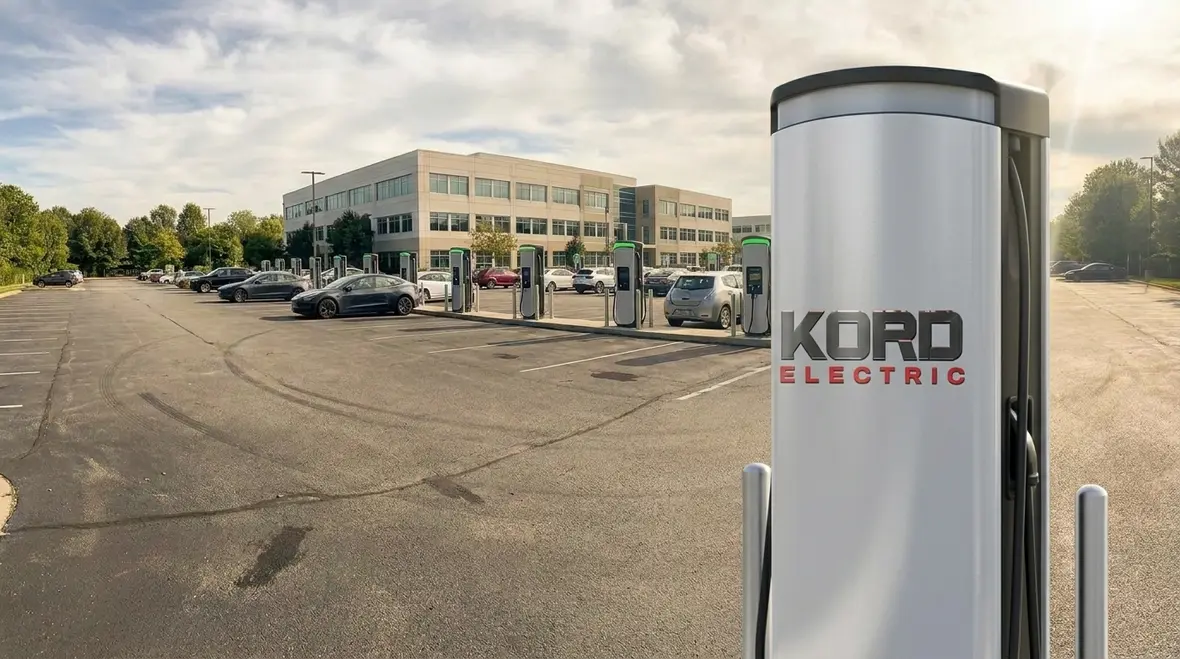
Across Los Angeles County, we see the same story repeat: sites that rush to the lowest bid on hardware often discover hidden electrical costs and weak utilization later. Sites that slow down long enough to plan their ROI up front usually spend smarter, upgrade once, and get a system that tenants, employees, or fleet drivers actually depend on.
If you want to dig into capacity and growth planning alongside this ROI conversation, it can help to read Kord Electric’s Commercial EV Charging Planning Guide: Scaling Infrastructure With Confidence as a companion. It connects the dots between how you phase infrastructure and how your payback story plays out over time.
Why commercial charging ROI feels different for businesses
Commercial and industrial facilities do not behave like a home garage. First, your load profile varies by shift, season, and building use. Next, your parking duration often runs longer than consumer “quick stops.” That changes charging demand and improves the chance of consistent utilization. Then there is the property side: major property buildings care about tenant retention, brand signals, and compliance risk. Finally, many businesses face pressure from customers, fleets, and local rules.
So while others may chase the cheapest install, we help our clients chase the right system. We think about demand management, cable routing, transformer capacity, and how billing fits your operations. In other words, we build a plan that is ready for growth, not stuck with a “works today” design. That same mindset runs through our broader commercial EV charging content, including Kord Electric’s take on scalable commercial EV charging network setup, where phased design keeps ROI from getting trapped in a one-and-done project.
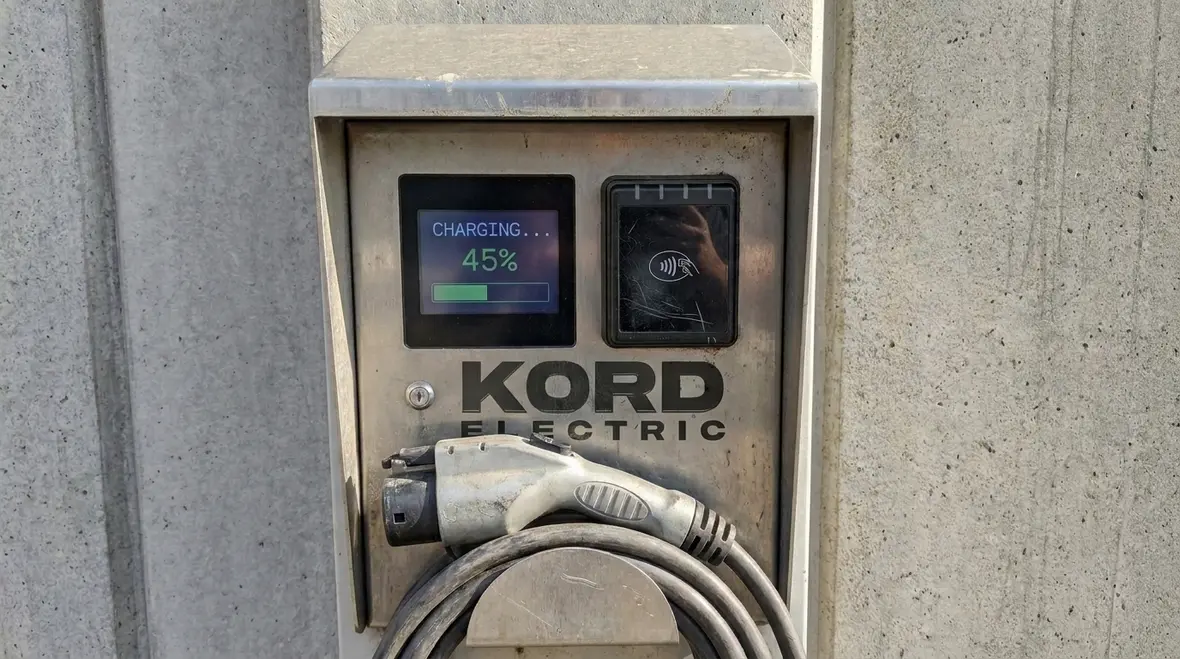
When you plan ROI for commercial charging, you are not only asking “What do these chargers earn?” You are also asking “What do they protect?” That includes protection from emergency electrical work, frustrated tenants, missed fleet windows, and the joy of explaining unplanned demand charges to your finance team.
How EV loads show up on your existing electrical system
Unlike many new building systems, EV charging drops real load onto equipment that might already be near its comfortable limits. Panels, feeders, and transformers feel every high power charging session. That is why Kord Electric often recommends pairing ROI conversations with an electrical capacity assessment and, when relevant, broader planning like our EV charging infrastructure planning for commercial sites guidance. It is difficult to predict Commercial EV Charging Station ROI: Costs, Savings & Business Benefits if you do not know how close you are to a service upgrade.
Estimate your costs with fewer surprises
In our blog guide, we break down commercial EV charging station costs and ROI in a way that lets you plan with clarity. At Kord Electric, our technicians and expert service staff use that same structure when we walk a site through planning. We explain it in plain language, because nobody likes a bill that shows up like a plot twist in a superhero movie.
Here is what typically drives cost for commercial installs:
- Site assessment and electrical review, including panel and transformer checks
- Electrical work such as trenching, conduit, wiring, and permitted connections
- Demand management tools when the site needs load balancing
- Hardware including chargers, charging management software, and weatherproofing
- Installation labor and commissioning
- Networking and billing setup when you want reporting and payments
- Ongoing service for inspections, parts, and uptime support
Then we talk about one key reality. Your electrical constraints can become the biggest swing factor. If you size wrong, you can pay twice. However, if we confirm capacity early and plan for future ports, you protect ROI and reduce timeline risk. If you want to see how power, trenching, and civil work behave at scale, Kord Electric’s Commercial EV Charging Installation Cost Guide walks through those pieces in detail so the “surprises” move into the plan instead of your inbox.
Cost buckets your finance team will actually recognize
When we model Commercial EV Charging Station ROI: Costs, Savings & Business Benefits, we make sure install and operating costs tie back to categories your finance and operations leads can track. That includes capital work in the electrical room, construction in the parking lot, software and networking for the chargers, and the service plan that keeps uptime predictable. Clear cost buckets mean clearer ROI conversations later.
Project savings using the right revenue and cost buckets
To estimate the Commercial EV Charging Station ROI: Costs, Savings & Business Benefits, we split “savings” into buckets your finance team can understand. Some benefits are direct money. Others are operational, and some are risk reduction. That mix matters, because a business case that only counts revenue can look weak even when the strategy works.
Direct revenue can include pay to charge fees, subscriptions, and charging credits tied to usage policies. When your billing stays clear and your access rules fit the site, you keep utilization up and customer friction down.
Operational savings can show up when charging reduces demand spikes through smart scheduling and load sharing. Also, a well designed system often avoids emergency electrical work. That matters because emergency projects rarely come with a friendly price tag or a calm timeline.
Indirect savings and benefits show up through tenant retention, better customer experience, and reputation signals that influence leasing and business partnerships. Fleet customers also notice reliability. If your chargers work and respond to demand, they come back. If they do not, they stop making your site part of their route plan. Articles such as Kord Electric’s Commercial EV Charging Stations for Real Demand dig deeper into how real world demand and reliability shape those softer—but very real—gains.
Seeing savings on the utility bill vs. in the lease ledger
For some facilities, the most visible ROI lives on the utility bill as more predictable demand and fewer last minute upgrades. For others, the bigger win shows up when tenants renew, fleet contracts expand, or customers choose your site because charging “just works.” A solid ROI plan treats both sides as part of the same story.
How utilization affects payback in the real world
Many sites overestimate utilization by assuming every vehicle charges like a movie montage. In practice, utilization depends on access rules and charging speed relative to parking time. Therefore, we help clients choose an approach that fits their parking reality.
For example, office parks often have weekday demand, while warehouses can see demand patterns tied to receiving schedules. Retail centers can experience weekend spikes. Industrial facilities might support employee charging plus fleet or partner charging. We model those windows and then advise on how many ports to add now versus what to plan for later.
We also suggest site rules that improve uptime and fairness. In some buildings, we set policies that encourage turn over without punishing frequent users. Meanwhile, demand management keeps the system stable during peak hours. When the electrical system stays within safe limits, your ROI improves because you avoid forced downtime and costly upgrades. For parking heavy sites, Kord Electric’s guide on EV charging infrastructure strategy for parking lots offers more ideas on matching utilization expectations to actual driver behavior.
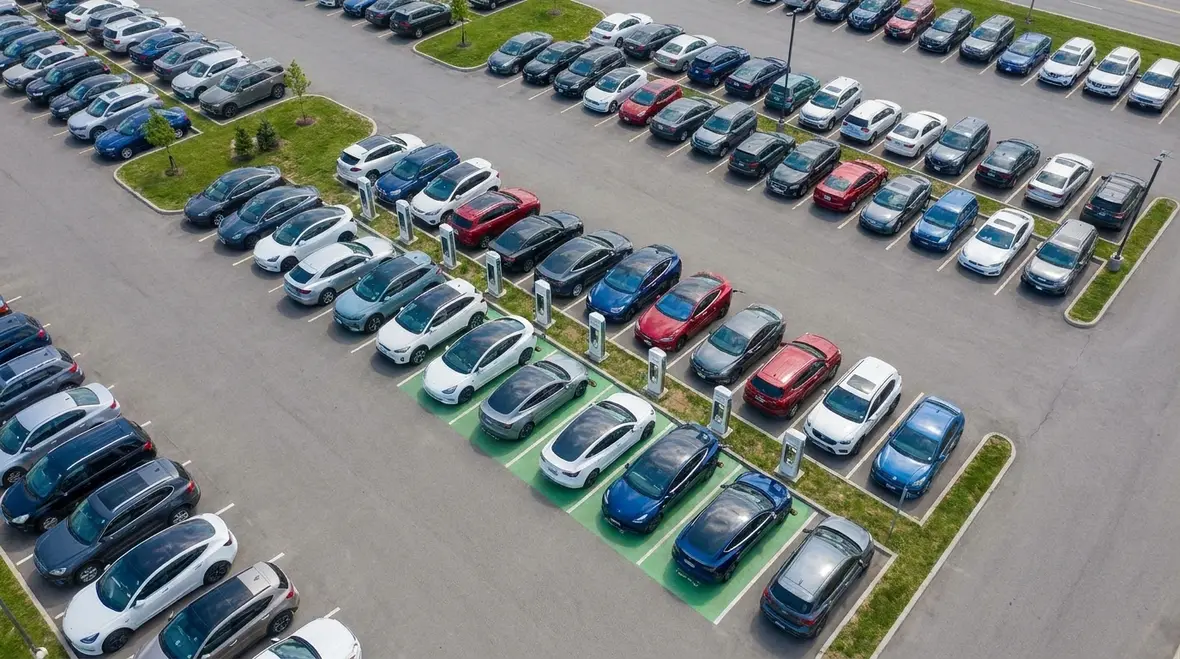
Matching charger type to dwell time
Longer parking windows often favor Level 2 charging with smart load sharing, while short stops or high throughput fleet hubs might justify DC fast charging in specific lanes. You protect ROI when charger types, counts, and locations align with how long vehicles actually sit still at your site.
Commercial ROI models: a simple way to see the payback path
At Kord Electric, we help businesses build ROI models that do not require a spreadsheet degree. First, we estimate install and commissioning costs. Then we include expected service and software fees if you want remote monitoring and billing. After that, we estimate revenue or value based on utilization.
Because not every site charges for electricity, we also account for value in other forms, such as reduced electrical demand planning risk and improved leasing appeal. Next, we apply a payback horizon that fits your capital planning. Some owners want a shorter cycle. Others accept a longer view if the chargers support fleet contracts or long term tenant goals.
Here is how we keep the model grounded:
- We confirm available power and note what upgrades may be needed
- We set assumptions based on site parking duration and shift schedules
- We include utilization targets that match realistic behavior
- We model growth using an expansion ready design
- We add service costs to protect uptime and avoid hidden losses
If you run the numbers with these steps, your Commercial EV Charging Station ROI: Costs, Savings & Business Benefits discussion stops being an argument and starts being a plan.
Connecting ROI to broader electrical work on site
In many commercial projects, EV infrastructure shows up alongside other upgrades like panel work, transformer maintenance, or targeted troubleshooting. When you view charging as part of your overall electrical reliability strategy—rather than a standalone expense—you often unlock better phasing and shared labor, which quietly improves payback. Kord Electric’s coverage of topics like electrical capacity assessments and commercial electrical troubleshooting helps decision makers see those connections before work starts.
Design decisions that protect ROI over 5 to 10 years
Now we get to the part where smart choices pay quietly for years. You can install chargers today and still hurt ROI if the system cannot grow. So we focus on design decisions that reduce rework and keep performance steady.
Right sizing for future demand matters. If you plan for only today’s needs, you may face a costly second phase when vehicle mix changes. When we confirm capacity and design with expansion in mind, future ports become a controlled upgrade, not a surprise project.
Demand management protects the electrical system. Instead of asking the grid to carry every charger at once, the system shares load. That can reduce upgrade scope. It also keeps charging stable when many users plug in around the same time.
Weather rated installation and cable planning reduce service interruptions. A rough installation can lead to repeated maintenance. We handle routing, termination, and protection so the system holds up in real conditions.
Service strategy also protects ROI. Our technicians and expert service staff explain what to expect after install. We support maintenance needs, uptime checks, and fast response so your charging stays ready when your users arrive.
And yes, we still talk about branding and customer experience because chargers that are hard to find or unreliable turn into a “nice idea” that nobody uses.
Why long term design ties into county wide service support
For properties across the region, it helps to think of EV charging as part of a bigger electrical services relationship, not a one time project. Kord Electric’s dedicated Los Angeles County electrical services page outlines how our broader commercial and industrial support can keep those 5 to 10 year ROI decisions aligned with everything else your facility depends on.
Featured guidance for commercial stakeholders and property managers
If you manage a major property building, you need a charging plan that supports your operations. That means clear rules, consistent service, and reporting that helps you manage usage. Our service staff does more than wire and install. We help you understand access control options, how billing ties to your policies, and what monitoring tools can show you.
We also help align charging decisions with property goals. If your priority is tenant retention, we design for reliability and a smooth experience. If your priority is fleet support, we plan for predictable charging windows and stable capacity. If your priority is compliance and future readiness, we build a system that can grow without chaos.
In short, we treat the charging station as part of the facility, not a standalone gadget. If you want to compare how ROI and infrastructure choices stack up over time, you can also review Kord Electric’s Commercial EV Charging Station Costs and ROI Guide, which pairs neatly with this discussion of Commercial EV Charging Station ROI: Costs, Savings & Business Benefits.
FAQ
CTA: Let Kord Electric model the ROI for your site
If you manage a commercial property, an industrial site, or a major building, we can help you see the full picture behind the Commercial EV Charging Station ROI: Costs, Savings & Business Benefits. Our technicians and expert service staff explain each line item, then we build a practical plan based on your power limits, parking patterns, and growth goals. Contact Kord Electric to review your site needs and get a grounded roadmap that supports uptime, expansion, and real business value.
When you are ready to go deeper on the financial side, be sure to review Kord Electric’s dedicated guide on Commercial EV Charging Station ROI: Costs, Savings & Business Benefits, along with our focused post on Commercial EV Charging Station ROI Costs Savings Benefits. And if you are already thinking about long term return, our specialized overview of Commercial EV Charging Station ROI: Costs, Savings & Business Benefits: what the numbers really say ties strategy, infrastructure, and day to day operations together so stakeholders see how each decision affects payback.
For sites planning multiple projects at once, including EV charging, lighting upgrades, or power reliability work, it can also help to look at the broader investment picture. Kord Electric’s post on Commercial EV Charging Station ROI: Costs, Savings & Business Benefits connects nicely with their Commercial EV Charging Station ROI Costs Savings Benefits perspective so you can line up infrastructure, budgets, and long term value in one view.
And when you are ready to move from planning into implementation, be sure to explore Kord Electric’s detailed overview of Commercial EV Charging Station ROI: Costs, Savings & Business Benefits alongside their in depth Commercial EV Charging Station ROI Costs Savings Benefits coverage. Together, they show how early design, careful electrical work, and clear operating rules turn EV charging from “extra project” into a predictable asset.