Commercial Property Electrical Wiring Assessment Guide
At Kord Electric, we know that a dependable commercial property electrical wiring assessment is not a box to check, it is a business decision that protects people, operations, and budgets. Others may treat electrical work like a “whenever something breaks” situation, but we treat it like the lifeline it is. In this article, we walk through why periodic inspections matter for commercial and industrial facilities and major property buildings, how our technicians explain findings in plain language, and what a smart assessment looks like from first visit to final report. And yes, we will also mention a little humor, because even electrical risks deserve good morale.
What a periodic wiring assessment protects in commercial buildings
In commercial and industrial buildings, electrical systems rarely sit quietly. They power lighting, HVAC, elevators, pumps, server rooms, charging systems, and production equipment. As a result, wiring and connections experience heat, vibration, and changes in load over time. Therefore, a periodic inspection helps others avoid the slow drift toward unsafe conditions that do not announce themselves until there is trouble.
When we perform an assessment, our team focuses on the “in-between” issues. For example, a contact that feels fine today can loosen over months, and moisture can creep into a junction that looked dry during the last walkthrough. Meanwhile, overloaded circuits create heat that degrades insulation, and degraded insulation can lead to faults and ground issues. Because these problems develop gradually, the best time to find them is before operations notice.
We also protect business continuity. If a breaker trips during a peak shift, staff lose time, and operations lose momentum. In addition, emergency repairs often cost more than planned maintenance because scheduling gets squeezed. Our technicians talk through what they see, and they show how small fixes can prevent bigger outages. It is like having a smoke alarm, but for electrical wiring behavior.
How inspections catch hidden hazards before they become outages
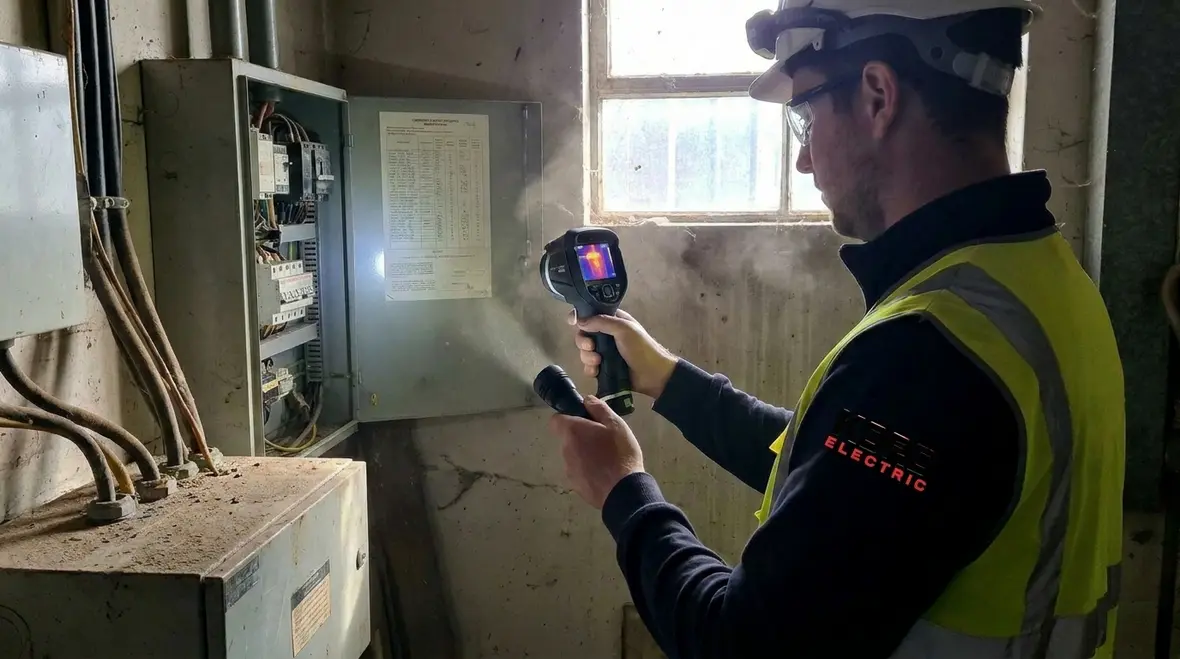
Some building owners think an electrical system only fails when there is a loud event like a fire alarm or a full shutdown. However, many hazardous conditions start quietly. Our technicians examine components that are not always visible in day-to-day routines. For instance, they review panels, terminations, conductors, and grounding paths. Additionally, they look for signs of overheating, corrosion, and physical stress.
We also pay attention to how wiring ages in real commercial use. In major property buildings, tenants change faster than a playlist in a gym. New equipment gets added, schedules shift, and electrical loads can rise. Even when nobody “adds more power,” demand patterns change, and that affects how circuits run. Consequently, a wiring assessment looks at condition and capability, not just location and labels.
Once we identify concerns, we explain them clearly. Our expert service staff does not talk only in technical jargon. Instead, they connect each finding to what could happen next: nuisance tripping, damaged equipment, safety risks, or compliance gaps. And because nobody enjoys surprises, we help others plan repairs with realistic timelines.
What our technicians review during a wiring assessment
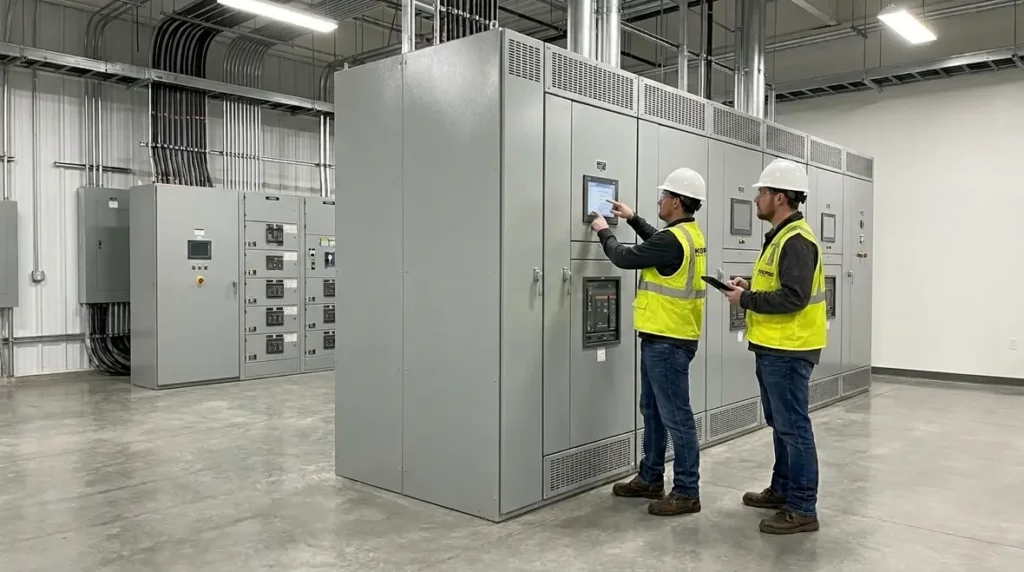
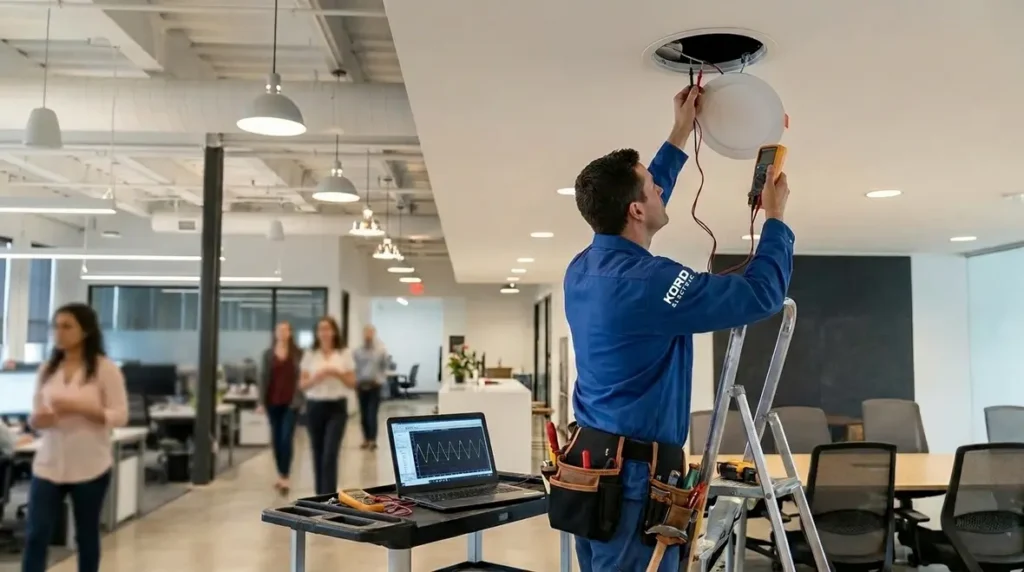
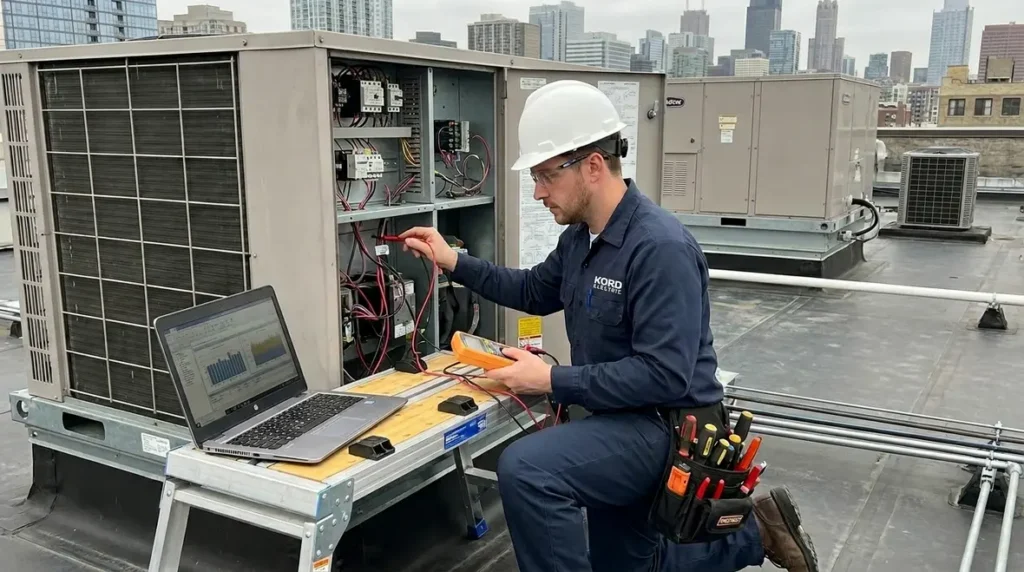
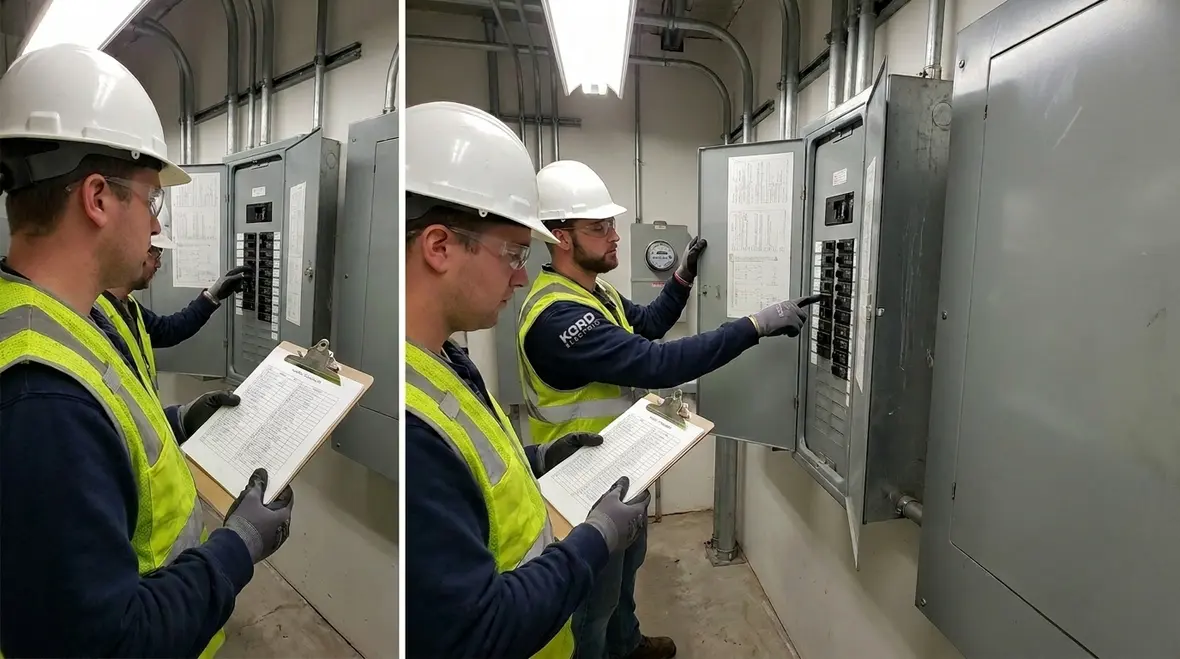
Our process for a commercial property electrical wiring assessment stays practical. We do not treat inspections like a random scavenger hunt through utility closets. We build an approach around how the building operates and what loads it carries. First, our team reviews available electrical documentation when it exists, such as panel schedules and past maintenance records. Then, we perform field checks on key distribution points.
Typically, our technicians focus on:
- Service and distribution panels, including terminations, labeling, and signs of heat stress
- Branch circuit components where connections can loosen or degrade under load cycling
- Grounding and bonding paths, since they help systems behave safely during faults
- Wiring condition indicators like discoloration, brittleness, corrosion, and abrasion points
- Water intrusion risk areas, such as exterior penetrations, mechanical rooms, and wet zones
- Observed load behavior issues that suggest wiring stress or connection problems
Next, we match what we find to operational reality. A facility with critical systems needs a different prioritization than a building with flexible downtime. Therefore, we discuss urgency levels and recommended actions in plain language. Our expert service staff also clarifies what needs immediate attention versus what can follow a maintenance plan. In other words, we help others avoid the “everything is urgent, pay us now” approach. That is not how we run.
Compliance, insurance, and risk management for facilities
Commercial owners and facility managers live with risk every day. Electrical hazards impact safety, and safety impacts insurance costs, claims history, and risk reviews. In addition, many properties require documentation of electrical maintenance and inspection activities. While exact requirements depend on location and facility type, the pattern is consistent: you need evidence that you act, not just statements that you intend to act.
When others skip periodic electrical wiring reviews, they often face a tough situation during renewals or incident investigations. If there is a failure, questions appear fast. Why did it fail? What maintenance happened? What did you inspect, and when? Our team helps others build a clear record through detailed assessment reporting.
Moreover, we support risk management decisions. By identifying degrading conditions early, we help owners schedule repairs during planned downtime. This reduces emergency callouts, limits disruption to tenants or production, and helps keep insurance discussions calmer. Even if the insurance adjuster has the personality of a fictional detective, good documentation makes the case easier.
For facilities that want to fold their wiring reviews into a broader maintenance strategy, pairing assessments with structured electrical preventive maintenance programs can strengthen compliance records and reduce surprise outages over the long term.
How often should a building schedule inspections
There is no single magic calendar that fits every major property building. However, periodic assessments matter because electrical systems change with time and use. For commercial and industrial settings, inspection frequency often depends on factors like system age, operating conditions, exposure to moisture or dust, past maintenance, and how heavily circuits run. If loads increase due to new tenants or new equipment, the schedule should adjust accordingly.
So, how do we help others decide? Our expert service staff evaluates conditions and risk indicators during the first assessment, and then we recommend an inspection rhythm. We also consider whether certain areas deserve earlier attention. For example, wiring in wet zones or high traffic mechanical areas may require more frequent review than areas that stay stable. Additionally, facilities with critical loads may benefit from tighter monitoring to prevent costly interruptions.
We also encourage owners to treat assessments as part of an overall maintenance strategy. Inspections work best when paired with repair follow through, labeling updates, and load planning. In that way, the building does not just “look good on paper,” it performs well in the real world.

What a strong report includes and how we explain next steps
A good inspection report is more than a list of issues. It is a roadmap for action that supports leadership decisions. Our assessments result in findings organized by priority and impact, and we connect each item to potential outcomes. Therefore, facility teams can act without guessing.
In our reports, we typically include:
- Observed conditions with location details so teams can find issues quickly
- Risk level guidance that supports maintenance planning
- Recommended actions with practical fixes and suggested timelines
- Notes that help others understand cause, not just symptoms
- Documentation that supports compliance and insurance conversations
Then our technicians walk through the report with others who need to make decisions. We explain in a steady, business focused way, so owners and facility managers can plan budgets and downtime. If a finding relates to a loose termination or overheating pattern, we describe the consequence and the correction. And if we recommend a repair, we help clarify what happens after the fix. The goal stays simple: keep the facility running, keep people safe, and keep costs under control.
FAQ: commercial wiring assessments for major properties
Ready to protect your facility with planned electrical maintenance
When we handle periodic electrical reviews, we help commercial and industrial facilities stay safe, reliable, and ready for real-world demand. Kord Electric brings expert technicians, clear explanations, and reports that support practical maintenance decisions. If your building has evolving tenants, changing loads, or aging electrical components, it is time to stop guessing and start verifying. Contact Kord Electric to schedule a commercial property electrical wiring assessment, and let us map the path from concerns to corrective action.
If you are building a wider strategy around reliability, consider pairing your next assessment with a structured electrical preventive maintenance program or integrating it into your broader commercial and industrial electrical maintenance plan. That way, each inspection becomes part of a long term roadmap instead of a one time event.
For facilities facing active reliability issues such as voltage swings, nuisance trips, or unexplained shutdowns, combining a wiring assessment with targeted services like a voltage fluctuation evaluation can help connect the dots between what the wiring looks like on paper and how the system behaves under real load.
Whether you oversee a single major property or a portfolio of commercial and industrial sites, a thoughtful commercial property electrical wiring assessment can anchor your risk management, support capital planning, and keep day to day operations running with fewer surprises.