
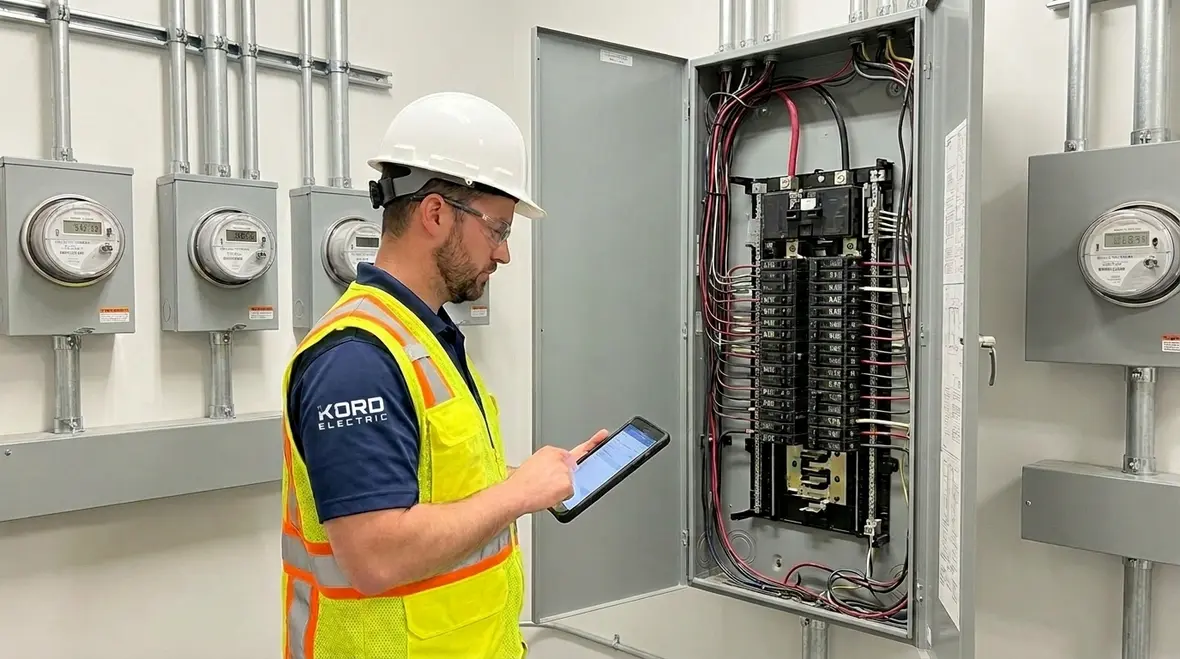
Electrical Energy Management Systems Cut Overhead
How electrical energy management systems for commercial buildings cut overhead fast
Kord Electric installs electrical energy management systems for commercial buildings that help businesses run smarter, not just harder. In the first place, we look at how power moves through your facility and where it quietly wastes money. Then we implement control, measurement, and reporting so your team can spot problems early and stop repeat issues before they become a line item you dread. As a result, commercial and industrial sites can reduce overhead while keeping operations stable. Of course, the goal is not to “turn everything off and pray.” We build practical controls that match real equipment schedules, real occupancy, and real demand patterns. Our technicians explain what they are doing in plain language, because no one deserves to guess why their lights or HVAC behave like a mystery novel.
What we track before we touch your panel
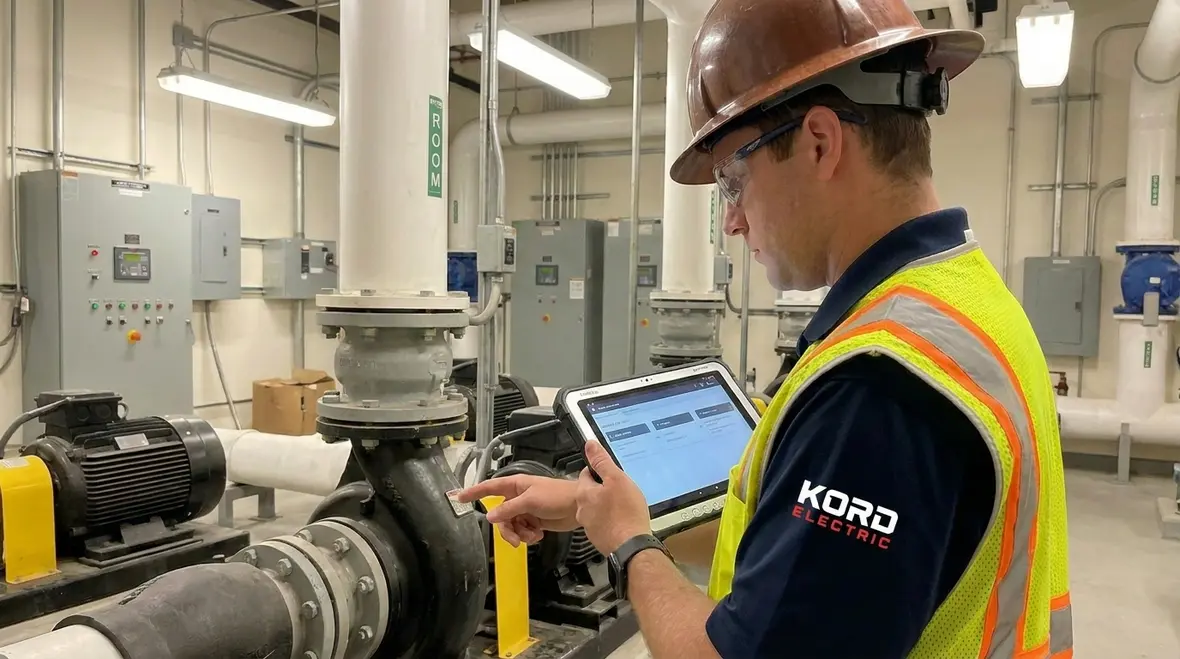
Before we install or tune anything, our experts start with a careful assessment. We review your electrical one line diagrams, metering data, and operating schedules. Next, we identify where energy spikes show up, especially during shift changes, start ups, and seasonal loads. Then we map these findings to the major equipment that drives commercial costs: HVAC systems, pumps, compressors, lighting circuits, process loads, and standby power.
At this stage, our service staff also asks questions that sound simple but matter a lot. When does the building truly need full power? Which loads stay on “just in case”? And why does one area always run warmer, even after maintenance? We do not chase ghosts. We look for patterns that repeat and then we confirm them with measurement. When you hear us say “we verify before we modify,” that is not a catchphrase. It is the only way to avoid spending money twice.
Step by step implementation that actually reduces waste
Once we understand your load profile, we plan the implementation in stages. First, we deploy monitoring and data collection points. This often includes submetering, circuit level sensors, and integration with existing building systems. Second, we configure logic for scheduling and demand control, so equipment runs when it should, and it ramps up in a controlled way. Third, we set up alarms and dashboards so your team sees what matters without drowning in charts.
After that, we fine tune. We adjust settings based on actual performance, not assumptions from last year’s billing statement. Then we test the sequence of operation for critical systems like air handling units and pumps. In addition, we add reporting that turns raw usage into readable summaries for managers. That way, electrical energy management systems for commercial buildings do not just collect data. They guide decisions, and they help reduce peak charges and unnecessary runtime.
For the record, peak demand is like a loud neighbor. It shows up at the worst time, and if you ignore it, it keeps making your monthly bill feel personal.
Demand management and load shifting without breaking operations
Many facilities pay for power twice. They pay for the total energy you use, and they often pay for the highest demand you hit during the billing window. Therefore, demand management becomes a core part of any well designed control strategy. We use controls to limit spikes, stagger equipment startup, and shift non critical loads to off peak windows when your utility rates support it.
However, we do not chase savings at the cost of comfort, throughput, or safety. Our technicians account for process requirements in industrial environments. They consider ramp times for motors, minimum run limits for pumps, and safe temperature bands for critical spaces. As a result, your systems stay reliable while energy demand stays more predictable.
In practice, this can look like coordinated startup of multiple pumps, controlled ventilation strategies, or smarter scheduling for lighting and auxiliary equipment. Instead of everything turning on like a stadium at once, we help your facility ramp up like a well rehearsed crew. Calm, steady, and on time.
Better efficiency through automation, not guesswork
Efficiency improvements come from how your electrical systems operate day to day. So we focus on automation that responds to conditions. We integrate energy monitoring with control logic so your building adapts when occupancy changes, when outdoor conditions swing, and when equipment performance drifts over time.
For example, if a mechanical room shows recurring overcurrent events or unexpected demand increases, the system can flag the trend. Then our team can schedule targeted maintenance rather than waiting for a failure. Likewise, when schedules are off by even a small margin, energy management systems for commercial buildings can correct the pattern using verified runtime data. This reduces “always on” behavior that sneaks into operations after renovations or staffing changes.
Importantly, our approach remains business friendly. We help you train the people who use the dashboards. And we explain alerts in plain terms. Our technicians sit with your operators and walk through the “why” behind each recommendation, so it feels like support, not homework.
Reducing commercial overhead with clearer reporting and faster action
Overhead reduction is not only about watts. It is also about time, visibility, and speed. If your team cannot quickly understand energy drivers, savings slip away. That is why we build reporting that turns performance into action. You get clear summaries of demand trends, usage by area or circuit, and alerts for abnormal events.
Additionally, we create a maintenance loop that connects electrical data to field work. When the data suggests a motor is drawing more current than usual, we coordinate with your maintenance plan. When lighting or control behavior deviates from expected schedules, we provide guidance for targeted adjustments. As a result, you reduce downtime and avoid the “call everyone and guess” approach that many sites end up using.
And yes, we know dashboards can look like spaceship control panels. That is why we keep the explanations human. Our service staff translates system behavior into simple next steps, like which load is driving the peak and what adjustment makes sense.
Dual approach: system design plus real world support
Kord Electric does not stop at installation. We support your facility during setup and beyond. Below is how we handle the full lifecycle once the electrical energy management systems for commercial buildings are in place.
| We design for your site | We support your team |
| We map loads, schedules, and critical operations so controls match real usage. | We train operators, document settings, and stay available for tuning. |
| We integrate monitoring points and alarms that surface issues early. | We review trends with you and help plan maintenance around data. |
| We validate performance with testing and controlled adjustments. | We refine logic based on measured outcomes, not assumptions. |
Think of it as an efficient partnership. You get systems that perform, and people who explain things clearly when something changes.
FAQ
Connect energy management with broader electrical strategy
Electrical energy management systems for commercial buildings work best when they plug into a bigger reliability plan. Facilities that pair real time monitoring with structured electrical preventive maintenance and disciplined commercial and industrial electrical maintenance plans gain more than lower bills. They gain fewer surprises, better insight into equipment health, and stronger justification for capital projects.
When your monitoring data shows recurring voltage issues, for example, it becomes easier to prioritize upgrades, from targeted repairs to more strategic projects like voltage fluctuation corrections in commercial and industrial facilities. In the same way, lighting runtime and demand trends can guide decisions about when to move forward with a commercial lighting upgrade or LED retrofit so you are investing where the payoff is real, not just where the fixtures look dated.
Call Kord Electric for a commercial energy plan that pays back
If your facility is paying for peak demand surprises, wasting power during off hours, or spending too much time chasing electrical issues, it is time to act. Kord Electric builds and supports energy control and monitoring for commercial and industrial properties. We assess your loads, implement practical automation, and explain results in business terms your team can use. Contact us now to schedule an evaluation. Then we will map the fastest opportunities to reduce overhead and keep your operations running smoothly, like they should have all along.
For facilities planning broader upgrades, our commercial and industrial electricians can coordinate energy management with related services such as recessed lighting installation for industrial and commercial spaces and structured electrical preventive maintenance programs. Aligning these efforts with your electrical energy management systems for commercial buildings helps every project contribute to a single, clear goal: safer operations, lower overhead, and a building that quietly does its job day after day.
If you are ready to see where your greatest savings and reliability gains are hiding, our team is ready to help you find them, document them, and turn them into a repeatable strategy for every property you manage.


