Commercial Switchgear Maintenance Safety Guide
At Kord Electric, we take commercial electrical switchgear maintenance safety seriously, especially when we open up energized systems inside commercial and industrial facilities. Our team approaches every job like the building depends on it, because it does. We follow strict lockout tagout steps, verify absence of voltage, and control access so only qualified technicians work on high voltage switchgear. Then, once the work starts, we keep the site calm and orderly, because mistakes like rushed timing and missing labels do not just happen in movies. They happen in real facilities, and they cost real money.
Our certified service staff explains the “why” behind each step, too. You might say we do not just swap parts, we also remove confusion. And if you ever thought electrical safety was boring, well, let us be the first to tell you: the safest crew on Earth still has a personality. We keep it professional, business casual, and steady, the way you want your power infrastructure to feel.
1. What commercial teams must know before maintenance begins
High voltage switchgear does not tolerate guessing. Therefore, before any cover comes off, we plan the job with the building owner, the facility manager, and the electrical team already on site. We confirm the equipment type, operating voltage range, one line diagram data, and the maintenance history. Next, we review the scheduled outage window and coordinate with other trades so we do not create a chain reaction of delays. After that, our technicians establish a controlled work zone, including boundaries for approach limits, signage, and tool placement.
Then comes the part that separates professionals from “hope and vibes.” We verify that the work order includes the correct scope, the correct bay or section, and the correct voltage rating. We also check that spare parts match the manufacturer. If the facility has different brands in different sections, we treat that like different languages. People can speak it, but not without a translator.
2. How we run lockout tagout with calm precision
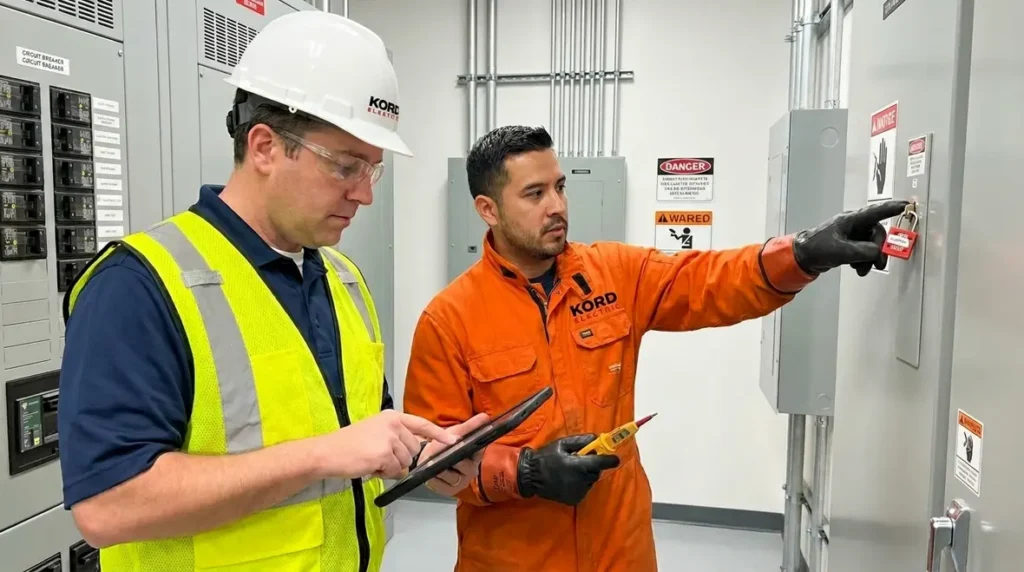
In practice, lockout tagout is not just a checklist. It is a system that prevents unexpected energization or stored energy release. We start by identifying all energy sources tied to the switchgear. Then our technicians apply locks and tags at each relevant point, and we document the locking sequence. After that, we perform verification steps to confirm the equipment is truly de energized, not just “probably off.”
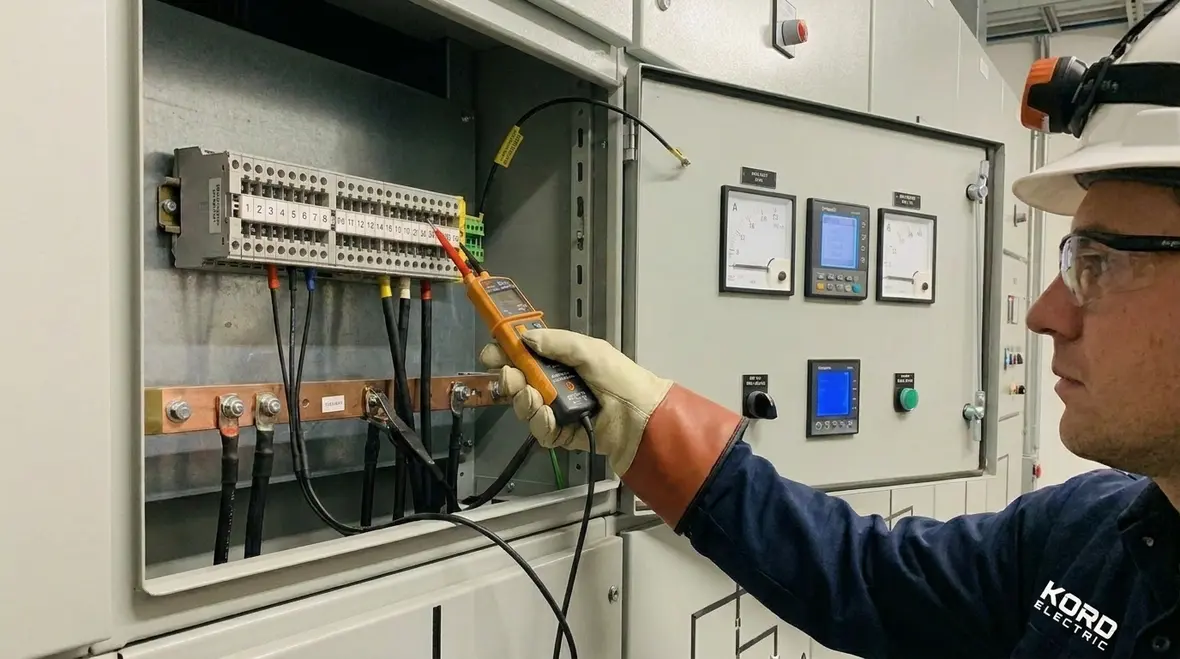
Next, we test for absence of voltage using properly rated instruments. We do it before we touch, and we repeat the process where required by procedure. Even when others have turned things off, we verify again. That is not distrust, it is discipline. And if you are thinking, “how many times can you check the same thing,” the answer is: until it is correct.
Finally, we manage stored energy. We treat potential capacitive charge and mechanical energy carefully, using discharge procedures as applicable. Then we keep the locks controlled until the work finishes and the system is ready to return to service. This approach protects staff, protects the building, and protects the switchgear from avoidable stress.
3. Verification, test points, and why “safe” still needs proof
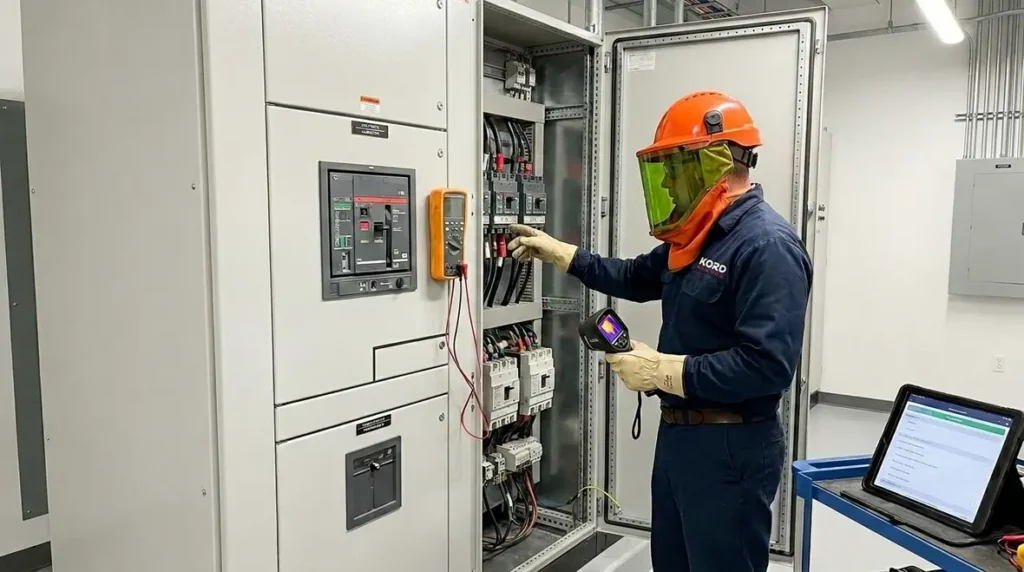
Once the equipment is locked out, our team proves safety using measurement and verification steps that match the equipment design. So, instead of treating the label as truth, we treat the test results as truth. We identify proper test points and confirm instrument calibration and condition. That means our technicians verify meter functionality and use correct rated leads for the system.
From there, we confirm absence of voltage and check for related hazards in the work area. For example, we examine adjacent live components, verify clearances, and confirm that barriers and covers remain in place where they belong. Moreover, we treat grounding and bonding as a safety tool, not an afterthought. Proper grounding reduces risk if something unexpected occurs, and it supports safe work practices across the bay.
Then we move from verification to hands on work. During troubleshooting, we maintain boundaries and use insulated tools when required. If we need to re-energize for a specific test, we do it under controlled steps, with clear communication and designated personnel. In other words, we do not “test while walking around.” We test with a plan, and we keep the plan visible.
4. Field steps for inspection, cleaning, and parts work
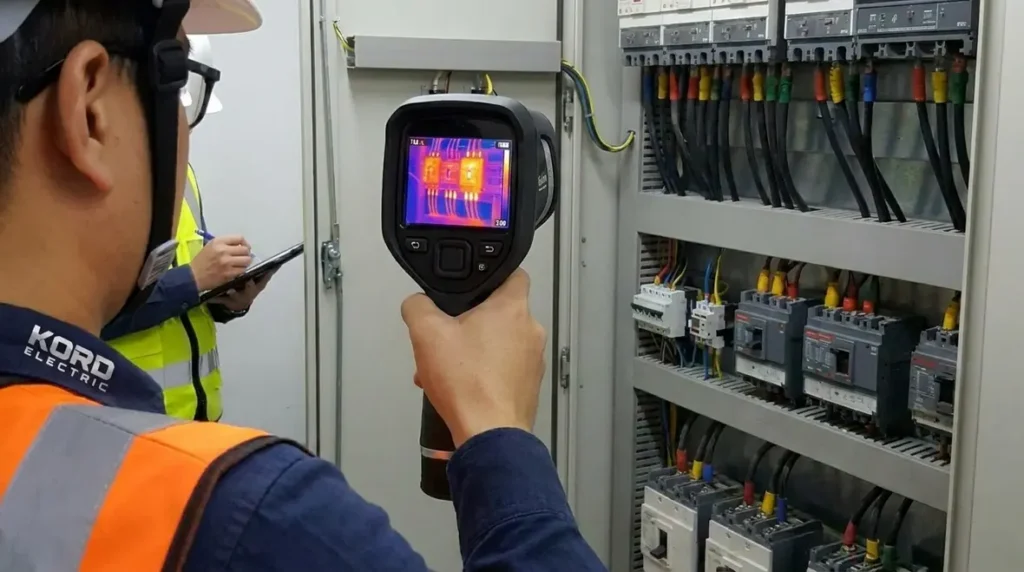
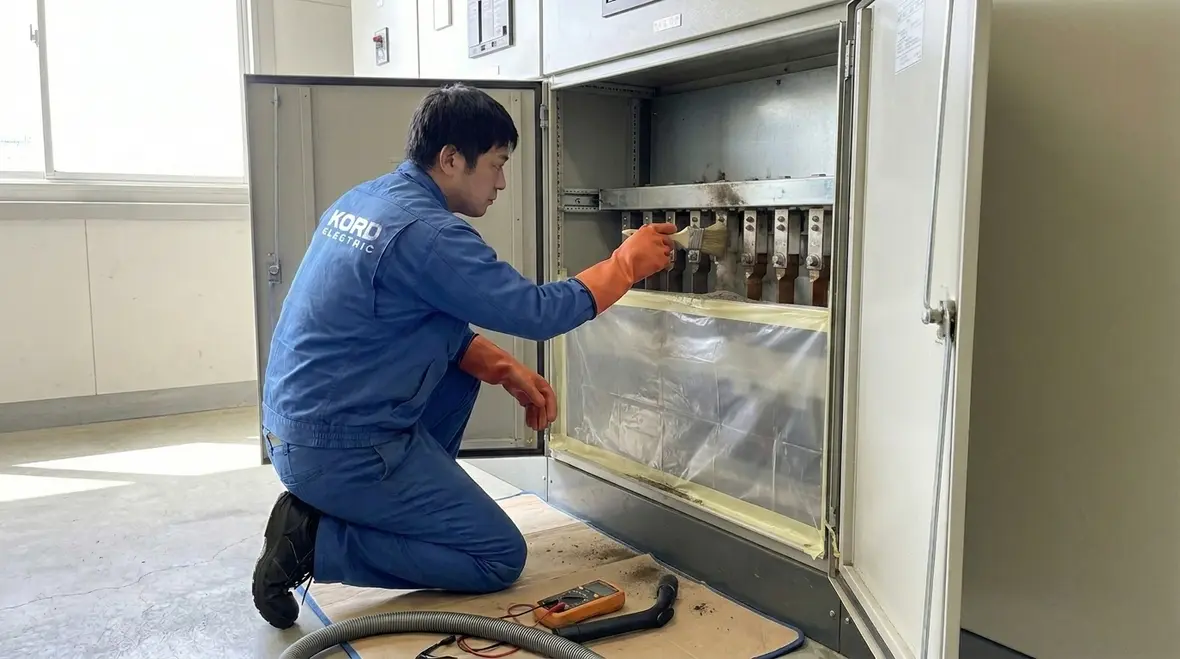
Maintenance safety does not end at isolation. It continues through inspection, cleaning, and any replacement work. When we service commercial switchgear, we inspect for signs of overheating, loose connections, contamination, and abnormal wear. Our technicians look closely at contact surfaces, hardware torque condition, and any evidence of tracking or arcing. We also check control wiring and protective device indications that can hint at future failures.
Then we clean the equipment using methods that match the environment and the manufacturer guidance. We do not blast dust like it is a video game. We remove contamination safely, and we control debris so it cannot drift into sensitive areas. After cleaning, we verify that barriers are restored and that interlocks function correctly, where applicable.
When parts need replacement, we follow a deliberate process: confirm part compatibility, verify ratings, and perform post installation checks. We also inspect and document insulation condition and any potential corrosion on bus supports and terminations. In commercial and industrial settings, even small issues can cascade, so we treat early warning signs as important, not minor.
To keep operations smooth, our technicians coordinate with building schedules. If the facility has a sensitive operational window, we plan the work so critical departments suffer the least impact. That is the real difference between “maintenance” and “maintenance that respects the business.” For facilities that want maintenance to support uptime long term, pairing commercial electrical switchgear maintenance safety usage with a structured electrical preventive maintenance program keeps risk under control while equipment ages.
5. Coordinating safety with facility operations and EV charging loads
Many commercial properties now add electrical demand fast, especially with EV chargers. So, when our client plans EV charger installation, we consider how that new load affects electrical distribution and switchgear stress over time. If you have seen the way we approach EV charger installation, you already know we do not treat it like a simple plug in project. We plan placement, electrical sizing, and safe integration so the system performs reliably.
Now, here is the key point for high voltage switchgear maintenance safety in commercial spaces. When new charging infrastructure comes online, we track changes in load patterns, thermal behavior, and protection settings. Therefore, during switchgear maintenance, we pay attention to bus load history and protective device operation trends. We also review whether the existing distribution pathways can handle the new demand with stable margins.
And yes, the facility team will ask, “will this change affect maintenance?” The answer is: it can. Increased load can accelerate wear, and it can make abnormal conditions show up sooner. However, with proper planning, monitoring, and safe maintenance practices, we keep the system dependable. In other words, we help the building grow without turning electrical infrastructure into a sitcom plot twist.
6. Documentation, training, and how our expert staff explains it
After the physical work, we finish the job the way it should be finished: with documentation and clear communication. Our technicians record inspection findings, test results, torque verification where required, and any component conditions. Then we include recommended next steps based on what we observe, not what we guess.
We also train and explain. In many commercial facilities, there are maintenance techs, electricians, and managers who may not work inside switchgear daily. So, our expert service staff helps them understand the hazards, the controls we used, and the reason specific steps matter. We explain what “verified de energized” actually means. We explain what can go wrong when isolation steps get skipped. We explain how to spot early warning indicators during routine operations.
This approach reduces confusion later, because fewer people rely on memory and more people rely on process. And if anyone ever jokes that paperwork is the real maintenance, we just nod. Because documentation keeps the lights on, even after the crew leaves. For facilities that want training to connect directly to broader code and compliance topics, resources like the company’s guide on understanding NFPA 70 in 2026 help turn day to day maintenance into long term safety culture.
7. Planning the maintenance schedule without risking downtime
Safety planning includes time planning. We coordinate with the facility’s operational needs, the critical loads, and any required uptime targets. Therefore, we schedule work windows that align with the building’s ability to be offline for specific equipment sections. In some cases, we plan phased isolation so non affected areas continue to operate. Then we establish clear communication lines between our technicians and the facility control room or onsite leadership.
We also plan tools and materials ahead of time so the crew is not scrambling for items mid job. That is where delays become dangerous. We stage equipment at safe distances, keep work surfaces organized, and maintain access control to the switchgear area.
Then, before energization, we conduct a final safety review. We remove tools and materials, verify covers and barriers are installed, confirm interlocks and guarding, and ensure everyone is ready for return to service. After that, we energize with procedure, watch indicators, and confirm stable operation. If the system does not behave as expected, we do not force it. We stop and correct the issue.
For organizations that want maintenance scheduling to support broader electrical risk reduction, pairing this planning with services such as voltage fluctuation diagnostics or comprehensive electrical preventive maintenance turns routine switchgear work into a full reliability strategy.
FAQ
Final thoughts: make safety part of your maintenance plan
Commercial and industrial switchgear does not forgive rushed decisions. Kord Electric helps you maintain reliability with disciplined de energization steps, controlled work zones, careful verification, and expert documentation. Our technicians explain what they do and why, so your facility team can operate with confidence, not guesswork. If you want a maintenance plan built for real uptime, real hazards, and real schedules, contact us. Let us bring order, calm, and dependable power to your switchgear program.
If your facility is planning major upgrades, adding EV charging, or preparing for long term growth, aligning switchgear maintenance with broader services like electrical preventive maintenance, lighting installation services, or voltage stability repair helps keep the entire electrical system steady. Thoughtful planning today keeps surprises out of tomorrow’s outage windows.
When you are ready to build a commercial electrical switchgear maintenance safety usage plan that respects your operations as much as it respects the code book, Kord Electric’s team is ready to help you design, schedule, and execute it with the same calm precision they bring to every project.