Commercial Transformer Maintenance Guide for Facilities
Commercial Transformer Maintenance Guide for Facilities and Major Properties
Kord Electric believes that preventative maintenance for electrical transformers is the quiet hero of dependable power in commercial and industrial facilities. In the first days of a new maintenance cycle, our team helps others avoid the kind of surprise outages that turn boardrooms into panic rooms. And yes, transformers rarely complain up front. They just fail quietly, like a TV remote with dead batteries. So we plan the work, check the signals early, and keep the equipment operating safely and efficiently. In what follows, our experienced service staff explains the details we look for, why we check them, and how we guide building teams toward smarter upkeep.
What commercial transformer maintenance actually prevents
Transformers handle voltage changes for lighting loads, HVAC systems, pumps, manufacturing controls, and the rest of a facility’s daily workload. When maintenance gets skipped, heat builds inside the unit, insulation ages faster, and minor faults can grow into major failures. Meanwhile, power quality problems spread outward, affecting sensitive loads like drives, automation panels, and data rooms.
Our technicians typically start with the idea that “prevention” means catching problems before they change the transformer’s behavior. Therefore, maintenance focuses on the most common failure drivers: overheating, insulation breakdown, and abnormal electrical stress. Additionally, a proper schedule reduces downtime and helps facilities meet safety expectations for major properties and industrial sites.
And if someone thinks transformers are like old buildings, meaning they only need attention when they start creaking, we respectfully disagree. Electric systems do not creak. They simply stop.
How we assess transformer health on commercial and industrial sites

In commercial and industrial environments, we treat transformer maintenance like an ongoing investigation. Our service approach blends field checks, test results, and operational context. Before we touch anything, we review the transformer’s history, loading levels, event logs, and any past alarms. Then we compare current findings against baseline behavior, because transformers often “tell” on themselves through small changes.
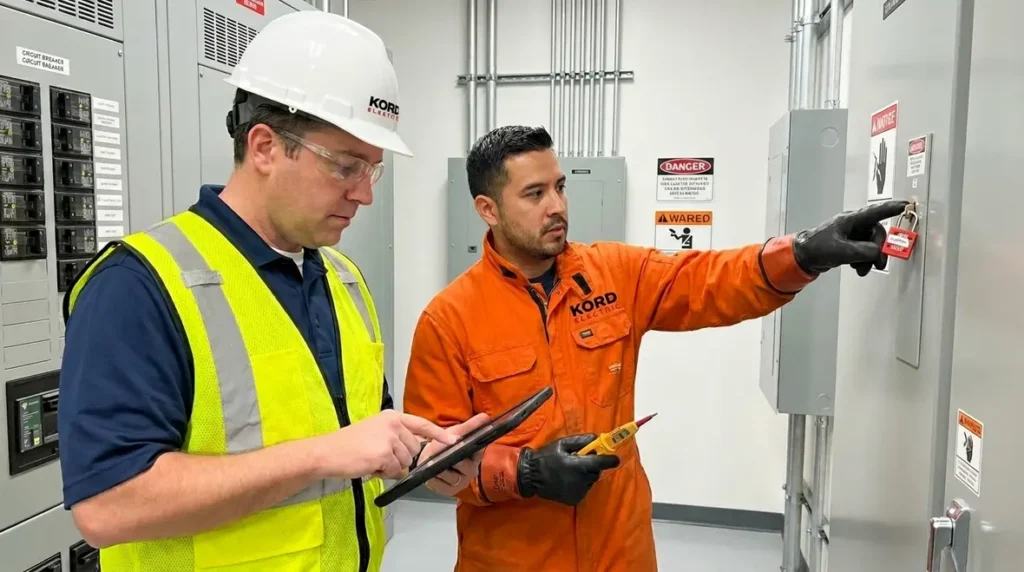
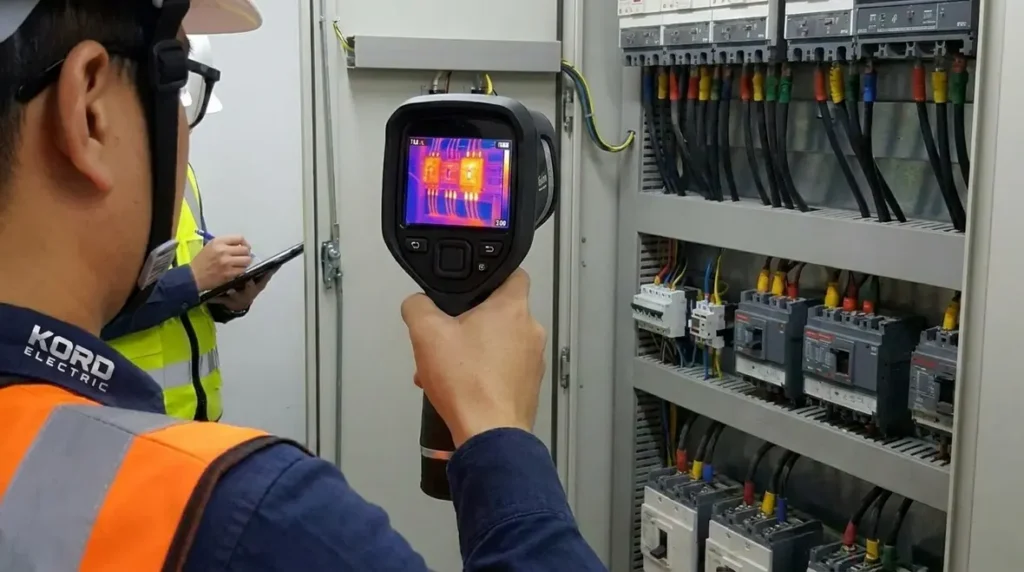
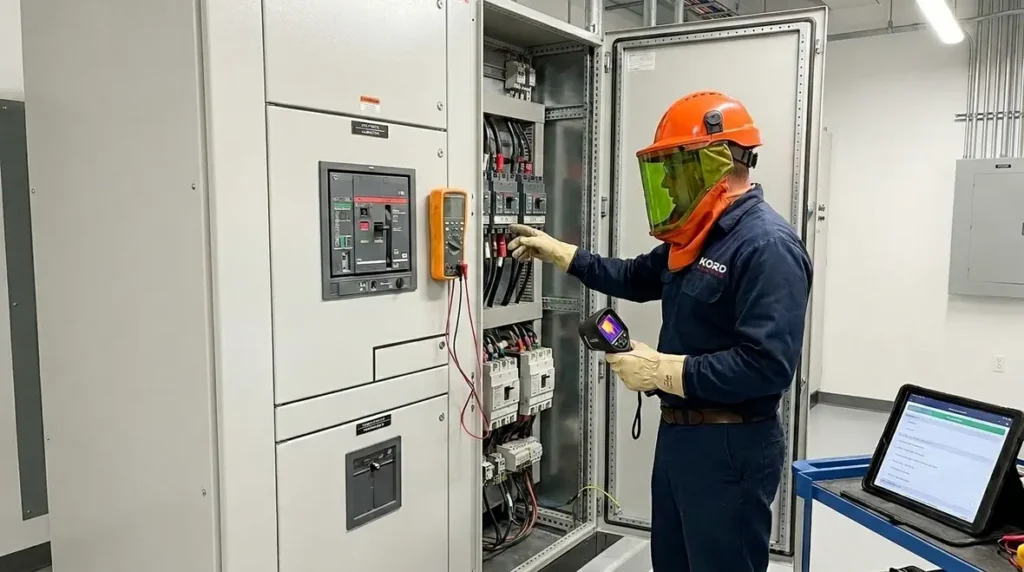
Our technicians typically evaluate temperature indicators, oil condition when applicable, and cooling system operation. They also inspect physical condition, looking for leaks, moisture signs, or damaged bushings. Beyond that, they examine connections for tightness and corrosion. Loose connections create heat at the exact place a transformer least wants it, which is like cooking bacon too close to the smoke alarm.
We also consider load patterns. A facility that runs heavy on one shift and light on another changes transformer stress. As a result, our maintenance plan aims to match the actual duty cycle, not a generic schedule.
Insulation, heat, and the quiet aging inside the tank
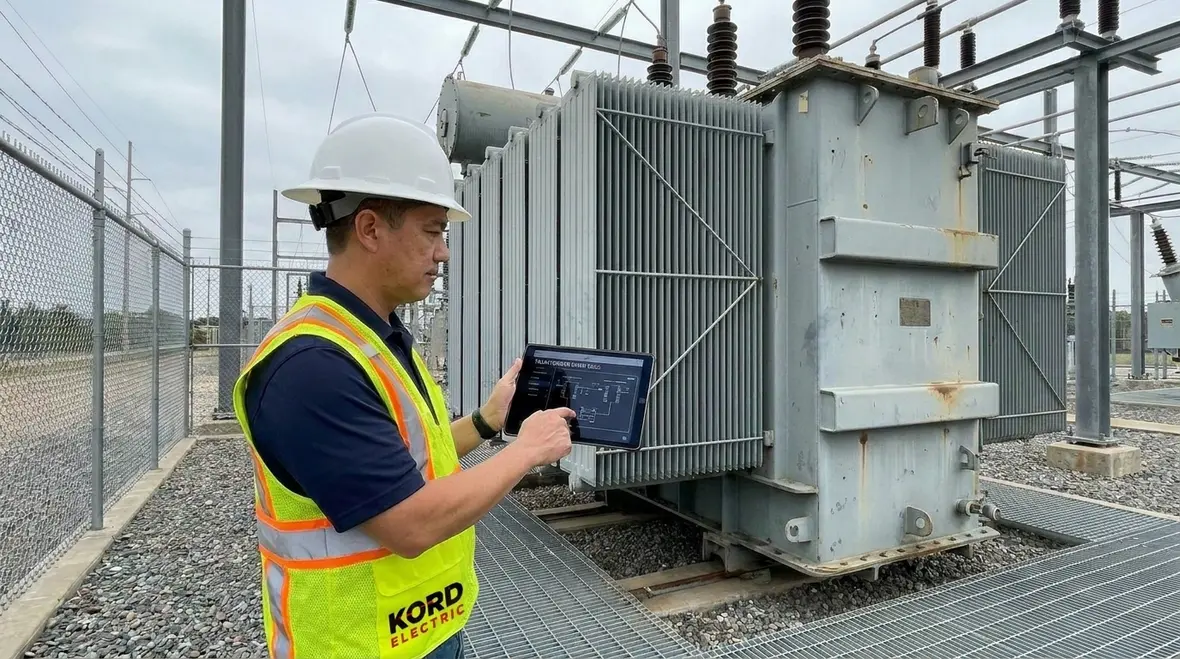
Transformer insulation is not brand new forever, even if the facility looks “fine.” Heat accelerates aging and reduces the long term performance of paper and oil related insulation systems. Therefore, a strong maintenance program monitors thermal conditions and identifies trends early.
Our technicians look at temperature indicators, cooling fan or pump status, and the effectiveness of ventilation. If the cooling system does not cycle correctly, the transformer experiences higher internal temperatures even if the outside looks normal. Meanwhile, moisture and contamination can lower insulation strength over time.
When facilities need deeper evaluation, we support tests that help quantify insulation condition rather than guessing. These checks guide decisions about repairs, oil treatment, or component replacement. Most importantly, they help others plan work during practical windows and avoid emergency shutdowns.
In short, insulation care means respecting the transformer’s internal aging process. And yes, we say internal aging because the transformer’s problems never read the building calendar.
Bushing, tap changer, and cooling system checks that reduce faults
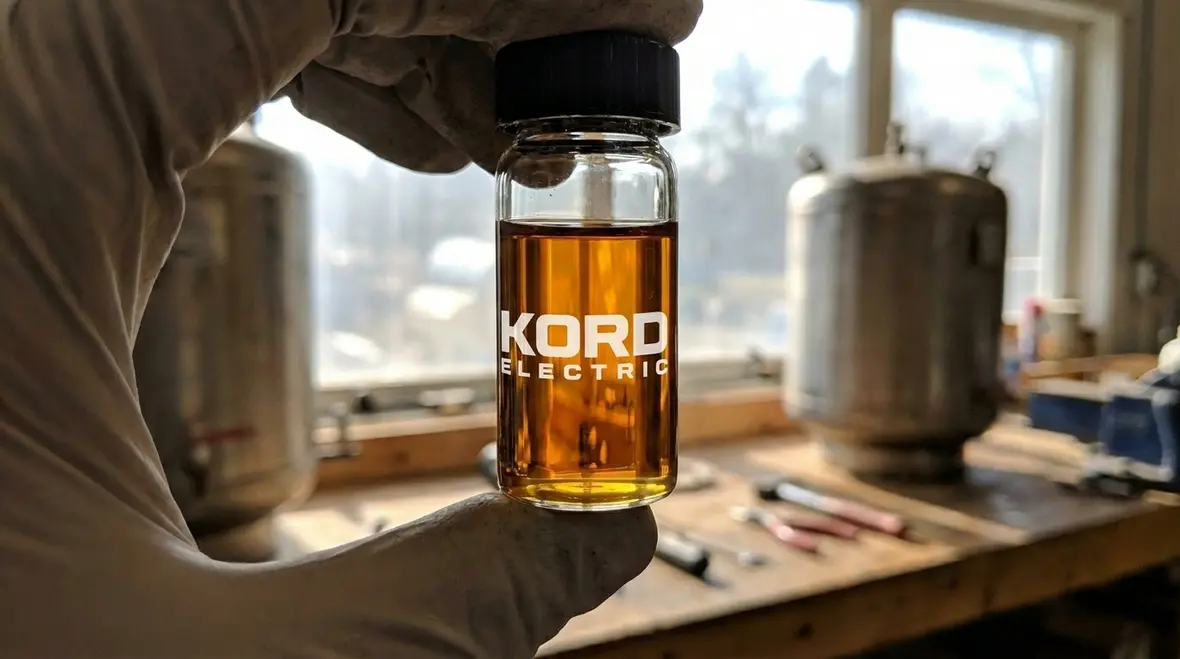
Maintenance success often comes from attention to components that work every day yet receive less focus than the big power numbers. Our technicians prioritize three areas for commercial and industrial transformers: bushings, tap changers, and cooling systems.
Bushings connect the transformer to incoming and outgoing conductors. We inspect for cracking, tracking, contamination, and signs of moisture. We also verify that supports and grounding connections remain in proper condition.
Tap changers help maintain voltage levels as facility loads change. If they operate improperly, they can introduce arcing and extra stress. Therefore, we verify correct operation, check for wear signs where accessible, and make sure controls and interlocks function as intended.
Cooling systems keep internal temperatures within safe limits. We confirm fans, pumps, controls, and alarms operate correctly. In addition, we check whether airflow paths remain clear, since blocked vents and dirty grilles can turn cooling into decorative artwork.
By handling these points during preventive maintenance for electrical transformers, we cut the odds of insulation damage and internal faults. And when faults become less likely, the entire facility runs calmer.
Preventive maintenance plans for major property buildings: schedule and paperwork
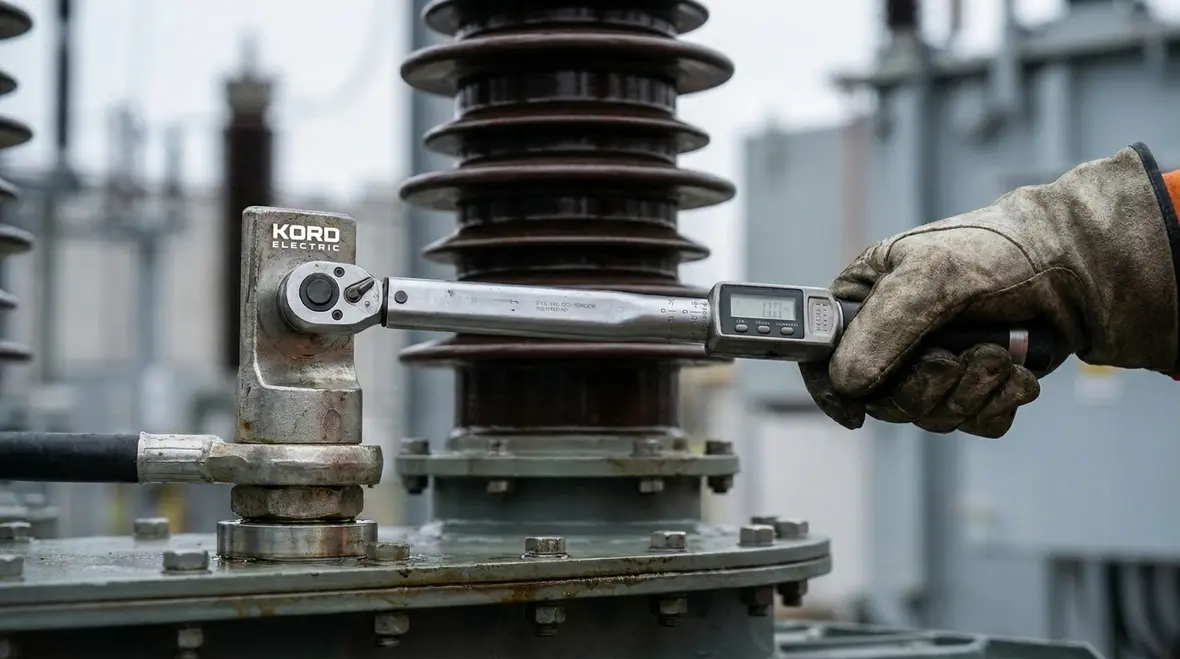
A reliable maintenance program needs more than checklists. It needs a schedule that matches real use and clear documentation that facility managers can trust. Kord Electric supports commercial and industrial facilities and major property buildings with maintenance planning that aligns with occupancy, operations, and safety needs.
We help others build a cycle that typically includes periodic inspections, seasonal operational checks, and targeted testing at appropriate intervals based on age, loading, and past performance. In addition, we coordinate with facility teams to minimize disruptions. This means we plan around critical hours and align with shutdown windows when necessary.
Just as important, we maintain clear records. Our technicians document findings, measurement results, and actions taken. Therefore, property stakeholders can review trends and understand why decisions happen. This also helps others manage compliance expectations and reduce the “who remembers what?” problem that shows up after a big handoff. Nobody likes that meeting.
When teams want to improve the electrical system overall, transformer maintenance connects to broader upgrades. In our commercial lighting upgrade cost guide, we explain how planning avoids expensive surprises when workloads change. The same mindset applies here: when you manage the upstream power reliably, later improvements land more smoothly and with less downtime risk.
Upgrades and replacements: when maintenance should lead the decision
Sometimes preventive work reveals that the best next step is repair, oil treatment, or replacement. However, commercial and industrial teams should make those decisions with data, not guesswork. Kord Electric helps others evaluate whether the transformer can continue serving under current loads or whether performance concerns require action.
We consider the unit’s age, test trends, condition of critical components, and the facility’s load growth plans. If a major property building anticipates new tenant loads, expanded HVAC, or new production equipment, then the transformer’s future capacity matters. Therefore, maintenance findings inform whether a solution is simply tightening connections and restoring cooling performance, or whether replacement better protects reliability and safety.
In parallel, we review coordination with other electrical equipment, such as switchgear and protective devices. If protection settings, relays, or coordination become mismatched, even a well maintained transformer can still experience damaging events. Consequently, maintenance planning should not treat transformers as isolated islands.
FAQ for featured snippets
Final word from Kord Electric: plan before the problem grows
When a transformer fails, the impact spreads fast across a commercial or industrial facility. Kord Electric helps others prevent that by building maintenance plans that check the real causes of aging, heat stress, and component wear. Our technicians explain what we find and what it means, so your team can schedule repairs confidently and protect uptime. If your facility serves critical operations, talk to us now. We can review transformer health and set a preventive maintenance path that keeps power dependable.
For facilities that want transformer care connected to a broader reliability strategy, Kord Electric’s structured electrical preventive maintenance services help align transformer inspections, switchgear checks, and emergency system testing into one coordinated plan for safer long term operation.
If your team is also planning lighting improvements alongside transformer work, our dedicated lighting installation services for commercial and industrial facilities help major properties modernize fixtures, controls, and energy performance without sacrificing uptime.