Smart Lighting Control for Commercial Facilities
At Kord Electric, we install smart lighting control systems that help commercial and industrial facilities run smoother from day one. Our smart lighting control installation benefits show up fast: we reduce wasted energy, we support flexible scheduling for real operating hours, and we help teams stay compliant with modern expectations for safety and efficiency. And yes, the change is not just “set it and forget it.” Instead, we build a system that adapts as occupancy, shift patterns, and work zones change.
Modern businesses are moving toward automated lighting controls because buildings act more like living systems now. They respond, they learn, and they stop burning power when people are not there. So in this article, we explain why the shift is happening, what our technicians and expert service staff do on site, and how a well planned upgrade improves both the bottom line and daily operations.
Why automated lighting controls are becoming the new standard
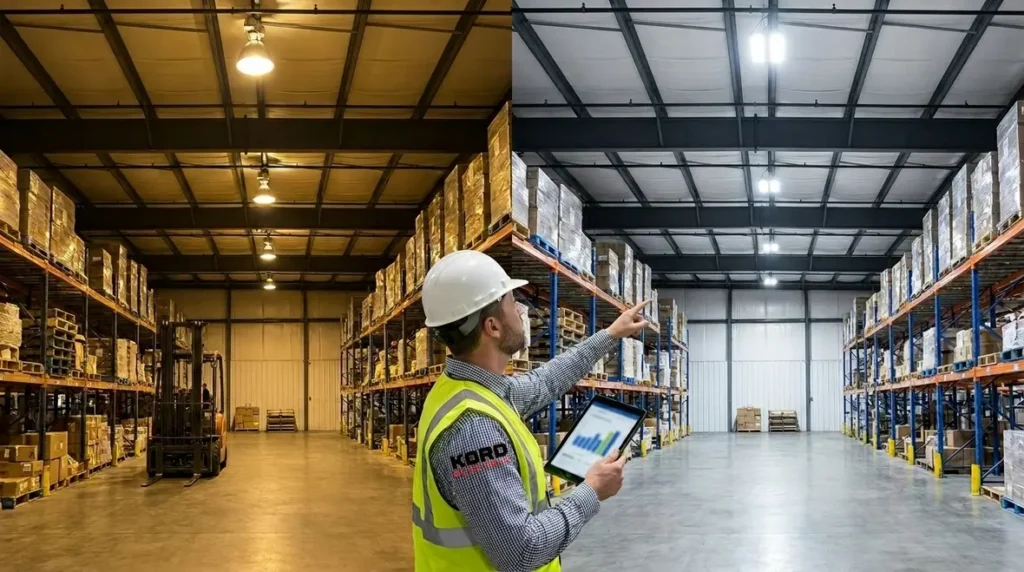
Many facilities still run lights like it is 1998. Lights stay on longer than they should, zones do not talk to each other, and overrides happen all day because someone wanted “more light, just in case.” Then the utility bill arrives, and the finance team does what they always do: they raise an eyebrow so hard it almost becomes a policy.
Automated lighting controls fix this. They coordinate lighting with actual activity, which means illumination matches the work happening in each area. As a result, teams stop guessing, and operations become more predictable. At the same time, modern controls support the way commercial and industrial buildings operate today: multiple shifts, temporary projects, changing layouts, and strict energy targets from landlords, tenants, and corporate leadership.
Our technicians, along with our expert service staff, explain the logic in plain language. First, they listen to how a facility runs. Then they translate that into zoning, schedules, and control strategies that make sense for real people doing real work.
From manual switches to systems that respond in real time

In older setups, lighting follows static rules. Even if a warehouse goes quiet, lights might stay bright because nobody wanted to switch them off during the last shift. However, automated lighting controls can react as conditions change.
For example, when motion or occupancy signals confirm activity, lights reach the right level for the task. When areas stay empty, the system reduces output instead of wasting power. Meanwhile, daylight sensing can dim interior lighting near windows, so daylight does the job it already does naturally. Additionally, scheduled control keeps common areas consistent, even when staffing patterns shift.
We see this as a reliability upgrade, not a gimmick. When controls work well, staff spend less time managing lighting and more time managing work. Also, facilities gain better documentation for audits and internal reporting because the system can track what it did and when it did it.
Our team does not just install hardware and walk away. Technicians configure scenes and schedules to match your floor plan and operating rhythm, and then they test performance zone by zone. If something does not behave the way it should, we adjust until it does.
Energy savings that match how your facility actually runs
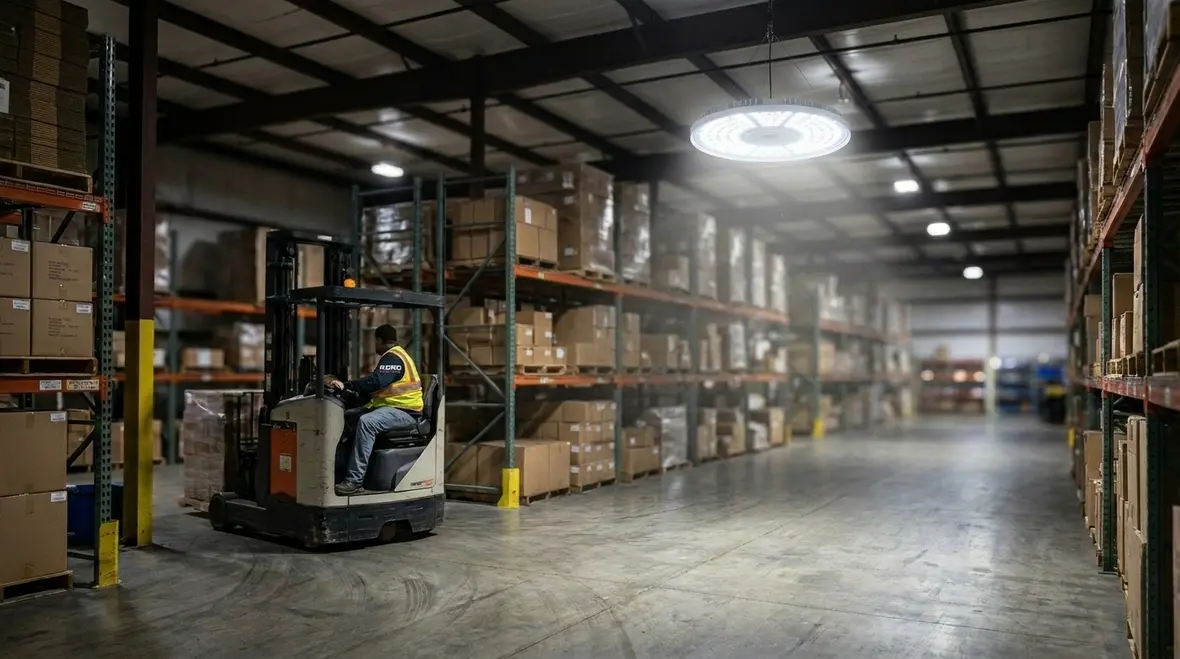
Many companies hear “energy savings” and imagine a single number on a spreadsheet. Yet in commercial and industrial environments, savings come from multiple small wins working together.
First, automated controls reduce runtime. Lights do not stay at full output during low occupancy periods. Second, they manage lighting levels by task. A hallway does not need the same output as a production line, and office areas do not need the same intensity as storage. Third, they prevent override creep, which is when overrides quietly become the new normal because the building never reverts to efficient settings.
Next, smart lighting control installation benefits often include improved control granularity. Instead of one big circuit for an entire wing, the system can treat areas as zones. As a result, energy savings become more precise, and the lighting remains comfortable for staff.
Our expert service staff also supports implementation planning. We talk with your maintenance team and operations leads so the system aligns with workflows, access hours, and safety requirements. Then we guide adjustments after go live, so the controls keep performing as people learn the new way of working.
For facilities actively exploring upgrade paths, it often makes sense to pair controls with a broader commercial lighting upgrade strategy or with structured electrical preventive maintenance so energy savings, reliability, and long term performance all move in the same direction.
Comfort, safety, and better visibility without wasting power

Automated lighting should not feel like someone took the lights away and called it “efficiency.” When controls are designed correctly, they improve comfort and safety.
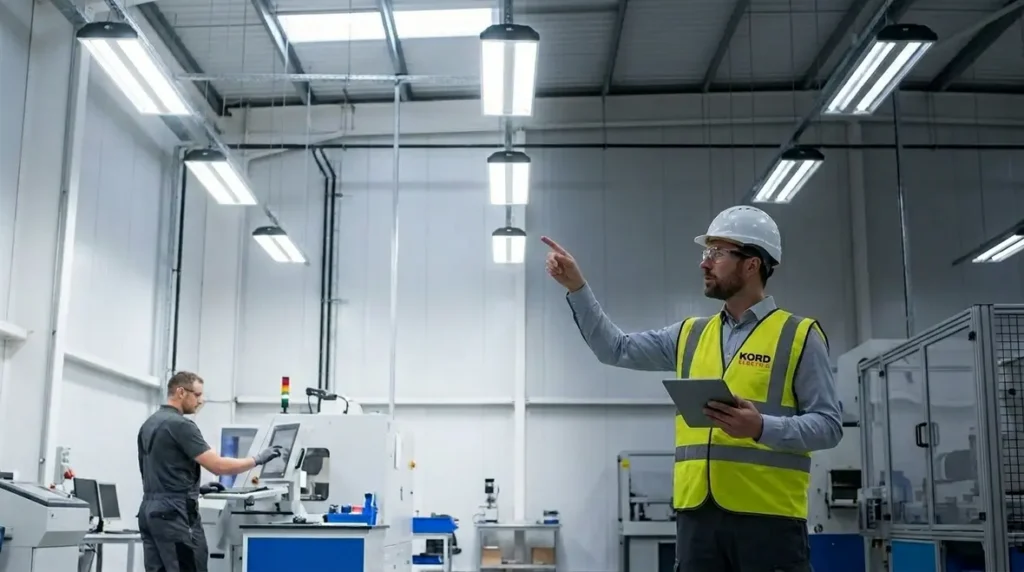
In warehouses and manufacturing spaces, consistent lighting levels help workers see hazards and navigate aisles safely. Meanwhile, in offices, better control reduces glare and supports a stable visual environment during meetings, training, and focused work. Even in entryways and corridors, automation helps keep lighting reliable during late hours or weekend schedules.
We also help facilities avoid awkward behavior like sudden brightness changes. Our technicians tune fade times and transition settings so the system ramps smoothly. That way, the lighting feels steady rather than jumpy. Think of it like good background music: you should not notice it, but the room feels right.
Of course, every facility differs. Therefore, our team evaluates traffic patterns, shift timing, and lighting types before we finalize the control approach. Then we verify results with real testing so the system meets both operational needs and safety expectations.
For facilities that have already seen flickering fixtures or inconsistent brightness tied to power quality problems, pairing smart lighting controls with targeted help for voltage fluctuations in commercial and industrial facilities can further stabilize visibility and protect equipment.
How we design and install for commercial and industrial buildings

When a project involves a major property, complexity shows up fast. Ceiling layouts change, existing wiring can be inconsistent, and equipment schedules do not always match ideal timelines. So we treat each site like a real engineering job, not a one size fits all upgrade.
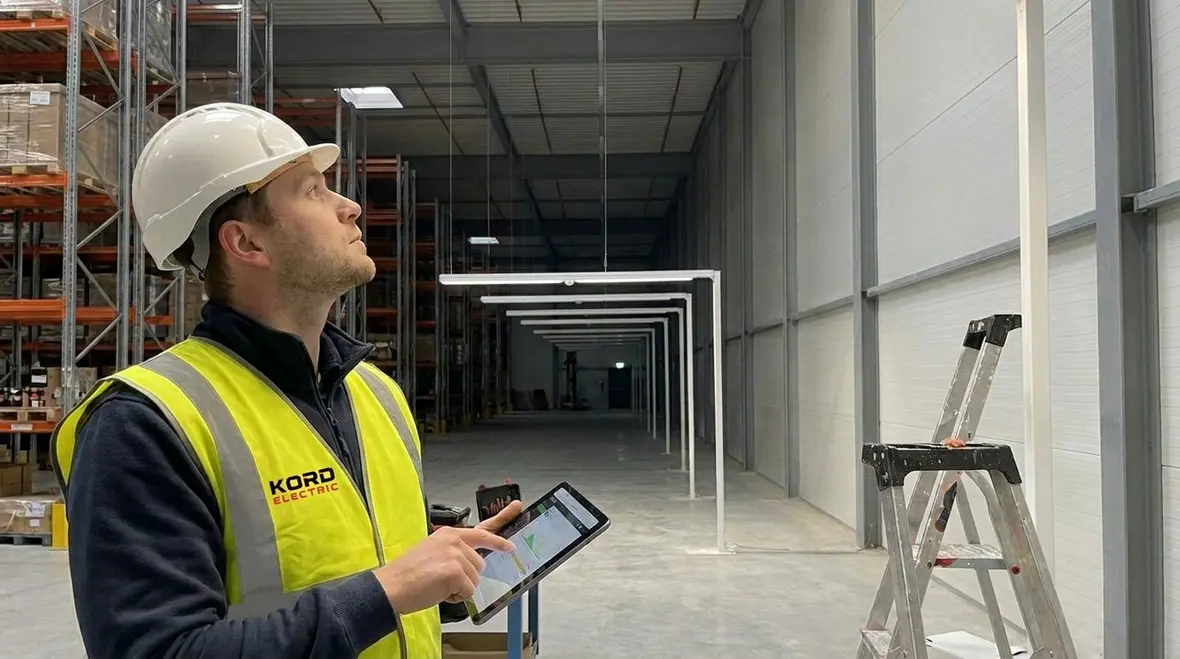
To start, we review the facility layout, lighting circuits, and how spaces get used. Next, we plan zones based on operational areas, not just how the electrical panel happens to split circuits. Then we select control components that fit the ceiling height, room types, and expected usage patterns.
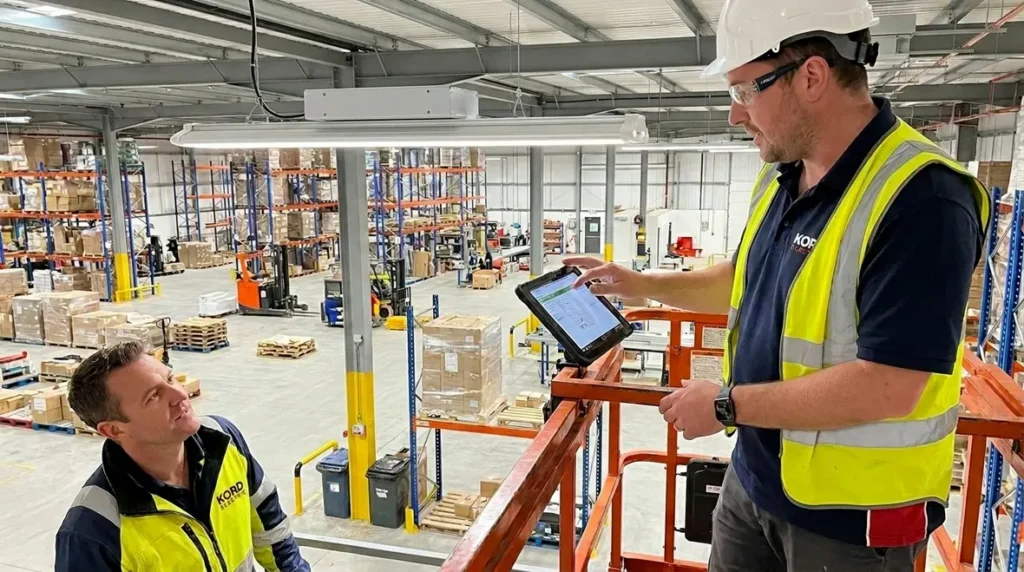
During installation, our technicians work methodically. They verify wiring, label circuits, and confirm sensor placement. After that, they commission the system, meaning they confirm each control behavior in every zone. Finally, our expert service staff trains the people who will live with the system day after day.
We also support facilities with post installation adjustments. If a loading dock gets more activity than expected, or if a new work shift changes occupancy patterns, we update schedules and levels. That keeps performance stable and prevents “set it and forget it” drift. Because the only thing that should be automatic is the lighting, not the problems.
For some facilities, smart controls arrive alongside a broader commercial lighting installation or recessed lighting upgrade. When those pieces are planned together, fixtures, controls, and power distribution all line up cleanly instead of fighting each other.
Investment planning and risk reduction for facility owners
Buying new equipment can feel risky, especially when operations cannot pause for long. However, automated lighting controls tend to reduce risk because they improve predictability.
First, controls help lower operating costs in a measurable way, which makes budgeting easier. Second, they improve maintenance outcomes because lamps and fixtures can run closer to optimal schedules instead of constant full output. Third, they help facilities maintain better control over after hours lighting, which supports security and consistent building presence.
Meanwhile, project planning matters. We coordinate installation steps around operations so the facility can keep moving. Also, we help stakeholders understand what changes where and how the system will behave. That communication reduces surprises, and it keeps acceptance high across teams.
On top of that, smart lighting control systems can support reporting and performance tracking. Therefore, facility leaders gain visibility that supports energy goals and internal audit needs.
When clients choose us, we focus on practical outcomes, not marketing slides. And yes, we also make sure your building does not act like a nightclub during daylight hours.
If your facility is planning a larger modernization effort, combining lighting controls with a structured commercial and industrial electrical maintenance plan or even long range rewiring strategy for commercial electrical systems can turn one project into a broader upgrade path instead of a one off repair.
FAQ
Request a site review from Kord Electric
If your facility wants cleaner control, lower waste, and smarter scheduling, we are ready to help. Contact Kord Electric for a commercial and industrial site review. Our technicians and expert service staff will walk the space with your team, explain options in plain language, and recommend an approach built for your zones and operating hours. Then we install, commission, and fine tune the system so it performs reliably. Make your lighting work for your business, not against it. Call us today.
To see how these upgrades fit alongside broader electrical improvements, you can also explore our dedicated lighting installation services for commercial and industrial facilities.
Quick note on wording and keyword use
This article uses the phrase smart lighting control installation benefits in the introduction and also within the body once, while still keeping the focus on practical reasons automated controls matter for commercial and industrial facilities.
Next steps for your facility
Whether your priority is safety, energy savings, or smoother operations across multiple shifts, a well planned smart lighting control upgrade ties all three together. If you are already considering a lighting retrofit, new fixture layout, or panel work, now is the ideal moment to evaluate controls as part of a complete system approach rather than a separate project.
Our team at Kord Electric designs, installs, and maintains electrical and lighting systems for complex commercial and industrial environments across Southern California. From smart lighting to preventive maintenance and system upgrades, we focus on solutions that make daily operations easier—not more complicated.
If you are ready to explore what a control upgrade looks like for your property, schedule a walkthrough and we will map out a path that fits your facility, your budget, and your long term plans.