Common Commercial Electrical Problems Solutions
Kord Electric sees the same story play out in many commercial buildings: lights flicker, panels run hot, outlets lose power, and motors start acting like they are “just tired,” not broken. And when these issues hit offices, retail spaces, warehouses, and multi tenant properties, the cost is rarely only a repair invoice. It is also downtime, comfort problems, and sometimes safety concerns. That is why our team tackles the most common commercial electrical problems solutions with a calm, methodical approach, starting with diagnostics and ending with fixes that actually hold. In the sections ahead, our technicians and expert service staff explain what causes these faults, what signs to watch for, and how we restore steady, code minded power. Because nobody wants their building to run like a bad sitcom plot twist.
Recognize common commercial electrical problems solutions early
In commercial and industrial facilities, problems grow faster because loads stay high and systems run all day. Therefore, early detection matters. When something seems small, like a faint burning smell near a panel, it can point to loose terminations, aging connections, or moisture intrusion. Likewise, repeated breaker trips often signal overload conditions or failing components. Then again, some faults look “mysterious,” such as intermittent voltage dips that only happen during certain shifts. However, our expert service staff typically finds the pattern once they test load, harmonics, and grounding performance.
Our technicians also focus on one practical reality: buildings do not fail all at once. They degrade. And the “slow degradation” phase is where smart maintenance shines. Transitioning from reactive to planned response helps reduce repeat calls, keeps operations stable, and supports a safer electrical environment for tenants and staff.
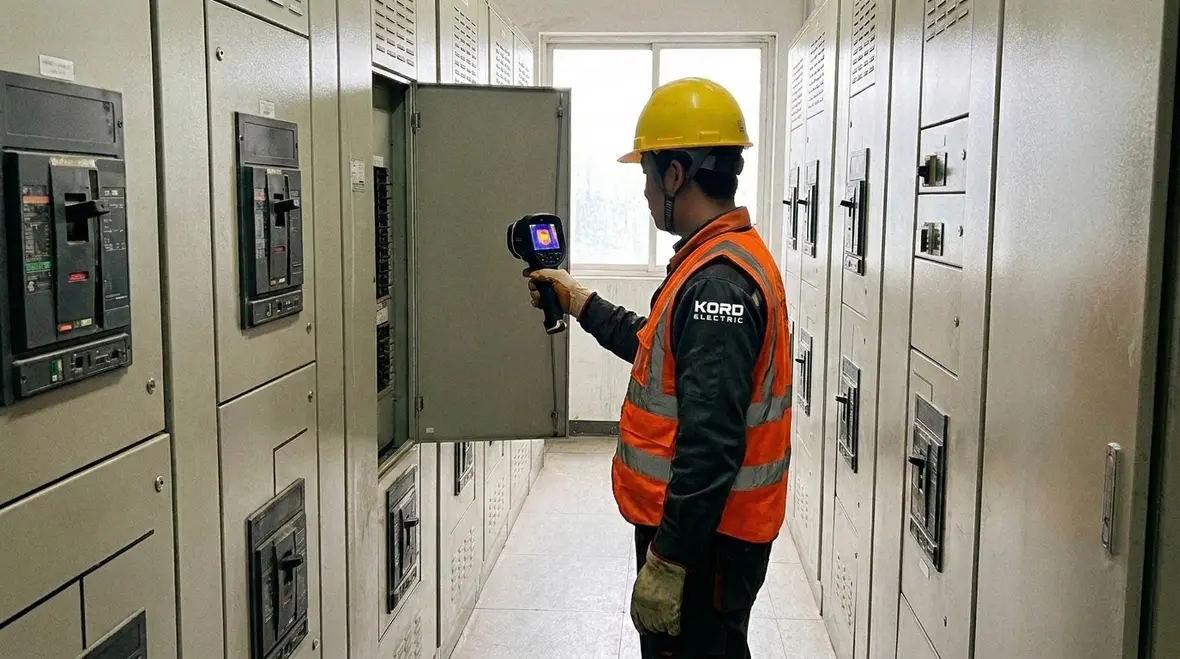
Power flicker, breaker trips, and other symptoms that repeat
When lights flicker, breakers trip, or equipment resets without warning, the cause can be more specific than people think. In many cases, common electrical problems in commercial buildings start with distribution issues. For example, a loose connection in a junction box can create heat, then instability, then failure. Similarly, a breaker that trips under normal load may indicate a worn thermal magnetic element, a damaged bus connection, or a short inside a circuit that “only acts up” when certain motors start.
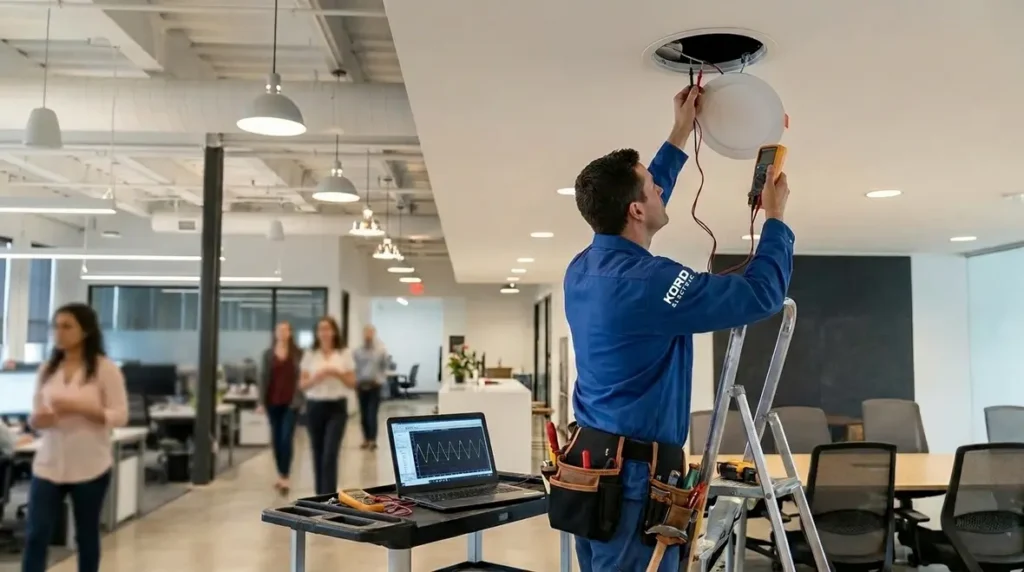
To address these common commercial electrical problems solutions, we normally begin with load analysis and circuit tracing. We check for proper breaker sizing, verify that phase balance looks right, and measure voltage under real operating conditions. Then we inspect terminations, torque values, and wire condition. After that, we test insulation and continuity where appropriate, so we do not “guess and hope.” And yes, we have heard the jokes about turning it off and back on. That works about as well as restarting a streaming service when the real problem is your internet.
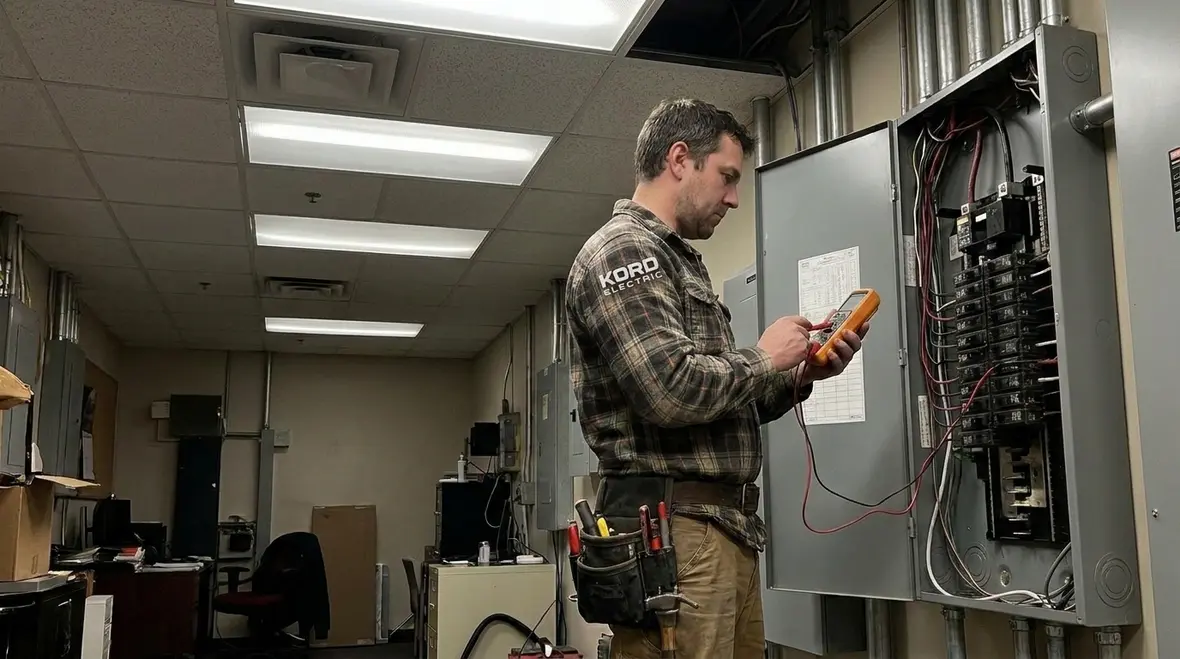
Overloaded panels, overheating wires, and the real cost of neglect
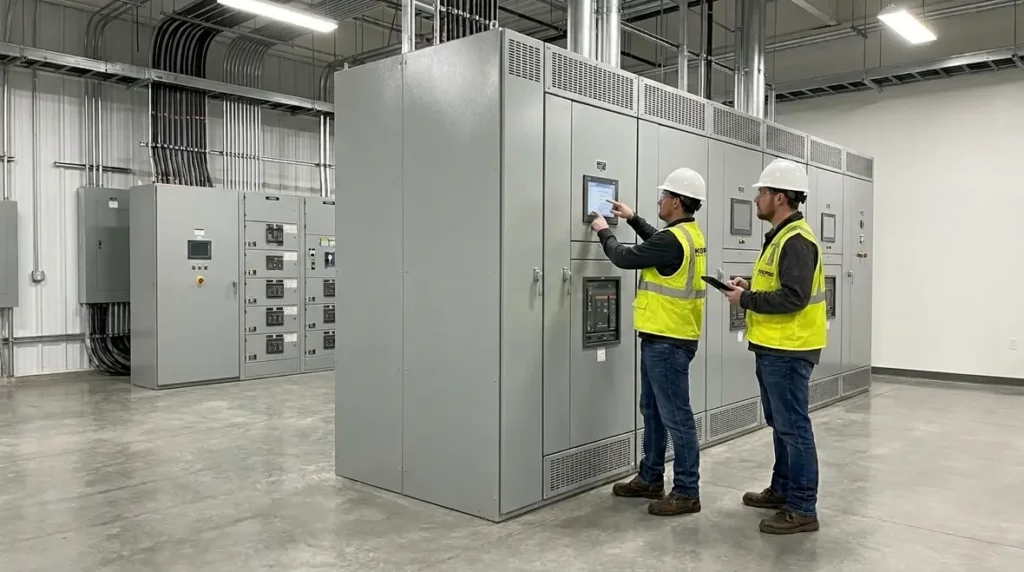
Overloaded panels and overheating wiring represent some of the most serious electrical problems in commercial buildings. Heat changes insulation life, increases resistance, and accelerates failure. Even when the building still “works,” the electrical system may be slipping into a dangerous condition. Therefore, our approach emphasizes thermal risk checks, connection inspections, and load verification.
Our technicians look for signs like discoloration around breakers, warm spots on breakers and bus bars, buzzing sounds, and odors that linger when the door opens. However, visuals alone do not tell the full story. We often pair inspection with targeted testing. We verify circuit demand against nameplate ratings and confirm that shared neutrals do not carry more load than they should. Then we recommend panel balancing, load redistribution, or selective upgrades when the site needs it.
As part of our service philosophy, we explain what we find in plain language. Others can sell a “new panel” before investigating the cause. We prefer to solve the underlying issue first, because a bigger box does not fix a bad connection, and a louder alarm does not cure a wiring problem.
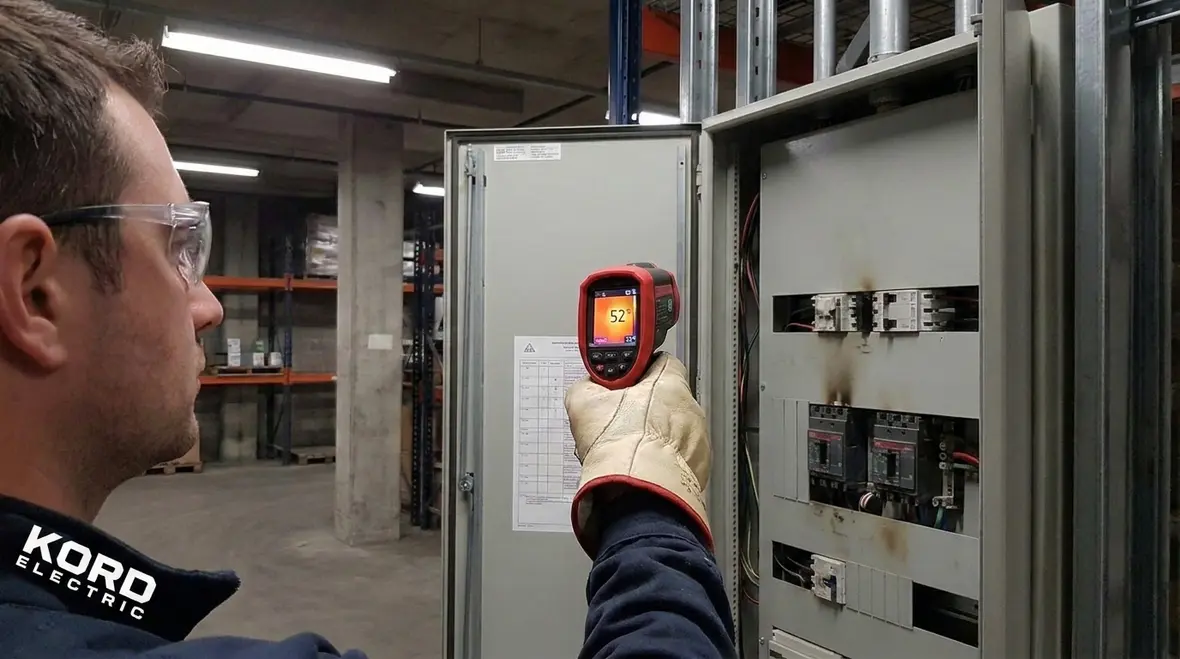
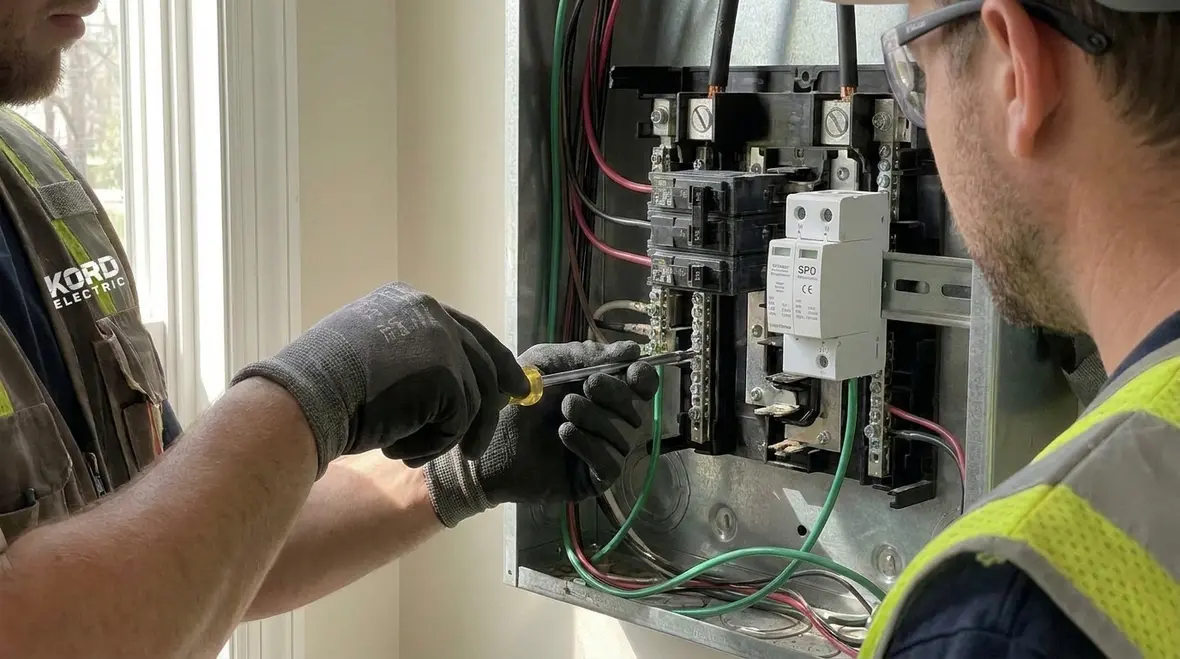
Grounding and surge protection for steady performance
Grounding problems can create unsafe conditions and unpredictable operation. Meanwhile, surge events can damage sensitive electronics, control boards, and data systems that keep commercial operations running. Even if a building never experiences a dramatic lightning strike, switching surges from HVAC starters, elevator drives, and motor cycling can still stress equipment.
To reduce these risks, Kord Electric evaluates grounding continuity, checks bonding points, and verifies that the grounding system matches the facility design. We also review surge protective devices and their application. Then we confirm that surge protection exists where it should and that it supports the electrical architecture of the building. Transitioning into correct surge strategy helps protect both life safety systems and business critical loads.
In our expert service staff conversations, we often explain why grounding is not just a “checkbox.” Proper grounding helps stable reference points and supports equipment protection during faults and surges. In short, it helps the building behave like it has been trained, not like it is making decisions on the fly.
Motors, HVAC controls, and why industrial loads trigger faults
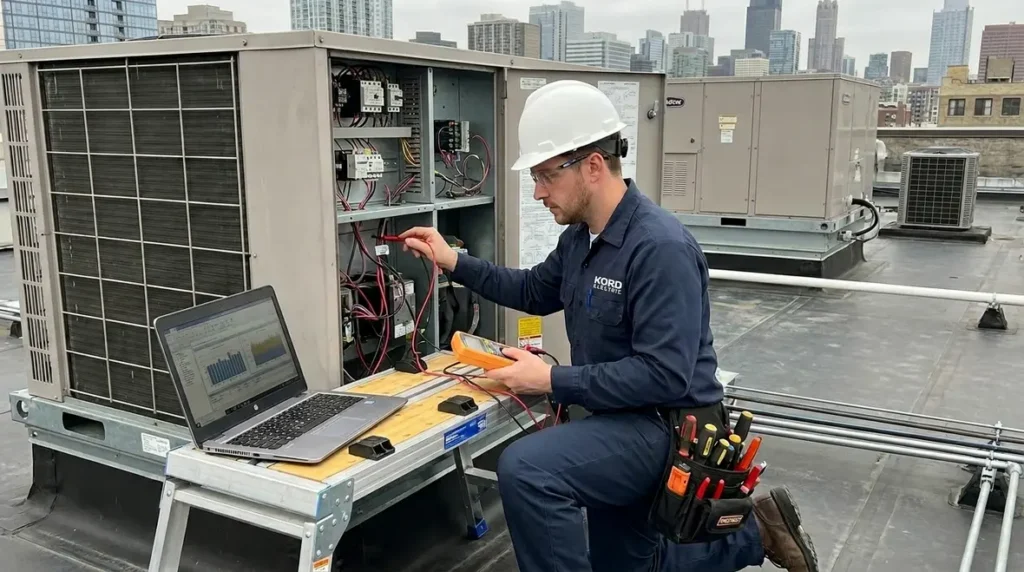
In warehouses, manufacturing areas, and industrial office spaces with heavy HVAC or process equipment, motors often drive the cycle of failure. When a motor starts to draw higher current, the result can show up elsewhere as brownouts, flicker, tripped breakers, and stressed starters. At the same time, HVAC control wiring and low voltage circuits can suffer from loose terminals, degraded insulation, or water intrusion.
Therefore, our technicians treat motor related issues as system problems, not isolated incidents. We check motor starters, contactors, overload settings, and protective devices. Next we evaluate whether the issue comes from the motor, the starter, or the incoming power quality. Then we review control circuits for wiring integrity and correct terminations.
This is one reason why we keep service centered on commercial and industrial facilities and major property buildings only. Those environments need professionals who understand load behavior, safety standards, and operational constraints. We schedule work around site demands and focus on restoring reliability without creating avoidable disruptions.
Water, dust, and tenant activity that quietly wrecks electrical systems
Commercial buildings face a steady stream of risk factors. Water from plumbing leaks, roof condensation, and washdown operations can impact junction boxes and conduit runs. Dust and airborne debris can settle on panels and affect ventilation and heat release. And tenant activity brings constant change: new lighting, added outlets, office buildouts, and temporary power. Even when work seems harmless, poorly coordinated modifications can increase connection stress and create hidden fault paths.
Our team manages these risks with careful documentation and a “trace first” approach. When customers report intermittent power issues, we trace circuits by function and location rather than jumping straight to the last device someone touched. We inspect penetrations, check sealing, and confirm conduit integrity. Then we verify that all modifications align with code and safe practices.
And here is the playful truth: electrical problems rarely come with a sticky note that says “I was caused by that one weekend DIY.” So we investigate thoroughly, because your building deserves better than guesswork.
Commercial electrical troubleshooting we perform on site
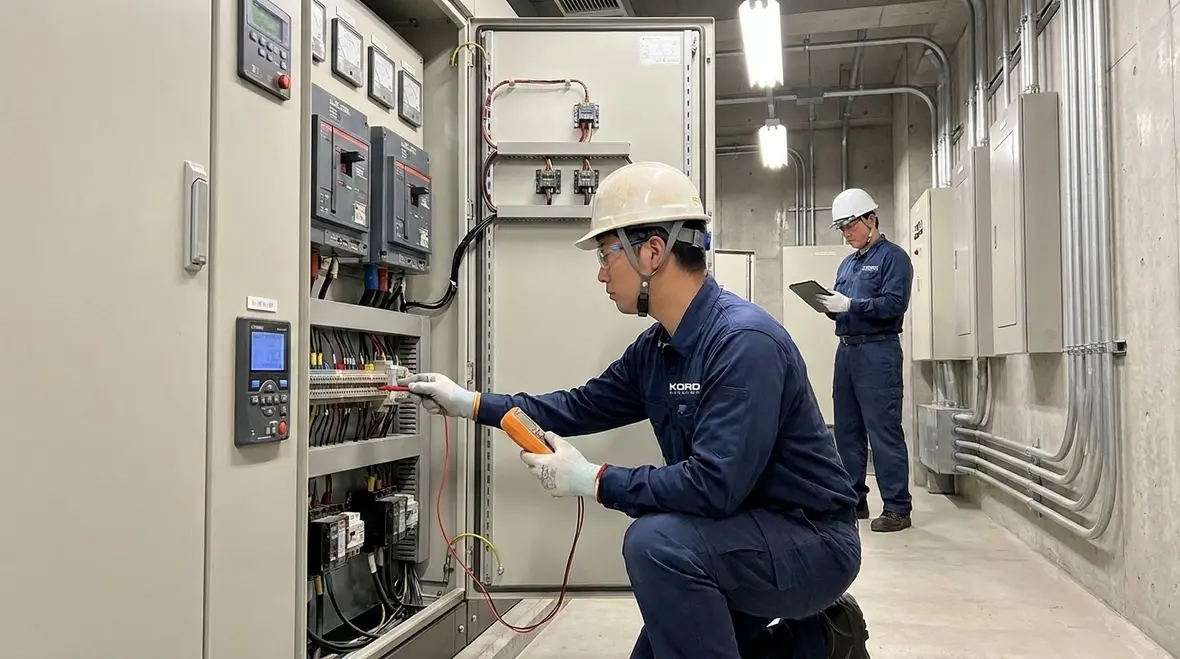
Kord Electric uses a structured troubleshooting process to address common electrical problems in commercial buildings. We start by reviewing the incident history, because patterns matter. Then we inspect the affected equipment and distribution components. After that, our technicians run targeted tests based on what the site shows, not what a generic checklist says. This might include verifying voltage and phase balance, checking insulation resistance, evaluating grounding performance, and confirming breaker and conductor condition.
When we find the root cause, we correct it with proper repair methods and secure terminations. Then we test again to confirm the issue will not return. Finally, we explain the outcome. Our expert service staff takes time to translate the results for building managers, facilities teams, and property leadership, so you understand what happened and what prevents repeats.
If the facility needs upgrades, we recommend practical options that match operational reality. We do not push unnecessary work. We focus on reliable power, safety, and long service life, which is how commercial properties stay resilient. For sites that want a deeper dive into diagnostics, we also recommend exploring our commercial electrical troubleshooting guide for facilities, which expands on the methods we use in the field.
FAQ
Why Kord Electric delivers calm, reliable electrical repairs for major properties
When commercial power fails, the building feels it fast. Our expert service staff responds with careful troubleshooting, clear explanations, and repairs aimed at long term reliability. We work with commercial and industrial facilities and major property buildings, so we understand the pace, safety needs, and operational constraints. If your lights flicker, breakers trip, panels run hot, or motors behave oddly, contact Kord Electric now. Let us inspect the system, find the root cause, and restore steady power before the next disruption shows up uninvited.
For property teams looking beyond single repairs, Kord Electric also provides broader Los Angeles County commercial and industrial electrical services that support ongoing maintenance, upgrades, and system planning across entire portfolios. Coordinated service helps keep your electrical infrastructure ready for tenant changes, new equipment, and growth without sacrificing reliability.
Bonus joke, because we cannot help ourselves: if your electrical system “acts possessed,” we will check the wiring first. We do not recommend calling a ghost hunter.