Electrical Compliance Guide for Facility Managers
At Kord Electric, we work closely with electrical compliance facility managers across commercial and industrial properties, and we often hear the same concern: “We think we are compliant, but we are not sure what we are missing.” That is a common story, and it should not be a mystery. In this guide, third party compliance needs meet real-world operations, and our expert service staff and technicians explain what matters, what fails, and how to keep risk low.
Because compliance is not a one-time checklist. It is a system. And when it runs well, your building feels calmer, quieter, and safer. When it does not, you get surprise outages, stressed tenants, and paperwork that looks like it took a vacation without you. Let’s handle it in a way that makes sense.
What electrical compliance means in day to day building operations
Electrical compliance facility managers usually wear many hats. They manage vendors, track work orders, and respond when something “minor” becomes major. Electrical compliance, in plain terms, means your electrical systems are built, installed, maintained, and inspected in line with the rules that apply to your location and building type.
That includes safe design, proper installation, correct labeling, safe grounding, and ongoing checks that the system still performs as intended. Even if a facility looks fine, components age. Connections loosen. Moisture enters enclosures. Cables take stress from heat cycles. And then, one day, your breaker trips like it has a personality. (It does not. It just fails when you stop paying attention.)
We have found that the best teams plan compliance like they plan fire drills. They do not wait for smoke. They prepare before the alarm. Our technicians and expert service staff explain this step by step so operations teams can act quickly and avoid repeating the same mistakes.
How codes, inspections, and documentation connect to real risk
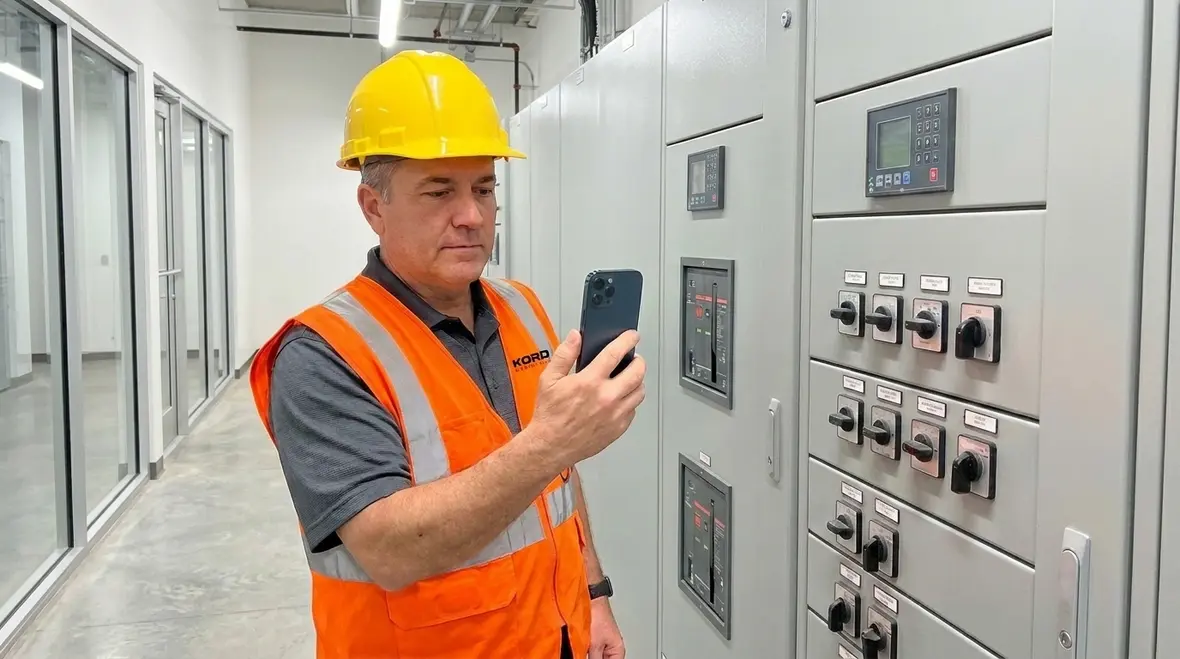
Facility managers often treat compliance as a stack of documents. However, the documents only matter because they prove that safety is managed. First, electrical codes set minimum requirements for installation and performance. Next, inspections verify that the installed work matches those requirements. Then, maintenance logs show the building keeps meeting the same safety intent over time.
So, when a tenant asks for assurance, you need evidence, not guesses. You need test results, service records, and a clear history of what was inspected and when. Additionally, you need to know what was found and what was corrected. If you only keep “pass” notes, you lose the lessons that prevent the next event.
Our approach supports commercial and industrial buildings because the electrical systems there often run continuously and carry higher loads. In that environment, small defects become big quickly. Therefore, we help teams build a documentation rhythm that supports audits, tenant requests, and internal risk review.
Preventive maintenance that supports compliance, not just uptime
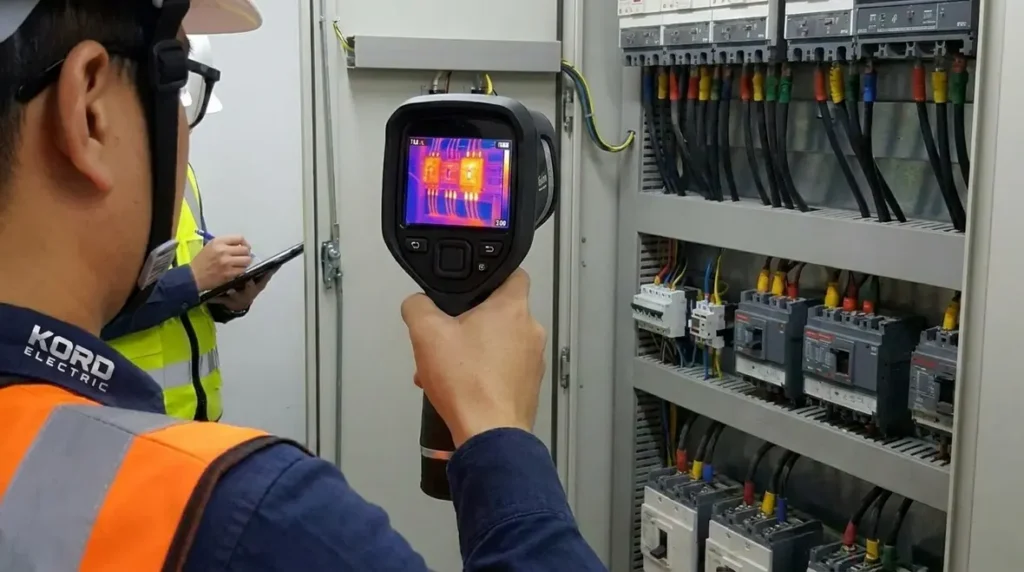
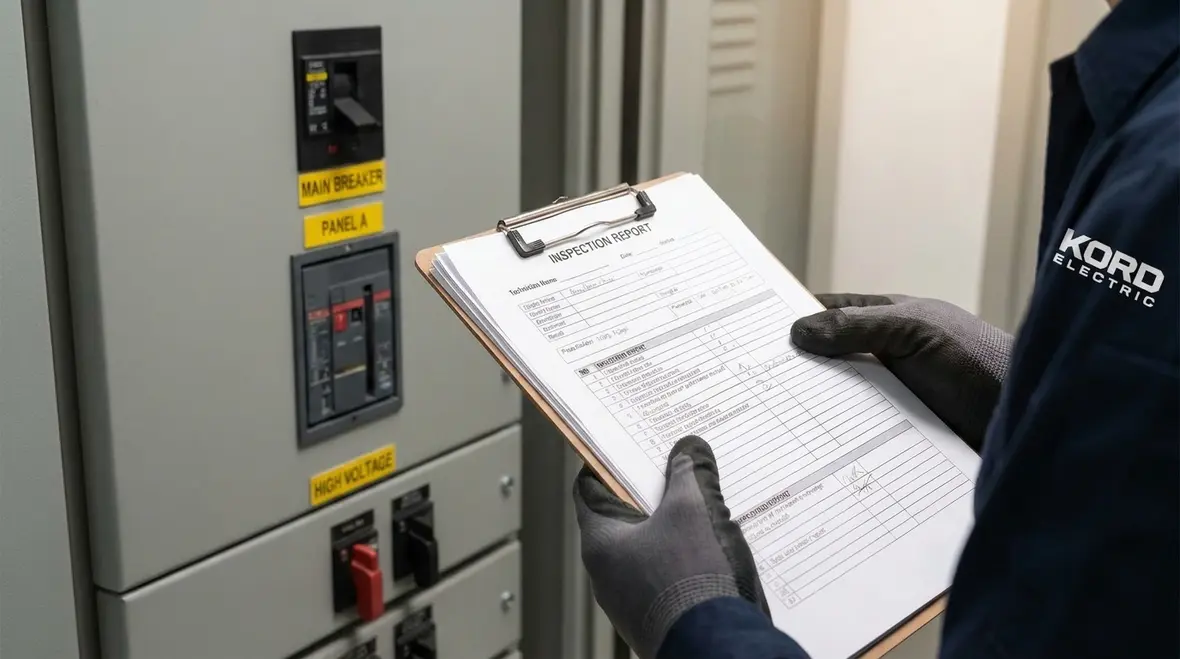
Preventive maintenance matters because it reduces the chance of failure, but it also supports compliance goals. When we check equipment on a schedule, we find problems early and correct them before they break the safety chain. In addition, maintenance can reveal hidden issues such as overheating, water intrusion, insulation loss, or failing protective devices.
Kord Electric supports this work with electrical preventive maintenance built around practical field checks and clear reporting. You can see our focus and how we structure ongoing service on our page here: https://kordelectric.com/electrical-preventive-maintenance/.
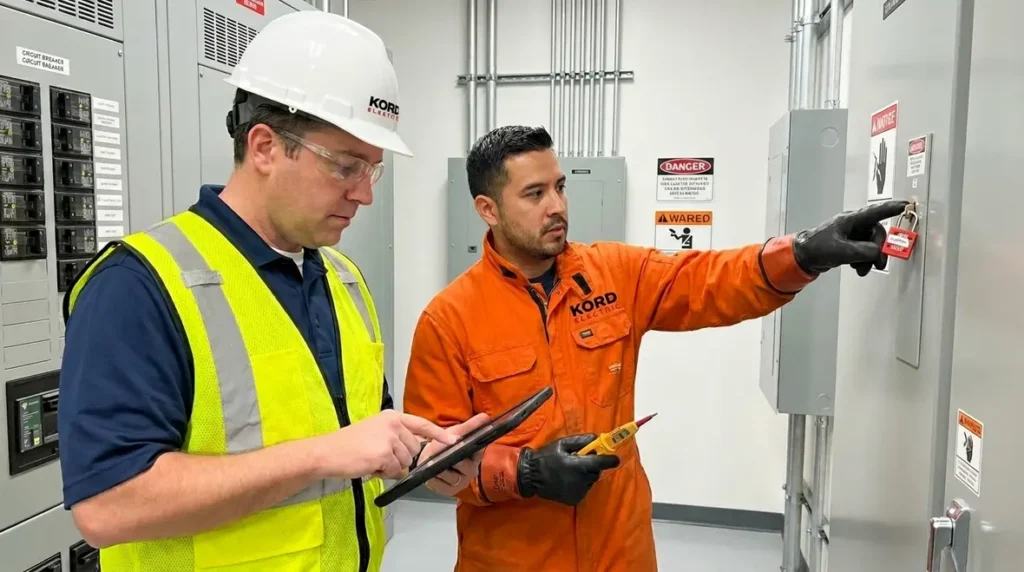
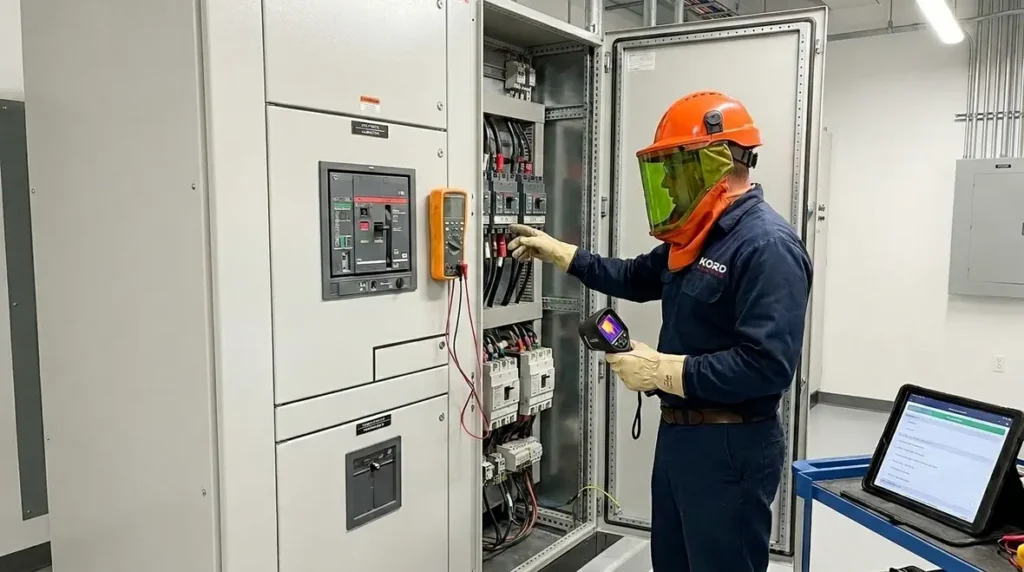
Our technicians do not just “look around.” They follow a disciplined process that aligns with compliance intent, so findings lead to action. For example, we track conditions that affect safe operation: breaker health, panel integrity, busbar issues, terminations, and protective device behavior. Then, we document the work so your team can defend the status of the system when someone asks.
And yes, sometimes we get a call like, “Can you fix it tomorrow?” We can often respond, but proactive maintenance is how you avoid the midnight version of that conversation. Nobody wants a surprise electrical event on a night shift. That is not a fun movie plot. It is just cost.
Where electrical compliance fails most often in commercial and industrial buildings
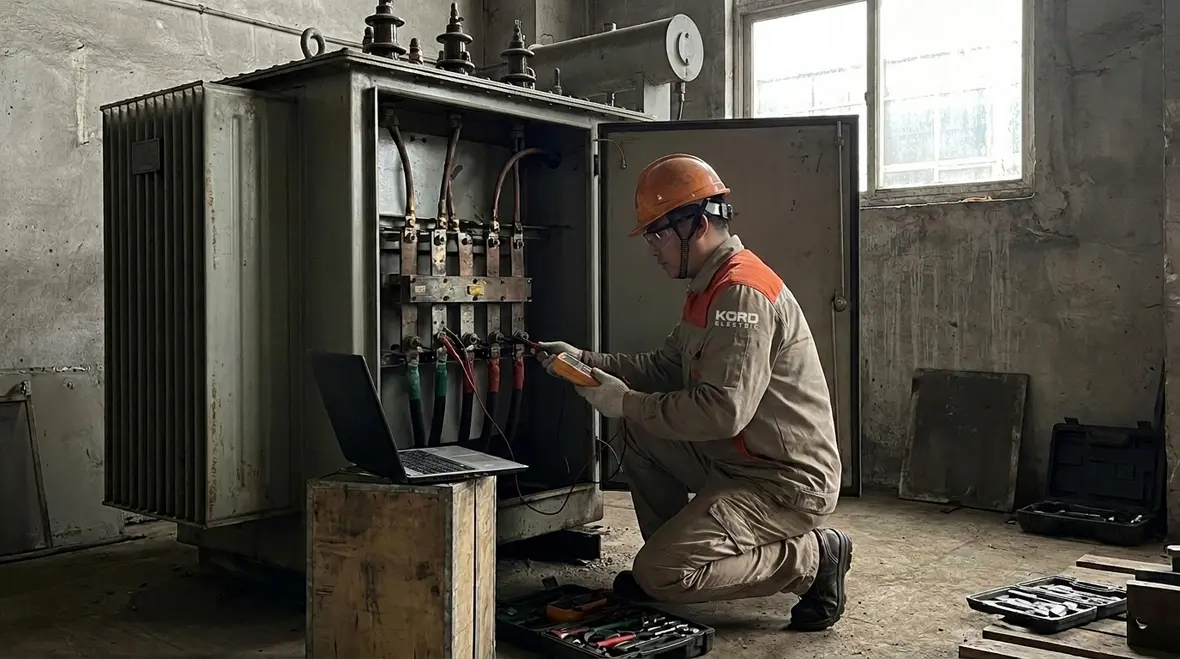
Even strong teams run into predictable weak points. First, many buildings get serviced, but not consistently across the whole electrical system. Then, they rely on quick fixes instead of deeper checks. Also, teams sometimes skip labeling and update steps after renovations. Finally, they forget that older equipment can still require modern safety practices based on current code requirements and inspection standards.
Here are the common trouble areas we see, and how we help facility owners and operators address them:
- Panel and termination issues: Loose or degraded connections create heat, which damages components and increases failure risk.
- Grounding and bonding gaps: When grounding is not verified, fault protection can underperform.
- Overloaded circuits: Loads change over time, and electrical systems rarely stay “as built” forever.
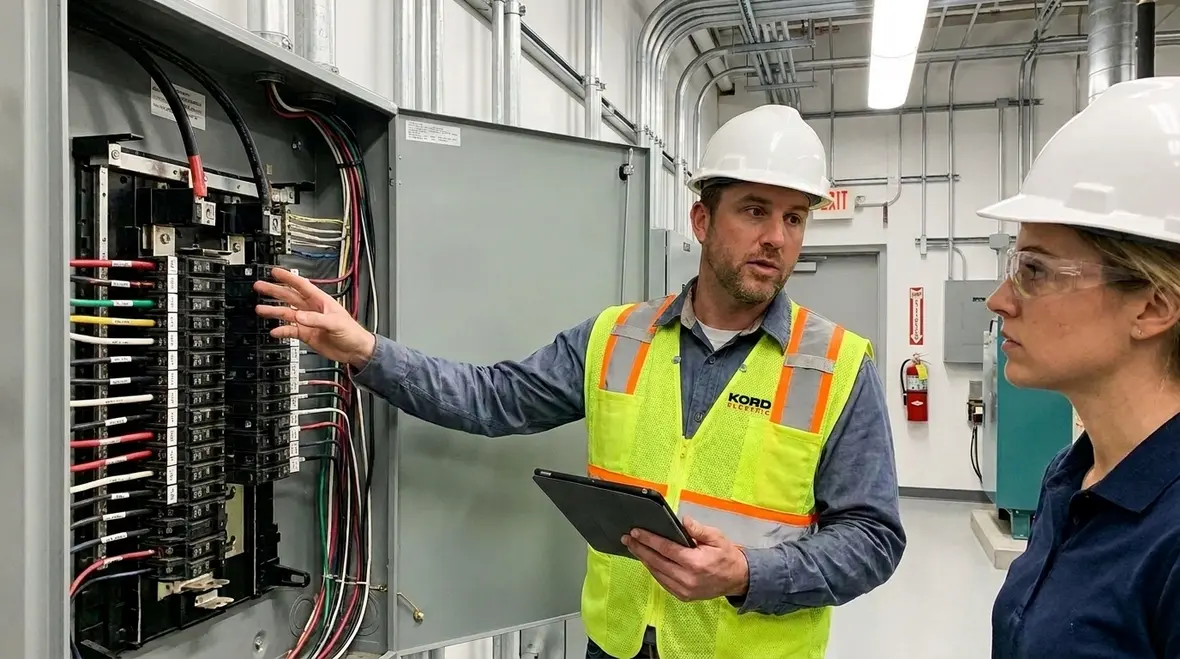
- Missing or outdated labeling: If your team cannot identify circuits quickly, response time slows during emergencies.
- Environmental exposure: Dust, moisture, and vibration impact enclosures, wiring, and equipment performance.
- Protective device drift: Breakers and fuses can lose optimal behavior when not tested and maintained.
However, the goal is not to panic. The goal is to identify where risk sits, then remove it with planned work. That is how we keep operations smooth and inspections calmer.

Using our technicians and expert service staff to close compliance gaps
When teams feel unsure about compliance, it is usually because the system is complex and responsibilities are split among staff and vendors. We help by clarifying what matters, then mapping the path to correction. Our technicians and expert service staff explain each step in business language, not a lab report. In other words, you understand what we found, why it matters, and what we recommend next.
Typically, we start with review and field assessment. Then, we align preventive maintenance with compliance priorities for your building type. After that, we propose repairs, adjustments, and documentation support that fit your operational schedule. Because commercial and industrial facilities cannot always shut down, we plan work with minimal disruption.
Also, we support your team by helping create a repeatable process. We show you how to interpret findings, how to schedule follow-ups, and how to keep records organized. That way, compliance becomes a managed task instead of a yearly scramble. And if you have ever tried to find the correct document before an inspection, you already know the struggle.
For facility managers who want even more structure, pairing this guide with resources like our Commercial Electrical Safety Audit for Risk Control and our NFPA 70A vs NEC guide for commercial electrical compliance can deepen your understanding of how codes, inspections, and risk control connect in daily operations.
Planning a compliance calendar that works with tenants and schedules
Electrical risk does not follow business hours. Yet your team must operate within real schedules, tenant needs, and budget timelines. So, we recommend building a compliance calendar that follows the system’s reality, not the calendar’s fantasy.
First, you define critical equipment categories such as switchgear, panels, feeders, and motor control systems. Then, you set inspection and maintenance intervals based on duty cycles, age, and environment. Next, you add testing and verification steps where they matter most for safety and protection.
Finally, you schedule work in windows that match your operations. When possible, we coordinate with your maintenance team so repairs happen once, not repeatedly. In addition, we deliver clear reports so your stakeholders do not chase information. This reduces confusion and keeps your compliance story consistent.
For major property buildings, this planning becomes even more important because multiple tenants may request proof, and ownership groups may request audit readiness. We help you stay ahead, whether you are coordinating a focused data center electrical maintenance checklist or a broader commercial portfolio review.
Coordinating compliance with broader electrical projects
Compliance rarely lives in isolation. Many electrical compliance facility managers discover that major projects—like service capacity upgrades, lighting retrofits, or renovation work—either help or hurt their compliance story depending on how they are planned.
When a facility upgrades service capacity, for example, the new gear, feeders, and protection settings must align with applicable codes, utility requirements, and inspection expectations. Treat that project as a chance to clean up labeling, grounding, and documentation, and you move compliance forward instead of backward. Articles such as our guide to upgrading commercial electrical service capacity and our electrical code upgrade consulting for renovations show how to turn big electrical changes into compliance wins rather than inspection headaches.
The same thinking applies to more focused scopes such as commercial lighting or bathroom safety. Title 24 lighting requirements, GFCI protection, and local permit rules all intersect with electrical compliance. That is why our team often links preventive maintenance with targeted projects, so your building does not end up with five different “almost compliant” stories and no single, coherent record.
FAQ
Final word from Kord Electric
If you lead a commercial or industrial facility, you should not leave electrical safety to chance. We help electrical compliance facility managers reduce risk through structured preventive maintenance, documented inspections, and clear guidance from our technicians and expert service staff. Our work supports audits, tenant confidence, and day to day operations, without turning your maintenance calendar into a panic festival. Contact Kord Electric today to review your electrical compliance needs and build a plan that holds up when it matters.
For facilities across Los Angeles County and Southern California, our dedicated Los Angeles County commercial and industrial electrical services bring together code-conscious design, responsive troubleshooting, and long-term maintenance planning. Whether you are preparing for an upcoming inspection, planning a major renovation, or simply tired of wondering what you might be missing, our team can help you move from worry to a clear, defensible compliance strategy.
If you are ready to connect electrical compliance with practical, everyday reliability, structured electrical preventive maintenance is one of the strongest steps you can take. From there, we help you align records, inspections, and projects so compliance becomes part of how your facility runs—not an event you dread once a year.