
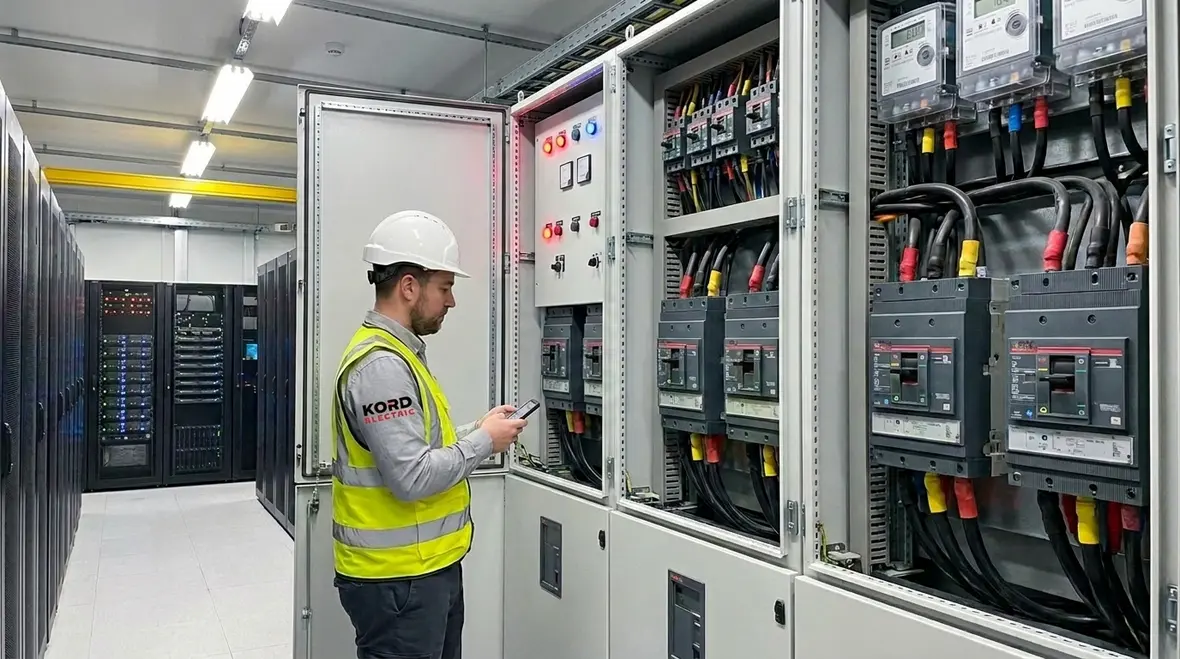
Data Center Power Distribution Reliability Guide
In a modern data center, data center power distribution reliability is not a slogan, it is the difference between “scheduled maintenance” and “please hold while we troubleshoot.” We at Kord Electric help commercial and industrial facilities protect uptime by designing power paths that stay steady under real conditions, not ideal ones. That means we look at distribution architecture, protective devices, grounding, and load behavior as one system. Then we build strategies that reduce nuisance trips, prevent cascading failures, and keep critical loads online when the grid gets moody.
And yes, our approach is so deliberate that some folks joke we treat every cable like it has a starring role. Maybe they are not wrong. Now let’s walk through what we do, why it works, and how our technicians and expert service staff explain it in plain language.
How strategic power design prevents downtime
We start by accepting one simple truth: power failures rarely arrive as a single dramatic event. Instead, they show up as small issues that stack up. A loose connection, a weak breaker coordination plan, a confusing wiring layout, or an overload during a peak window can combine into a reliability problem.
First, we design distribution with clear load separation. Critical IT loads do not share the same path as non critical equipment like building pumps or aging vending machines that always seem to fail at the worst time. Then we build redundancy where it matters most. Meanwhile, we avoid needless complexity, because complex systems often fail in subtle ways.
Next, we use selective coordination principles. In plain terms, we make sure the right protective device clears first, while upstream devices stay out of the way. This reduces the chance that one fault becomes a facility wide event. When our technicians perform reviews, they also confirm that the design matches the actual equipment nameplate data and operating settings, not just what the drawings claim.
Finally, we align distribution design with the load profile. If a facility has variable loads, we account for start up currents, harmonics, and power factor changes. When these are ignored, reliability drops, and everyone ends up acting like a detective on a mystery show.
What we measure before we draw a single line
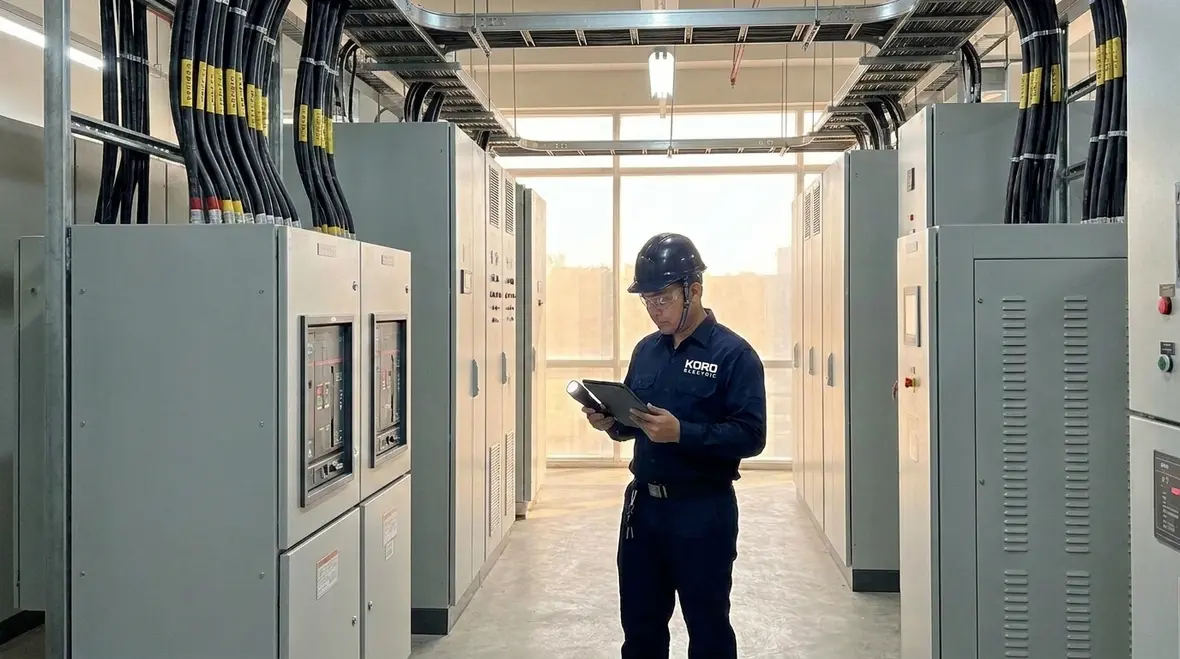
Before any design effort, our team gathers the facts that impact reliability. We do not rely on guesswork, because guesswork does not keep servers running. We review the existing single line diagram, equipment ratings, available short circuit current, and the coordination philosophy. Then we examine how power flows through panels, switchgear, UPS systems, and transfer equipment.
At this stage, we also evaluate the environment and installation details. Cable routing, terminations, cooling conditions, and busbar support all influence performance. In many commercial and industrial facilities, old work added over time creates hidden stress points. Our technicians and expert service staff look for those weak links, and they explain what they find with clear logic.
Additionally, we plan for growth. Data centers rarely stay the same size. So we design distribution expansion paths that do not require disruptive rework. That keeps future upgrades from turning into an all day outage party. Transitioning from “now” to “later” is where good planning pays off.
Finally, we set reliability targets for different criticality levels. This helps stakeholders understand tradeoffs and helps operators avoid the classic problem of overbuilding everything and underbuilding the essentials.
How we improve uptime with smarter architecture
Strategic design can mean many things, but it usually comes down to architecture choices. We often see that reliability improves when facilities adopt a well organized pathway for power that remains stable during faults and switching events.
One approach uses clearly defined distribution zones. Within each zone, we maintain predictable behavior during abnormal conditions. Then we coordinate protection across zones so the smallest possible portion of the facility disconnects when a fault happens. This supports graceful recovery and limits downtime.
We also consider transfer scheme behavior. Switchgear and transfer equipment can add risk if not selected and coordinated correctly. Therefore, we confirm timing, make before break behavior where applicable, and verify that bypass paths support maintenance without sacrificing protection.
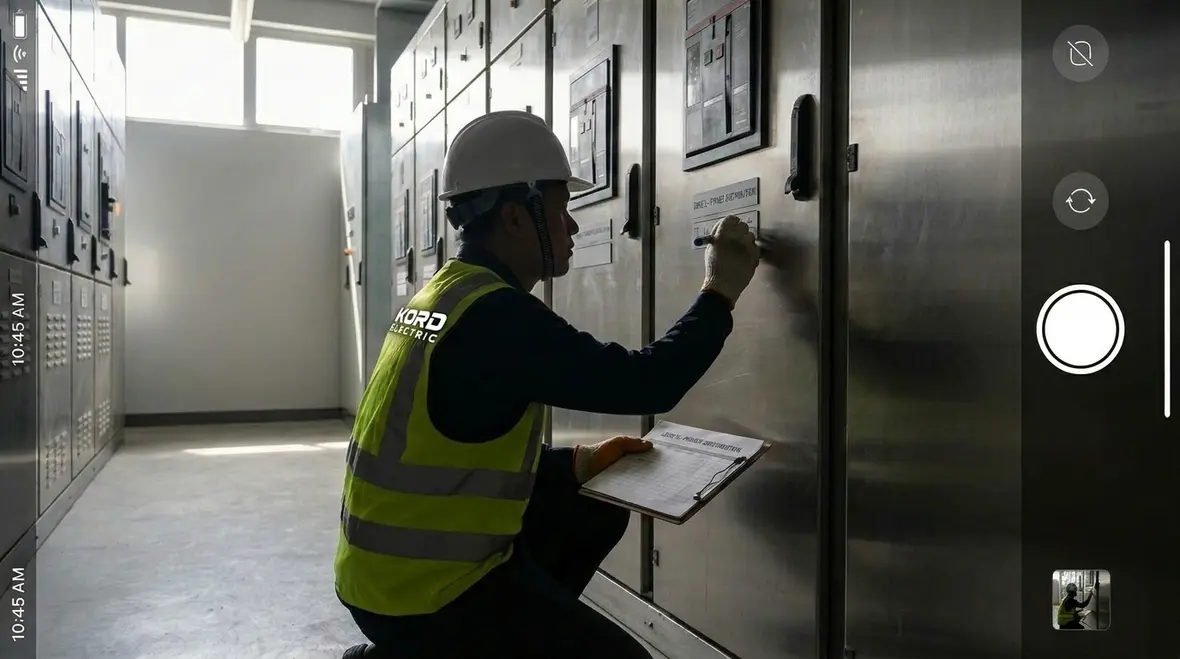
To reduce the chance of cascading failures, we implement robust labeling and documentation. When operators can quickly identify where a fault likely sits, response time shrinks. And faster response means smaller impact. That is reliability, but with less drama.
As we work through these architecture steps, our technicians explain the “why” behind each decision. They also address concerns from facility managers who want performance, not a science fair.
Protection settings, grounding, and harmonics that matter
Reliability is not only about redundancy. It is also about correctness. A system can have multiple paths and still fail if protective device settings, grounding methods, or power quality conditions are wrong.
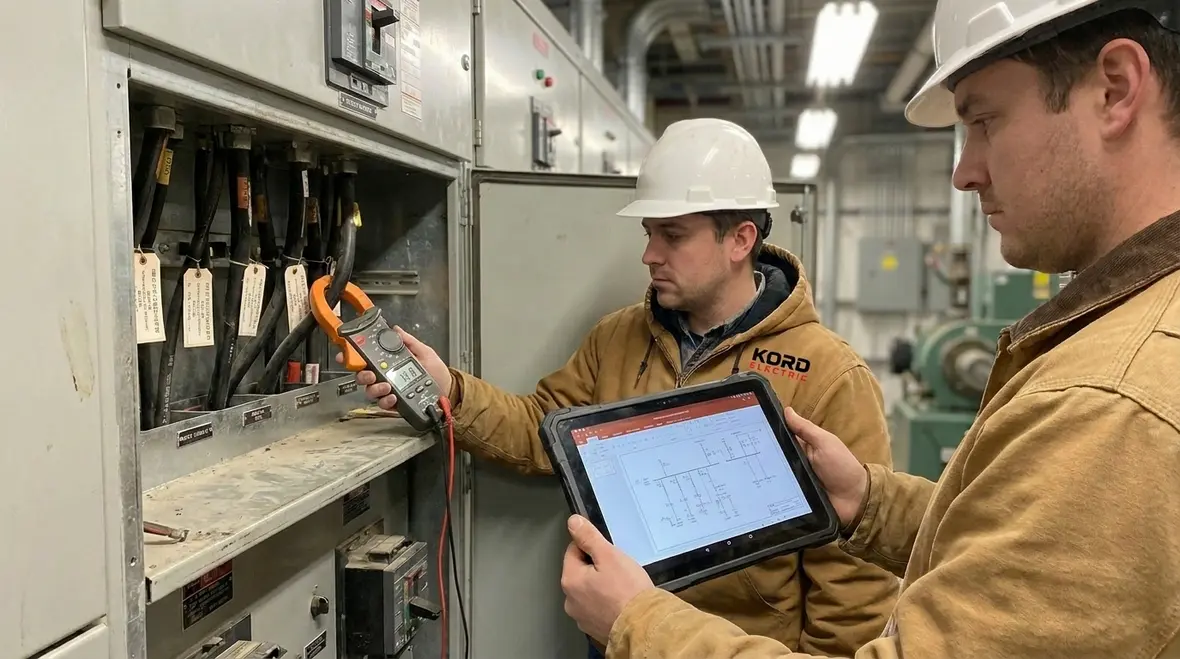
First, we focus on protective device coordination. We verify breaker curves, trip characteristics, and timing logic so that a fault clears locally. We also confirm settings for long time, short time, and instantaneous trip regions. Then we validate that the design meets the intended selectivity during both bolted faults and arcing faults.
Second, we evaluate grounding and bonding. Proper grounding reduces touch voltage risks and improves fault clearing reliability. It also helps communications and control circuits behave correctly. Our expert service staff often see grounding issues show up as intermittent trips or nuisance alarms. When they explain it to stakeholders, they use simple language like, “This is the path faults should take, not the path we are forcing them to take.”
Third, we address harmonics and non linear loads. UPS systems, rectifiers, and modern power supplies can introduce harmonics that overheat conductors and distort voltage. We help facilities plan for these conditions by evaluating expected harmonic levels and selecting equipment that handles them. This is one of those boring topics that becomes exciting when you prevent a recurring heat related event.
Even when the power looks fine on a quick glance, we verify it with deeper checks. That is how we protect data center power distribution reliability without waiting for a crisis to validate the design.
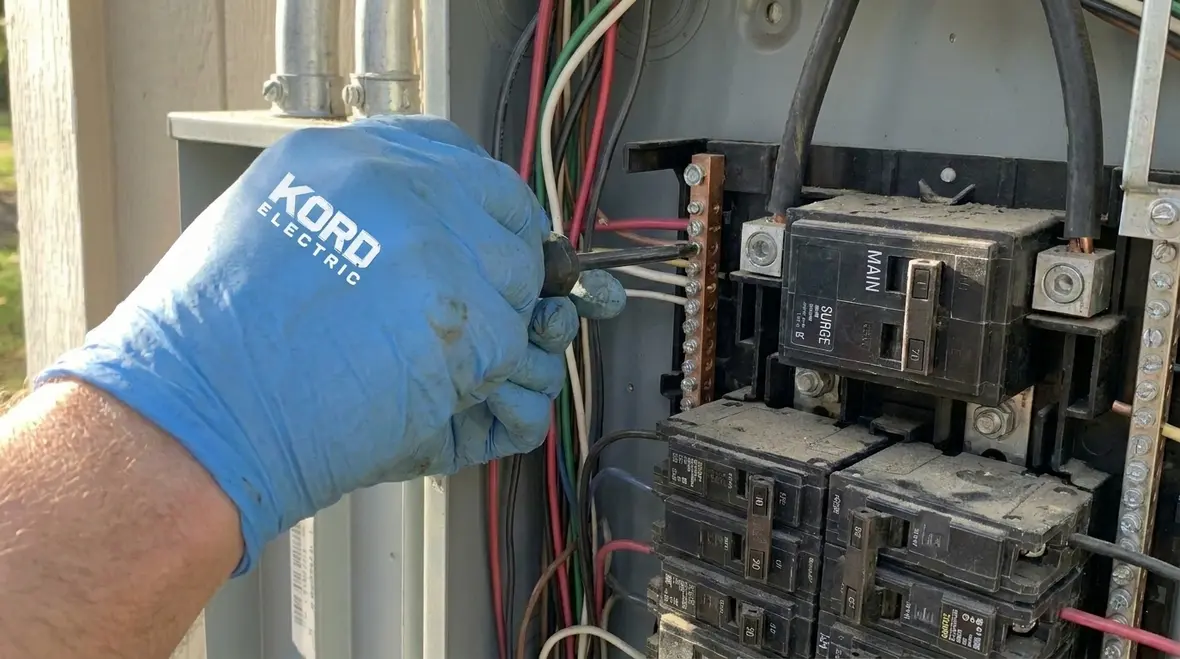
Keeping reliability strong during maintenance and upgrades
Many facilities experience the biggest reliability risk during maintenance. One misplanned shutdown, one poorly timed transfer, or one skipped verification can trigger an outage. So we design for maintenance reality, not just initial commissioning.
We help commercial and industrial operators create upgrade plans that keep critical loads supported. That includes staged replacement of panels, breakers, and related components. It also includes temporary configurations when needed, along with clear operating procedures. When our technicians work on site, they do not just swap equipment and leave. They confirm coordination with the planned configuration and document the results.
We also recommend periodic testing and review. Protective devices drift, settings can get changed, and labels can fade into the background. Therefore, we encourage checkups that verify settings, insulation condition, and operational performance. If something seems off, we investigate before it becomes a “surprise” incident.
In addition, we improve reliability through training. Our service staff walks through switchgear operation, alarm interpretation, and safe isolation steps. And yes, we sometimes hear jokes like, “We are not electricians, we just manage electricity.” We smile, because the truth is operators who understand the system reduce risk dramatically.
By handling maintenance and upgrades as part of the overall design, we protect continuity rather than just meeting a checklist. For facilities ready to formalize their approach, resources like the Data Center Electrical Maintenance Checklist and broader commercial and industrial electrical maintenance plans help connect day to day tasks with long term data center power distribution reliability.
Reliability planning that supports commercial and industrial growth
Major property buildings, hospitals, manufacturing sites, and large commercial operations need power distribution that scales. So we design with both current and future demand in mind. We evaluate capacity at multiple levels, including transformer loads, bus ratings, feeder sizes, and expected growth in critical equipment.
Then we align power pathways with how the facility actually runs. For example, if a site adds new tenants, changes operating schedules, or upgrades IT capacity, we ensure the distribution can handle those transitions with controlled risk. That is where data center power distribution reliability shows up as operational stability, not just theoretical performance.
We also plan for different power modes. Some facilities use generators and transfer systems. Others rely on UPS configurations with varying runtimes. In either case, we make sure switching and protections behave consistently across operating states.
As we build the plan, we collaborate with facility stakeholders who care about safety, compliance, and cost control. We keep recommendations practical and focused on reliability outcomes. And because our expert service staff supports ongoing work, the design stays aligned with real operations after commissioning.
For organizations looking to connect reliability planning with everyday facility operations, it often helps to pair power distribution strategy with structured programs like electrical preventive maintenance. Those programs turn good intentions into scheduled action, helping major properties protect uptime as they grow.
FAQ
Let us strengthen your power distribution reliability
At Kord Electric, we design and service power distribution for commercial and industrial facilities that cannot afford surprises. If your site faces growing loads, complex switching, or recurring protection events, we can help you tighten architecture, coordination, grounding, and power quality strategy. Our technicians and expert service staff explain the plan clearly, then support implementation and ongoing verification.
For facilities that want a structured, long term approach, our dedicated Electrical Preventive Maintenance services connect directly with data center power distribution reliability. By pairing disciplined maintenance with smart design, you get fewer surprises, clearer documentation, and systems that support growth instead of holding it back.
Contact us now to review your current system, walk through a practical maintenance and upgrade roadmap, and align your critical infrastructure with the reliability your operations demand.


