Downtime Prevention for Commercial Electrical Systems
Business downtime rarely shows up with a neon sign that says, “Hi, I am going to cost you money today.” It usually starts quietly. A breaker trips. A motor starts to run a little warmer than it should. Then, without warning, a critical process stalls and everyone scrambles like it is movie night and the remote is missing. That is why downtime prevention for electrical systems matters for commercial and industrial facilities, where minutes turn into lost sales, stalled production, and strained vendor promises.
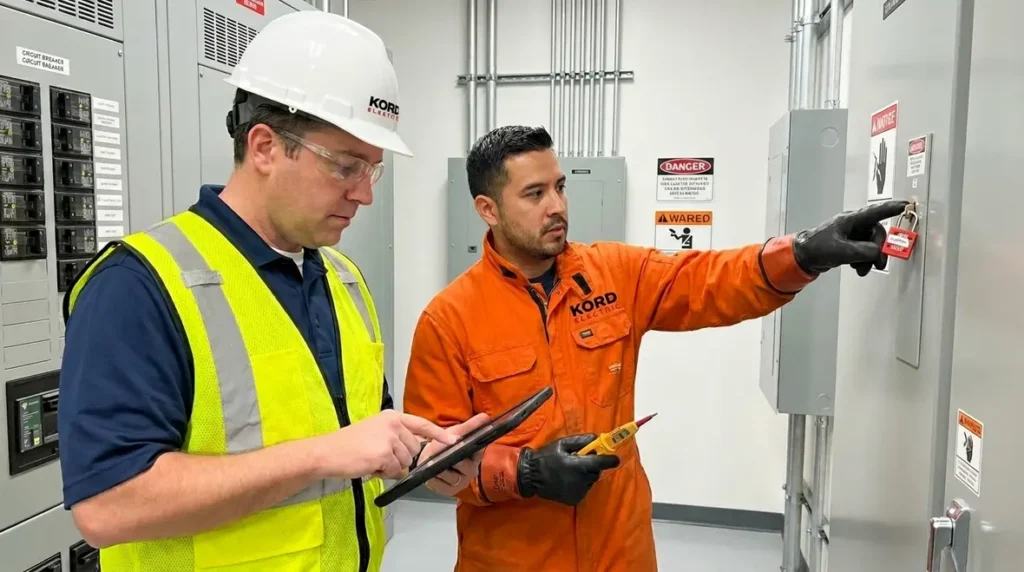
At Kord Electric, we take a proactive approach. We send our technicians and expert service staff to check systems before they fail, and we explain what we find in plain business terms. Meanwhile, our clients avoid the expensive “wait until something breaks” cycle. And yes, we do get it. Waiting for a failure can feel cheaper, right up until the bill arrives. Then it stops feeling funny.
Why proactive electrical maintenance keeps operations steady
When an electrical system runs day after day, heat, vibration, and load changes slowly wear it down. However, the damage does not always look dramatic at first. Connections loosen. Insulation ages. Panels pick up minor corrosion that a casual glance misses. Then the system begins to drift out of spec.
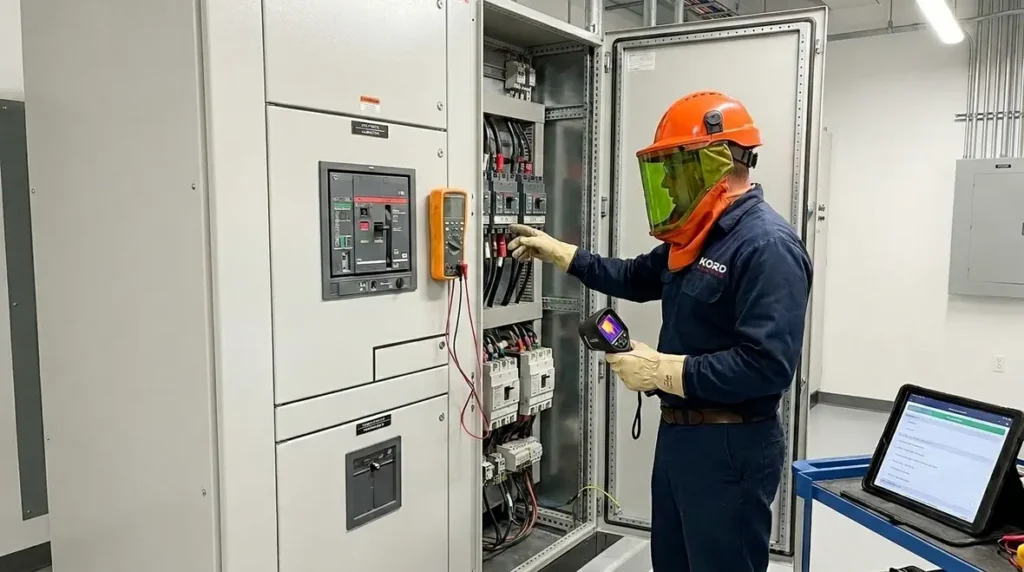
During proactive electrical maintenance, we do more than “look and hope.” First, we review the site’s electrical one line details and the history of trips, alarms, and repairs. Next, we test what matters to reliable power delivery. After that, we document findings in a way that helps property managers and facility leaders plan work without guessing.
In other words, downtime prevention for electrical systems becomes a managed process, not a reaction. When we reduce surprises, teams can keep HVAC, manufacturing lines, elevators, refrigeration, and life safety systems operating with less risk.
What early failure signals look like in commercial panels
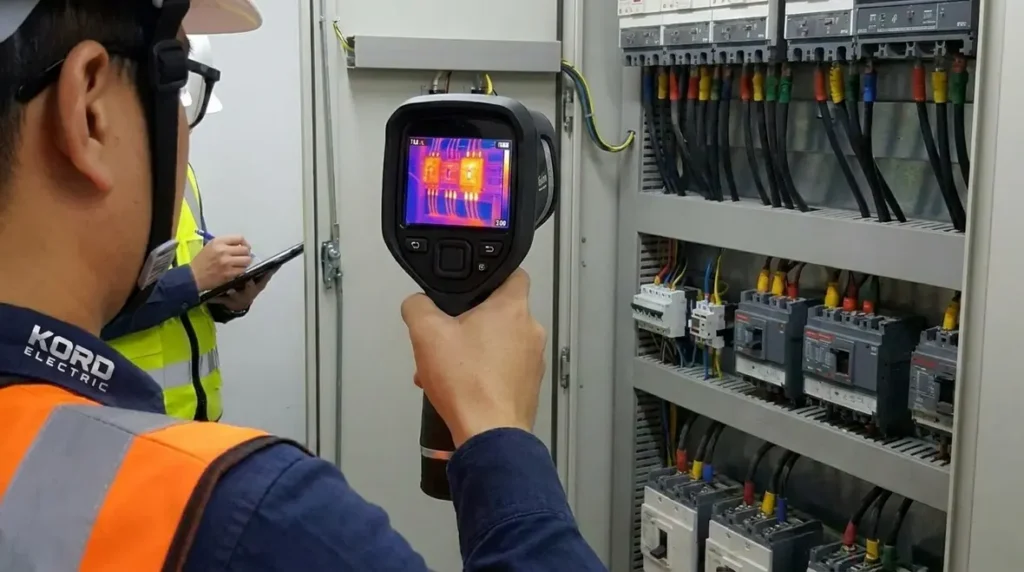
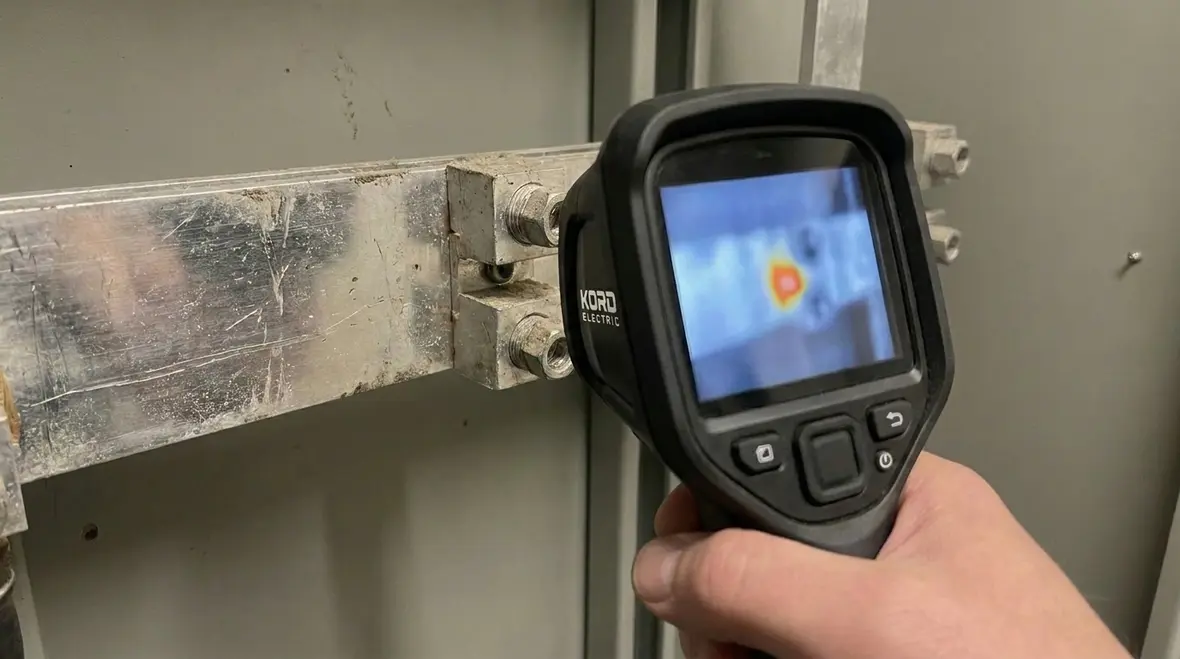
Our technicians commonly see patterns that repeat across major properties and industrial spaces. For example, circuit breakers may trip more often under normal load. Neutral conductors can show uneven current flow. Busbar connections can develop hot spots that remain invisible to the naked eye.
And here is the part that feels like pop culture, but it is real: electrical problems behave like sequels. The first incident seems small, then the next one hits harder because the root cause still exists.
To catch these issues early, we use targeted checks based on the equipment type and duty cycle. We also verify grounding and bonding health, because a weak link in this area can create strange behavior that looks like multiple failures at once. Then we correlate test results with symptoms that the facility already experiences, like flickering lights during equipment startup or nuisance alarms on control gear.
Most importantly, our expert service staff explains what each signal means, what it can lead to, and what actions reduce risk without shutting down operations unnecessarily.
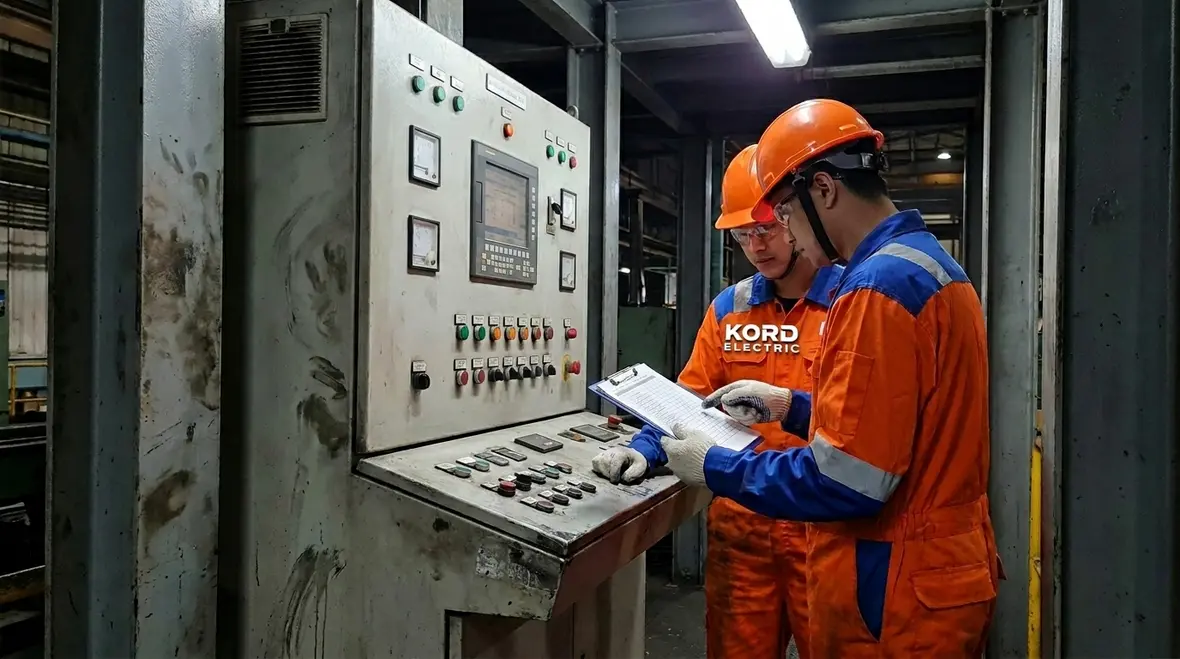
How maintenance reduces emergency callouts and labor chaos
Emergency repairs do not just cost more. They also disrupt schedules, reduce response time options, and often force companies to make tough choices under pressure. When a facility relies on steady power, an unexpected outage can send teams into “troubleshoot mode,” where every minute becomes a cost center.
Proactive maintenance helps because it shifts work from urgent to planned. Instead of waiting for a failure, we identify worn components, loose connections, aging insulation, and overheated conductors. Then we propose fixes that align with tenant schedules, production windows, and building policies.
We also coordinate materials and labor so the job does not stretch into days of stop start activity. That means fewer disruptions to critical loads, fewer hurried workarounds, and fewer repeat failures caused by incomplete diagnosis. And while we are at it, we keep communication clear. Nobody needs five emails and a conference call to learn whether a part is on the way. We keep it straightforward.
For facilities that want this kind of structure year-round, a formal program like Kord Electric’s electrical preventive maintenance services helps turn reactive fixes into a disciplined, long term strategy for uptime.

Rewiring risk management for commercial electrical systems
Sometimes proactive maintenance reveals a hard truth. The building’s wiring may be too old, too damaged, or too undersized for current loads. In those cases, the facility faces a decision: patch and extend, or rewire and reset. Kord Electric evaluates the situation so our clients can plan investments with confidence.
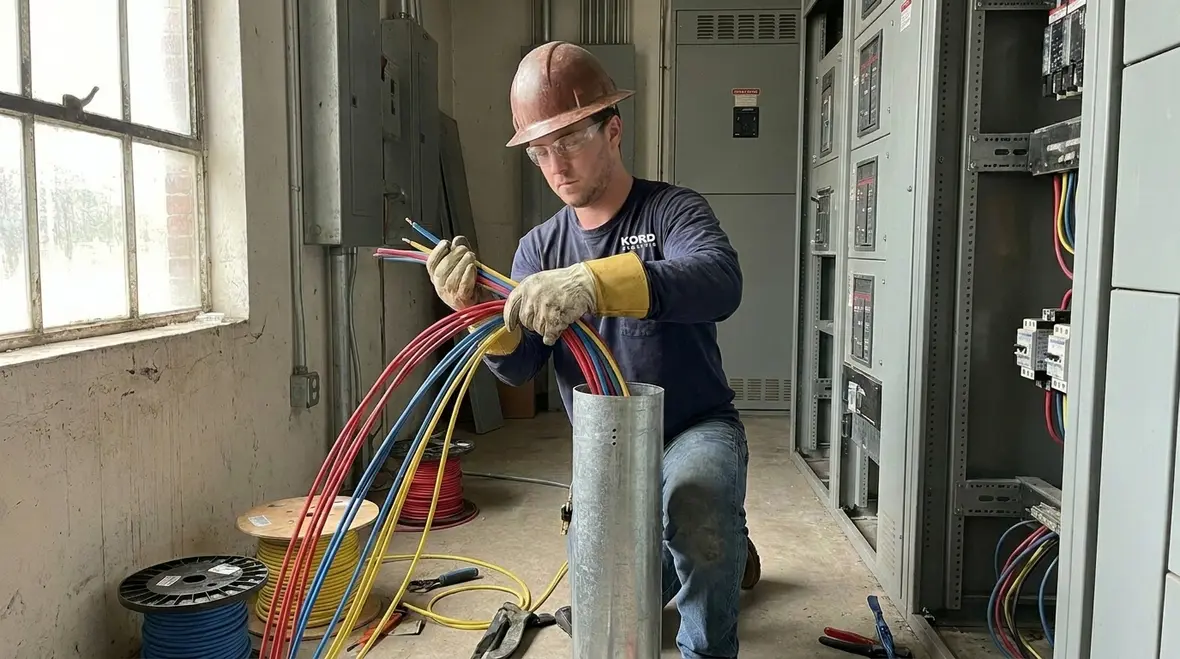
If a site needs major upgrades, we consider the full electrical picture, including distribution, panels, and the condition of conductors. We also look at how the load has changed over time due to tenant improvements, new equipment, and added demands. That is the kind of context that prevents “surprise rewiring” bills.
Our team also helps clients understand the cost drivers behind commercial rewiring decisions. For instance, the rewiring cost guide for commercial electrical systems we publish covers key factors such as electrical system complexity, access to wiring routes, the scope of the work, and the level of disruption required. In practical terms, we use similar thinking during field assessments, so our recommendations match both technical needs and operational realities.
And yes, disruption matters. People can tolerate a scheduled outage more easily than an emergency one. Therefore, downtime prevention for electrical systems includes planning around the building’s actual operating schedule and downtime tolerance.
Testing and documentation that facilities can act on
Proactive maintenance succeeds when it turns into clear decisions. So we build our approach around testing, observation, and documentation that facility teams can use. Our technicians inspect for wear, measure where needed, and compare results to expected performance.
Then we write up findings in business language. Instead of vague notes, we explain severity, potential impact, and recommended timing. For example, we may flag a component that can fail soon under load, while another issue might be stable enough for later scheduling.
To reduce risk, we also track trends. A single reading tells a partial story. Over time, repeated measurements reveal whether conditions are improving, stable, or worsening. That is where downtime prevention for electrical systems becomes measurable. It becomes a plan with checkpoints, not a one time visit.
Finally, we help clients prioritize work based on the building’s critical operations. A facility does not just need “good electrical.” It needs good electrical for its specific loads, processes, and occupancy profile.
What Kord Electric typically schedules
- Panel and distribution inspection for heat and wear
- Targeted electrical testing for key reliability points
- Cleaning, torque verification, and connection checks
- Grounding and bonding verification for safe operation
Why it matters to business uptime
- Lower chance of unexpected trips and shutdowns
- Less risk to critical equipment and production flow
- Fewer emergency callouts and rushed repairs
- Better planning for major upgrades like rewiring
Building a proactive plan with the right cadence
Every major property and industrial space runs differently. Some facilities handle heavy startup loads. Others run steady, but for longer hours. And that means the ideal maintenance cadence varies. We do not treat every site like the same textbook case.
First, we assess operational realities like runtime schedules, critical equipment, and how often power disturbances can be tolerated. Next, we consider system size, voltage levels, and the type of loads served. Then we help clients choose a cadence that balances reliability needs with budget discipline.
Our expert service staff also coordinates maintenance windows so work stays aligned with production and tenant operations. If a building can only spare short intervals, we plan accordingly. If a facility can take more time during planned shutdowns, we use that window for deeper work.
As a result, downtime prevention for electrical systems becomes a living plan. It adapts as equipment changes, loads shift, and equipment ages. And when we explain our reasoning, facility leaders can approve steps with clarity rather than hope.
For organizations that want a long view on uptime, Kord Electric also shares insight in resources like their article on commercial and industrial electrical maintenance plans, which pairs naturally with on-the-ground service visits.
FAQ
Conclusion: choose reliability before the outage chooses you
Kord Electric helps commercial and industrial facilities protect uptime through proactive electrical maintenance and clear, actionable reporting. We send expert technicians, explain findings in business terms, and help your team schedule repairs before failures disrupt production, services, or safety operations. If your facility depends on steady power, do not wait for the next alarm to start the real work. Contact Kord Electric today and build a maintenance plan that supports reliability, cost control, and calmer mornings.
For facilities ready to formalize their strategy, partnering with a dedicated provider through services like electrical preventive maintenance turns day-to-day fixes into a long term, data-driven program for protecting people, equipment, and operations.
If you are already seeing nuisance trips, warm panels, or unexplained shutdowns, now is the right time to move from reaction to strategy and give your team a clear path to stronger uptime.
Kord Electric’s commercial and industrial services are built for facilities that cannot afford guesswork, whether you need structured maintenance, help planning a rewiring project, or targeted support through their broader commercial electrical offerings.
Explore Kord Electric’s electrical preventive maintenance services to see how a tailored program can support your building’s specific loads, schedules, and risk profile.