Electrical Equipment Reliability Testing for Uptime
Electrical equipment reliability testing: the calm answer to a noisy grid
At Kord Electric, we rely on electrical equipment reliability testing to help commercial and industrial facilities keep power steady, safe, and predictable. In other words, we test the systems that run your operations before small issues grow into expensive outages. And while nobody wants to be the star of an emergency call, we still show up ready, with technicians who explain what we find in plain language.
Because the truth is simple. Your switchgear, transformers, and panels do not fail on schedule, and the grid rarely sends a warning email. Instead, it sends subtle clues, like heat, voltage swings, or intermittent faults. Then we step in, measure, and confirm whether your electrical assets stay dependable.
Why reliability testing matters in commercial and industrial buildings

Commercial and industrial power systems live hard lives. They support motors, drives, HVAC, controls, welding, refrigeration, and entire production lines. Consequently, electrical stress builds through normal operations and through the day to day reality of fluctuating loads. Over time, that stress can reduce insulation strength, loosen connections, and degrade components that look fine from the outside.
Regular electrical equipment reliability testing helps us spot those changes early. Instead of waiting for a failure to prove a problem, we verify condition. Then we help facility teams plan repairs during planned downtime, not during dinner, not during shift change, and certainly not during a live production run.
We also keep the focus where it belongs. Our service team supports commercial and industrial sites and major property buildings. We do not chase small residential work, because we understand the operational risk that comes with larger systems and critical loads. For the same reason, we take the testing results seriously and communicate them clearly.

What we test, and what it tells us about real health
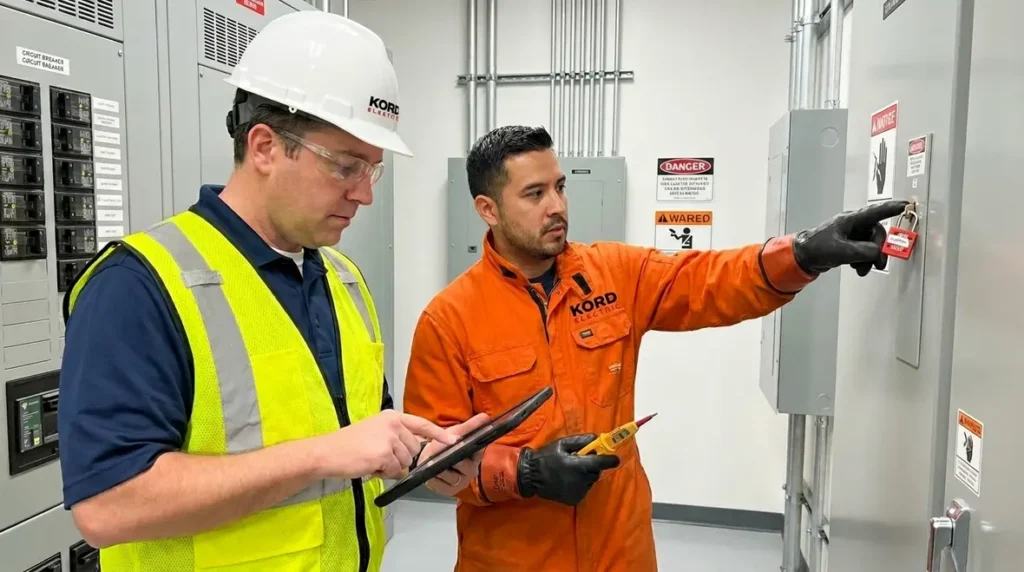
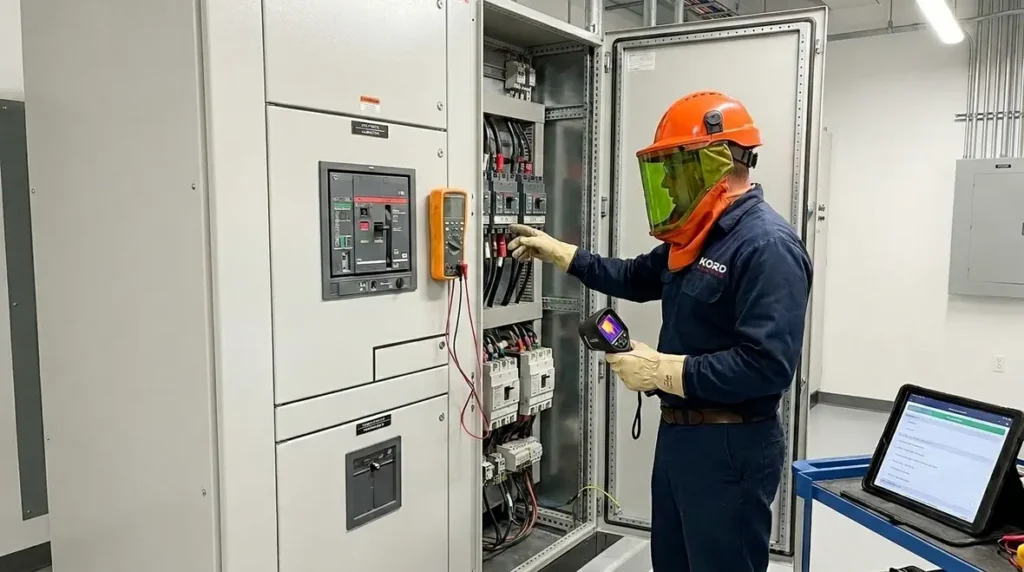
When our technicians perform reliability testing, they look for evidence of weakness, not just surface symptoms. First, we examine electrical equipment condition through targeted tests that align with how your system operates. Then we interpret the results in context, based on your assets, loading patterns, and installation history.
Here is what the testing effort typically reveals:
- Insulation and dielectric condition so we can detect breakdown risk before it becomes an arc event
- Connection integrity so we can find loose terminals and poor terminations that overheat under load
- Transformer health indicators so we can identify insulation aging and overheating behavior
- Switchgear and distribution performance so we can reduce the chance of nuisance trips or failure to operate
- Protective device behavior so breakers and relays respond as intended during abnormal conditions
Then, we translate the findings into practical next steps. We tell you what the test results mean for reliability, safety, and uptime. And yes, we do sometimes compare it to pop culture. Think of it like the “detective work” before the season finale. The failure does not happen first. The warning signs show up earlier, and we read them.

Voltage fluctuations: the hidden driver of equipment wear
Even when a facility seems stable, voltage instability can steadily stress components. If the voltage sags or spikes, equipment draws abnormal current, heating increases, and insulation ages faster than it should. This is not theoretical. In commercial and industrial settings, voltage fluctuations often come from load changes, upstream issues, or system impedance that varies with operating conditions.
Kord Electric tracks this reality using industry proven methods and practical measurement. For a deeper dive into this topic, our dedicated guide on voltage fluctuations in commercial and industrial facilities explains how these events affect sensitive gear, where they originate, and why the impact can show up as reduced reliability over time. We do not just point at the problem. We help teams connect the dots between measured voltage behavior and equipment stress.
To keep things simple, our approach works like this. First, we identify where voltage issues appear. Next, we measure and document the behavior. Then, we correlate it with the equipment most likely to suffer. Finally, we recommend corrective actions that reduce risk and protect operational continuity.
And just to keep the mood human, we will say this. Voltage fluctuations are like a bad Wi Fi signal. You can “sort of” work through it for a while, until one day the whole system loses the plot. We prefer not to wait until that day.

How proactive testing reduces downtime risk and protects safety
When a power system fails, the impact rarely stays inside the electrical room. It reaches production, temperature control, communications, and sometimes customer service. However, proactive electrical equipment reliability testing shifts the story from reaction to planning.
Our technicians focus on reliability outcomes that matter to building owners and operators. That includes reducing unexpected outages, preventing cascading faults, and improving the odds that protective devices act correctly during disturbances. In addition, condition based results support smarter maintenance budgets, because you fund what you need rather than replacing everything “just in case.”
Safety also improves. Faults can create arc flash risk, especially when connections degrade or when insulation weakens. Regular testing helps our team uncover problems before they generate dangerous thermal events. Then we coordinate follow up actions with facility schedules and operational requirements.
We also communicate with clarity. Others may drop a report and leave you to interpret it. We do not. Our service staff walks facility leaders through what we found, why it matters, and what decisions to make next. This reduces confusion and helps the team move faster.
Planning a reliability testing schedule that fits operations
Not every facility runs on the same cycle. For that reason, we help each commercial and industrial site set a testing rhythm that matches actual risk. We consider equipment age, operating load profile, historical issues, and environmental conditions. Then we recommend intervals and testing scope that keep your electrical assets dependable without disrupting the work you pay them to do.
In many cases, we start with a baseline. That gives us a clean reference point. From there, we can track change over time. Consequently, maintenance teams gain trend awareness, and engineers get better data to plan upgrades or corrective work.
We also factor in event driven triggers. For instance, if a facility experiences repeated trips, voltage instability, equipment replacement, or unusual heating reports, we may expand the testing scope. In other words, we test more when the system asks for it.
And yes, there is a little wisdom here. If you only check when something breaks, you will eventually pay the “broken” tax. We aim to keep you out of that situation. We test before the grid throws its tantrum.
Tying reliability testing into preventive maintenance
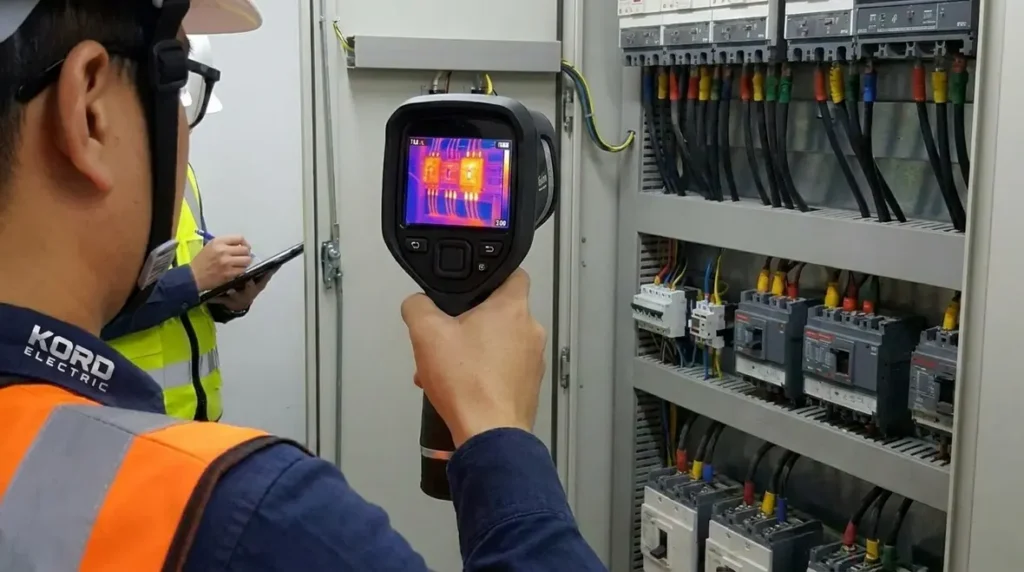
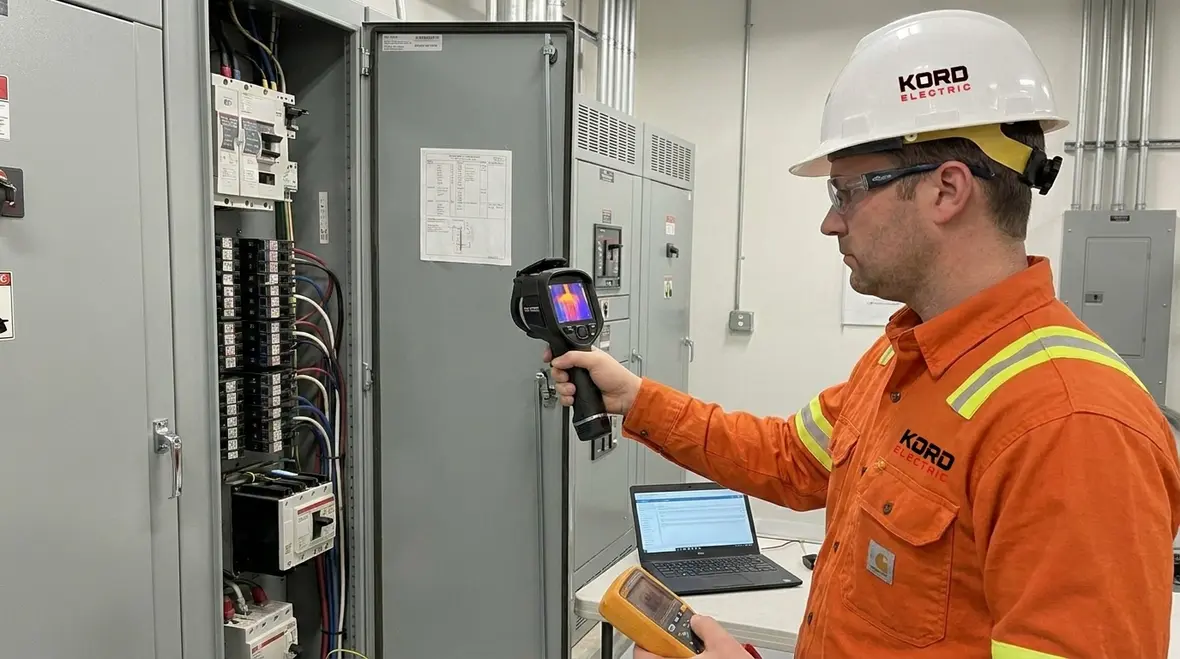
Reliability testing does some of its best work when it lives inside a structured electrical preventive maintenance program. Many commercial and industrial properties combine periodic testing, thermal scans, and documented inspections into a single plan so that nothing falls through the cracks between service visits.
If your facility is formalizing its strategy, resources like Kord Electric’s guide to electrical preventive maintenance and our blog on commercial and industrial electrical maintenance plans show how scheduled inspections, testing, and reporting come together to support long term system health.
What our technicians say after testing: clear results, practical next steps
After we complete reliability testing, our technicians do more than deliver numbers. We explain the results, and we connect them to the equipment that supports your daily operations. That way, the conversation stays grounded in real business impact.
In our process, we typically deliver findings in a structured format and then review them with your team. Then we recommend actions with priority levels. For example, urgent items might involve connections showing thermal risk, components with insulation concerns, or protective settings that do not align with system behavior. Meanwhile, lower priority findings often support longer range planning and targeted maintenance.
Importantly, we focus on commercial and industrial facilities and major property buildings. That focus matters because the consequences of downtime are bigger, and the systems often include more complex distribution layouts. We know how those environments operate and we speak to the needs of the people who keep them running.
When you work with us, you get a calm, reliable partner. Think less “panic,” more “plan.” And if anyone tries to sell you a one size fits all approach, we recommend you walk away. Electrical assets do not behave like a generic product catalog.
FAQ
Invest in reliability testing now, and keep your operations steady
Commercial and industrial sites run on uptime, and electrical assets age quietly. When you schedule electrical equipment reliability testing with Kord Electric, you get clear insights before problems reach production, safety, or customer impact. Our technicians review results in plain language and guide next steps with practical priorities. If you want a calmer power system and fewer surprise outages, contact us today. We will help you build a testing plan that fits your equipment, your schedule, and your risk level.
If you are ready to treat reliability as a strategy instead of a guess, consider pairing testing with a structured service like our dedicated electrical preventive maintenance programs. These commercial and industrial services turn one time testing into an ongoing protection plan for your critical electrical assets.