Electrical Fault Diagnostics for Manufacturing Uptime
Rapid electrical fault diagnostics for manufacturing uptime: what Kord Electric delivers
At Kord Electric, we focus on keeping commercial and industrial facilities running, because downtime does not just cost money, it steals time from production, maintenance windows, and customer commitments. When issues show up, our team provides electrical fault diagnostic services for manufacturing that help identify the real cause, not just the visible symptom. That means faster containment, fewer repeat failures, and a smoother path back to full capacity.
And yes, we know how it goes. A plant alarm screams, someone resets a breaker, the lights come back on, and everyone high fives like the universe is fixed. Then, a shift later, the same problem returns. We do not treat it like a mystery novel with a slow reveal. We treat it like a job site issue that demands real answers.
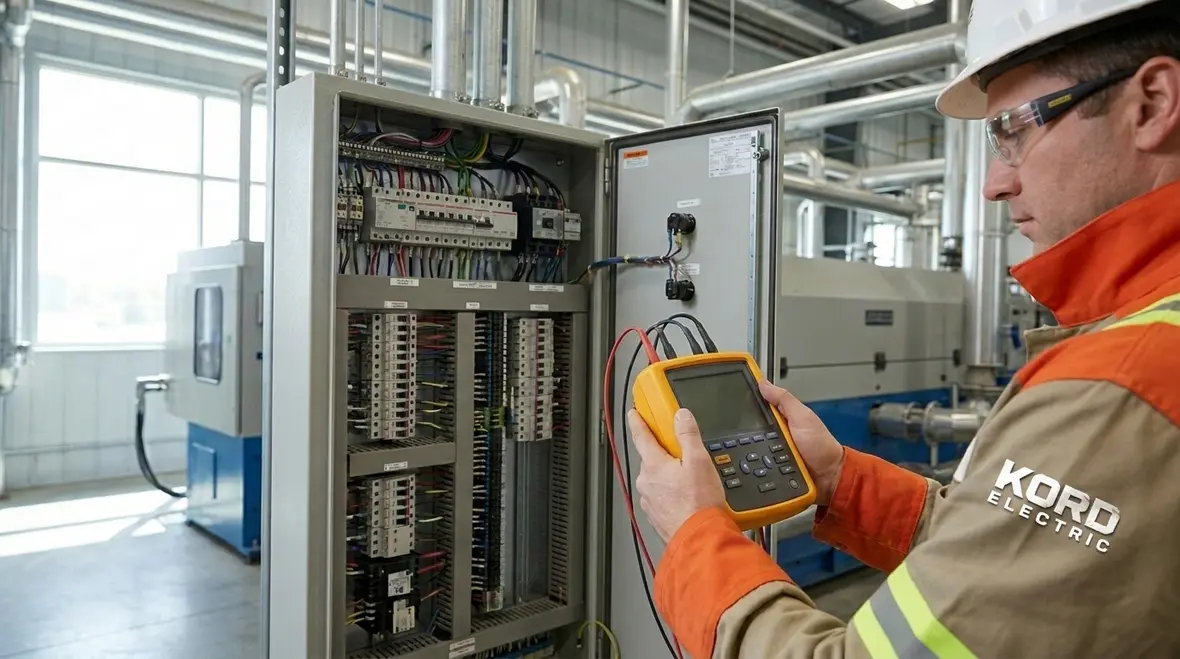
Across Southern California’s commercial and industrial sites, plant managers do not just ask, “Can you get the power back on?” They ask, “Can you tell us why this happened and how to keep it from happening again?” That is where a disciplined diagnostic approach beats trial and error every time. Instead of swapping parts until something works, our technicians build a clear picture of the fault so your operations team can make decisions based on facts.
For facilities that pair diagnostics with structured maintenance, that picture gets even sharper. When you connect real-time fault investigation with ongoing programs like Kord Electric’s electrical preventive maintenance services, you do more than fix what failed today. You strengthen the backbone of the system that supports tomorrow’s production goals as well.
Why swift fault detection keeps production stable
In manufacturing environments, electrical systems act like the invisible backbone of the operation. When a fault begins, it often starts small. However, it can cascade into motor failures, damaged drives, nuisance trips, lost control power, and even safety risks. Therefore, electrical fault diagnostic services for manufacturing help companies catch the root problem early, before it spreads.
Our technicians work with a steady mindset. First, they confirm what changed, when it changed, and what loads were active. Then, they narrow the hunt to specific components such as panels, feeders, transformers, grounding systems, switchgear, and VFDs. As a result, the plant gets fewer surprises and more dependable uptime.
In plain terms, rapid diagnostics reduce guesswork. And guesswork is expensive. It is like paying for premium coffee and getting instant. Technically it works, but it is not what you paid for, and it never tastes quite right.
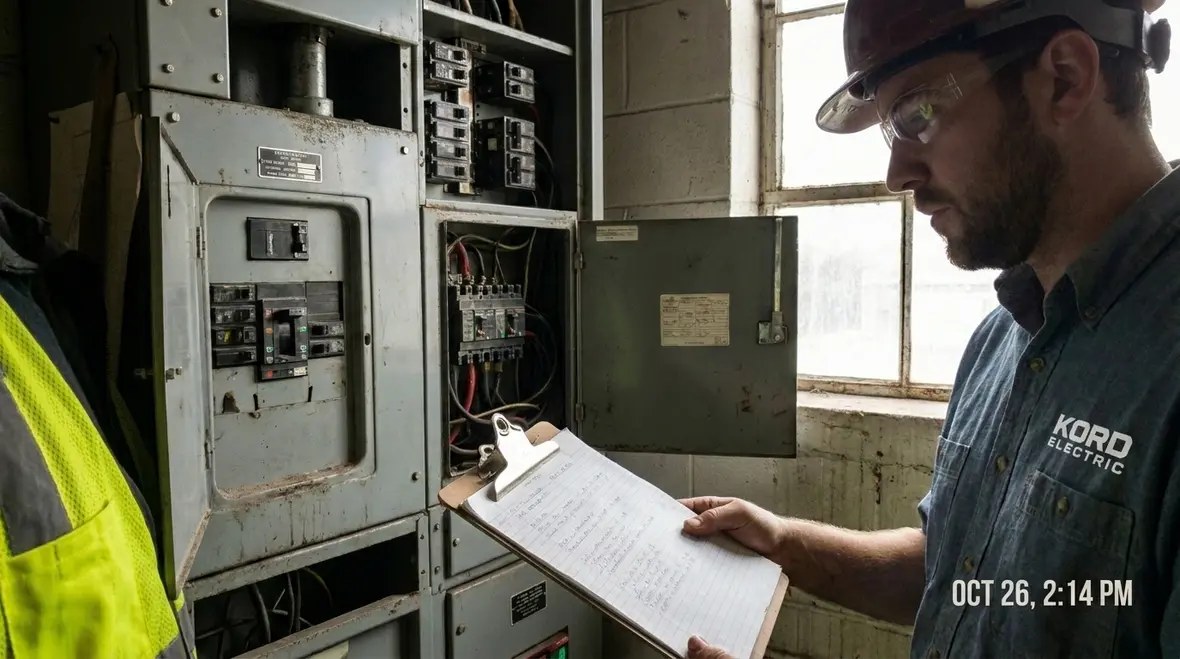
Swift detection also helps defend equipment against hidden damage. Voltage dips, imbalance, and transient faults can quietly punish transformers, motor windings, and power electronics long before a total failure occurs. By catching these issues early, your facility avoids the slow accumulation of stress that turns into sudden breakdowns at the worst possible time, like mid-production or during a critical shipment window.
What fails first in industrial power systems
People often picture faults as dramatic events. In reality, many industrial problems begin as gradual degradation. Over time, insulation wears, connections loosen, harmonics stress equipment, and moisture or contamination sneaks into enclosures. Eventually, the system crosses a threshold and triggers protection devices.
Our expert service staff explains the common failure points in a way that operations teams can use immediately. Typically, investigations start with the protection and power path:
- Switchgear and breakers that trip due to imbalance, ground faults, or internal arcing
- Transformers showing abnormal temperature rises or insulation breakdown symptoms
- Motor circuits with recurring ground faults, phase loss, or bearing related electrical noise
- VFD and control power problems driven by harmonics, configuration issues, or failing components
- Grounding and bonding weaknesses that turn small problems into major shutdowns
Then, our team connects the dots with field evidence. We look at what the logs record, what protection schemes indicate, and how the physical setup matches the symptoms. Because in industrial settings, the wiring story always tells the truth, if we ask the right questions.
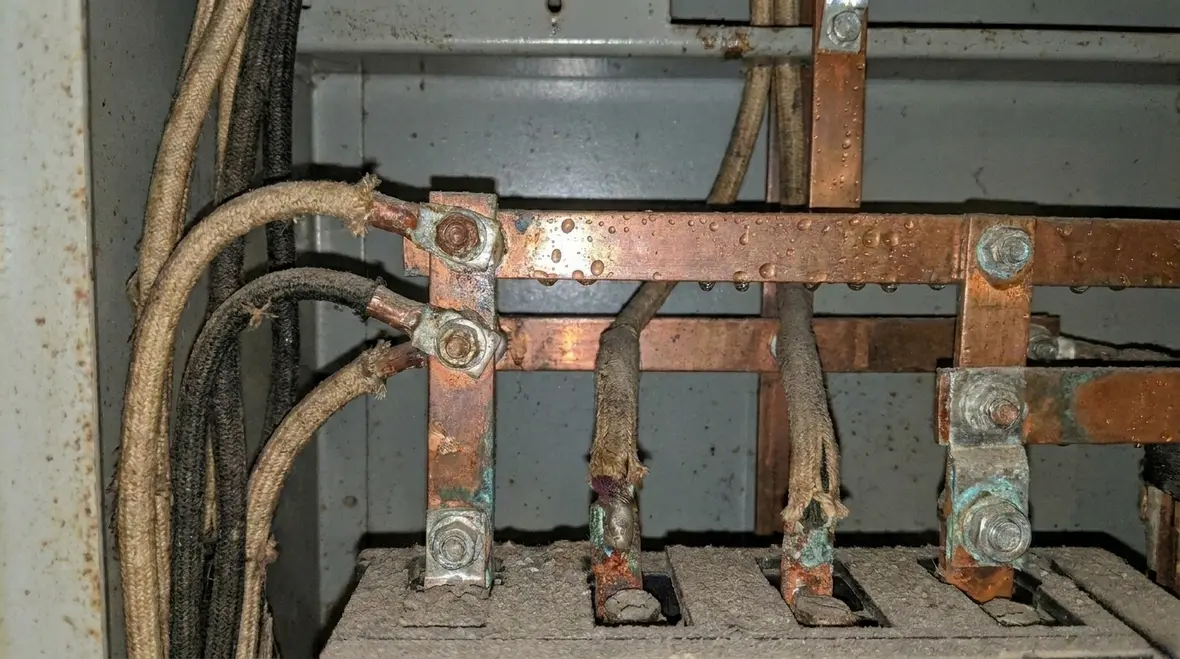
In facilities that have already seen voltage swings, flickering, or unexplained motor issues, these same failure points often overlap with power quality problems. That is why many commercial and industrial teams connect fault diagnostics with targeted services like Kord Electric’s voltage fluctuation diagnostics and repair, so they can stabilize the power backbone while tracking down specific faults.
How our technicians run a fault investigation, step by step
When a fault interrupts operations, our approach stays methodical. We do not jump straight to replacement parts. Instead, we build a clear timeline and test in a logical order. That keeps the process fast and reduces repeat breakdowns.
Here is how our technicians typically run the diagnostic flow:
- Collect evidence by reviewing alarm history, trip codes, maintenance records, and event timing
- Inspect the electrical path with visual checks of panels, terminations, busbars, and cable conditions
- Verify power quality when applicable, because voltage dips, harmonics, and imbalance can trigger equipment stress
- Test targeted components using appropriate field and diagnostic tools so results stay grounded in data
- Confirm root cause through correlation of findings with observed symptoms and protection behavior
- Recommend a fix that lasts with clear scope, risks, and a path to prevent recurrence
Just as important, we explain what we find. Our expert service staff does not talk like a textbook. They speak like people who have been on the floor during real production interruptions. That way, facility managers understand why we recommend each next step and how it impacts uptime.
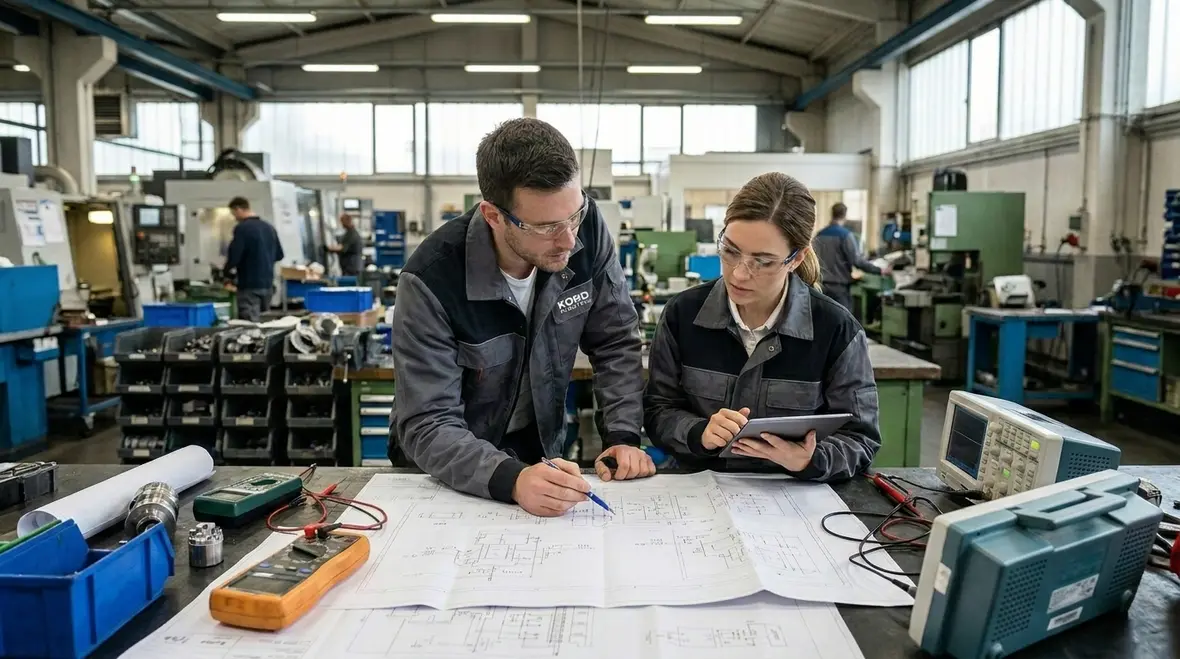
Because diagnostics often reveal broader system trends, we frequently pair our findings with recommendations for ongoing care. For facilities that want a long-term plan, that can mean stepping into a structured program like our commercial and industrial electrical maintenance plans, so the same problems do not reappear under a different name six months later.
Why the root cause matters more than the reset
Resetting a breaker can restore power in the moment. Yet reset alone does not cure insulation damage, a failing connection, or a developing grounding issue. If others treat every trip like a “power cycle,” the system loses a chance to recover safely and efficiently.
For commercial and industrial facilities, repeat faults often come with hidden costs. You get additional maintenance labor, longer downtime, parts that fail early, and even unplanned delays for scheduled work. Plus, repeat events can force a facility into reactive decisions that reduce quality and increase risk.
Our team helps prevent this pattern by focusing on root cause analysis and practical corrective actions. In other words, we aim to stop the problem from coming back like a sequel nobody asked for. Nobody wants a Part Two on a fault that should have ended after diagnosis.
Reducing downtime with smart containment and clear recommendations
Once diagnostics confirm what is wrong, Kord Electric supports faster decision making. We help coordinate containment so the facility can protect personnel and keep critical loads stable during repair planning.
Our recommendations usually include a mix of immediate action and longer term prevention. For example, we may identify a component that needs correction now, then outline what additional checks reduce future risk across related equipment. Also, we make sure the recommendations align with the facility’s maintenance style, whether that means a shutdown window, staged repairs, or targeted replacement.
In addition, our team provides documentation that helps others manage compliance and future troubleshooting. That matters in major property buildings and industrial sites where responsibilities shift between shifts, vendors, and maintenance teams.
Common myths about industrial electrical fault troubleshooting
Let’s clear the air with a few myths we hear on site. First myth: “If it trips, the breaker is bad.” Sometimes it is, but many trips happen because something else caused the breaker to do its job. Second myth: “It is probably a power outage.” Maybe, but power quality issues still need proof. Third myth: “We already reset it, so the problem is solved.” That is like saying a leaking pipe is fixed because you turned off the tap.
Instead, we urge others to treat faults as signals. Protection devices do not fail quietly; they react to electrical conditions. Therefore, rapid diagnostics and electrical fault isolation matter because they translate alarms into actionable findings. And when we explain the results in plain language, facility teams can make confident choices, not rushed guesses.
FAQ
Frequently asked questions about electrical fault diagnostic services for manufacturing
When you need answers, not resets, call Kord Electric
If electrical faults threaten your schedule, Kord Electric is ready to help you restore uptime with clear diagnostics and practical corrective actions. Our technicians bring calm process, evidence based testing, and expert explanations so your team can act fast and avoid repeat failures. For commercial and industrial facilities and major property buildings, we help you protect critical systems while reducing downtime. Reach out today and let us map the issue, confirm the root cause, and get your operation back on track.
For facilities that want a broader reliability strategy around their fault diagnostics, pairing our investigative work with dedicated services like electrical preventive maintenance programs and voltage fluctuation correction for commercial and industrial facilities creates a complete path from emergency response to long term stability.
Whether you are dealing with nuisance trips on a single line or complex issues across an entire manufacturing campus, Kord Electric’s commercial and industrial team is built to support you—from first alarm to final sign-off.