
Electrical Power Distribution Optimization for Offices
Efficient Electrical Power Distribution Starts With Real Planning
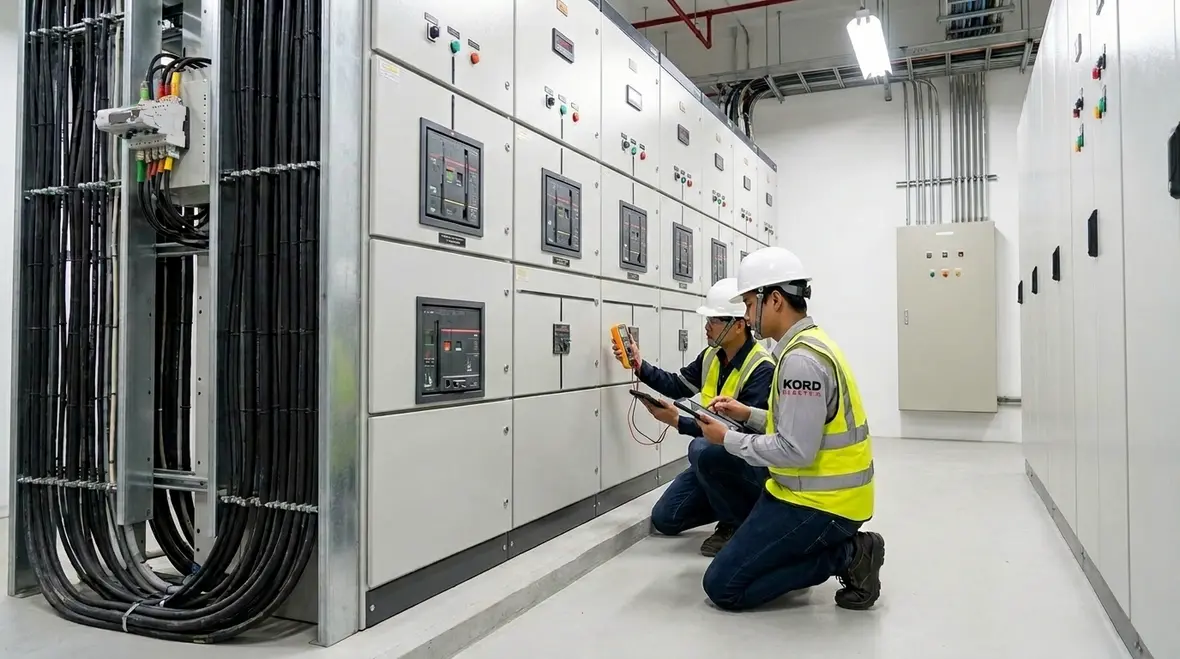
At Kord Electric, we focus on electrical power distribution optimization for offices in high traffic commercial spaces, because the lights, HVAC, elevators, servers, and charging stations do not care about downtime or budgeting excuses. We build power paths that hold up under real load, then we test, tune, and document everything so facility teams can trust what they see in the field. In the introduction, our goal is simple: we help offices and major property buildings move power the right way, to the right place, at the right time. And yes, that means fewer surprises, fewer voltage complaints, and fewer late night “why is the breaker tripping again” moments. Others can sell cables. We help protect the entire power system.
What We Optimize in High Traffic Office Buildings
Third person view or not, the truth stays the same: office power fails in predictable patterns. Kord Electric identifies where stress accumulates first, then we fix the route and the behavior. For electrical power distribution optimization for offices, we concentrate on these areas so performance stays steady when occupancy spikes, tenants add equipment, or operating schedules change.
- Service entrance capacity and spare margin so loads grow without pushing protective devices into constant “almost trip” territory
- Distribution hierarchy meaning feeders, panels, busways, and transformers work together rather than fight each other
- Panel and circuit zoning so critical loads like life safety and communications stay stable during common surges
- Harmonics and power quality from drives, chargers, and modern IT gear that can heat conductors and annoy sensitive equipment
- Voltage regulation to keep equipment within usable limits during peak demand
Then we do something that many companies skip. We explain the system in plain terms. Our technicians and experienced service staff walk facility managers through what we measured, what we corrected, and why it matters to the building’s daily rhythm. They can talk like experts and still sound like people. That is how trust gets built, one measurement at a time.
For leaders who want to understand how office infrastructure ties into the rest of a modern building, our team often connects this work with broader system insights similar to those in our overview of commercial electrical systems for modern buildings, so every decision fits into a bigger, clearer picture.
Load Studies and Modeling: The Part Before Anyone Starts Digging
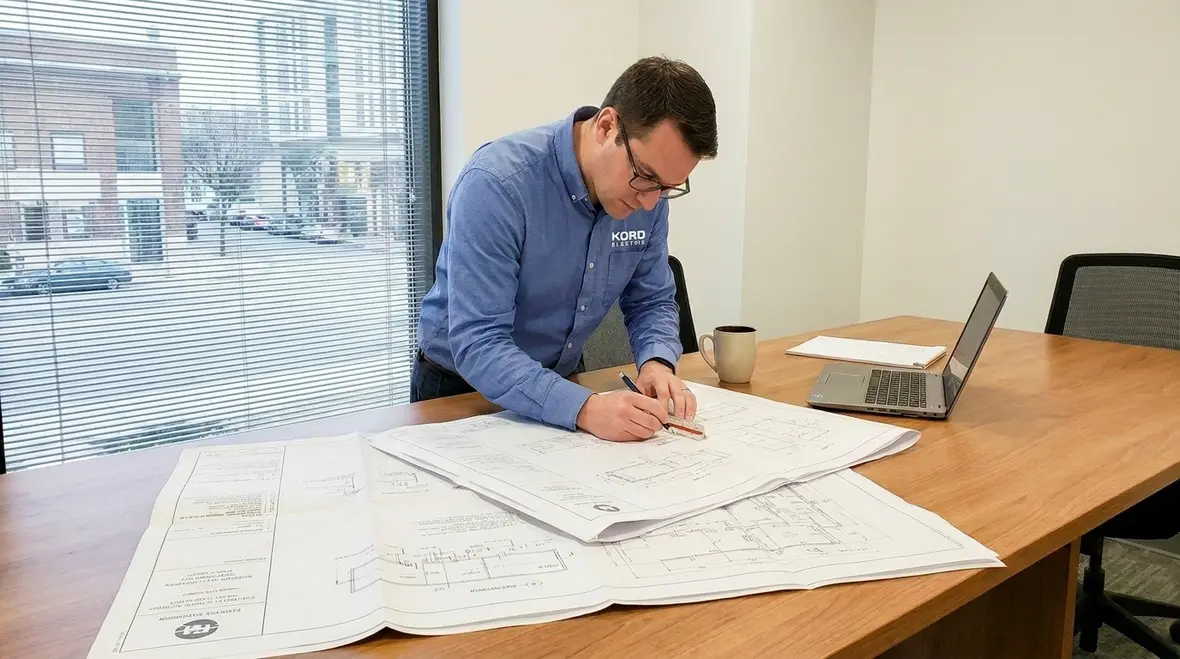
When a commercial or industrial building runs 10 different tenants, 3 shift schedules, and a growing list of plug in devices, guessing stops being helpful fast. Kord Electric begins with load studies and practical modeling. We collect data from the field, review electrical one line drawings, then we map demand patterns that match actual operation. Next, we simulate power flow and protective device behavior to forecast what happens at peak loads, during equipment startup, and when faults occur.
To keep this process calm and useful, we translate results into actions. For example, if modeling shows a voltage drop that tightens up at maximum demand, we adjust feeder sizing, rearrange distribution groups, or improve transformer taps. If we spot harmonic distortion that can raise heating and nuisance tripping risk, we plan mitigation through filtering or device selection that fits the building type.
Also, we do not treat every building like a cookie cutter. A major property office tower with constant IT loads behaves differently than a facility with seasonal tenant turnover. Therefore, our electrical power distribution optimization for offices accounts for occupancy patterns, mechanical run cycles, and future tenant expansion plans. It is less like guessing, and more like reading the building’s schedule.
When optimization reveals deeper infrastructure limits, we can also align recommendations with long term planning similar to the strategies in our rewiring cost guide for commercial electrical systems, so short term improvements do not conflict with future upgrades.
Balancing for Peak Demand Without Making Everyone Pay the Price
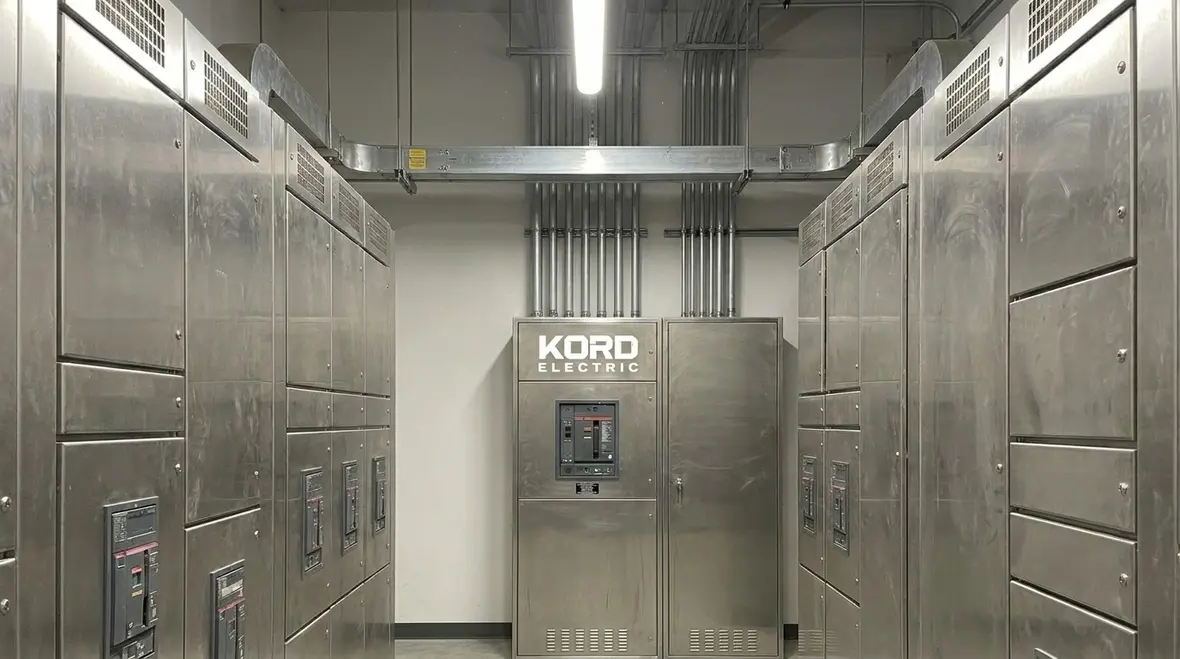
High traffic offices often experience “stacked peaks,” where lunch rush meets HVAC recovery and equipment startups. That is when imbalance and poor distribution design turn small problems into big ones. Kord Electric focuses on balancing loads across phases and minimizing stress in distribution components. We check current loading per phase, then we refine how circuits connect to panel sections and busways.
We also pay attention to the protective coordination. When breakers, fuses, and relays coordinate correctly, a fault stays local instead of traveling across the building like a bad rumor. Our technicians verify settings and confirm selective tripping where needed, especially for circuits that feed critical functions such as life safety systems, security, and key communications.
And because we like keeping things honest, we explain tradeoffs with facility staff instead of hiding behind jargon. For example, higher efficiency distribution may reduce heat and improve operating cost, but the team also needs to understand how that choice impacts maintenance and inspection schedules. We walk them through it step by step. If electrical design were a movie, we make sure the audience knows what is happening before the explosion scene.
For facilities dealing with coastal conditions, stacked peaks, and environmental stress at the same time, our office strategies often tie into the coastal practices outlined in our Santa Monica electrical safety guide for coastal properties, to keep power stable even when the environment adds extra pressure.
Power Quality, Harmonics, and the Quiet Heat Problem
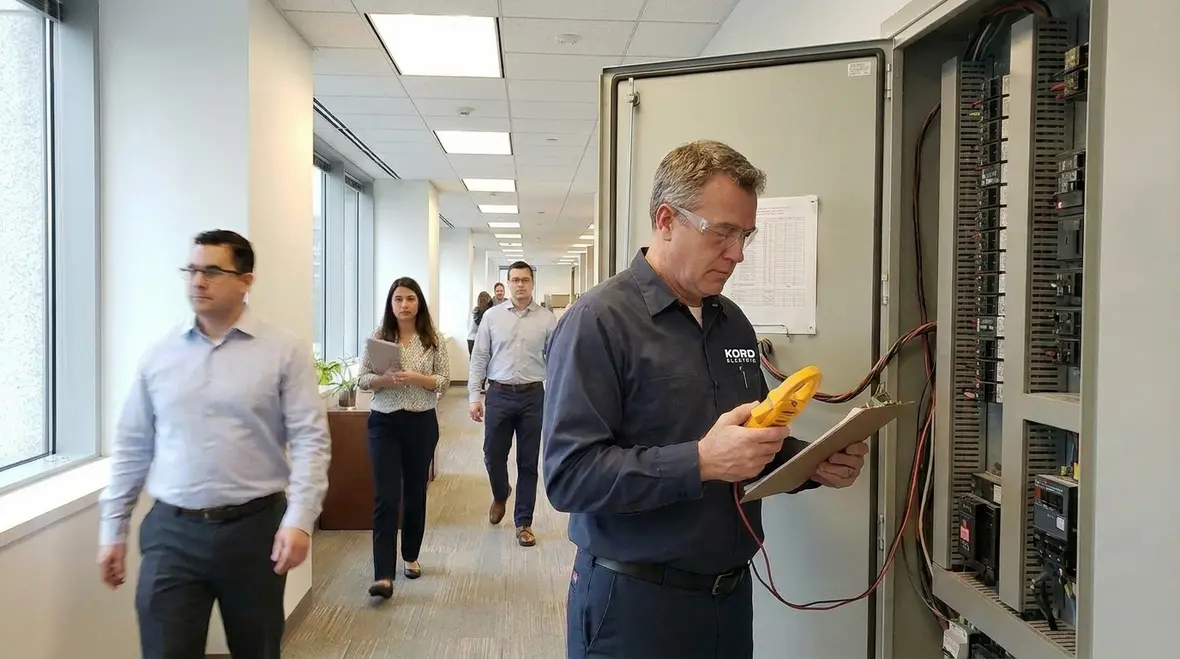
Modern office equipment quietly changes the electrical environment. Variable speed drives, LED drivers, data center gear, and EV charging can create harmonic currents that increase losses, raise conductor temperatures, and reduce equipment life. While the building may “look fine,” the power system can accumulate damage over time.
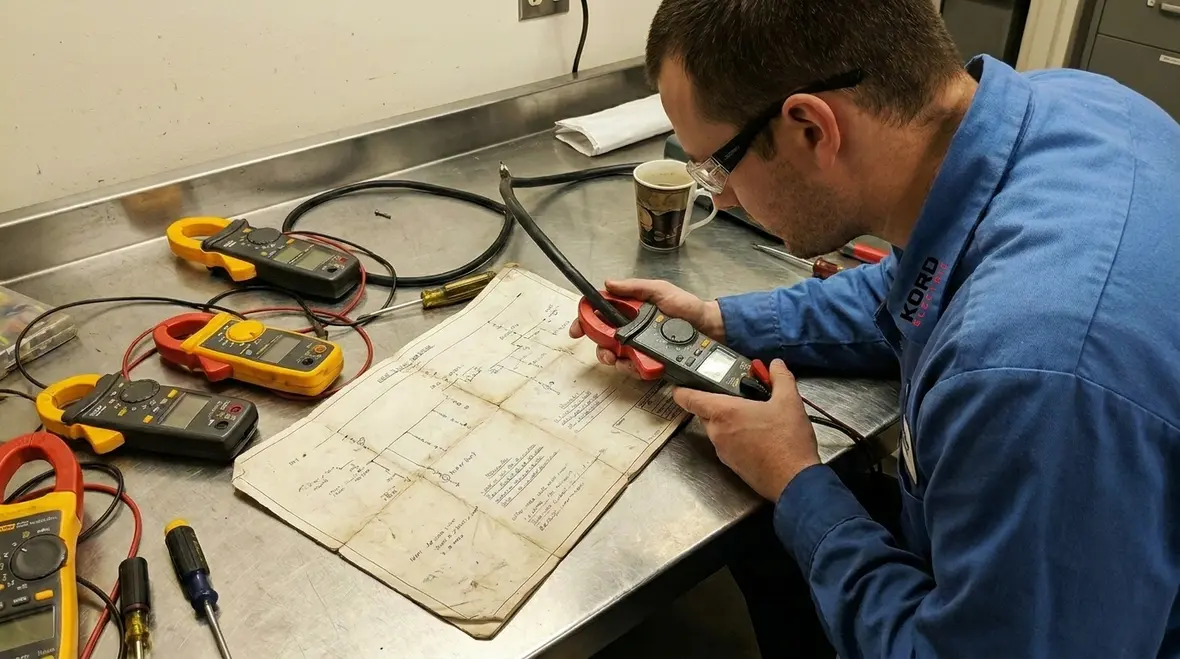
Kord Electric conducts power quality assessments, then we act on what the readings show. We measure voltage THD, current distortion, and frequency stability, and we review how loads connect to the distribution network. After that, we recommend solutions that fit commercial and industrial use, not generic assumptions.
- Filtering strategies to reduce harmonic impact where sensitive equipment exists
- Device selection that matches building load profiles and avoids overdriving distribution components
- Grounding and bonding checks to prevent stray currents from turning into nuisance heating
- Phase and load management so distortion does not concentrate in one section
Our service staff then explains outcomes in practical terms. They connect power quality results to what the building actually experiences, such as unexpected breaker behavior, equipment derating, or reduced reliability. And yes, we sometimes tell a joke during walkdowns, like “harmonics are the uninvited guests that overstay their welcome.” Then we get back to business, because the uninvited guests usually pay the bill in equipment replacement.
For offices with dedicated server rooms or onsite computing, we often coordinate these power quality strategies with best practices from our data center electrical infrastructure essentials article, keeping both spaces aligned under one coherent electrical strategy.
Protection, Metering, and Monitoring for Faster Response
Even the best design cannot remove every problem from reality. What we can control is how fast the building identifies issues and how efficiently teams respond. Kord Electric improves distribution optimization for offices by adding the right layer of protection, metering, and monitoring so faults and abnormal conditions do not hide until a tenant complains.
We help facilities with:
- Arc flash and safety reviews tied to actual equipment ratings and work procedures
- Better metering coverage for demand, energy, and load distribution trends
- Data driven maintenance planning based on measured conditions rather than calendar guesswork
- Alarm thresholds tuned to balance early warning with avoiding constant false alerts
In major property buildings, downtime costs more than people admit. Therefore, we support operational readiness by coordinating with facility schedules and tenant constraints. Our technicians explain what data means, how to interpret trends, and when to escalate. That keeps response tight and reduces disruption. In other words, we help turn “sometime later” into “now, with clarity.”
Many of these monitoring and protection practices pair naturally with structured service programs similar to our commercial and industrial electrical maintenance plans, giving office portfolios an ongoing framework instead of one time fixes.
How We Roll Out Improvements With Minimal Disruption
Commercial and industrial clients often want results without shutting down floors, delaying move ins, or interrupting mechanical operations. Kord Electric plans improvements like we respect the building’s clock. We start by confirming where work can happen safely, then we sequence tasks to reduce downtime windows.
Our approach typically includes:
- Phased implementation so critical circuits remain protected while upgrades proceed
- Coordination with electricians and facility leadership to match permitting, access, and scheduling
- Testing and commissioning after changes, including verification of protective device performance
- Documentation handoff that supports ongoing maintenance and future tenant work
Also, we provide clear explanations during and after the work. Our experts describe what changed, how it affects performance, and what staff should watch for over the next operating cycles. We keep the tone professional, but never robotic. Think calm authority, like a steady voice over a stressful situation. Then we make sure the building stays productive, not parked.
FAQ
Ready to Stabilize Power in Your Building?
If a major property building carries heavy loads, growing tenant needs, and real daily peaks, it deserves more than guesswork. Kord Electric provides electrical planning and field verified work that strengthens power distribution for commercial and industrial facilities. Our technicians and expert service staff explain findings clearly, then they implement improvements with careful sequencing and solid testing. If you want fewer surprises and steadier performance, reach out to us for an assessment and a practical roadmap.
For buildings considering broader upgrades while optimizing distribution, our rewiring cost guide for commercial electrical systems is a useful companion resource, helping leaders line up short term optimization with long term capital planning.
If your offices share infrastructure with kitchens, labs, data rooms, or high demand specialty areas, you can also explore related services like commercial kitchen electrical upgrades and wiring to keep every part of the building aligned under one reliable power strategy.
When you are ready to align electrical power distribution optimization for offices with a complete service plan, Kord Electric’s commercial and industrial services team can help you map out assessments, phased improvements, and ongoing maintenance across your portfolio.


