Commercial Kitchen Electrical Capacity Upgrade
When a commercial kitchen adds new equipment, the biggest question is not “will it work,” it is whether the commercial kitchen electrical capacity upgrade has kept pace. At Kord Electric, we support restaurants, hotels, schools, hospitals, and other major property buildings by matching electrical service, distribution, and safety to real load growth. In other words, we help businesses move from “it turns on” to “it runs all day without drama.” And yes, that includes the kind of drama that shows up right when the lunch rush hits, like a pop quiz you definitely did not study for.
Quick check: why capacity often fails during upgrades
Many owners plan kitchen growth like a shopping trip, then discover the power plan did not come with the same urgency. Electrical capacity can fail for several practical reasons. First, new equipment such as induction ranges, convection ovens, undercounter refrigeration, dishwashers, and ice machines can draw more current than existing circuits handle. Second, even if the main service looks “big enough” on paper, the distribution may be old, undersized, or missing updated breaker coordination. Third, poor load diversity assumptions lead to surprises during peak cycles when multiple appliances run at the same time.
So, others see flickering lights, tripped breakers, overheated conductors, and nuisance shutdowns. Meanwhile, the equipment itself may show faults or perform poorly because voltage drops under load. Consequently, a kitchen that should operate like a well rehearsed band turns into a patchy karaoke night. And unlike karaoke, you cannot fix it by turning down the volume.

Electrical load planning for commercial kitchens
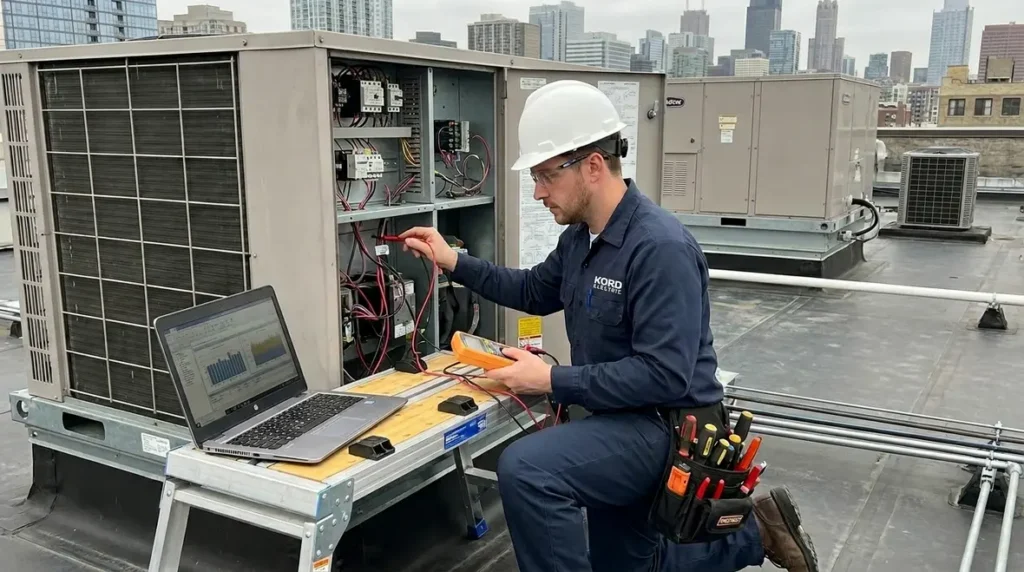
When Kord Electric evaluates electrical readiness, we focus on real operating loads, not guesses. Our technicians review the equipment list and typical cook cycles, because load is not just “maximum nameplate.” Instead, they consider duty cycle, simultaneous operation, and start up surge, especially for motors and compressors. Then they check circuit amperage, breaker ratings, feeder size, conductor condition, and voltage drop.
To make this practical, we walk owners through the process in plain language. Our expert service staff explains what the current electrical system can carry, where it is tight, and what must change to keep it safe. Because in commercial and industrial facilities, safety and reliability are not optional. They are the baseline.
What we inspect before recommending a capacity upgrade
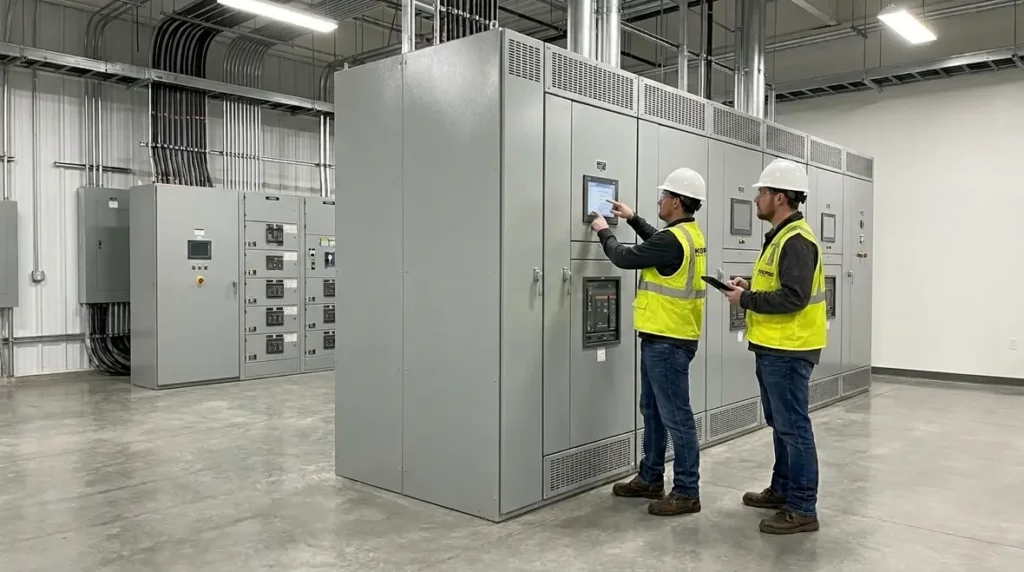
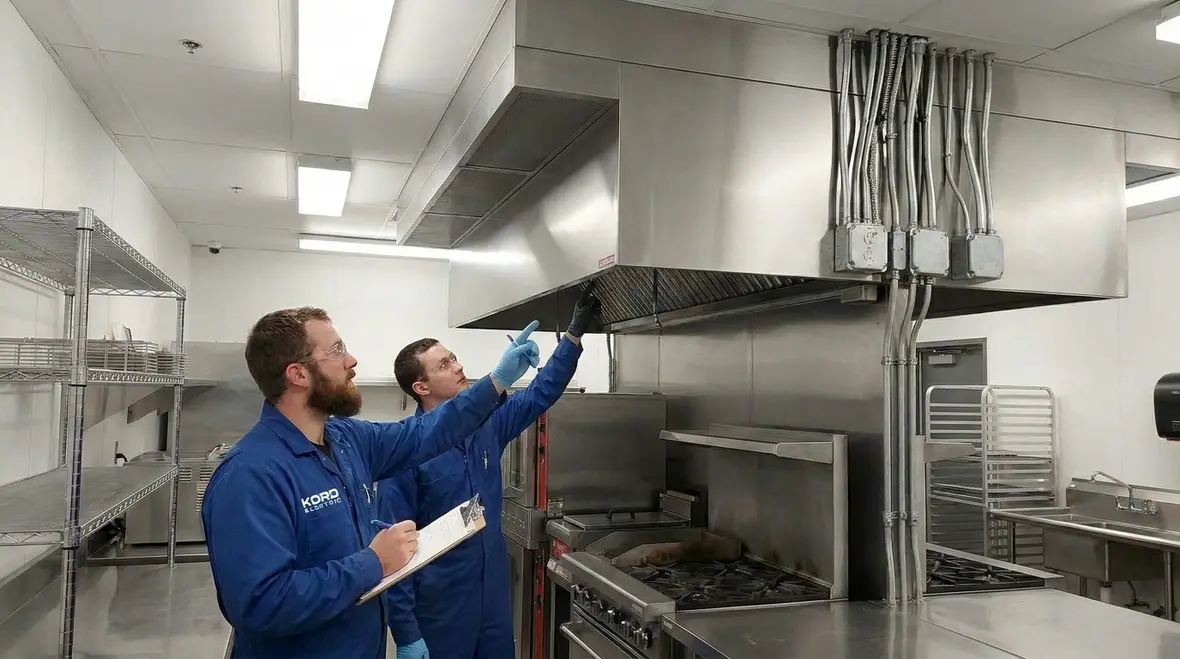
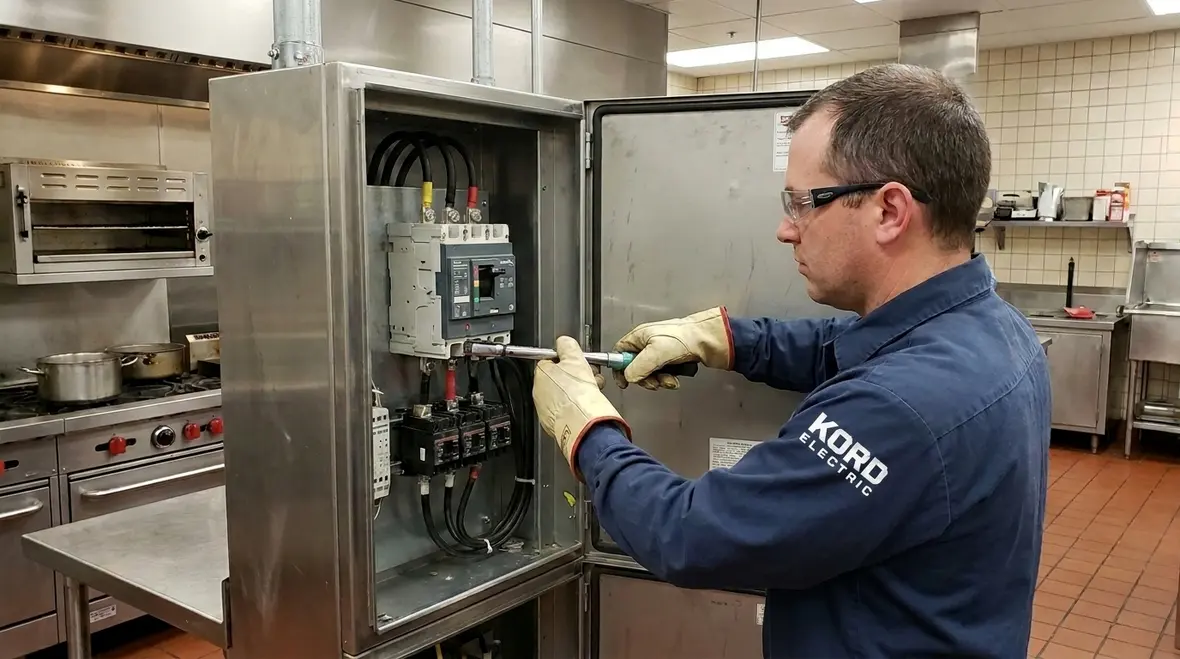
Before we suggest any commercial kitchen electrical capacity upgrade, we verify the existing system can support kitchen demand. Our field work typically includes the main service and distribution gear, including switchboards, panels, and subpanels feeding kitchen loads. We also examine busbar capacity, breaker condition, torque integrity where relevant, and the layout of branching circuits.
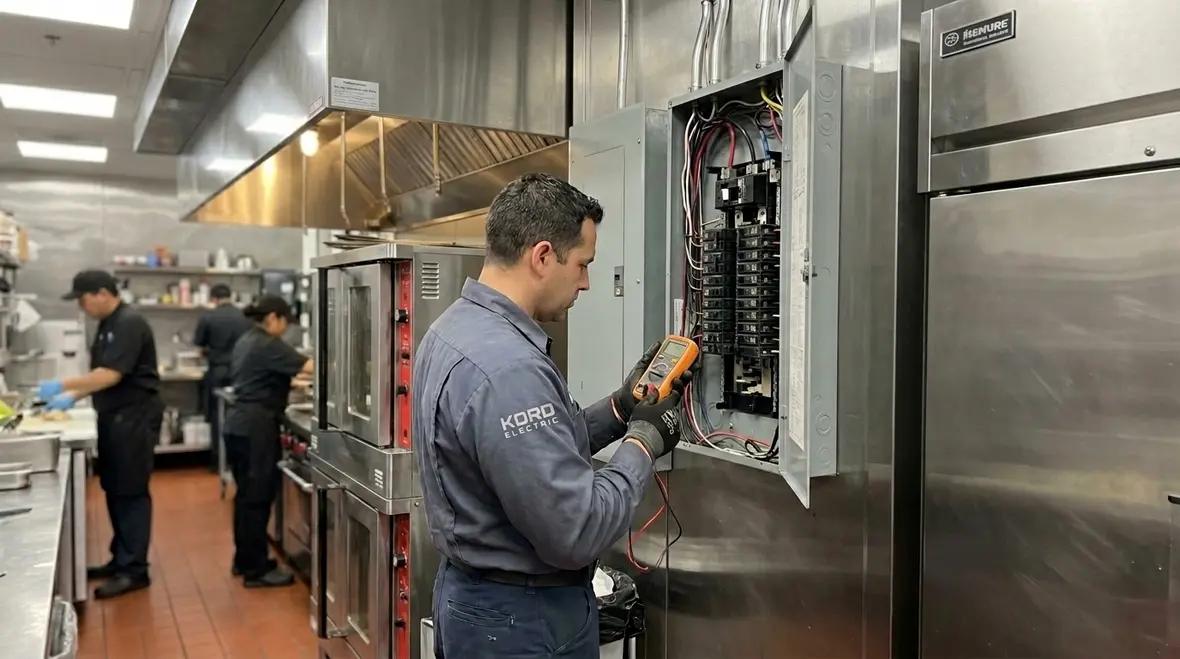
Then we consider grounding and bonding, because electrical safety does not rely on wishful thinking. We also look at protection coordination so the right device trips instead of the wrong one. Additionally, we check for signs of aging, such as heat discoloration, brittle insulation, and corrosion in wet areas. When you see these issues, you do not “schedule around them.” You address them.
Is your capacity enough right now, or just “enough later”
Many facilities work today, then fail after the first equipment addition. That is because capacity can be “borderline” and still power the kitchen at off peak times. However, a new oven or refrigeration package can shift the load curve. As a result, the kitchen that once ran calmly becomes sensitive to everyday habits like turning on multiple cooking stations at once.
At Kord Electric, we help teams look ahead. We estimate future load growth so the next project does not become a repeat of the last one. We also consider how kitchens operate during busy periods and how staff use equipment. For example, if a new dishwasher cycle overlaps with high output cooking, the demand rises fast. Therefore, a smart capacity plan protects you from both outages and costly rework.
Upgrading power distribution without disrupting operations
Commercial kitchens cannot always pause operations while electrical work happens. So we plan for minimal downtime. That often means staged upgrades, temporary feeds where allowed, and carefully scheduled work windows. Our technicians coordinate with facility managers and kitchen leads to confirm which circuits can be interrupted and when.
Additionally, we focus on clean installation details. Even a strong power system can fail if connections loosen, labeling is unclear, or wiring routes create heat risks. We keep documentation organized so facilities teams can maintain systems long term. In the same way that a great restaurant keeps its ticket times under control, we keep the electrical plan controlled and readable.

| Common symptom | Likely electrical cause |
|---|---|
| Breakers trip during peak cooking | Undersized circuits, higher than expected load, or coordination mismatch |
| Lights dim when equipment starts | Voltage drop from feeders or connections under load |
| Ovens run slower than before | Low voltage at the equipment, overloaded distribution |
| Refrigeration cycles struggle | Compressor surge demand, weak starting capacity |
If these symptoms sound familiar, pairing a targeted commercial kitchen review with broader voltage stability support can help. For facilities seeing dimming lights or sensitive equipment reacting to load changes in other areas, Kord Electric’s work with voltage fluctuations in commercial and industrial facilities connects directly to how your kitchen behaves when everything powers on at once.
Safety, code compliance, and long term reliability
A kitchen upgrade is not only about performance. It is also about safe installation that follows electrical standards for commercial and industrial facilities. Kord Electric emphasizes proper protection, correct conductor sizing, and dependable labeling. We also verify that protective devices match the application so fault conditions get handled predictably.
Then we think about long term reliability. When a facility adds new equipment, the electrical system becomes busier, and small problems can become big problems. Loose connections, aging insulation, and overheated panels do not always fail immediately. Instead, they degrade over time. Consequently, proactive capacity planning reduces risk and protects critical equipment from stress.
And yes, we say it with respect: letting breakers “take the hit” is like asking a seatbelt to fix a crash. It may feel brave, but it is not a plan. Our technicians help owners build a real plan that lasts, often as part of structured electrical preventive maintenance for commercial and industrial facilities.
How Kord Electric supports major property buildings and industrial sites
We work with commercial and industrial facilities and major property buildings because these environments share a key challenge: higher loads, complex tenant needs, and strict operational requirements. Kord Electric coordinates with building teams to understand power responsibilities, equipment timelines, and access constraints.
Our approach stays practical. First, we listen to the project scope. Next, we map electrical impacts. Then, we recommend a commercial kitchen electrical capacity upgrade that fits the facility, not a one size fits all template. Throughout the job, our expert service staff explains what is happening, what is next, and why the solution matters. That way, facility managers do not feel like they are watching a mystery show where the ending arrives after service calls.
For multi-site owners planning a broader remodel, Kord Electric’s insights from commercial kitchen electrical upgrades and wiring and other large facility projects help ensure your kitchen capacity strategy aligns with building-wide electrical priorities.
FAQ: commercial kitchen capacity and electrical upgrades
Planning beyond the kitchen: supporting the rest of your facility
A commercial kitchen rarely lives in isolation. It shares panels, feeders, and sometimes backup power with offices, production areas, and support spaces. When you plan a commercial kitchen electrical capacity upgrade, it is the perfect time to consider how the rest of the building uses power and lighting.
For example, many facilities pair kitchen upgrades with focused lighting improvements in dining rooms, corridors, or production areas. Kord Electric’s lighting installation services for commercial and industrial spaces can run alongside kitchen work so your overall project delivers better capacity, safer wiring, and clearer visibility in a single, coordinated plan.
Likewise, campuses and large facilities often look at broader maintenance and reliability strategies when they reconsider kitchen loads. Integrating your new kitchen circuits into a long term commercial and industrial electrical maintenance plan helps keep panels, breakers, and conductors in top condition long after the remodel dust settles.
Final thoughts from Kord Electric
When new equipment arrives, electrical readiness should come first, not last. Kord Electric helps commercial and industrial facilities plan the right commercial kitchen electrical capacity upgrade by checking real loads, confirming system safety, and building a reliable distribution path. If your kitchen upgrade is on the calendar, contact us now to review electrical capacity before the first breaker trips. We schedule work thoughtfully, explain the plan clearly, and keep your kitchen running like it means it. So call Kord Electric and let the power do its job.
If your project also includes new lighting layouts, remodeled prep areas, or expanded cold storage, our team can connect your kitchen plans with related services such as commercial and industrial lighting installation. That way, your capacity upgrade is not just a patch. It becomes a coordinated step in a safer, more efficient electrical system for the entire property.