
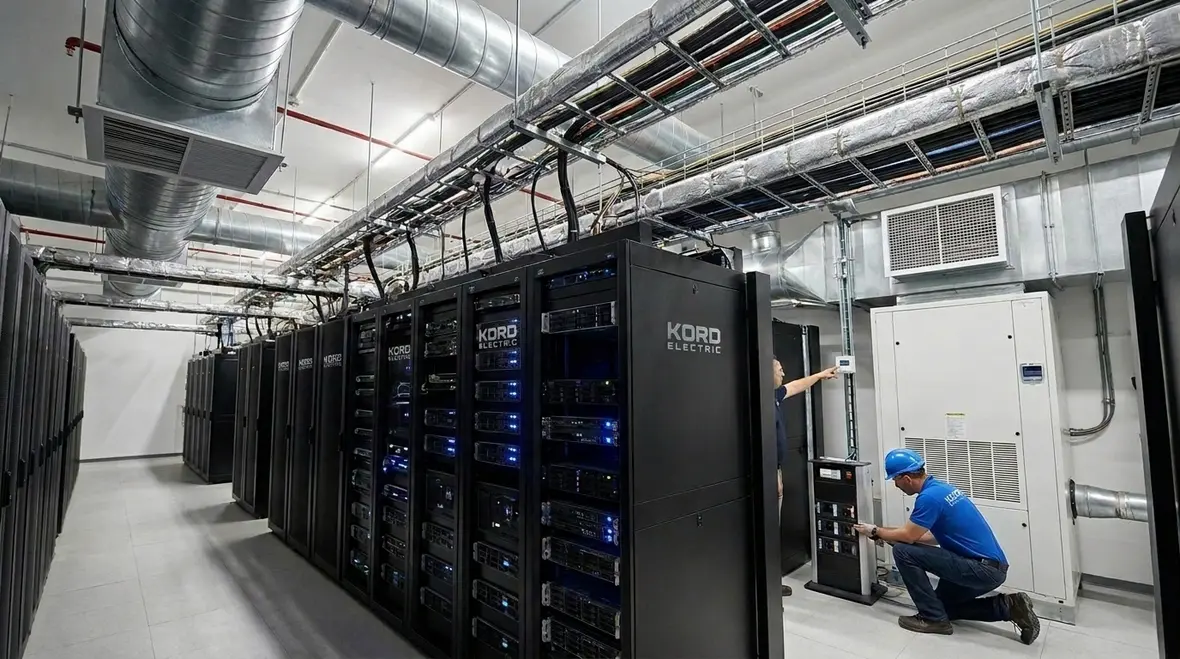
Electrical Infrastructure for Data Center Thermal Management
At Kord Electric, we build electrical systems with the full reality of data center thermal management in mind. We coordinate power distribution, grounding, and backup systems so the cooling plan is not fighting the electrical design. In fact, we treat heat like a design constraint, not an afterthought. And yes, we have seen what happens when engineers “assume” the thermal side will handle it. Spoiler: heat does not care about assumptions, it only cares about physics.
From the first site walk to commissioning, our team listens to the HVAC, CRAC, liquid cooling, and containment strategy. Then we align the electrical infrastructure to support stable temperatures, efficient fan and pump operation, and predictable loads. Meanwhile, our experienced technicians and expert service staff explain what they are seeing in plain language, because no one wants to guess why a breaker trips at 2 a.m. like it is a plot twist in a crime show.
Coordinating Electrical Infrastructure and Data Center Thermal Management
At Kord Electric, we do not separate electrical infrastructure from cooling strategy and hope for the best. We build with the full picture of data center thermal management in mind, from the power room to the furthest rack. That starts by acknowledging that every watt you deliver eventually becomes heat that the cooling system has to remove. When electrical and cooling teams treat that reality as a shared design constraint, the facility runs smoother, quieter, and with fewer late-night alarms.
Our work in commercial and industrial facilities and major property buildings has shown a consistent pattern: the best-performing data environments are the ones where electrical distribution, grounding, redundancy, and controls are coordinated up front with airflow, containment, and cooling topology. That is the same mindset we bring to broader power reliability projects such as data center electrical distribution design for reliability and data center electrical infrastructure essentials, all tuned for uptime and predictable thermal behavior.
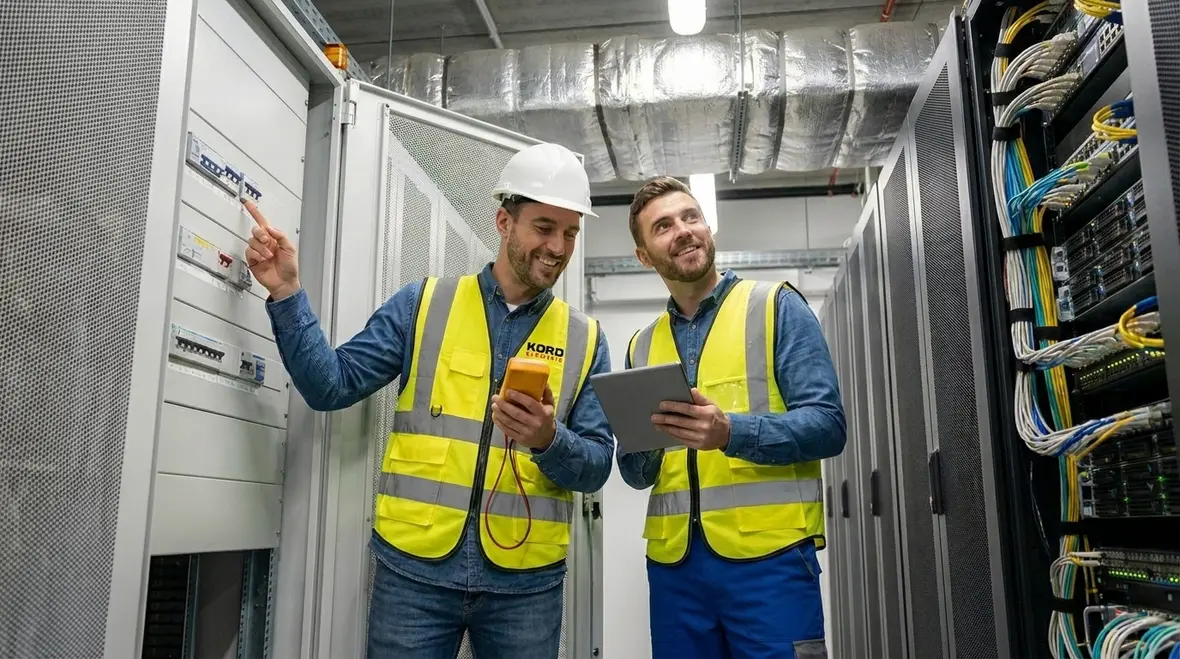
Electrical load planning that keeps cooling steady
When a commercial or industrial facility scales, power demand tends to rise before people update the thermal assumptions. Therefore, we start by mapping the load profile and the heat profile together. We coordinate with the facility team to capture peak demand, part load behavior, ramp rates, and the way redundancy works under real conditions.
Next, we translate that into electrical planning. We confirm feeder sizing, bus ratings, and transformer configuration so voltage stays within the control band during cooling swings. Additionally, we account for harmonic risk and power quality needs, since unstable power can increase losses and add heat right where the data equipment runs.
Our technicians often explain this with a simple analogy: electrical losses are like friction on a treadmill. If the treadmill runs hotter, everyone slows down. And then the cooling system works harder just to keep up, which can raise energy use and noise. We do not want a treadmill workout for no reason.
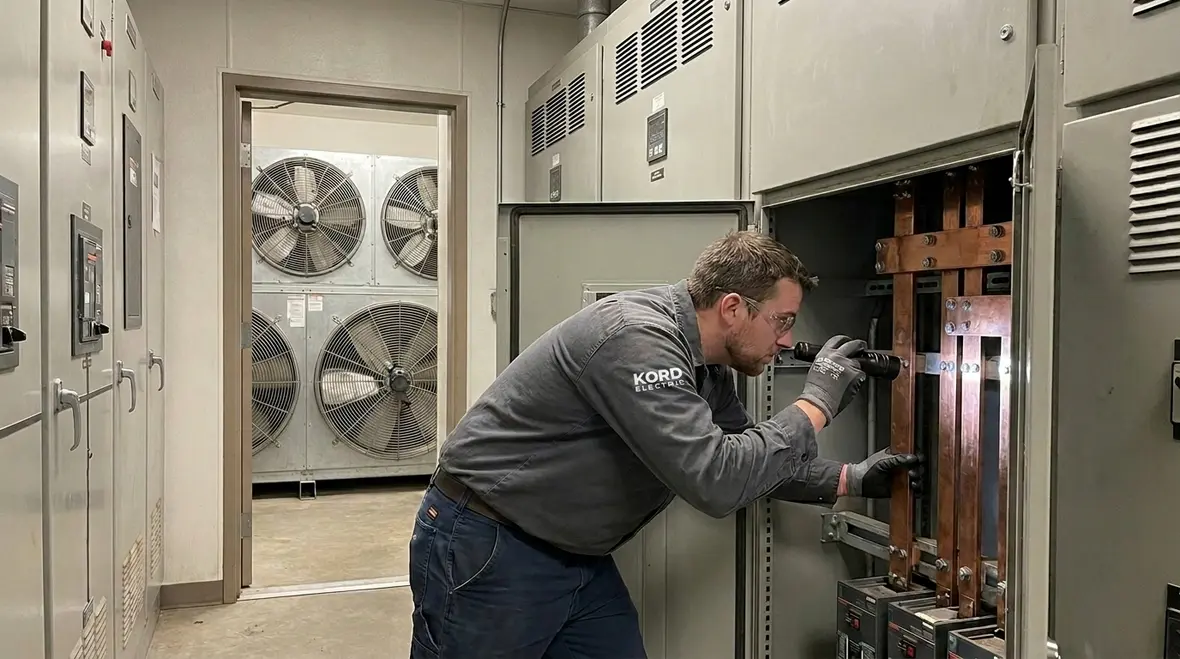
Where heat and power distribution really meet
Thermal problems rarely live in one place. Instead, they show up across equipment rooms, cable routes, and switchgear spaces. Consequently, we coordinate electrical placement and ventilation assumptions early. For example, we review cable tray fill, conductor derating, and the ambient temperature the installation will face during summer peaks and during off normal events.
Then we ensure the electrical rooms do not become unofficial “second server rooms.” We align busway enclosures, switchgear clearances, and transformer ventilation with the actual airflow plan. If containment systems push or pull air, we adapt the electrical layout so it does not block designed flow paths.
Our expert service staff also checks the small details that matter in a big room. They verify that access paths stay clear for maintenance, that hot and cold regions remain separated as intended, and that sensor placement reflects reality rather than the fantasy version drawn on a floor plan.
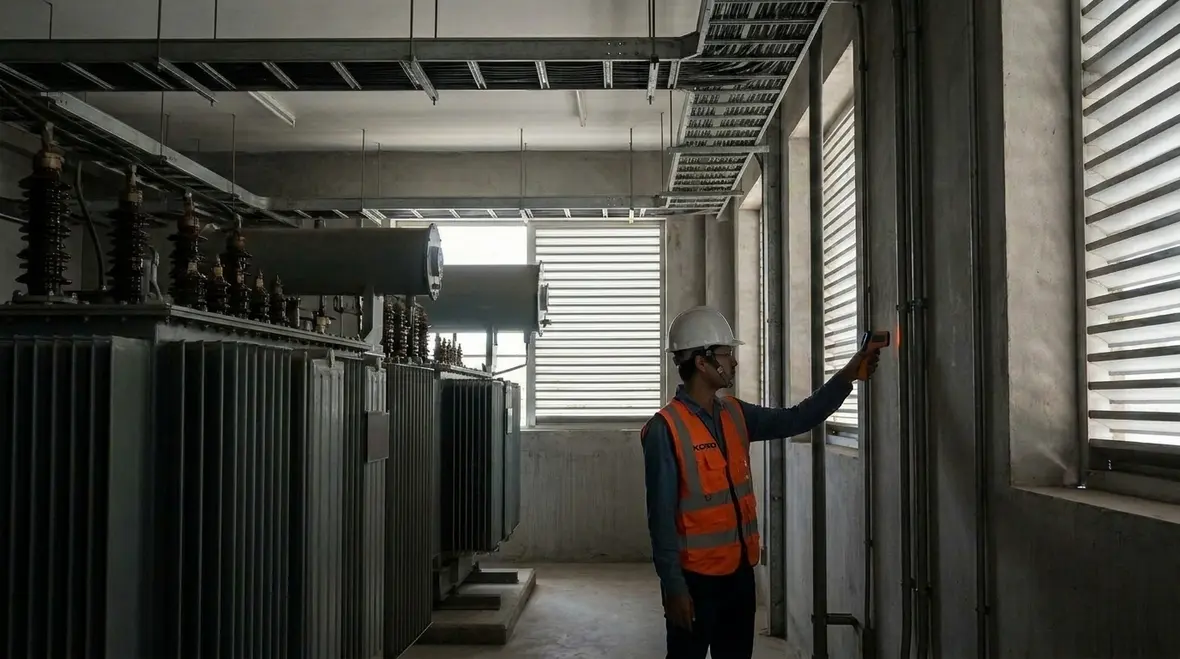
Cooling-aware design for conduits, panels, and power paths
Many teams focus on the cooling units and forget the power paths that feed them. As a result, control panels for pumps and fans, plus the distribution to cooling devices, can become the weak link. Therefore, we design electrical runs with thermal management in mind from the start.
For example, we consider how cable temperature rise affects conductor capacity and breaker sizing. We also plan for how heat builds when redundancy transfers loads during maintenance or faults. If the cooling system depends on stable pump curves, then the electrical design must support stable starts and avoid nuisance trips.
Additionally, we coordinate standby power interfaces and ensure critical cooling loads stay energized in the right sequence. We help prevent a scenario where the data equipment keeps running, but the cooling control logic lags because of upstream protective coordination timing. That is not a success story. That is a late-night troubleshooting session, the kind that makes coffee taste like regret.
Backup power and redundancy without thermal surprises
In commercial data centers and major property buildings, redundancy is not a luxury. It is a requirement. However, redundancy also changes heat patterns because load transfers shift current and losses across the system. Accordingly, we model how standby generators and UPS systems behave during transfer and during sustained partial load.
We align electrical protection settings with the cooling control strategy. If cooling equipment runs in stages, we coordinate start sequencing so surge currents do not spike at the same time. Also, we ensure grounding and bonding support correct operation of sensors and control circuits, since noisy references can cause control loops to behave badly.
Our technicians guide teams through these scenarios with step by step explanations. They show how the electrical system protects the cooling power supplies while keeping critical equipment online. Then they document the logic so operators can act quickly. Because when a system behaves differently during a transfer event, operators need clarity fast, not a scavenger hunt for the right drawing.
Commissioning and monitoring that supports data center thermal management
Even a well designed installation can drift if monitoring is incomplete. Therefore, we commission electrical systems with thermal awareness, not just electrical compliance. We verify that protective devices trip within expected time frames, that current balance stays acceptable, and that power factor and harmonics stay within the planned range.
Then we coordinate with the facility team to confirm that metering supports the cooling strategy. We recommend monitoring points that help explain how data center thermal management impacts electrical losses, and how electrical changes impact temperatures. In other words, we connect the dots between the power you deliver and the heat you end up managing.
Our expert service staff also checks operational behavior over time. As equipment load changes, we verify that the system continues to support stable conditions. We look for early signs of trouble like hot spots in cable terminations, abnormal temperatures near switchgear, or unexpected power quality shifts. If a monitoring trend looks suspicious, we investigate before it becomes a downtime headline.

Dual column view: electrical actions that protect thermal performance
Electrical coordination
- Feeder and transformer sizing aligned to peak and part load
- Conductor derating and cable route review by ambient conditions
- Protection coordination that supports staged cooling starts
- Backup power interfaces tuned for correct transfer sequencing
- Grounding and bonding verified for control reliability
Thermal outcome we support
- Stable temperatures and predictable airflow behavior
- Lower electrical losses that reduce added heat
- Reduced nuisance trips during cooling control transitions
- Consistent heat removal during redundancy events
- Better system visibility for operators and maintenance
FAQ
Final thoughts from Kord Electric
When electrical and cooling teams work separately, the facility pays in energy, downtime, and stress. At Kord Electric, we coordinate the electrical infrastructure with cooling control logic, commissioning, and monitoring so data center thermal management stays stable as loads change. Our technicians and expert service staff explain decisions clearly, and we document everything the operators need. If you want a system that stays calm under pressure, reach out to Kord Electric for a coordinated electrical and thermal plan for your commercial or industrial facility.
If your data center strategy also includes broader uptime goals, you can dive deeper into reliability-focused topics like data center electrical requirements for uptime and data center electrical distribution design for reliability. Together with a cooling-aware electrical layout, those strategies help your facility move from “hoping it holds” to engineering for predictable, long-term performance.
When you are ready to translate that strategy into a project, our commercial and industrial electrical services team can help you plan upgrades, new builds, and phased improvements that coordinate power, thermal performance, and long-term maintainability across your property portfolio.


