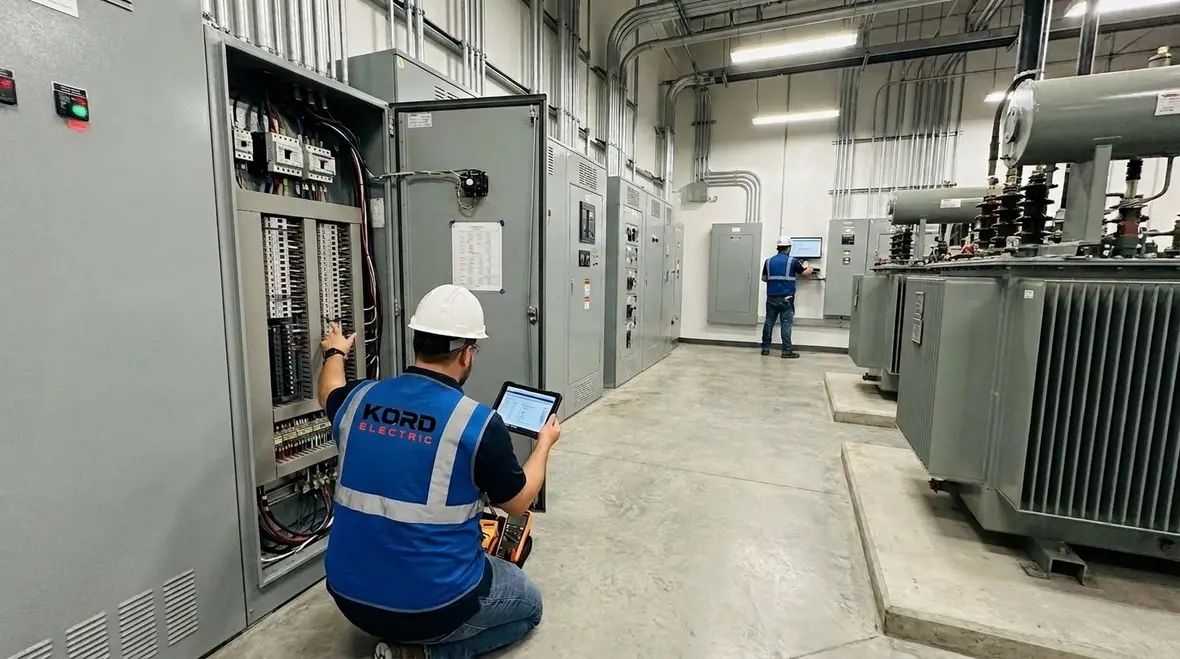
Electrical Load Balancing Technology for Commercial Buildings
Electrical Load Balancing Technology for Commercial Buildings: what we deploy for real sites
At Kord Electric, we use Electrical Load Balancing Technology for Commercial Buildings to keep power steady, even when tenant use changes minute to minute. Our approach matters because, in offices, warehouses, data-heavy campuses, and large mixed-use properties, electrical demand rarely sits still. Instead, loads shift across phases, panels get warmer, and the “it works until it doesn’t” feeling starts to creep in. That is where our system steps in. Then, our technicians explain the logic in plain language, because nobody should need an engineering degree to understand why one phase is overloaded. And yes, we have heard the classic joke: “Power is power, right?” Well, not exactly. Power is power, but it must be balanced.
Below, we explain how the technology works, what we measure, how we plan upgrades, and how we validate performance for commercial and industrial facilities and major property buildings.
How load imbalance happens inside large buildings
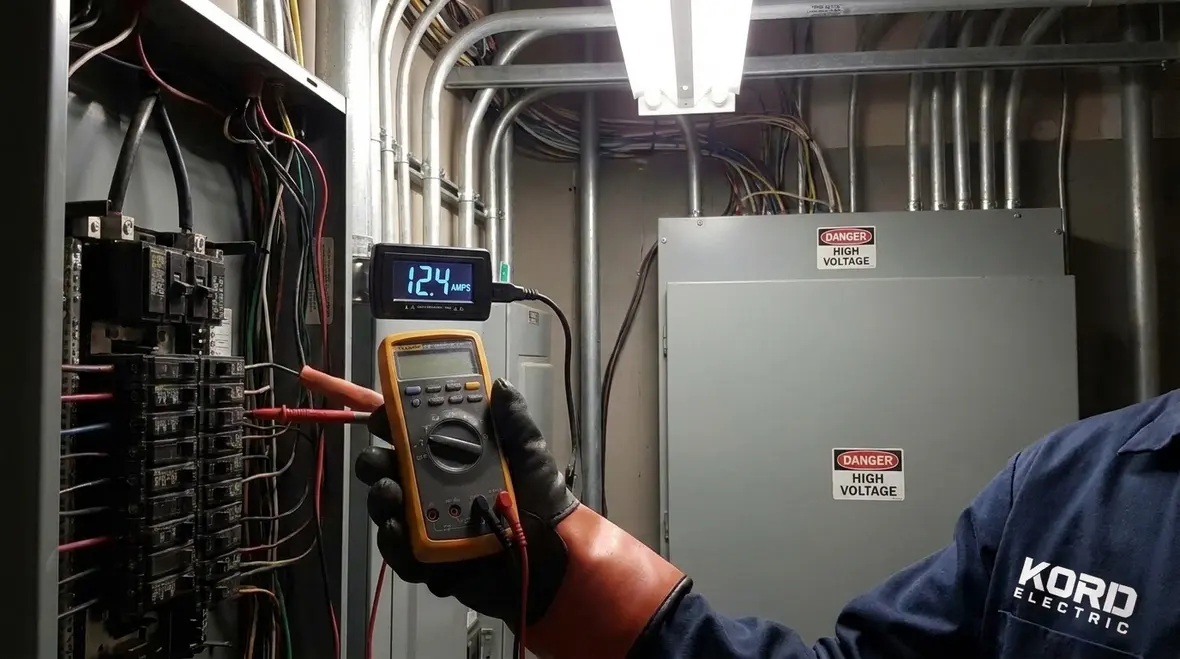
Third person view aside, the reality is simple: uneven use creates imbalance. One tenant runs heavy equipment all day while another uses smaller loads mostly at night. Then lighting, HVAC, refrigeration, and charging stations stack on top of that mix. As a result, one phase can carry more current than the others.
When imbalance grows, facilities managers often see symptoms first, not causes. For example, they may notice higher heat near certain panels, more frequent breaker trips, or nuisance alarms from power monitoring systems. Meanwhile, service calls pile up like unpaid tickets after a late concert, and the building keeps running anyway, until it does not.
Our electricians and expert service staff trace these issues by looking beyond the obvious. We examine circuit distribution, panel schedules, meter data, and operating patterns. Then we identify where the building’s demand “leans” to one side.
What our Electrical Load Balancing Technology does on the job
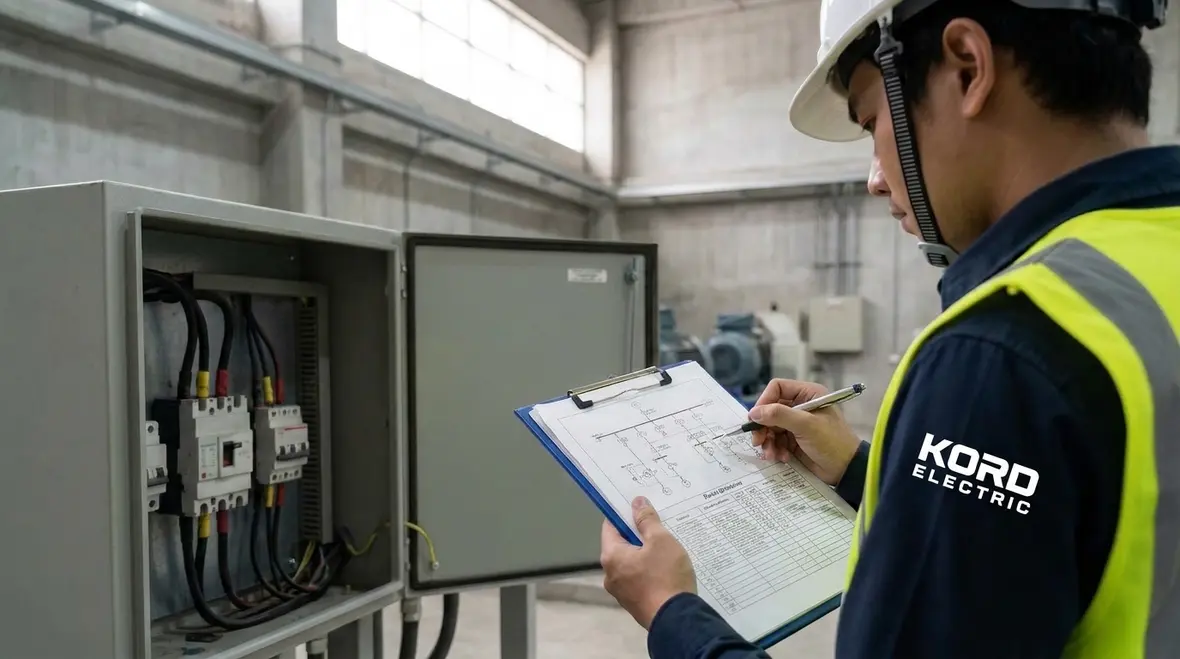
Electrical load balancing is not just a theory. We implement practical controls and measurement so power stays aligned to safe limits. In many commercial environments, we focus on four goals: reduce phase loading differences, improve overall system efficiency, protect equipment, and create a monitoring trail that supports future changes.
First, we measure how loads behave across phases over time. Then we compare that pattern with nameplate ratings, feeder capacity, and typical operating schedules. From there, our team selects the right balancing path, which can include reassigning circuits, adjusting transformer tap settings where appropriate, or coordinating with switchgear and distribution controls.
In some sites, we also help implement automated monitoring and control approaches so changes get caught early. Therefore, when a new tenant moves in or when a process shifts, the system can respond with fewer surprises. Of course, automation is not magic. We still verify results in the field, and our technicians explain the “why” behind every adjustment.
For building owners and facility teams who want to dig deeper into how balancing supports reliability, our Commercial Electrical Load Balancing Solutions guide walks through additional examples from active commercial projects.
Why phase balance improves safety and reduces downtime
When phases run unevenly, several risks rise at the same time. Heat increases in busbars and terminations because the heavier-loaded phase carries more current. Voltage quality can also drift, depending on system design. Over time, that stresses insulation and connections, and it shortens equipment life.
Additionally, many protective devices do not fail gracefully. Breakers can trip sooner, transformers can run hotter, and motors may experience more stress. In other words, imbalance turns normal wear into accelerated wear.
We also think about downtime cost, not just equipment risk. For commercial and industrial facilities, shutdowns disrupt operations, delivery schedules, and tenant satisfaction. So we plan balancing work around the site’s operating rhythm, then we test the result under real load. Meanwhile, our service team keeps communication clear so stakeholders know what changes we made and what data proves the improvement.
Phase balance also connects directly to broader reliability strategies such as redundant power systems for commercial buildings. When phases share current more evenly, backup power equipment and transfer schemes experience less stress when they are needed most.
Site assessment: what our technicians measure before we rebalance
Every major property building behaves differently, so we start with a structured assessment. We review the electrical one-line diagram, panel inventory, and load list. Then we collect load data, often through temporary monitoring if permanent metering does not show enough detail.
Next, we build a clear map of the problem. That means we pinpoint which panels, feeders, and distribution paths carry the highest imbalance. Then we check for common causes such as uneven circuit assignment, capacity constraints, or changes that happened after renovations.
After that, our experts evaluate options with one question in mind: what changes give the best outcome with the least disruption. We may coordinate with facility staff to shift certain loads, phase circuits during future work, or schedule targeted panel adjustments during low-demand windows.
And yes, we explain this process to our clients in a calm, practical way. You do not need a jargon bingo card to understand the plan. You need a plan that makes sense.
In many cases, that assessment ties directly into a broader commercial electrical load capacity assessment, so facilities understand not only how power is balanced today but also what headroom exists for future tenants and equipment.
How we plan upgrades for commercial and industrial facilities
Balancing work depends on the site’s electrical architecture. Therefore, we plan upgrades in stages. This helps avoid “rip and replace” thinking, which usually costs more and creates more risk than needed.
In many buildings, the fastest win comes from distribution changes. We reassign circuits so each phase carries a closer share of current within the panel’s allowable limits. Then we verify feeder loading so we do not fix imbalance by overloading a different section.
In other cases, equipment limits drive the strategy. If a transformer, feeder, or panel sits near its capacity, balancing alone cannot create unlimited headroom. So we may recommend distribution enhancements or capacity upgrades. We coordinate these recommendations with the building’s future growth plans, including tenant turnover and expansion.
For industrial systems, we also account for motor loads, variable frequency drives, and process timing. Meanwhile, in major property buildings, we consider life safety circuits, critical loads, and how tenants share common distribution. Then we craft a plan that respects code requirements and operational constraints.
Because Electrical Load Balancing Technology for Commercial Buildings is only one part of a larger reliability picture, we often align these upgrades with broader design work, including the kind of data-driven planning covered in our Data-Driven Electrical Design for Commercial & Industrial Facilities guide.
Monitoring after installation: proving the balance stays balanced
Many people stop at “we made adjustments.” We do not. We treat balancing as a continuing process, because commercial operations keep evolving. So after we implement changes, we monitor performance to confirm results.
We look at phase current trends, breaker activity, and temperature indicators where available. Then we compare before and after patterns to ensure the improvement holds under daily demand swings.
If performance slips, we investigate quickly. Often the slip has a simple cause, such as a tenant adding equipment, HVAC behavior changing seasonally, or a process schedule shifting. Then we adjust again, with guidance from our technicians and expert service staff.
That is the difference between “we fixed it” and “we ensured it.” The building does not care what you tell it. It only cares what the electrical data shows.
For Los Angeles County and surrounding regions, our Los Angeles County electrical services bring this monitoring mindset together with preventive maintenance, troubleshooting, and upgrade planning so facilities stay ahead of problems instead of reacting to them.
FAQ: Electrical Load Balancing Technology for Commercial Buildings
Next steps with Kord Electric
If your commercial or industrial facility shows signs of uneven electrical loading, we should evaluate it with the same care we bring to every major property project. Kord Electric can assess your distribution, measure phase behavior, and apply the right Electrical Load Balancing Technology for Commercial Buildings approach with verification after installation. Our technicians explain what we find and what we change, so stakeholders stay confident. Contact Kord Electric today to schedule an electrical load assessment and get your power system working like it should.
For facilities planning broader changes, pairing this work with a structured review such as our Commercial Electrical Load Balancing Guide helps align near-term fixes with long-term expansion, tenant moves, and new technology such as commercial EV charging networks.