Electrical Switchgear Upgrades That Last
Electrical switchgear upgrades that actually last
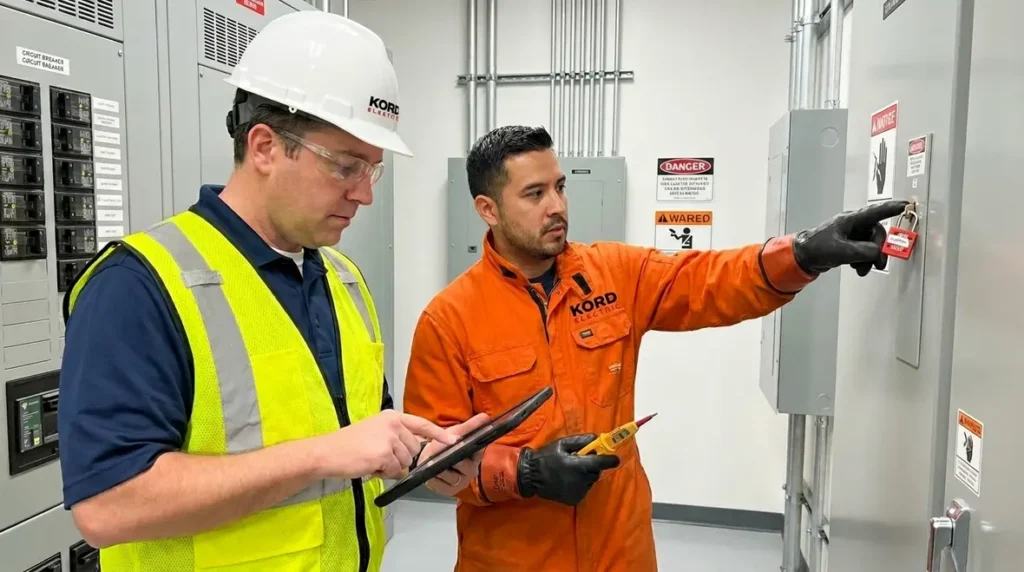
At Kord Electric, we help commercial and industrial facilities protect what they depend on. That means our crews begin with switchgear maintenance best practices before anyone talks about upgrades. We start by reviewing equipment history, cleaning and inspecting contact surfaces, tightening terminations, testing protection settings, and checking for signs of heat, moisture, and contamination. Then we document everything, because guesswork is cute only in movies, not on real switchgear. If a site does not already have a solid maintenance routine, we build one that fits the load, environment, and uptime needs of the building. And yes, our technicians explain the why behind every step, so facility leaders do not have to rely on mystery smoke signals.
Beyond standard upgrades: extending the life of switchgear

Most people think a “upgrade” is a one time purchase. In reality, we treat upgrades like a long term plan. Our technicians at Kord Electric focus on extending the lifespan of electrical switchgear by fixing the small problems early, then upgrading only what truly needs modern improvements. Over time, even well installed gear can drift out of specification due to thermal aging, vibration, arcing history, or changing electrical demand. However, a thoughtful approach keeps the system stable and prevents the slow slide into expensive failure.
For example, components often wear in ways that do not make the lights go out immediately. A loosened connection may still carry power today, but it will create heat tomorrow. Likewise, protective relays may still trip when they should, yet their settings may drift based on wear, past modifications, or CT and VT changes. So we extend life by pairing condition based inspection with targeted upgrades, not blanket replacements.
For facilities that also struggle with nuisance trips or unstable power, pairing switchgear maintenance with broader voltage fluctuation diagnostics helps uncover deeper system issues before they become expensive shutdowns.
Switchgear inspection that finds issues early
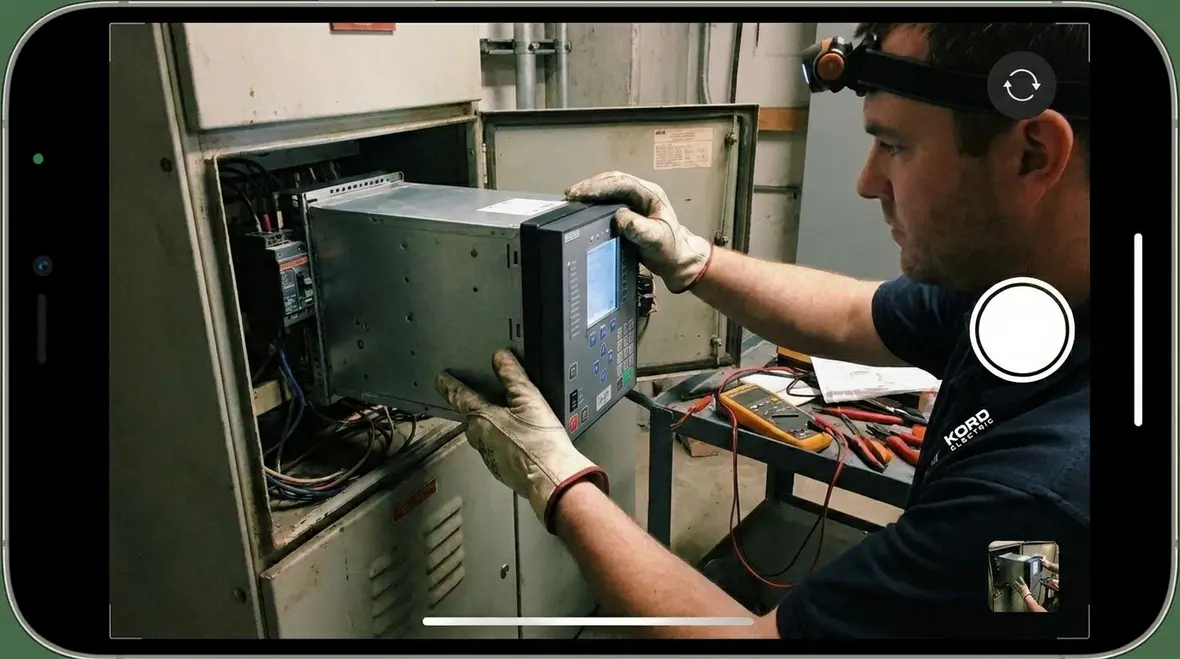
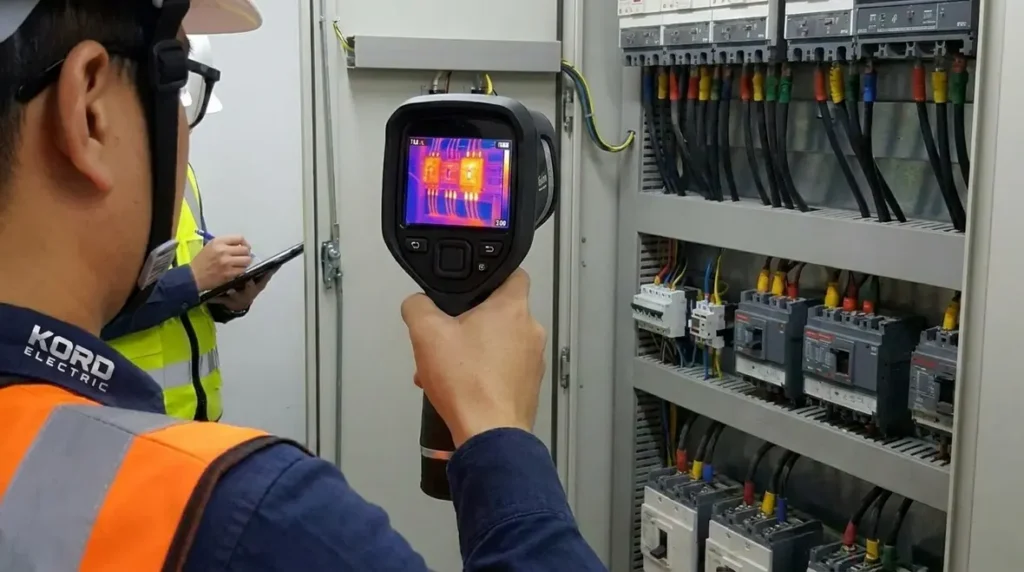
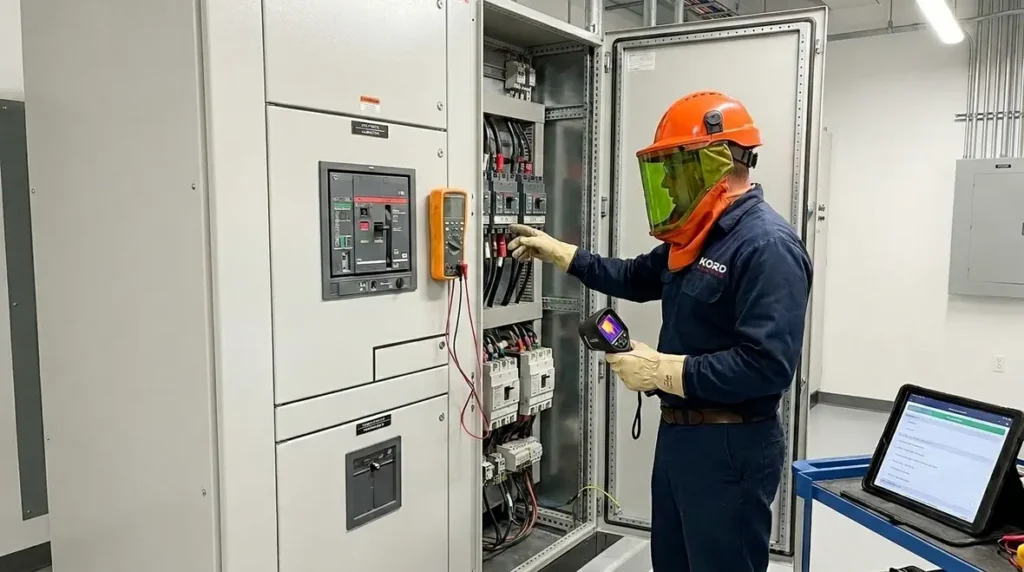
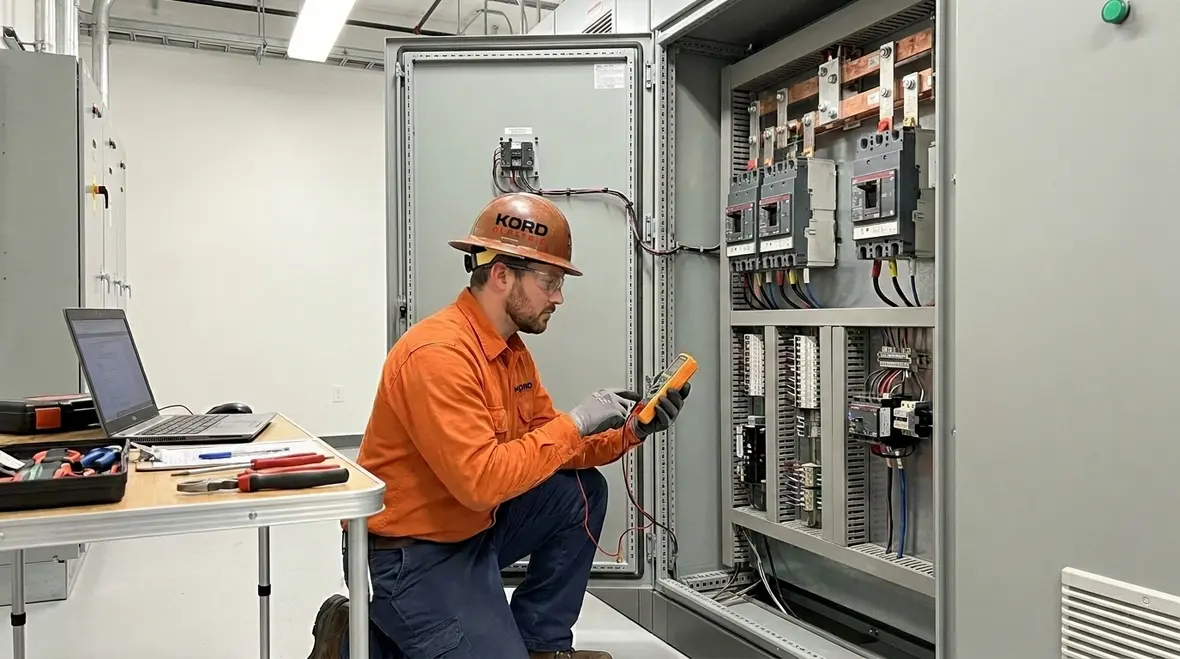
When we arrive on site, we do not just look at the nameplate. Instead, we inspect for patterns. We check insulation condition, signs of tracking, contamination on bus work, and the condition of barriers and gaskets. We also examine wear on moving parts and evaluate the mechanical operation of breakers. Then we test electrical performance in a way that matches the gear type and the facility needs.
Because switchgear maintenance best practices do not live in a binder, our technicians document test results and physical findings in clear terms. Then they explain what those numbers and observations mean for real world risk. To keep things simple, we compare what the switchgear shows today with what it should show based on original design, manufacturer guidance, and your operating history.
And yes, sometimes we find issues that look minor, like small discoloration near a termination. Yet those spots can point to resistance rise, which later leads to hot spots, oxidation, and eventually damage. In other words, the early warning signs act like a smoke alarm with good manners. They alert before the drama.
We also integrate findings into broader electrical preventive strategies. For many facilities, combining switchgear inspections with a structured electrical preventive maintenance program creates the consistency needed to keep issues small and predictable instead of sudden and expensive.
Why component aging shortens service life
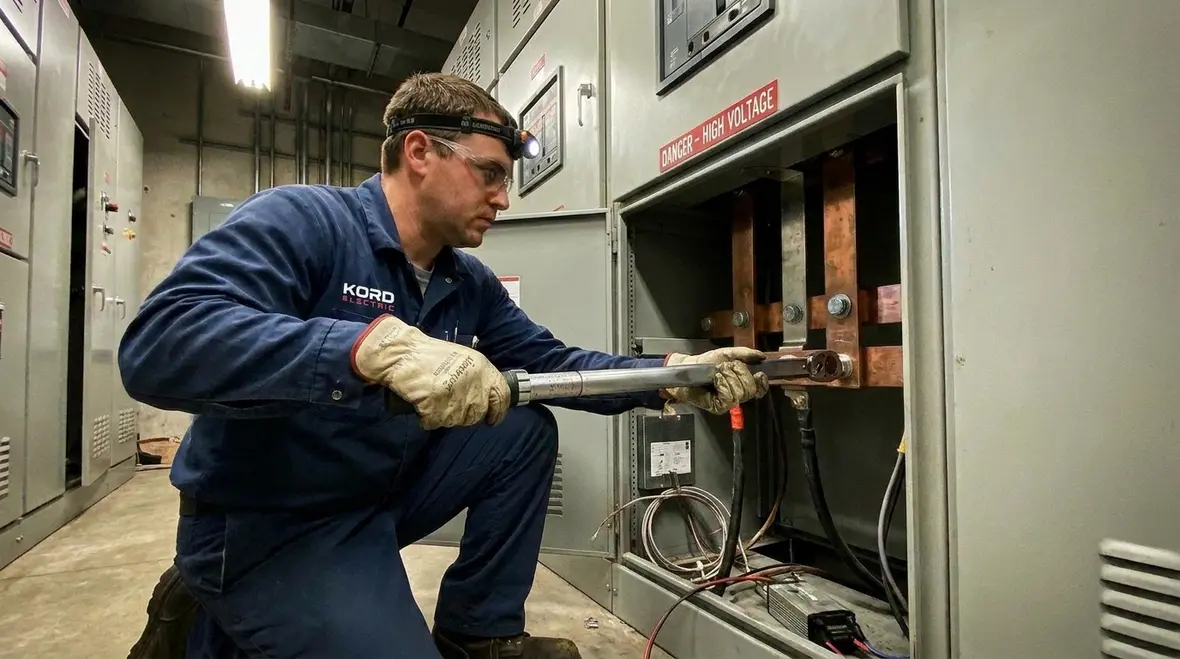
Electrical switchgear ages because electricity is patient, but materials are not. Heat cycles stress metals and insulation. Mechanical cycling wears linkages and springs. Environmental factors like humidity, dust, salt air, or HVAC leaks accelerate corrosion. Even normal load growth can push equipment closer to its limits, which increases stress.
At Kord Electric, we help our clients understand the aging mechanisms so they can plan better. We explain that several elements tend to fail in predictable ways:
- Contact wear that increases resistance and heat
- Insulation breakdown that lowers dielectric strength over time
- Control wiring aging from heat and vibration
- Mechanical mechanism fatigue that affects breaker timing and operation
- Protection drift that can impact coordination even when breakers still operate
Then we connect these issues to operational impacts. For example, one building might treat minor contact wear as acceptable until a future shutdown. Meanwhile another facility cannot tolerate downtime, so we recommend interventions sooner. Either way, we base decisions on risk and condition, not on guesswork or last year’s luck.
For sites planning broader infrastructure changes, we often coordinate switchgear strategies with projects like panel upgrades, lighting upgrades, or even full commercial rewiring. Aligning these efforts keeps downtime lower and long term reliability higher.
Targeted upgrades: modernizing without replacing everything
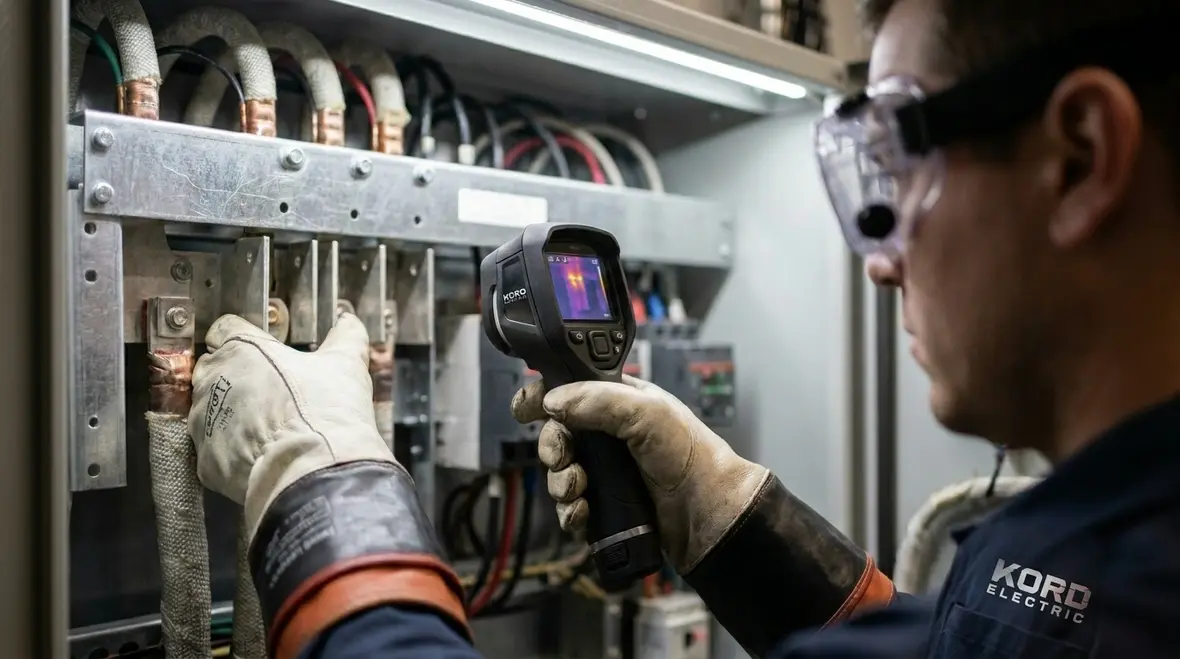
Many facilities ask for a full replacement because it feels clean and final. Yet in the commercial and industrial space, we often see better outcomes with targeted upgrades that extend service life. First, we focus on the parts that directly affect reliability. Second, we align upgrades with existing bus configuration, protection schemes, and space constraints.
Common modernization actions include updating control and metering components, improving thermal performance, upgrading interlocks, and enhancing protection and communications where appropriate. We also review breaker mechanisms, latching systems, and energy storage functions because aging in those areas can cause “it worked yesterday” problems.
Our team works in a calm, methodical way. We plan outage windows, coordinate with facility operations, and verify correct operation with test procedures afterward. Our technicians do not just swap parts and move on. They validate settings, verify control logic, and check that protection and switching sequences match the design intent.
And when someone says, “Just make it work,” we reply with a smile that we make it work and we make it make sense. In electrical systems, that difference matters.
In some projects, targeted switchgear upgrades pair well with other system improvements such as lighting installation upgrades or EV charging infrastructure. When everything is planned together, facilities avoid repeat shutdowns and get a cleaner, more strategic path to modernization.
Maintaining reliability after work is complete
Upgrades only help if the system stays stable after the installation. Therefore, we build a maintenance routine that supports the new condition and the facility’s operating rhythm. This includes ongoing inspections, planned testing intervals, and clear action thresholds. It also includes housekeeping practices like keeping enclosures clean and dry, because grime and moisture behave like slow corrosion accelerators.
For many major property buildings and industrial sites, reliability depends on coordination. So we schedule maintenance around production needs, tenant operations, and critical processes. We also help clients set up a practical record system. Then we teach the facility team how to recognize early indicators of trouble, such as abnormal breaker timing, unexpected alarms, or unusual thermal patterns.
Our goal is simple: keep the switchgear maintenance best practices alive long after the technicians leave the panel room. We want the equipment to continue running with predictable behavior, so operations teams can plan their days without worrying about surprise events.
For facilities with strict compliance needs, we often integrate inspection findings into broader programs such as commercial and industrial electrical maintenance plans, so every visit builds on a clear, documented strategy instead of isolated work orders.
What Kord Electric does differently for commercial and industrial sites
Others may focus on quick fixes. We focus on long term reliability and safe performance. Our approach uses a combination of condition assessment, careful planning, and clear communication. We also respect how facilities operate. Since we target commercial and industrial facilities and major property buildings, our planning reflects real uptime requirements and real site constraints.
Additionally, our expert service staff takes time to explain findings in plain language. That is not just a “nice to have.” When facility leaders understand the condition and the risk, they can approve work with confidence. They also can prioritize budgets more accurately, instead of funding repairs based on emergencies.
Finally, we treat documentation as a service deliverable. When the next maintenance cycle arrives, the team has a baseline. That reduces repeat issues and supports better coordination across shifts and vendors.
If you are ready to look at your entire electrical picture, from switchgear and distribution to lighting, EV charging, and preventive maintenance, you can always start with the main Kord Electric services hub and build a reliability roadmap that fits your facility.
FAQ
Call Kord Electric for a reliability plan that lasts
If your facility wants electrical systems that stay steady through heat, load growth, and daily operation, Kord Electric can help. We extend switchgear life through condition assessment, targeted upgrades, and switchgear maintenance best practices you can actually follow. Our technicians explain each finding in clear terms, and our expert service staff coordinates work around your uptime needs. Contact us to schedule an inspection and receive a practical plan built for commercial and industrial reliability. Let’s keep your power calm and your surprises rare.
If you are also planning broader system improvements, such as lighting upgrades, EV charging, or a preventive maintenance program across panels, transformers, and distribution, our dedicated electrical preventive maintenance services page outlines how we build long term reliability into every major property and industrial site.