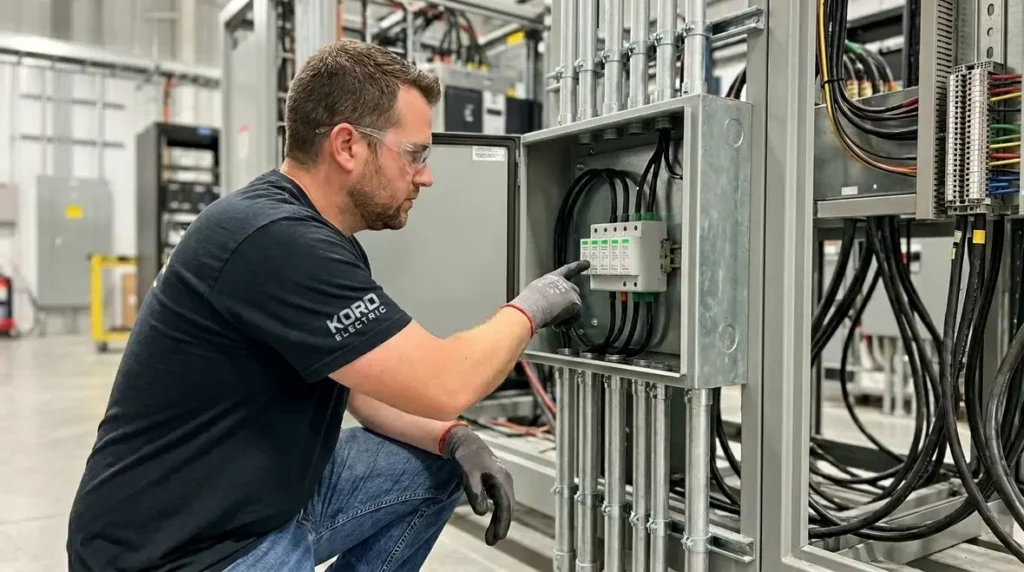
Emergency Power System Testing for Commercial Buildings
Emergency Power System Testing: the steps that keep commercial lights on
When the grid fails, we cannot afford guessing. That is why our team at Kord Electric focuses on emergency power system testing as a disciplined routine, not a yearly checkbox. We test backup systems so they start when they must, transfer on time, and power critical loads without surprises. And yes, we also make sure the equipment behaves like it does on paper, because paper plans are great until the lights flicker like a bad sitcom. In the sections ahead, our technicians and expert service staff will walk through the critical steps we use for commercial and industrial facilities and major property buildings, with careful attention to electrical safety, control settings, and load reality.
Step one: review the building risk before we touch any switch
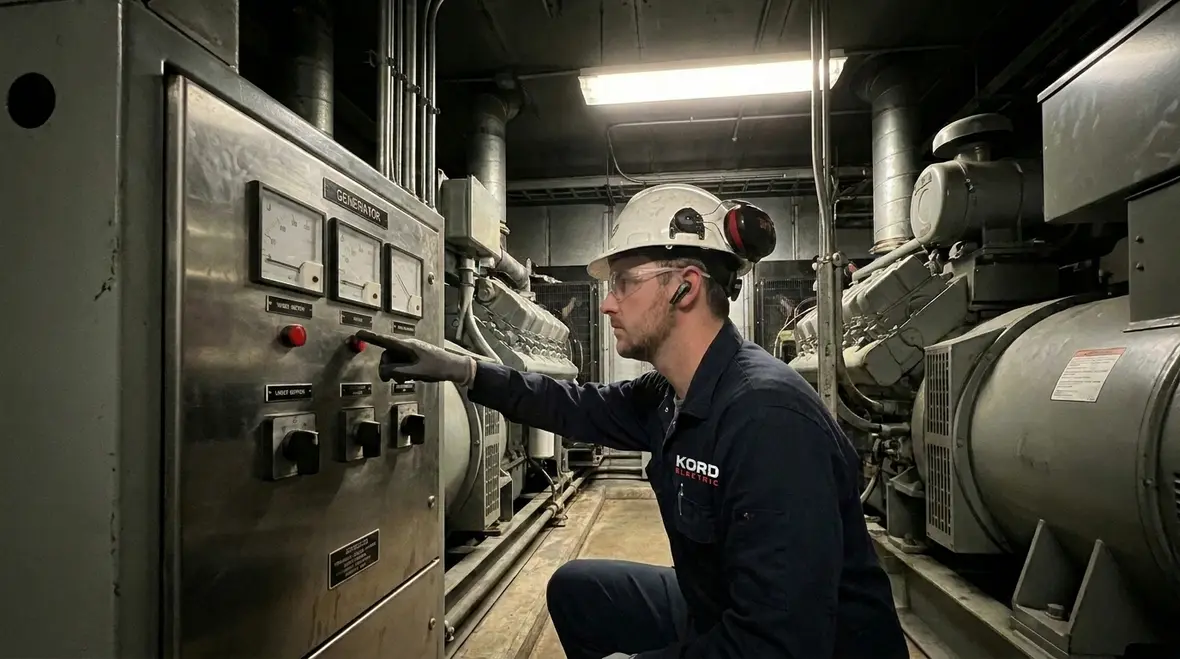
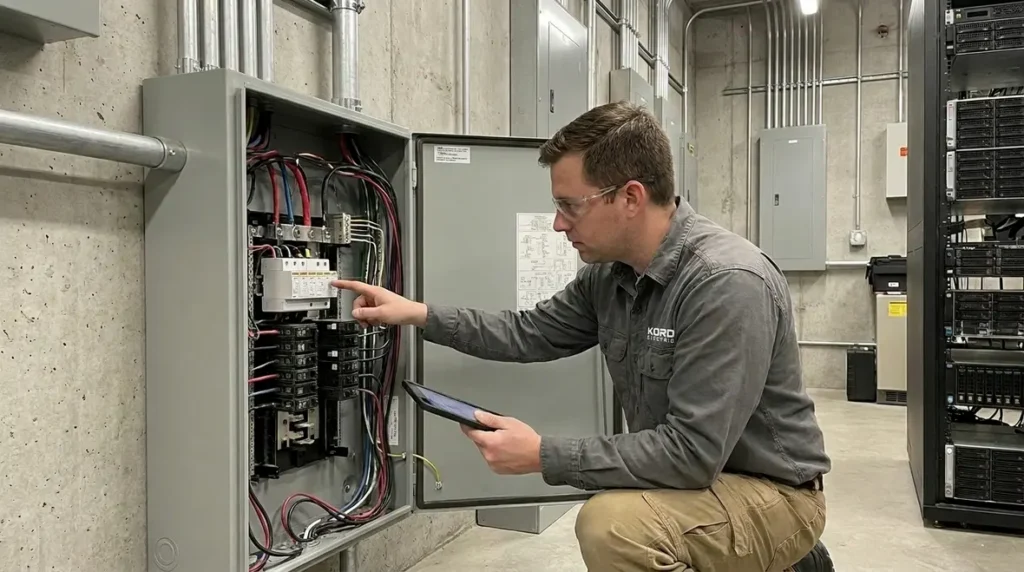
First, we start with the plan. However, we do not stop at a single document. Our technicians review the one line diagrams, the transfer scheme, the standby power source details, and the list of critical loads. Then we connect those details to the real building layout and operating patterns. We look for hidden electrical risks in commercial buildings, because a backup generator can be ready and still fail if the system feeds damaged or improperly protected circuits. For a deeper look at those issues behind walls and panels, see our article on hidden electrical risks in commercial buildings.
Next, we verify coordination points. For example, if a normal feeder has weak protection or a mis-labeled breaker, the emergency path may not behave as expected. Then we confirm the control logic and interlocks, because control circuits fail quietly, like that coworker who always “meant to update the spreadsheet.”
- We confirm critical loads and their priorities
- We verify transfer settings and permissives
- We review protective device ratings and coordination needs
- We check for known electrical risks and past trouble spots
Only after this prep do we schedule the field work, because random testing without context creates confusion and can create faults. Instead, we build a clear path from risk to action.
Step two: inspect the standby source, transfer gear, and controls
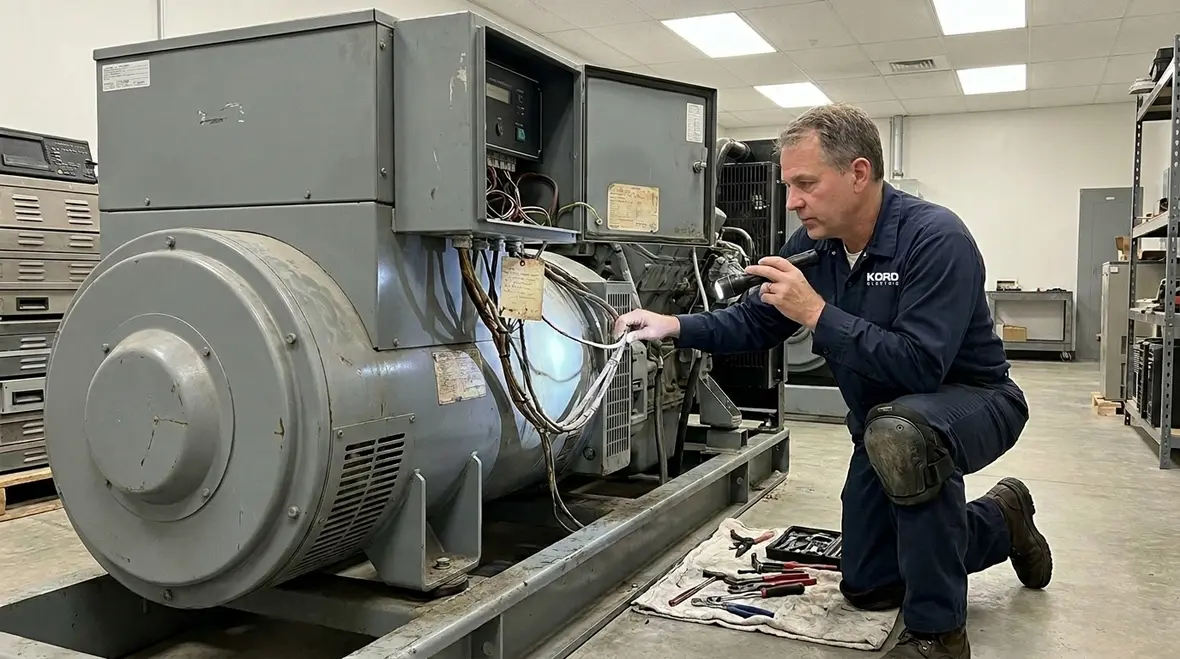
After the review, we move to inspection. Yet inspections alone do not prove readiness. Still, they stop trouble before it becomes a dramatic event. Our expert service staff checks the engine or battery source, the ATS or transfer switches, the switchgear, and the control panels. We look for wear, loosened connections, corrosion, and incorrect wiring labels.
Then we confirm the control health. We verify sensor inputs, alarm thresholds, and run timers. We also review watchdog functions such as emergency shutdown signals and start permissives. If the controls do not agree with the power path, the system can still “fail to start” during a real event, which is a problem we do not negotiate with.
While we inspect, we also verify that the system will handle typical site needs. For major property buildings, the load profiles can shift seasonally. Therefore, we pay attention to HVAC staging, elevator use patterns, and life safety loads. Our goal is to make sure each emergency source matches how the building actually lives, not just how it looked on day one.
- We inspect power source components and condition readings
- We verify transfer switch contacts and mechanical operation
- We test control logic inputs and alarm status
- We confirm labeling and correct feeder mapping
When we find issues, we explain them in plain language. Instead of “mystery failures” that keep showing up during storms, you get a punch list of fixes that tighten up the entire standby chain.
Step three: run functional tests with real-world discipline
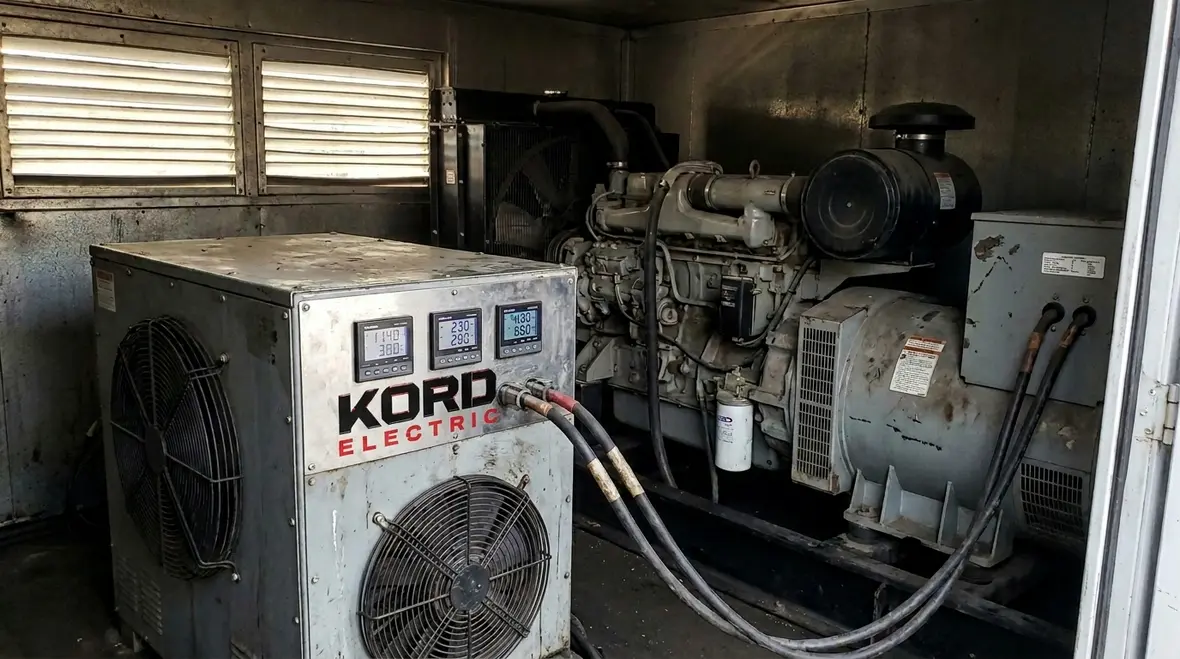
Now we test. However, we do not simply start the generator and call it a day. We run functional checks that validate each part of the system in sequence. We begin with system start and control initiation, then we verify voltage and frequency stability, and then we confirm transfer behavior.
During these tests, we also manage the site carefully. We coordinate with facility operations, because critical testing can affect normal power flow. At the same time, we use a controlled approach that respects the building’s uptime needs. If something acts strange, we stop early and troubleshoot before we proceed.
We also keep an eye on typical “gotchas.” For instance, a generator may start, but a transfer switch might not land cleanly. Or a feeder may experience a time delay that causes nuisance alarms. In pop culture terms, the generator might be Batman, but the transfer gear still has to be Robin, quick and consistent.
- We confirm start sequence, loading readiness, and alarms
- We validate ATS or transfer switch timing and switching
- We confirm voltage, frequency, and stability during test
- We monitor safety shutdown signals and permissives
This is also where we bridge testing with broader reliability work. If functional checks reveal voltage swings, coordination issues, or nuisance trips, we may recommend tying your testing plan into a structured electrical preventive maintenance approach, so emergency power system testing becomes part of a larger reliability story instead of a one-time stunt.
Step four: test under load, not just at idle

Many systems pass start-up tests and still stumble under load. So we plan load testing as a core step. We analyze what the building actually needs, then we apply load in a safe way. For commercial and industrial facilities, that means matching critical loads and validating that the system does not exceed limits for voltage drop, frequency tolerance, or thermal capability.
When we load test, we watch more than just the generator nameplate. We measure how power quality behaves while the facility carries real demand. Then we compare performance to expected results. If the system struggles to hold voltage, we identify whether the issue sits in fuel supply, governor response, excitation settings, or distribution constraints.
In addition, we confirm that the emergency loads transfer in a controlled manner. Some buildings have staged loads, and if staging does not work, you may experience load surges that trip breakers or create nuisance alarms. Therefore, our technicians verify sequencing and protection behavior while the system is under stress.
- We select loads aligned with critical operations
- We monitor voltage regulation and frequency stability
- We check distribution protection response
- We verify load sequencing for larger facilities
In some facilities, this is also the moment where long-standing “mystery” issues finally show their face: breakers that trip only at certain times, circuits that run hotter than they should, or equipment that refuses to ride through minor dips. By combining emergency power system testing with targeted load analysis, we turn those surprises into data you can act on.
Step five: verify protective devices and coordination pathways
Next, we validate the electrical safety net. A backup system can produce power, but protective devices must respond correctly when faults occur. So we verify breakers, relays, and protective settings in both normal and emergency pathways. Then we confirm that coordination still holds during transfer conditions.
This is where hidden issues can hide. Our team sometimes finds that a commercial space has risks that do not show up during normal operation, such as aging components, misapplied protection, or wiring faults that become noticeable only when load patterns change. Our guidance aligns with the kinds of hidden electrical risks we discuss in our blog on commercial buildings, because those risks can reduce reliability when the system matters most.
So we focus on the pathways that actually feed life safety, security, and critical operations. We also confirm that grounding and bonding remain correct, because a weak reference can turn a controlled event into an unpredictable one. When needed, we coordinate these findings with your broader compliance and maintenance efforts, so testing results feed directly into your long-term upgrade plans.
- We verify breaker ratings and emergency path protection
- We check relay settings for correct trip behavior
- We confirm grounding and bonding integrity
- We document coordination notes and corrective actions
For many commercial and industrial facilities, this step also ties into broader studies on fault current, arc flash risk, and power quality. When tests reveal deeper coordination gaps, we help you prioritize which upgrades matter now and which can wait for a future capital plan.
Step six: document results, correct defects, and plan the next cycle
Finally, we close the loop. After testing, we document results clearly, including readings, transfer timing, load performance notes, and any alarms or faults. Then we translate the findings into actions that facility leaders can understand and approve.
At this stage, our expert service staff also helps set the next testing cycle. We align schedules with the manufacturer guidance and the facility’s operational risk. We also consider whether changes occurred since the last test, such as new tenants, new equipment, or HVAC upgrades. When the building changes, the standby system must reflect those changes.
And if you are wondering whether your emergency system can “get used to” a problem, the answer is no. Equipment does not adapt politely. It either performs or it fails, and we prefer the troubleshooting phase while you still have normal power.
- We provide test reports with key measurements and observations
- We list prioritized corrective work and expected impact
- We update load and device lists when the facility evolves
- We recommend next testing steps based on risk and performance
Emergency power system testing works best as part of an ongoing reliability plan. When we combine clear documentation with structured electrical preventive maintenance, you gain a record that supports compliance, insurance conversations, and long-term budgeting instead of reacting to every outage as a standalone crisis.
FAQ about backup emergency power systems testing
Call Kord Electric before the next outage writes your schedule
If you manage a commercial or industrial facility, you already know outages cost money and trust. So we help you act ahead of time, with thorough emergency system evaluation, disciplined testing, and clear documentation. Our technicians and expert service staff verify that your backup equipment starts, transfers, and performs under real load conditions.
We also connect emergency power system testing with your broader electrical strategy. That may include addressing hidden electrical risks in commercial buildings, refining coordination for critical circuits, or planning upgrades so aging infrastructure does not become the weak link in your standby chain. When you treat testing as part of a complete reliability plan, every outage becomes an event you are ready for, not a surprise party you never wanted.
As you look ahead, consider pairing testing with a service program that fits your specific facility. Kord Electric’s commercial and industrial clients often combine emergency power inspections, transfer switch testing, and broader distribution checks into integrated emergency power and outage prevention strategies that keep buildings running when the grid does not cooperate.
If you are ready to turn “I hope it starts” into “we know it performs,” connect with a team that treats your standby system as the backbone of your operations. Ready to reduce risk and avoid surprise failures? Contact Kord Electric to plan your next testing cycle and ensure your critical operations stay lit, even when the grid takes the day off.
For facilities that want structured support beyond a single testing visit, you can explore Kord Electric’s related commercial and industrial services, including their focus on preventing emergency power failures in commercial buildings, to build a full-picture strategy around reliability, safety, and uptime.