Fleet Electrification Electrical Requirements Guide
Fleet electrification electrical requirements for commercial facilities: the real starting point
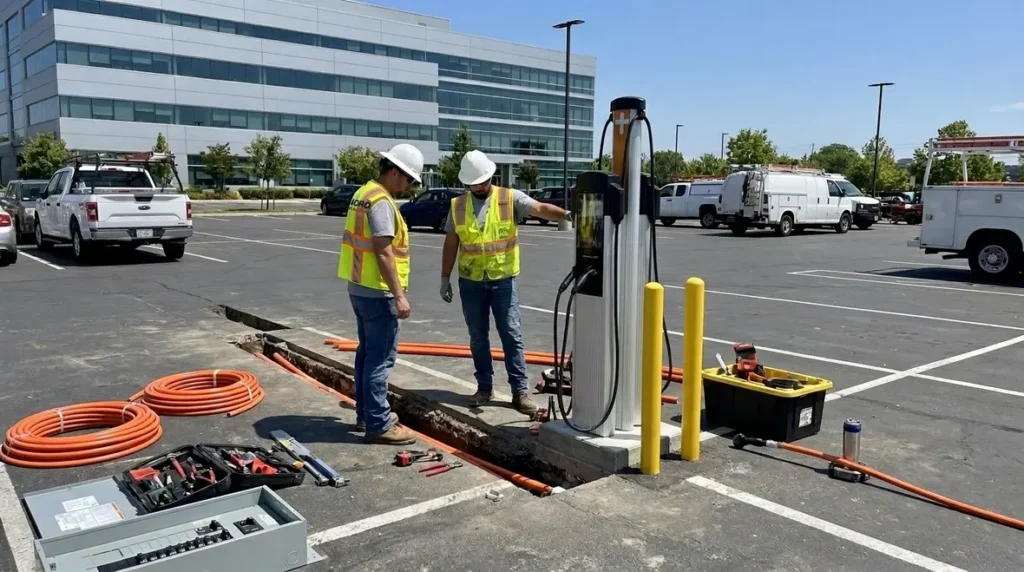
Fleet electrification electrical requirements shape the entire project long before any truck plugs in. In commercial and industrial facilities and major property buildings, we plan around power, space, safety, and future growth. That means we start by understanding utility capacity, electrical load, and charging patterns, then we design the electrical system to handle real world demand. Our technicians and expert service staff explain each step in clear terms, so decision makers do not feel like they are reading a science fiction manual. And yes, we have heard the joke that “charging is easy, just plug it in.” That is true for home chargers, not for a fleet. Here, planning is the part that prevents expensive surprises later.
Now, let us walk through the electrical requirements that matter most, and how we scale infrastructure without turning your electrical room into a crowded storage closet.
Site load planning that does not guess
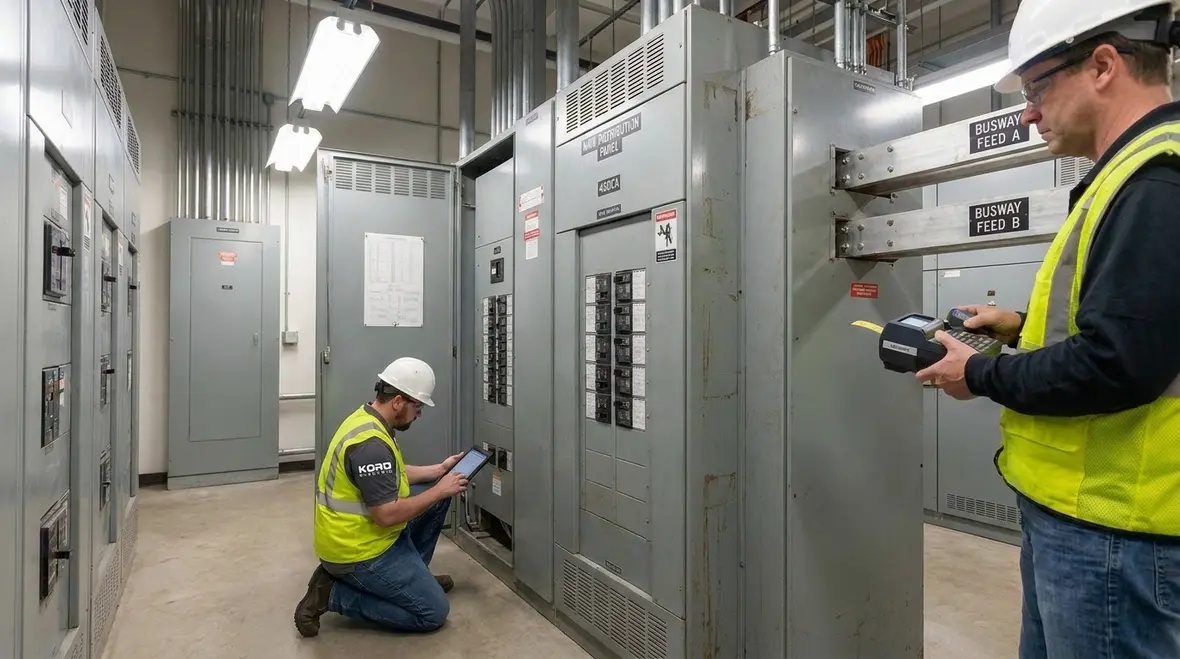
In the commercial and industrial setting, fleet electrification electrical requirements begin with load planning. First, we map the fleet charging schedule. Drivers do not charge the way marketing decks imagine. So we work from actual shift times, dwell times, and vehicle mix. Then we calculate peak demand and demand growth. Next, we analyze how the facility already uses power for HVAC, lighting, process loads, elevators, refrigeration, and any other critical systems.
As load planning tightens, we also account for diversity. Not every vehicle charges at full output at the same moment. Even so, planners need a method that stays conservative enough for safety. Therefore, we model charging as power blocks and we compare those blocks against available service capacity. If the math does not add up, we do not “hope.” We adjust the charging strategy or we prepare electrical upgrades. That is how we keep the system stable, reliable, and compliant.
For a deeper dive into how this thinking connects to broader commercial load assessments, many facility teams pair fleet planning with a structured review like a commercial electrical load capacity assessment. That way, the same data that protects critical systems also clarifies how much charging the building can safely add without guesswork.
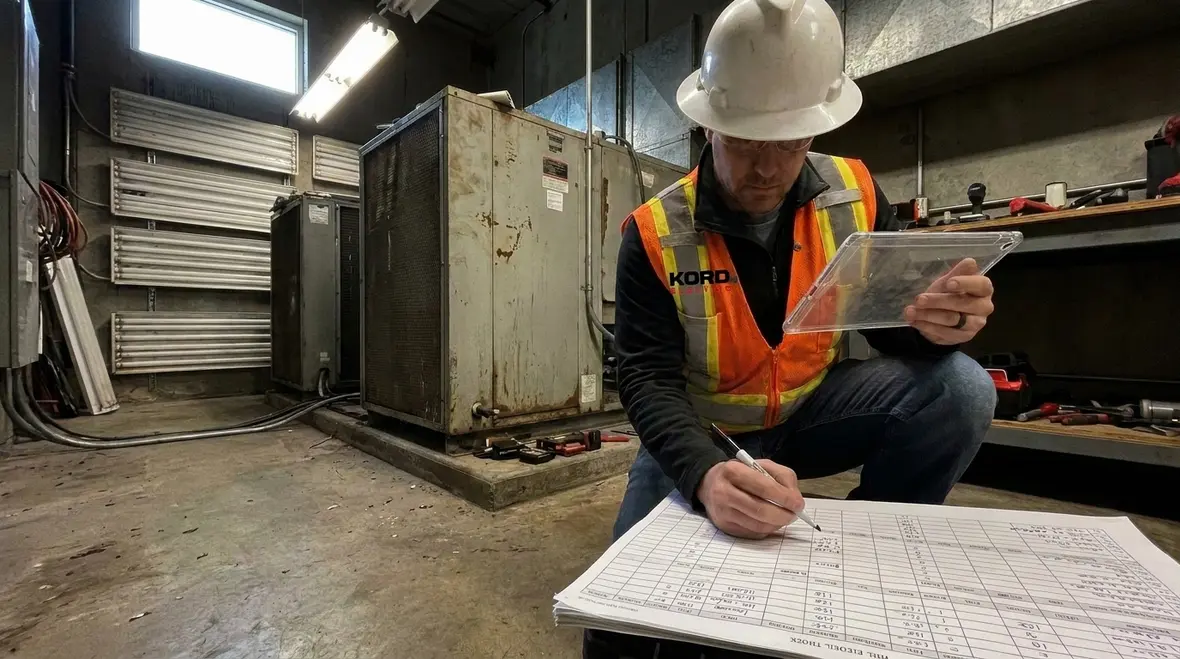
How service upgrades and switchgear fit the bigger picture
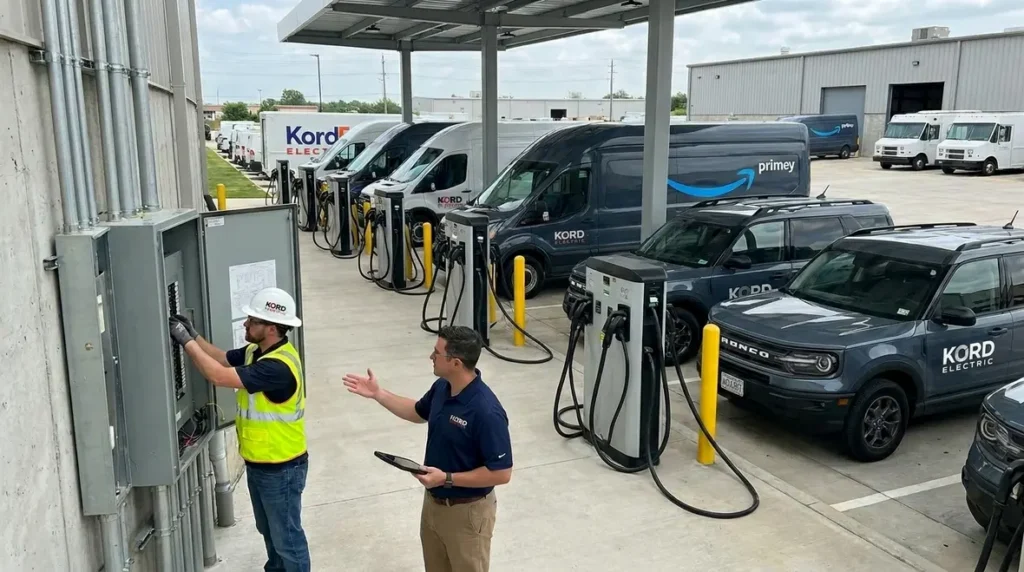
Once the load model is clear, we look at the electrical backbone. In major property buildings and industrial sites, the service entrance and switchgear often decide the timeline and budget. When utility capacity is tight, we may need demand management and phased construction. If the facility needs a service upgrade, we plan switchgear ratings, bus configurations, and feeder paths with future expansion in mind.
At this stage, our technicians explain what the facility can safely add now versus later. For example, we discuss how conductor sizing affects voltage drop, how breaker coordination impacts fault performance, and how labeling and metering supports operations. In other words, we make the system easier to run. And for the folks who love control panels like they are watching a sitcom, we still keep it calm and readable.
Also, we align electrical design with charging hardware. If the chargers include load sharing, we coordinate the control logic at design time. That helps the final design match the way the chargers actually behave under load. When projects involve broader infrastructure improvements, tying this work into an electrical infrastructure upgrade planning guide keeps service upgrades from becoming a one off patch instead of a strategic backbone for fleet growth.
Conduit, feeders, and panel design for real uptime
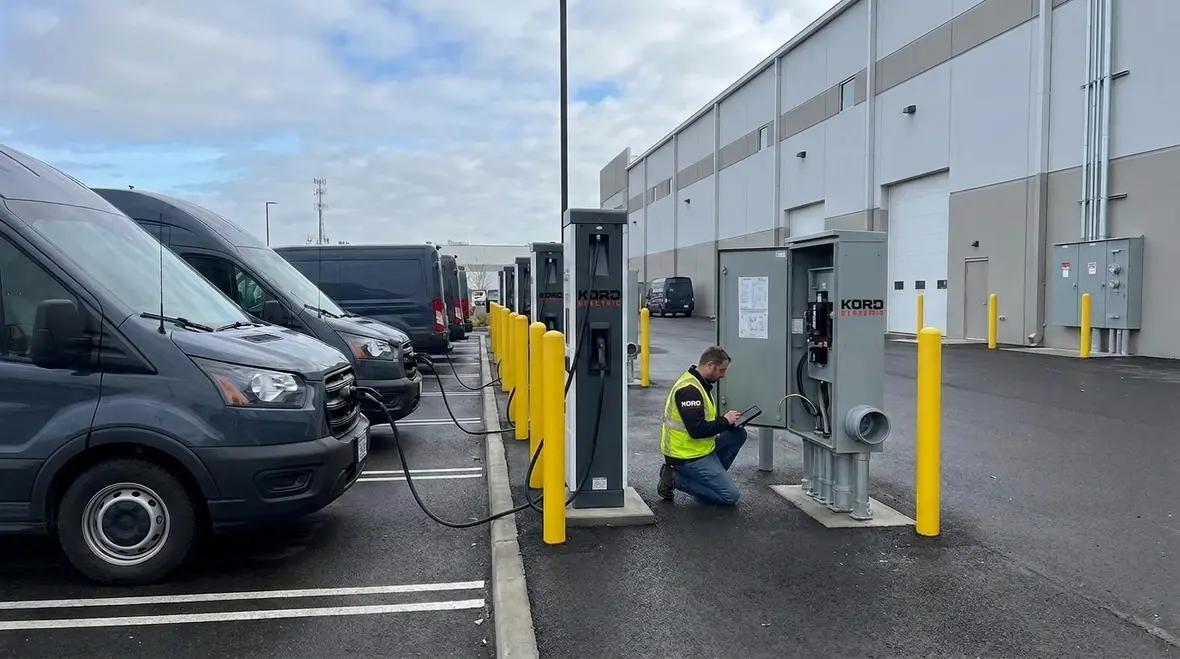
Most failures do not come from “bad luck.” They come from parts that were chosen for an early plan that never changed. So we design conduit runs, feeders, and panels with uptime as the priority. First, we create cable routing that respects vehicle paths, equipment clearances, and maintenance access. Then we size feeders for expected continuous loads and we include allowances for future expansion.
Next, we build panel layouts that operators can understand. We use clean labeling, logical circuit grouping, and metering layouts that support billing and reporting. Additionally, we consider physical protection in harsh environments. Industrial facilities do not care about our feelings, they care about heat, dust, moisture, and impact.
For scaling, we recommend growth ready electrical pathways. That means spare conduit where feasible, modular panel planning, and space planning for added breakers. In effect, the wiring that gets installed now should not force costly rewrites later. Paired with solid electrical system documentation practices, this makes future fleet electrification work easier to execute, faster to permit, and far less disruptive to ongoing operations.
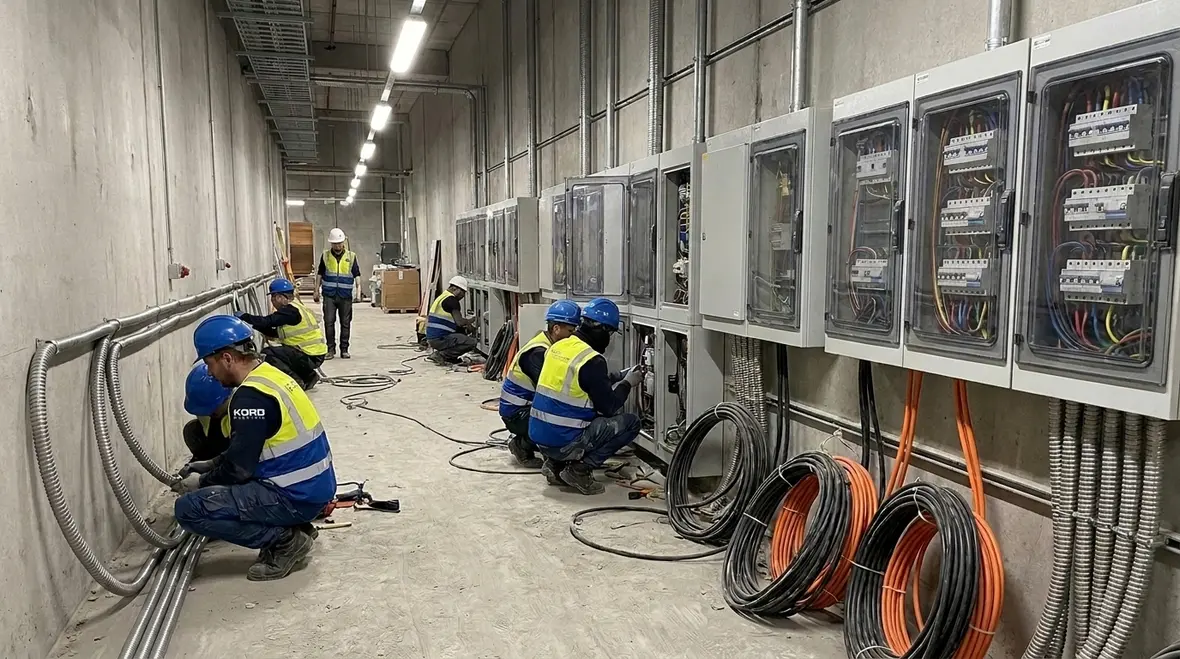
Safety, grounding, and protection for fleet charging stations
Safety is not a checkbox. It is a system design requirement. Our expert service staff explains that protection starts with correct grounding and bonding, then continues with proper overcurrent protection, fault protection, and device selection. For commercial and industrial facilities, we also pay close attention to separation of circuits, proper enclosure ratings, and safe access to electrical equipment.
Then we handle the charging infrastructure as part of the site electrical system. We consider how charging circuits interface with the facility’s grounding electrode system. We review how breakers will trip under fault conditions and how the design keeps critical loads stable. While that sounds technical, we keep the story simple: a charging network must fail safely, not loudly.
And yes, we sometimes hear that safety steps “slow projects down.” But when a design avoids rework and downtime, safety steps actually speed things up. It is like wearing a seatbelt. It is not exciting, but it keeps the whole ride on the road. In practice, the same discipline that protects people and equipment also makes it easier to layer in controls, monitoring, and future service without turning every update into a crisis.
Planning for scale: charging capacity that grows with the fleet
Fleet electrification does not pause after the first installation. So we plan for scaling from day one. Our process aligns with the Commercial EV Charging Planning Guide we share on our blog, including how to grow capacity, manage infrastructure, and scale without tearing up the site later. In practice, scaling means we select design paths that support incremental expansion. Instead of building only what exists today, we build for the next phase.
Therefore, we evaluate charger deployment as an evolving portfolio. We map where chargers will land next, how many ports will expand, and what power levels will change. Then we coordinate control strategies such as load balancing and dynamic power sharing where appropriate. This can reduce the need for immediate utility upgrades while still meeting charging needs.
In addition, we plan metering and monitoring so operators can track actual usage and verify performance. When data shows charging patterns, we can adjust schedules and demand strategies. That is how fleet managers avoid guesswork. Meanwhile, our technicians document the electrical configuration so the next expansion is smoother, safer, and faster.
To keep the project business friendly, we also phase the work to match facility operations. Charging projects often run in parallel with warehouse operations, deliveries, and scheduled maintenance. We coordinate installation windows, power outages, and commissioning steps so the site keeps running. If you want to see how that phasing translates into a broader roadmap, our Commercial EV Charging Planning Guide: Scaling Infrastructure With Confidence walks through how we stage capacity, construction, and controls so charging growth feels deliberate instead of improvisational.
Commissioning, testing, and documentation that facilities can use
Electrical work only counts when it is proven. After installation, we commission the system using structured testing. First, we verify continuity, insulation resistance, conductor connections, and breaker operation. Then we test the charging network through commissioning scenarios that reflect real demand. Next, we confirm metering accuracy, communication status where applicable, and load behavior under normal and peak conditions.
Our expert service staff also delivers documentation that helps facility teams manage the system. That includes as built one line diagrams, panel schedules, circuit lists, and labeling standards. Additionally, we provide operation notes and maintenance guidance so your team does not need to call us just to interpret a breaker tag.
Finally, we support handoff. We explain what to monitor and what signs indicate a problem. If someone asks, “Will it work?” we answer with the truth: it will work because we tested it, and we documented it in a way that makes sense. That same mindset underpins how we plan EV charging infrastructure scalability for commercial sites: no mystery steps, no hidden switches, just a testable path from power source to charging port.
Featured FAQ for commercial fleet charging electrical planning
CTA: let Kord Electric map your electrical path to fleet readiness
Fleet electrification success comes from planning that fits the real electrical room, not a best case fantasy. Kord Electric supports commercial and industrial facilities and major property buildings with load planning, safe electrical design, and scalable infrastructure that grows with the fleet. Our technicians and expert service staff walk leaders through the process, explain the tradeoffs, and test the system so it performs after handoff.
If you are coordinating fleet readiness as part of a broader property strategy, it helps to work with a team that already handles Los Angeles County commercial and industrial electrical services day in and day out. That way, the same people who design your charging plan also understand how it fits into lighting, HVAC, process loads, and critical systems that share the same backbone.
When you are ready to turn planning into field work, you can also align fleet charging with dedicated EV charger installation services so trenching, routing, commissioning, and documentation follow one calm, coordinated path instead of a patchwork of vendors.
If you are ready to move from discussion to deployment, contact us for a site focused assessment and a clear electrical plan that matches your fleet goals, your facility realities, and your long term expansion strategy.