Industrial Electrical Grounding for Facility Safety
Industrial Electrical Grounding Importance for Facility Safety
Industrial electrical grounding importance is not just a nice-to-have. It is a core part of keeping people safe, protecting equipment, and reducing the risk of costly downtime. When a facility’s electrical system fails to ground correctly, a small problem can grow fast, like a grease fire in a cartoon. Yet it usually starts quietly, inside walls and panels most visitors never see. That is where Kord Electric steps in. Our team helps commercial and industrial facilities build and maintain safe grounding paths, so the system can respond the way it should when things go wrong. And yes, we explain what we do in plain language, because even if electrical work has its own vocabulary, it should not feel like you need a decoder ring to understand it.
Why grounding matters when power behaves badly
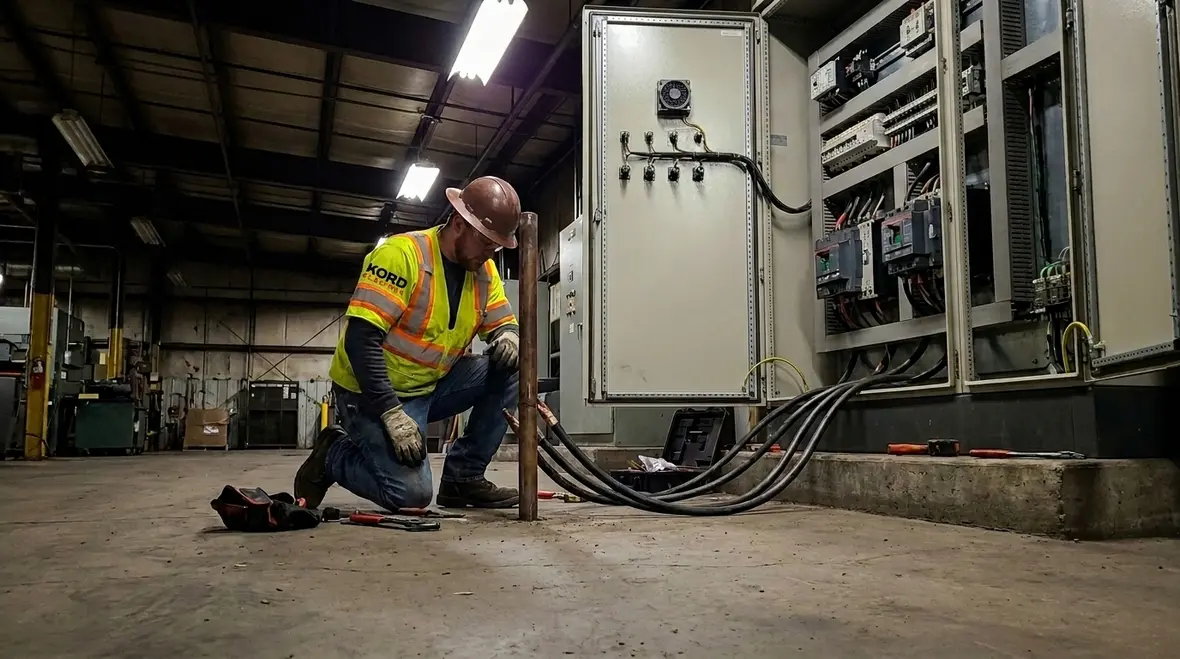
In the real world, power does not always act polite. Lightning, switching surges, equipment wear, and even loose connections can create dangerous voltage differences. Therefore, a proper ground system gives excess energy a clear route to travel, instead of forcing current through a person, a metal enclosure, or a control circuit. In addition, grounding supports protective devices like fuses and breakers, because they need a stable fault reference to trip fast. If the ground path is weak or broken, protective devices may delay or fail to act.
Our technicians, including our experienced service staff, often show facility managers how a fault current finds its path. For example, they explain that the “path” is not one wire; it is an interconnected system that includes grounding electrodes, bonding points, and conductors. Then they connect that to safety outcomes, like reducing shock risk and lowering the chance of equipment damage.
Bonding versus grounding: what your facility actually needs
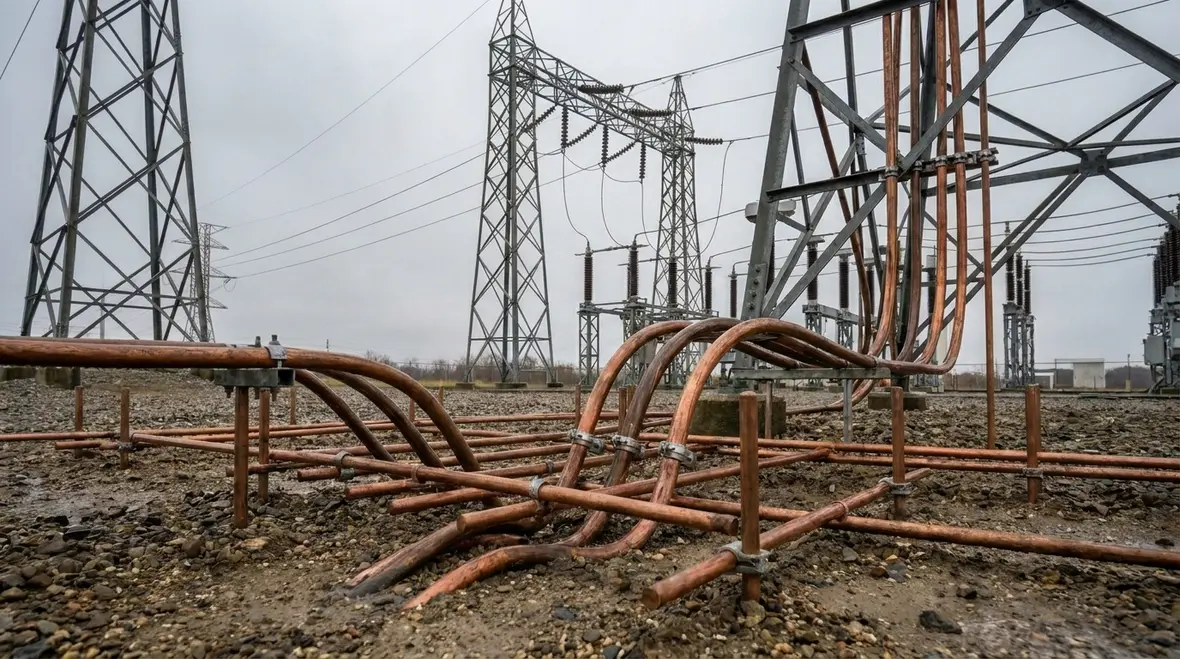
Many facilities treat grounding and bonding like they mean the same thing. However, they do not. Grounding connects equipment and the system to earth, while bonding ties conductive parts together so they stay at the same electrical potential. If these pieces do not work together, touch voltage can rise, and stray current can wander. Consequently, the equipment may look fine, but the safety margins quietly shrink.
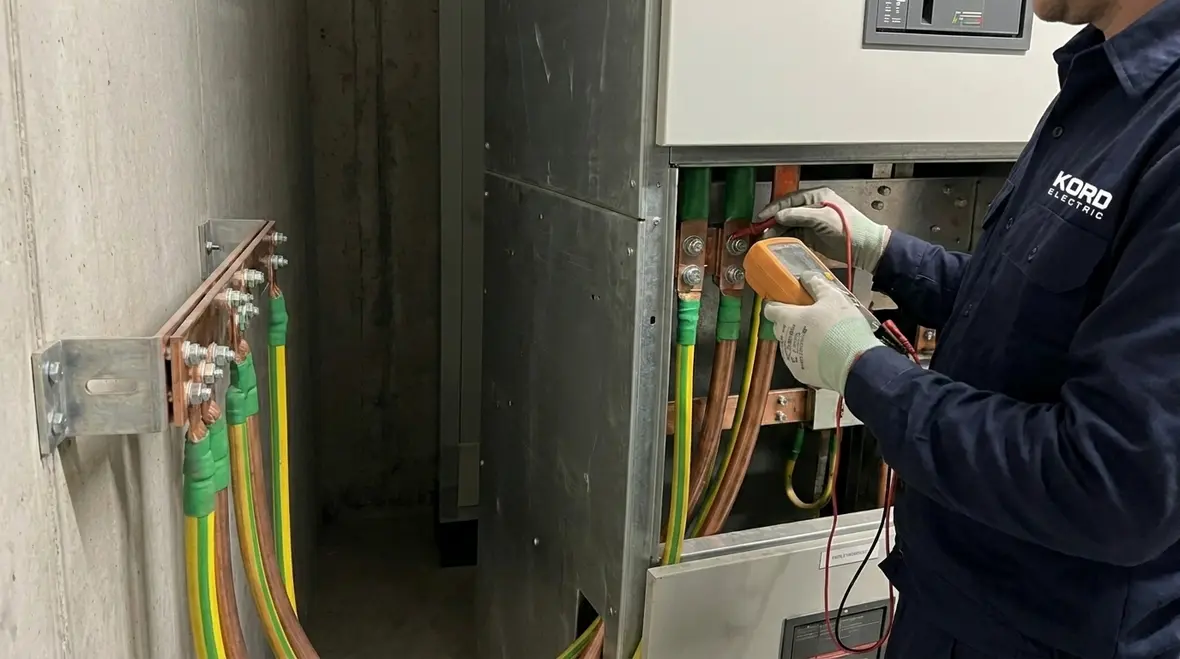
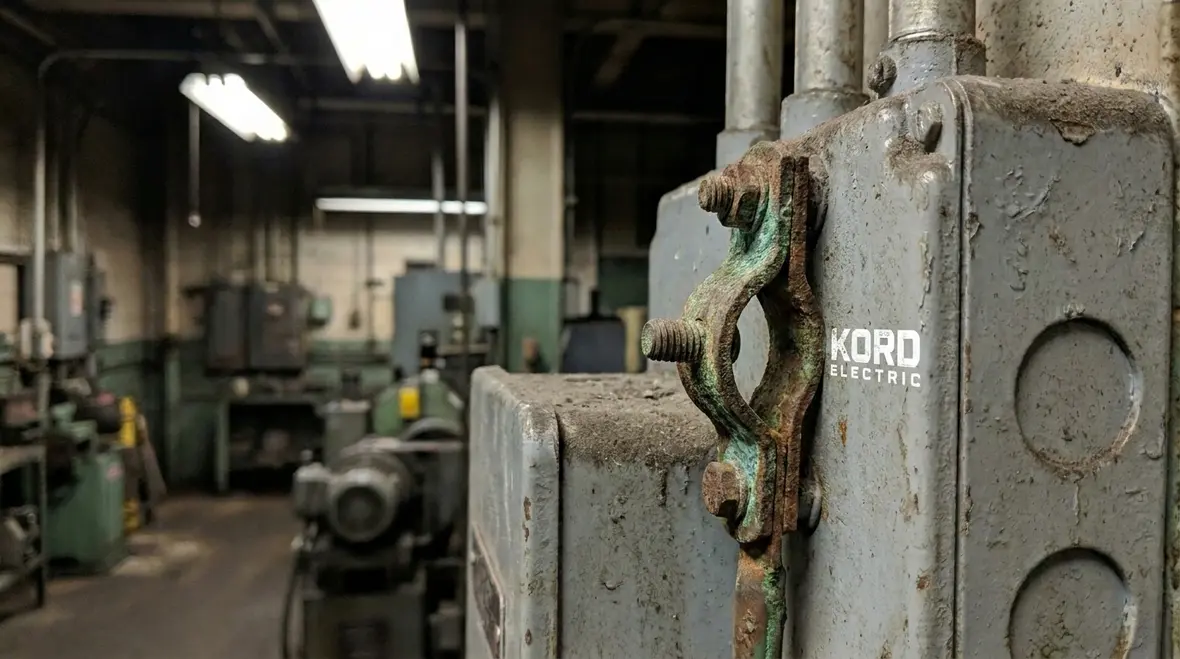
At Kord Electric, our approach focuses on how the full layout performs. We examine where conductive parts meet, where metal raceways connect, and how enclosures, boxes, and cable sheaths get bonded. Then we look at the grounding electrode system and verify continuity through the main bonding network. Moreover, we check for conditions that commonly break these connections over time, like corrosion, repairs done years ago without a bonding plan, or building additions that did not match the original design.
Where failures show up in commercial and industrial buildings
Ground issues rarely announce themselves as a headline. Instead, facility teams spot the consequences: nuisance tripping, unexplained equipment outages, inconsistent performance in controls, or corrosion near grounding points. In older buildings, especially those that have gone through expansions, reworks, and panel upgrades, grounding paths often become fragmented. That is because each change may introduce new conductive routes without properly maintaining the bonding and grounding network.
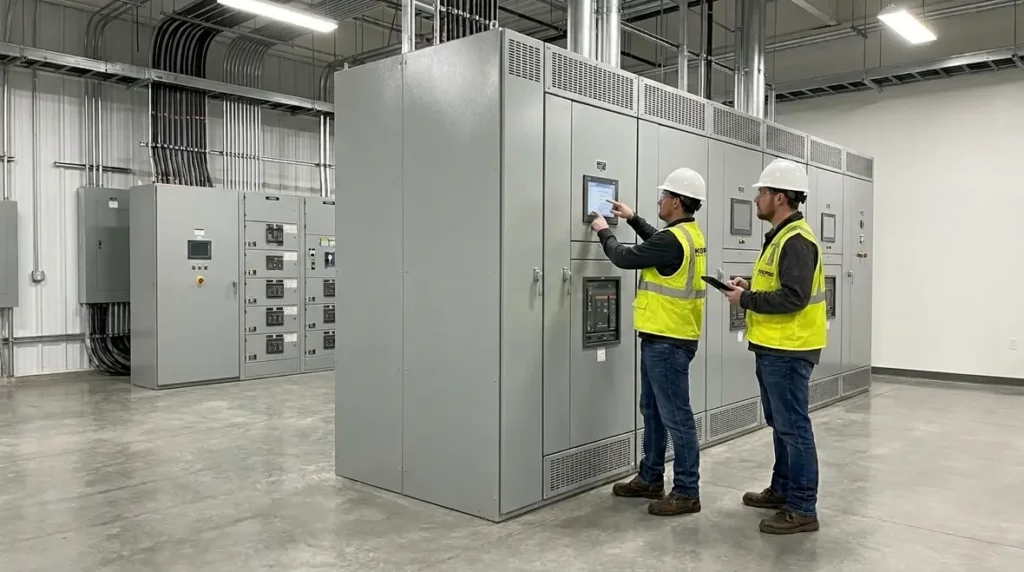
We often see these trouble spots in places like electrical rooms, motor control areas, and locations with heavy equipment cycling. Switchgear, transfer switches, and power distribution panels take a lot of stress. Over time, thermal cycles and vibration can loosen connections. So, even if someone tightens a lug “enough,” the connection may not meet the required standard for long term stability. Additionally, facilities that rely on multiple subpanels across different sections of a property can face mismatched grounding if the bonding strategy does not carry through the whole system.
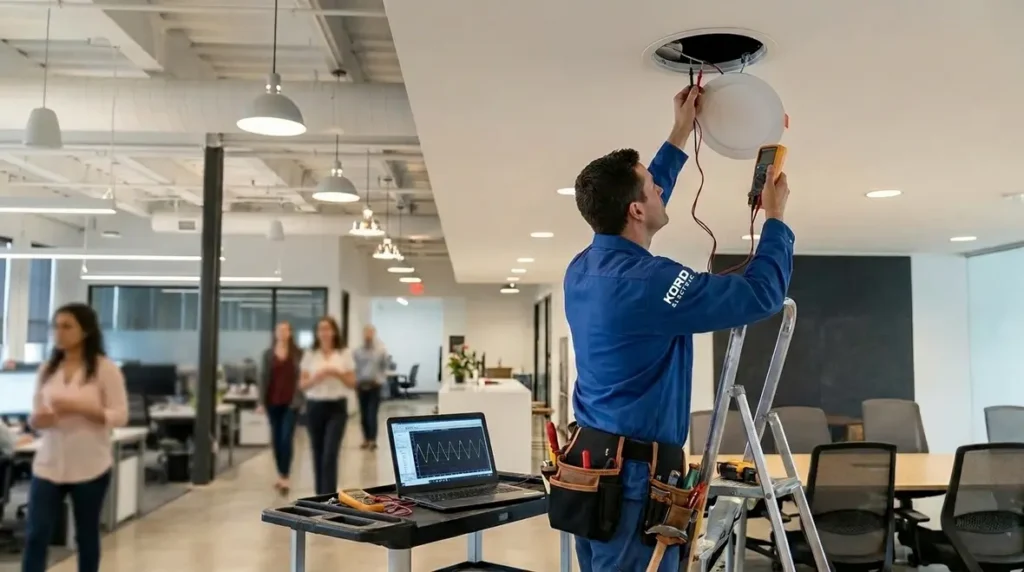
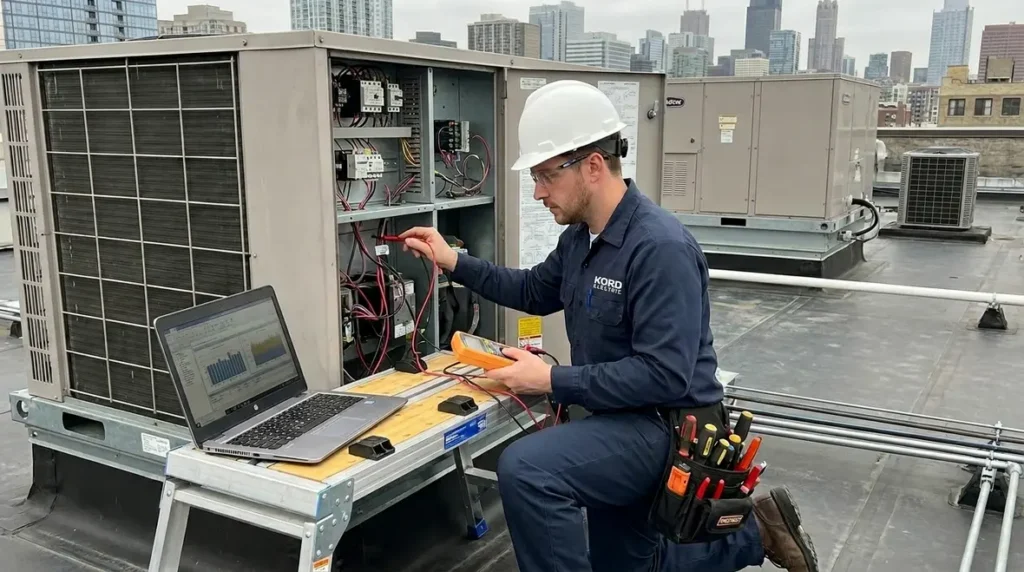
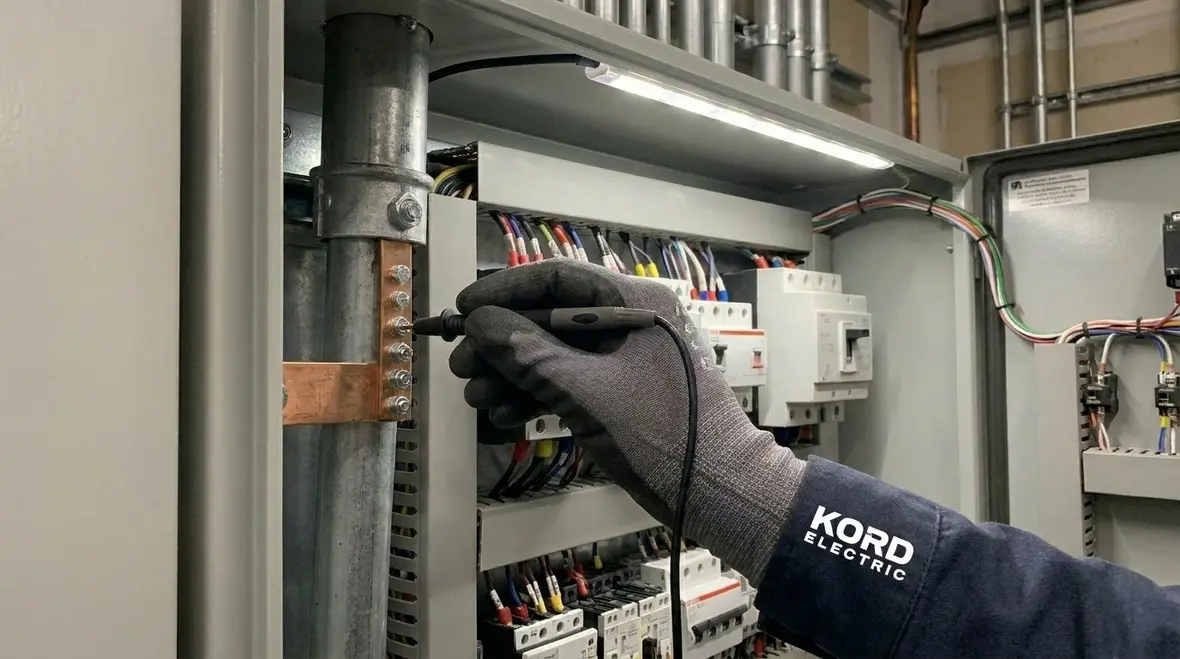
Our expert service staff does not just point to a problem; they trace it. They check continuity, measure resistance where appropriate, and verify that bonding exists where it matters. Then they document what they found so the facility team can plan repairs with confidence.
How proper grounding reduces risk and protects assets
When industrial electrical grounding importance is treated seriously, the benefits show up in day-to-day operations. First, grounding helps reduce shock risk by limiting how much voltage can appear on metal enclosures. Second, it supports equipment safety by lowering the chance of damage caused by fault energy and uncontrolled surges. Third, it improves reliability by giving protective devices a better chance to act quickly and consistently.
In addition, grounding plays a role in power quality. Even if a facility does not chase perfect “numbers,” it still needs stable control circuits. Control systems hate surprises. Therefore, a solid grounding and bonding scheme can reduce unwanted interference that affects sensors, drives, and communication lines. And for facilities with sensitive processes, these small improvements can mean fewer shutdowns, fewer service calls, and smoother production schedules.
Here is the part that gets skipped too often: maintenance. Grounding systems face harsh environments, especially in industrial settings. Moisture, dust, chemical exposure, and vibration can all affect performance. We help facilities treat grounding like a living system, not a one-time install. For teams building long-term strategies, pairing grounding inspections with structured electrical preventive maintenance programs keeps risks visible instead of hidden.
What Kord Electric does during grounding inspections and upgrades
Kord Electric serves commercial and industrial facilities and major property buildings, and we keep our process grounded in practical outcomes. We start by reviewing the electrical one line diagram, grounding electrode details, and how bonding has been handled across the distribution system. Then we do a field walk with our technicians, because the drawings do not always match reality after years of repairs.
Next, we inspect the components that quietly carry the load during faults: bonding jumpers, grounding conductors, grounding electrode connections, and the integrity of metal paths. We also check for condition issues like corrosion, missing bonds, and modifications that bypass the original design. After that, we run tests based on the needs of the facility and the equipment. Finally, we discuss the results and recommend upgrades that address both safety and reliability.
For facilities planning electrical changes, we coordinate grounding work with other system upgrades. Therefore, you do not end up with a shiny new panel that still depends on an old, unreliable grounding path. If a project also includes broader commercial electrical changes, our team can align the grounding plan with the overall scope. In fact, the kind of cost thinking described in our rewiring cost guide for commercial electrical systems helps teams budget for commercial electrical systems with less surprise. You already spend money on the parts you can see; we help you invest in the protections that you cannot afford to ignore.
Budgeting grounding work without sacrificing safety
Facility leaders often ask what grounding upgrades cost and how they fit into the schedule. The best answer depends on how much the grounding system needs to be corrected and how many areas get impacted by the work. However, the bigger picture stays simple. Safety repairs usually cost less than recurring downtime, equipment losses, and emergency callouts. And yes, “we will deal with it later” is a plan, but it is also a classic sitcom move that ends with someone yelling at a breaker. Real facilities deserve better than that.
When we estimate grounding work, we break the task into realistic steps so decision makers can plan. First, we define what needs correction based on inspection results. Next, we outline the scope for bonding updates, conductor replacements, and grounding electrode improvements where needed. Then we identify any coordination required with electrical shutdown windows, access constraints, and other trades.
Because grounding touches multiple parts of the system, we help facility teams avoid costly rework. That means we verify connections and test performance after changes are completed. In the end, you get a grounding system that supports protection devices, reduces risk, and helps keep your facility stable. For organizations formalizing a long-term safety strategy, aligning grounding upgrades with a broader commercial and industrial electrical maintenance plan can turn one-time fixes into a predictable reliability program.
FAQ
Bring safer power to your facility with Kord Electric
If a facility wants fewer electrical surprises, it starts with a grounding system that works the way it should. Kord Electric provides inspections, testing, and grounding upgrades for commercial and industrial facilities and major property buildings. Our technicians explain each finding in clear terms, then we plan the right fixes with your schedule and safety goals in mind. Call Kord Electric today to review your grounding setup, identify risks, and protect your people and assets before a fault forces the issue.
For facilities that depend on continuous uptime, pairing grounding improvements with targeted services like resolving voltage fluctuations in commercial and industrial facilities can further stabilize operations. And when you are ready to formalize a long-range reliability plan, Kord Electric’s dedicated electrical preventive maintenance services help keep those improvements performing year after year.
If your team is planning larger upgrades, from panel replacements to full power distribution work, coordinating grounding strategy with those projects ensures each investment pulls in the same direction. Whether you are addressing hidden electrical risks, preparing for future expansion, or simply ready to retire the “we will deal with it later” plan, Kord Electric keeps the focus on practical safety, clear communication, and long-term facility stability.
To align grounding with a broader commercial electrical roadmap, Kord Electric can also connect your facility’s grounding upgrades with services beyond maintenance, such as lighting installation for large-scale environments or system-wide power quality corrections. The goal is simple: build a grounded, code-compliant electrical backbone that supports the way your facility actually operates, not just the way it was drawn decades ago.