Industrial Lighting Control Strategies for Plants
Advanced Industrial Lighting Control Strategies for Better Plant Performance
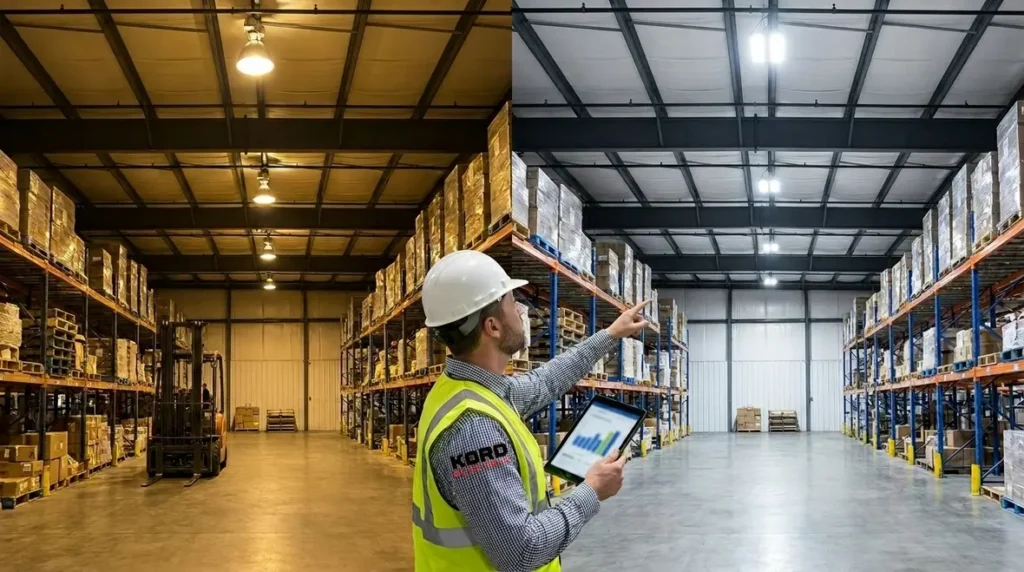
At Kord Electric, we see the real payoff of Industrial Lighting Control Strategies the moment a facility stops wasting energy and starts running smoother. Our teams design control approaches that protect schedules, reduce heat load, and keep maintenance from turning into a surprise party nobody RSVP’d for. First, we align lighting zones with how work actually moves through a space. Then we add the right dimming behavior, sensing layers, and scheduling rules so lights respond to conditions instead of human memory. Finally, we build in monitoring and service access, because if nobody can verify what the system is doing, the system is just guessing. And guessing is fine for sports predictions, not for a critical production floor.
Why industrial facilities need lighting control beyond simple timers
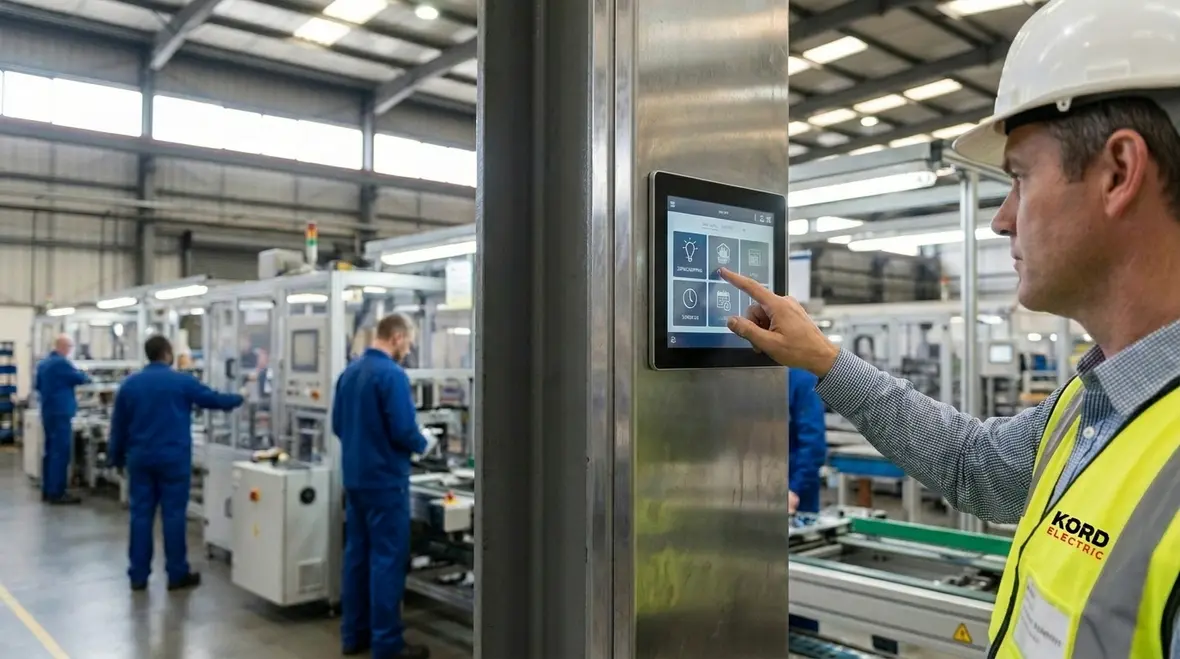
In commercial and industrial buildings, lighting affects more than comfort. It can change safety margins, influence task quality, and drive HVAC demand because lights create heat. Traditional timers only ask one thing: “Do we turn on at the right time?” Modern approaches ask better questions: “Do we deliver the right light level at the right moment, in the right place, with the right savings?”
When our expert service staff installs these systems, we build control logic that supports operations. That means handling shift schedules, accommodating changes in occupancy, and protecting critical areas from unexpected dimming. As we work, our technicians explain each decision in plain terms, so the facility team understands what the controls do and why they do it.
How zoning and occupancy sensing cut waste without hurting productivity

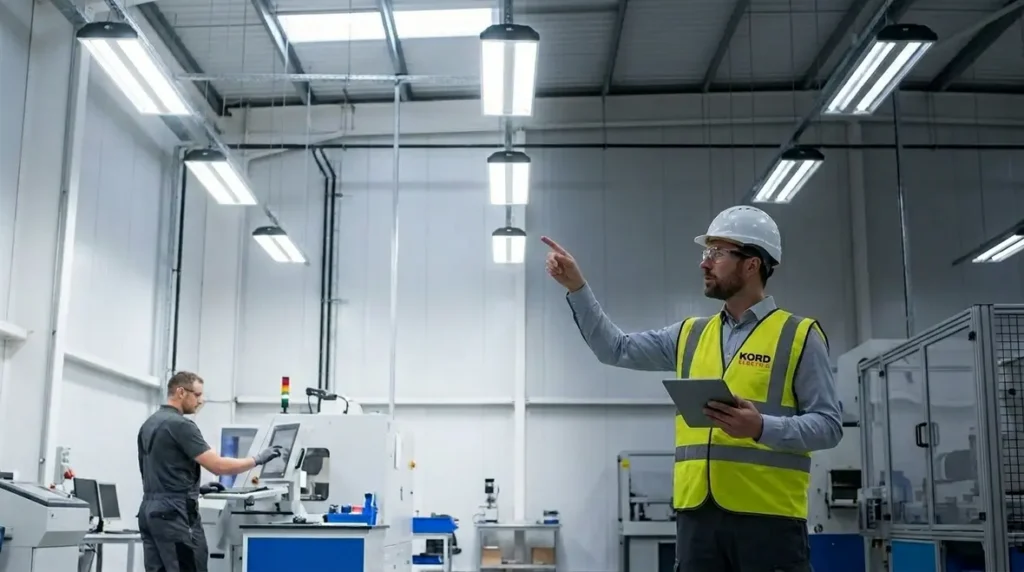
Let’s talk about what we do first on most projects: zoning. We divide a facility into lighting zones that match work patterns. For example, a warehouse aisle that sees brief forklift traffic does not need the same behavior as a packing station that stays active for hours. Therefore, we link each zone to occupancy inputs and task needs.
Then we choose occupancy detection methods that fit the environment. In some areas, motion plus time delays works well. In others, we use multi-sensor setups that better handle heat, airflow, and varying staff movement. And because nobody wants the lights to flicker like a cheap movie spotlight, we tune the transition times and dimming curves.
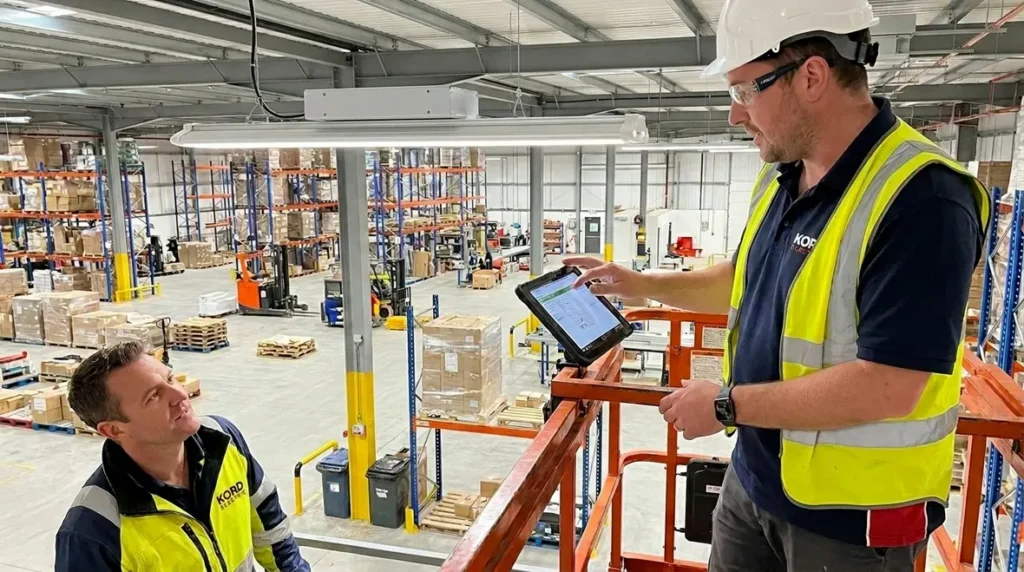
Our technicians often show the difference through live demonstrations during commissioning. We might walk a supervisor through a zone response test, then adjust the settings on site. In the end, the system reduces energy spend while still keeping visibility where people work.
For facilities planning upgrades, pairing smart zoning with a well-designed industrial lighting layout is especially powerful. When zoning and fixtures are planned together, as described in Kord Electric’s Industrial Lighting Layout Optimization for Efficiency resource, plants gain smoother light distribution and better control coverage across each production area.
Daylight harvesting and scheduling that actually match building reality
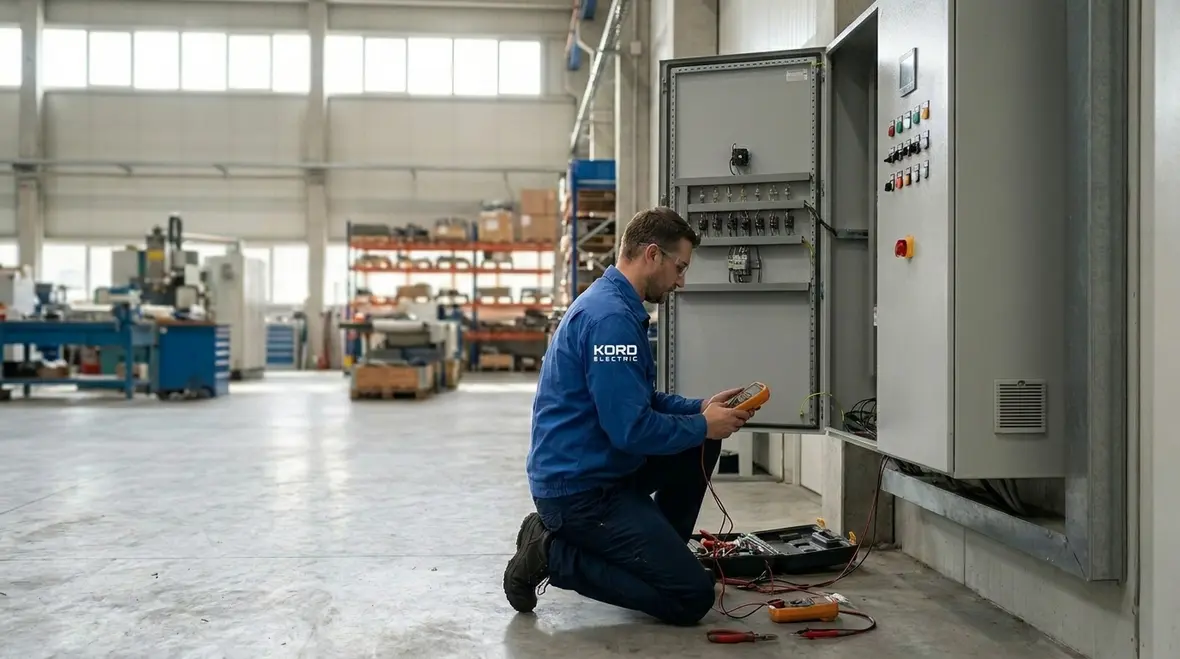
Daylight harvesting sounds simple until it meets real weather, reflective surfaces, and changing interior usage. To make it work, we combine daylight sensors with controls that manage dimming targets. Consequently, the lights dim when natural light reaches the setpoint, and they hold stable brightness when clouds roll in.
Scheduling is the other piece. We do not just copy a calendar and hope for the best. Instead, we build schedules that match shift handoffs, cleaning rounds, and maintenance windows. Then we layer overrides for events, after-hours tasks, and emergency readiness.
As our experts explain, the goal is consistency. Lights should never feel random to occupants or confusing to facility managers. So we provide clear labeling, straightforward control interfaces, and a documented approach the team can follow.
For plants operating under Title 24 or similar standards, aligning daylight harvesting and schedules with compliance requirements also matters. That is where pairing these Industrial Lighting Control Strategies with guidance from resources like Kord Electric’s Lighting Installation Code Compliance Guide helps facilities keep both inspectors and operators satisfied.
Maintenance planning that prevents lighting controls from becoming a mystery

Controls fail when nobody can see what is happening, or when small issues grow into bigger ones. That is why we connect our installation to maintenance plans designed for commercial and industrial electrical systems.
In fact, Kord Electric supports electrical maintenance planning through structured programs like the ones described in our Commercial and Industrial Electrical Maintenance Plans resource. We build service routines around what the facility needs, not generic checklists. For example, we verify sensor health, inspect control panels, confirm firmware status when applicable, and test fail-safe responses. We also validate schedules and zone logic so the system stays aligned with any workflow changes.
Now here is the calm part: when we maintain the system on a routine basis, the facility spends less time chasing intermittent issues. And when issues do appear, our technicians can isolate the cause faster because we already know the normal baseline. Even the best lighting controls work harder when maintenance removes the guesswork.
Many plants also connect lighting control care with broader electrical preventive maintenance programs. That way, panel inspections, thermal scans, and control checks all follow the same schedule, and operations teams see one clear picture instead of separate, disconnected reports.
Networked monitoring, alerts, and the right response workflow
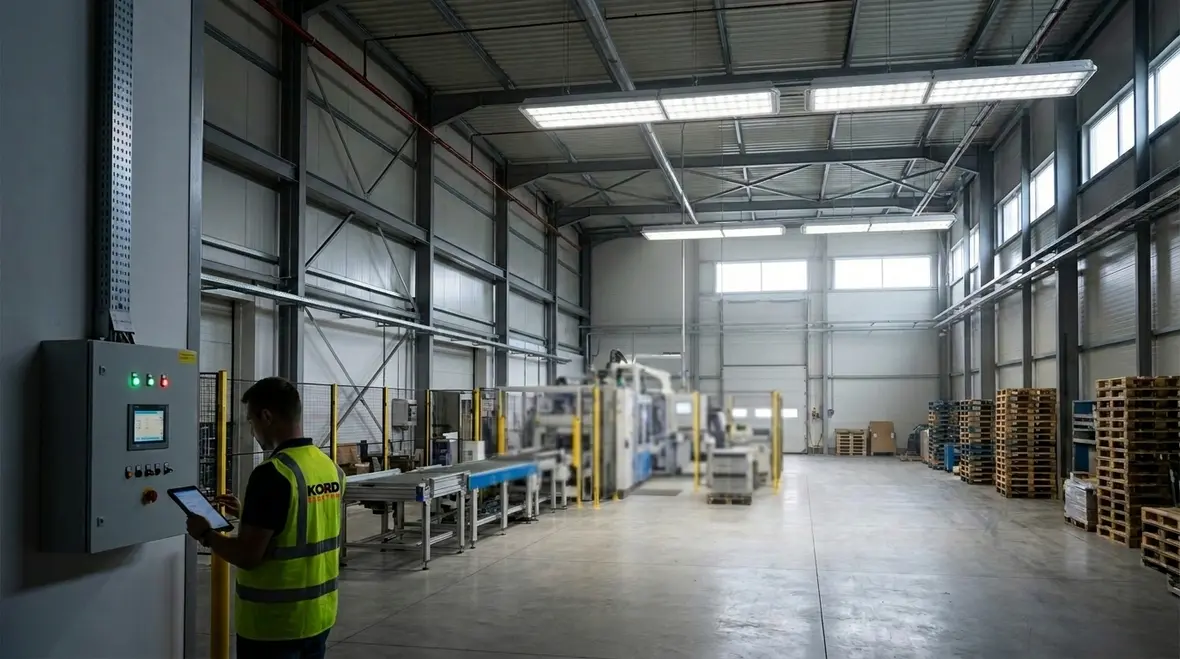
Once a lighting control system gets integrated into building operations, monitoring becomes the advantage. We recommend solutions that provide feedback on zone status, sensor faults, and control performance trends. Then we set alerts so the right people get notified, without flooding inboxes like a bad group chat.
Next, we define a response workflow. This step matters because a facility needs clarity: who checks what, how quickly they respond, and how they verify the fix. Our expert service staff walks teams through the process, so an alarm leads to action, not confusion.
We also help facilities plan how controls connect to existing building management workflows. Some sites want simple reporting. Others want deeper integration. Either way, we prioritize stable operation and straightforward troubleshooting, because the system should support uptime, not compete with it.
When lighting controls share data with power quality studies and broader electrical diagnostics, plants can even catch issues beyond the fixtures themselves. For example, if alerts line up with known voltage fluctuations in commercial and industrial facilities, that pattern points to infrastructure corrections instead of sensor tweaking.
Project delivery: from design intent to commissioning and long term tuning
A lighting control project should not end when the power gets turned on. We deliver it in phases, starting with a design that reflects the site’s actual workflow. Then we install with careful attention to wiring, labeling, and device placement. Finally, we commission and tune the system until it meets the target performance.
Commissioning is where we earn our keep. We test occupancy response, confirm daylight sensor behavior, and verify dimming stability. Then we adjust the control parameters so users experience smooth light transitions, not dramatic mood swings.
After that, we support long term tuning. When operations change, we revisit zones and schedules. Our technicians can adjust setpoints to match new staffing patterns, new production cycles, or renovations. This approach keeps the system efficient while protecting safety and visual standards.
For many facilities, the most effective Industrial Lighting Control Strategies arrive as part of a complete lighting project, not as a bolt-on afterthought. That is why plants often pair control upgrades with dedicated lighting installation services, so fixtures, wiring, controls, and commissioning all follow a single, coordinated plan.
FAQ
Ready to improve efficiency in your facility with better controls?
If you run a commercial or industrial property and you want lighting that performs, not just lights, Kord Electric is ready. Our technicians design, install, commission, and support advanced control systems built for real operations. And because we connect the work to maintenance planning, your system stays reliable instead of becoming a recurring headache. Reach out to us for a site review, and we will map control zones, sensing needs, and maintenance steps to your facility’s workflow. Let’s turn lights into measurable performance.
When you are ready to take the next step, explore how our dedicated lighting installation services support commercial and industrial facilities with design, wiring, and commissioning that match your control goals. From there, we can align Industrial Lighting Control Strategies with long term maintenance, safety, and production targets across your entire plant.