Industrial Smart Lighting Controls for Facilities
At Kord Electric, we design industrial smart lighting controls that help commercial and industrial facilities run cleaner, safer, and more efficiently. Instead of treating lighting like a fixed cost, we treat it like a system that can learn how your spaces actually get used. So when your loading dock needs extra light at shift change, and your warehouse aisle only needs it when traffic picks up, our solutions can respond without a technician guessing or a manager sending another “can we brighten this up?” email.
And yes, we know lighting can feel like a boring topic. But in a real facility, it affects visibility, energy spend, maintenance cycles, and even how people feel when they walk in. Now let’s talk about what smart lighting controls do for industrial operations, and how our team explains it in plain language when service day arrives.
1. Why smart controls reduce waste in industrial spaces
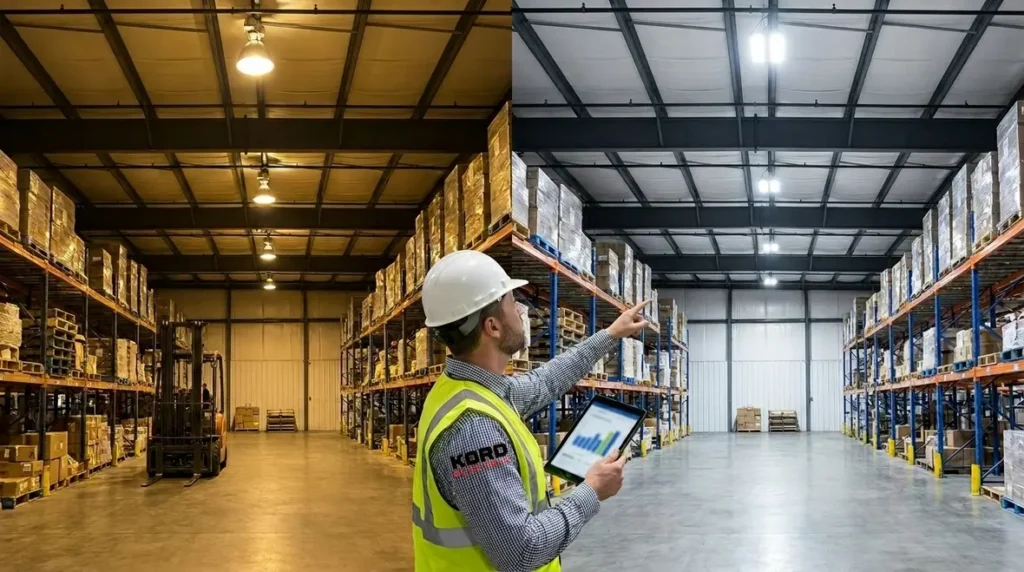
Industrial buildings do not use light evenly. Floors have different usage patterns, outdoor zones have different weather needs, and production lines can change schedules fast. As a result, traditional controls often keep lights running at levels your facility no longer needs. That is where industrial smart lighting controls bring real value.
First, we help facilities manage light by zone and schedule. Instead of one setting for the whole site, lighting can adjust per area based on time, occupancy, or daylight. Then, because the controls can track patterns, teams can spot where energy goes even when no one notices. For example, a dimming setting that was never updated after an equipment upgrade can quietly waste power for months. Our technicians catch that kind of issue because they do not just install and disappear.
Also, smart systems support smarter overrides. So if a maintenance task requires higher illumination in a specific room, staff can raise light levels temporarily without turning the entire building into a sports arena. Which, frankly, nobody asked for unless they also want stadium pricing on the utility bill.
2. How occupancy sensing improves safety and visibility
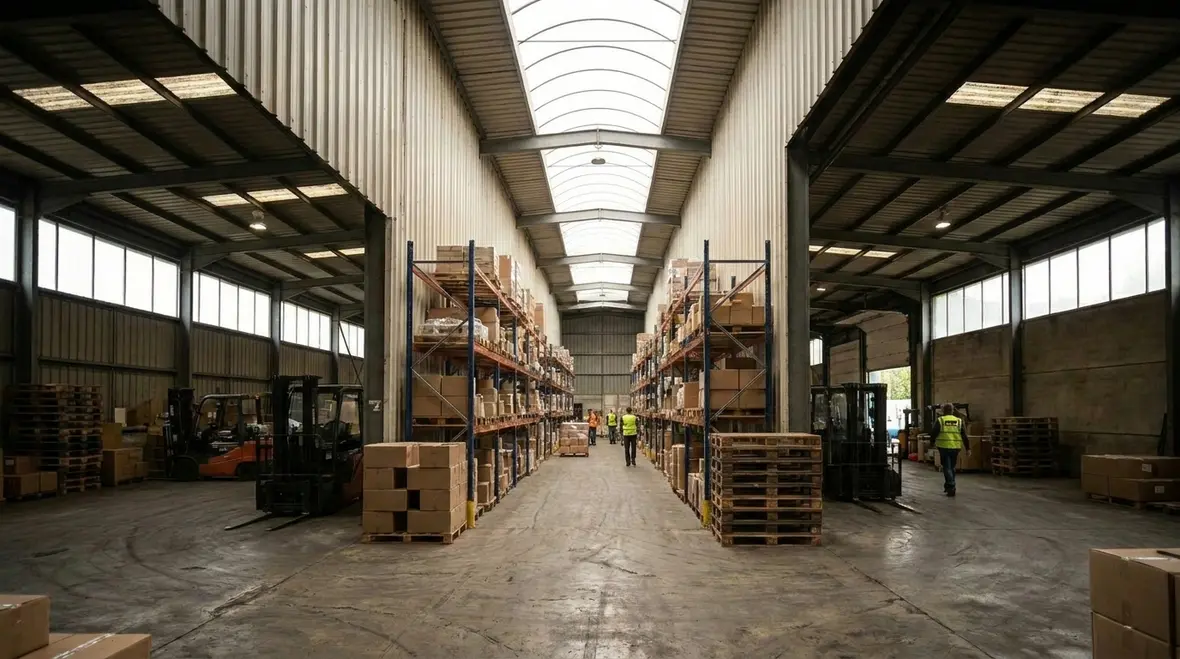
When people work in industrial settings, they need consistent visibility where they walk, work, and store materials. However, if lighting stays too low or too high, problems show up quickly. Low light increases mistakes, while excessive glare can also be a distraction.
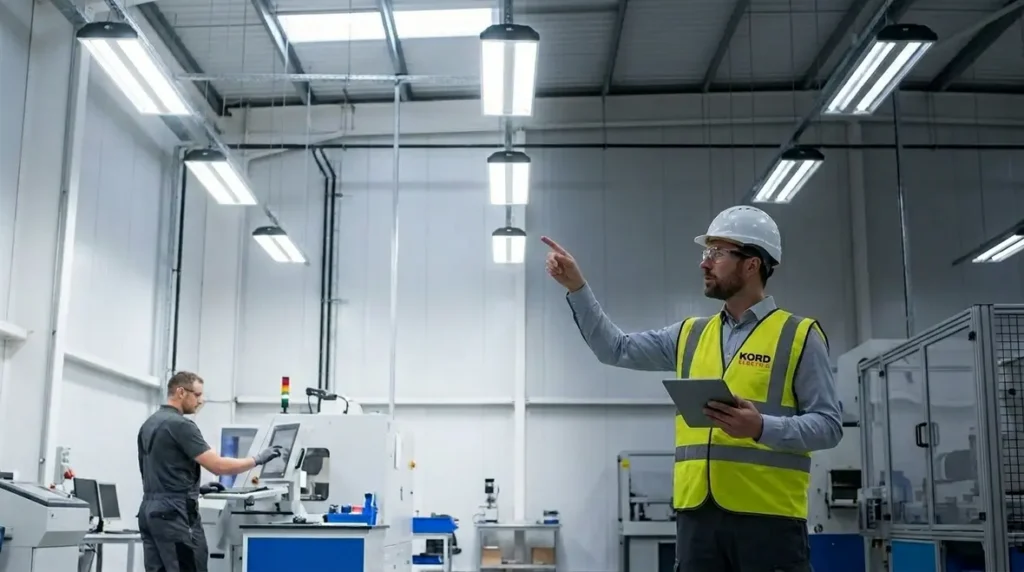
We install controls that pair occupancy sensing with the right lighting behavior. As a result, corridors, stairwells, and less-used work areas can brighten when someone enters and fade when space stays empty. Next, we tune sensitivity for your environment so the system reacts to real movement, not random events. That matters in plants with forklifts, HVAC airflow, and frequent changeovers.
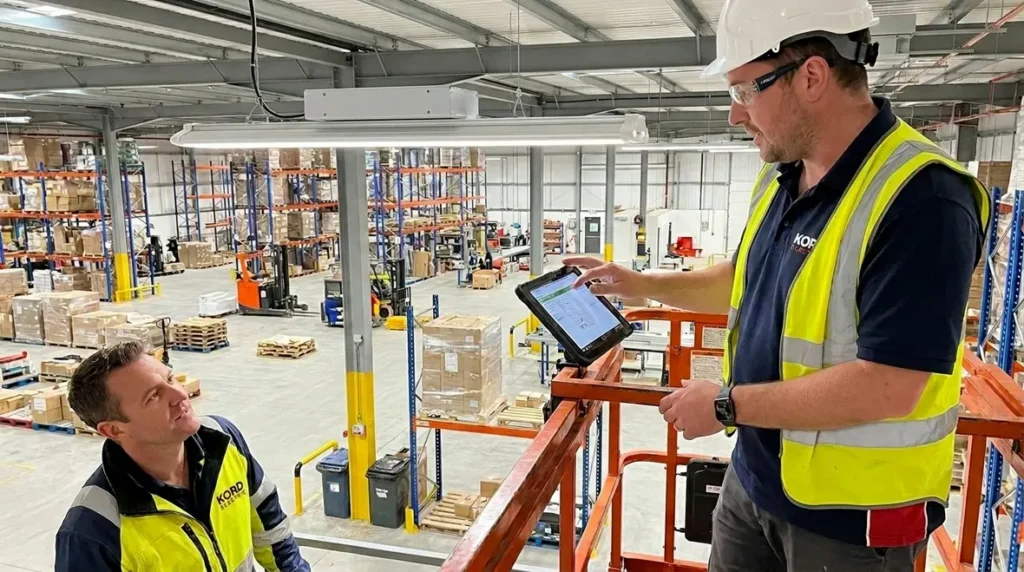
Importantly, our expert service staff helps explain what the sensors detect and why the timing makes sense. They walk through coverage maps, response delays, and how settings affect daily work. Then, if operations change, we can adjust without creating confusion for the team on the floor.
3. Energy savings that hold up after installation
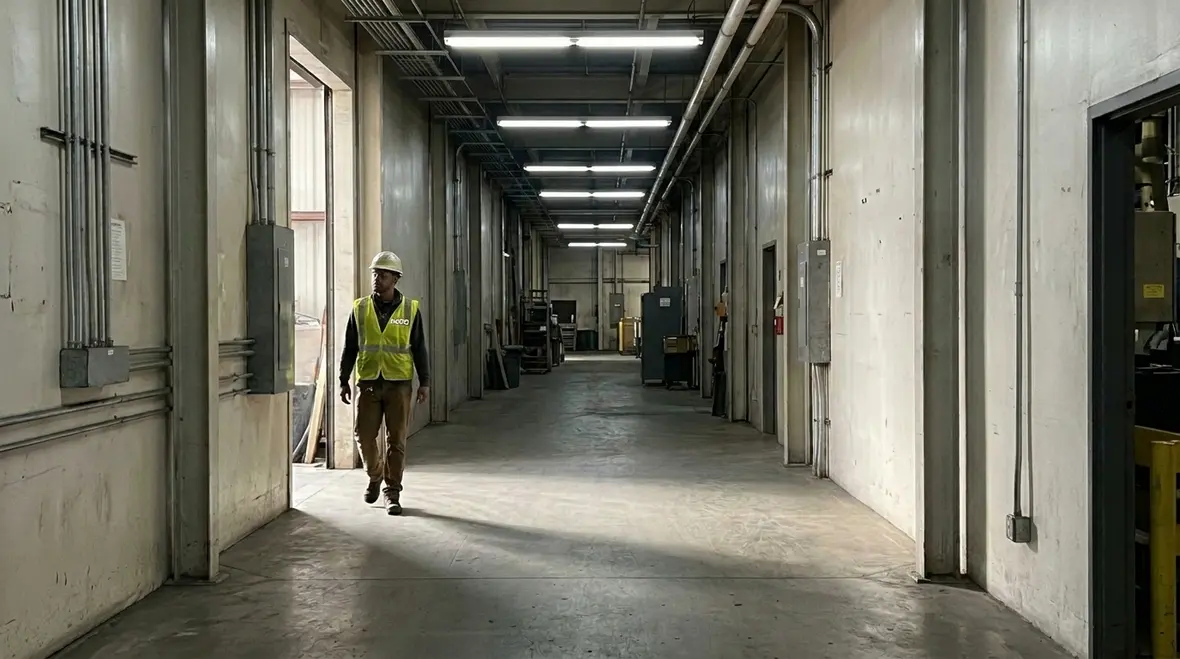
Many facilities see short term savings after a lighting upgrade, then performance slips as schedules, shift patterns, and usage plans evolve. Therefore, smart lighting controls must do more than dim once. They should stay aligned with how the building works now.
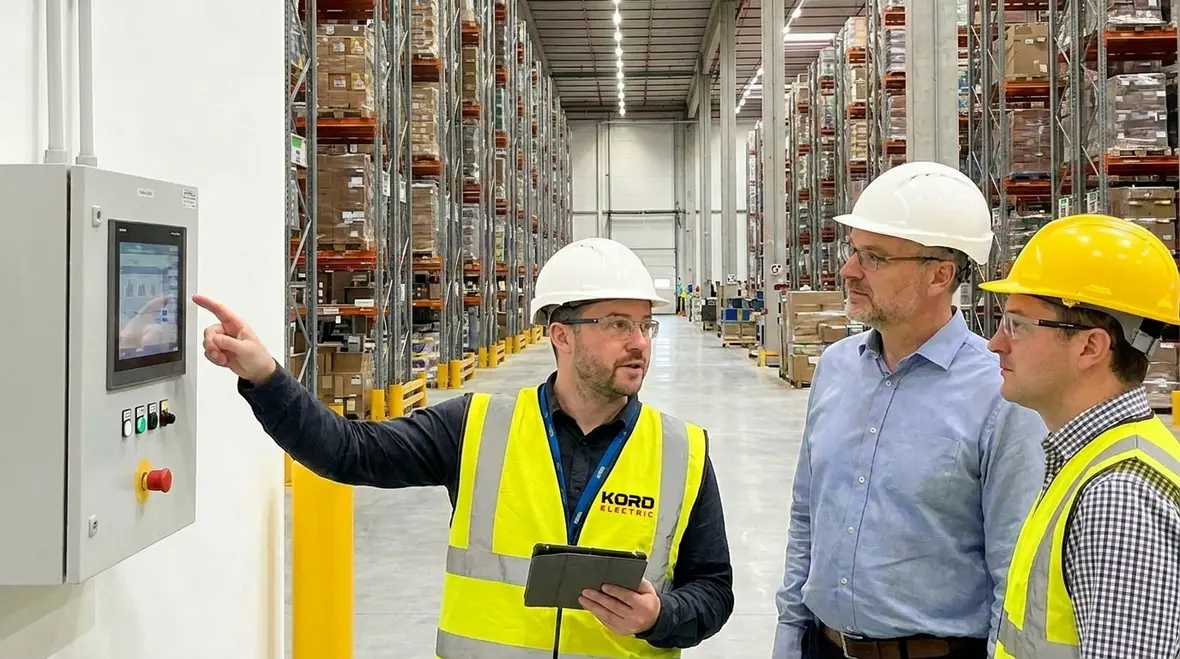
Our approach focuses on ongoing control logic. We help you set occupancy-based behavior, day and night profiles, and daylight harvesting where it fits. Meanwhile, the system can support reporting so others in your organization can see what is happening. Instead of “trust me,” you get measurable results and clearer accountability.
In practice, this reduces energy waste from lights that run too long, brighten too early, or remain on during low activity. And when someone changes a workflow, we help you revisit settings so the control stays efficient. Think of it like preventive maintenance for lighting behavior, not just hardware.
For facilities planning broader improvements, aligning controls with a project like a full commercial and industrial lighting installation can consolidate downtime and unlock stronger returns from both upgrades.
4. Better maintenance planning with real device feedback
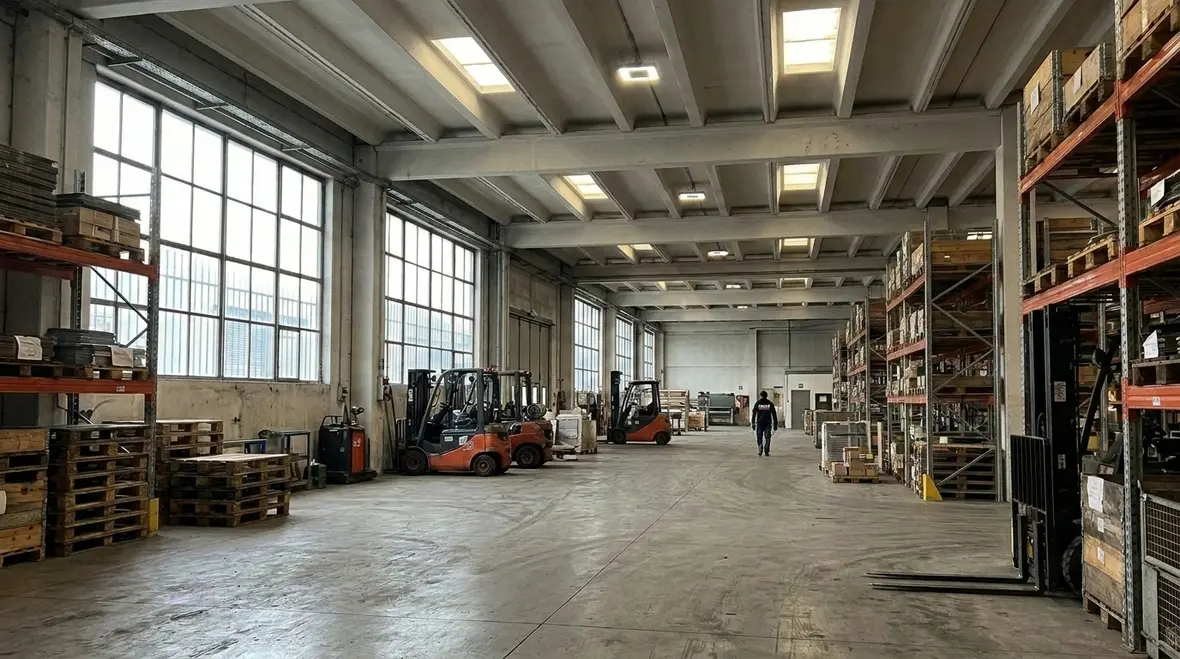
Maintenance teams in commercial and industrial facilities often chase failures after they happen. Yet lighting issues rarely arrive without signals. Some fixtures dim over time, some zones drift out of calibration, and drivers wear differently across areas.
Smart systems can provide device status and alerts. So instead of waiting for complaints, teams receive information that helps them plan work. Then, they can schedule repairs during planned downtime, reduce emergency calls, and control labor costs more effectively.
We also help our customers understand the difference between a minor issue and something that needs immediate action. Our technicians explain what the alerts mean, where the problem is likely located, and how to verify it safely. That matters because industrial sites operate under tight rules, and we respect that. The goal is to support your team, not add another mystery ticket to the queue.
5. Manage lighting across zones, tenants, and complex buildings
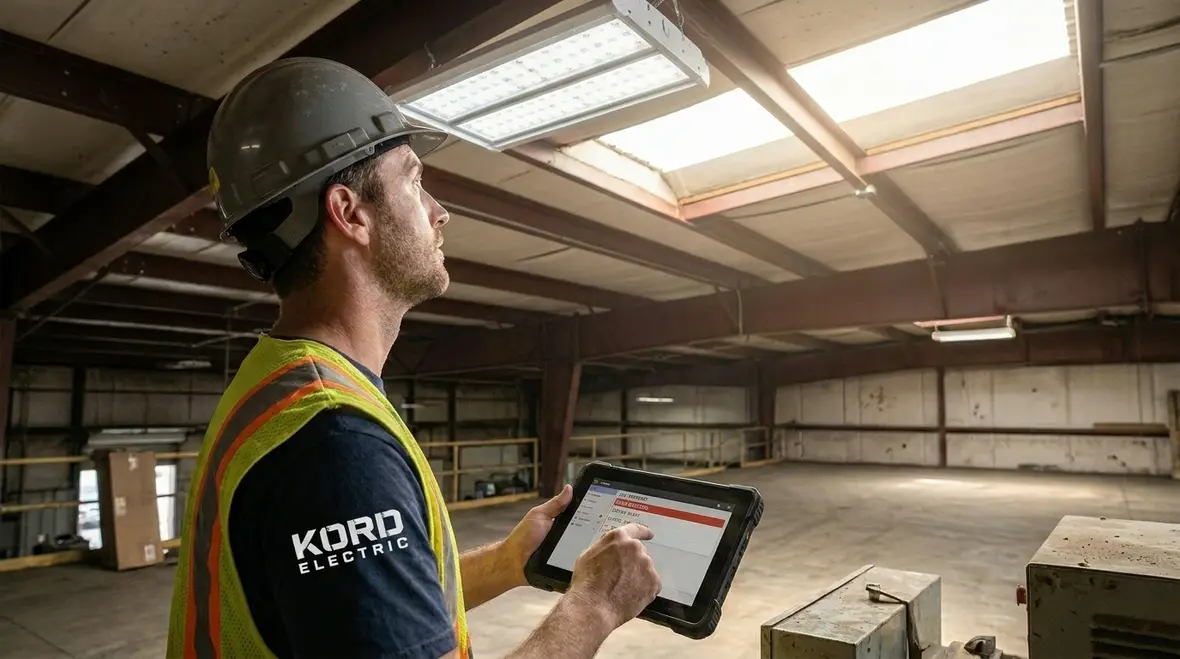
Major property buildings and multi-tenant facilities need consistency, yet they also need flexibility. One part of the building might serve a warehouse use, another area might support offices, and another could house a distribution center with different cycles. In that case, one-size controls can feel like forcing everyone to wear the same uniform.
With industrial smart lighting controls, we can group spaces into zones that match how the building actually operates. Consequently, each zone can use its own schedule, dimming level, and sensor strategy. This helps facility managers maintain comfort for occupants while protecting energy goals.
Additionally, we support common operational needs like night mode, security boosts, and transition lighting during shift change. So instead of sudden swings, your site can move smoothly into the right lighting state. And because our staff walks through the logic, others can understand how to manage the system without feeling like they need a PhD in lighting.
If you are exploring broader upgrades, pairing zoning strategies with industrial lighting layout optimization for production efficiency can further support throughput, visibility, and safety on the floor.
6. Advanced controls that support compliance and operational standards
Industrial facilities often follow safety standards, and lighting performance is part of that story. Even when a site does not talk about lighting compliance in a daily meeting, it matters in audits, incident reviews, and safety planning.
Smart lighting controls help support standard operating procedures by keeping lighting behavior consistent. For example, emergency and egress lighting strategies can align with your plan, while normal task lighting can maintain stable levels. Then, with proper configuration, your facility reduces random lighting changes that confuse workers.
We also help ensure that control settings make sense for the environment. That means we consider glare, mounting height, fixture type, and the way people move through space. Our technicians take time to verify the outcome on-site, not just in a checklist. After all, the building does not care what the spreadsheet says if the floor looks dim at 2 a.m.
In California, these choices also intersect with Title 24 and related energy codes. Our team regularly guides clients through commercial Title 24 lighting compliance so automated behavior, sensor placement, and control zoning support both safe operations and smoother inspections.
7. Real-world examples from our commercial and industrial projects
Every facility has a unique pattern, but we see repeating themes across industrial and major property buildings. First, loading docks and logistics zones often need predictable brightness when activity spikes. Second, offices and break areas benefit from stable light levels that match occupancy without wasting energy overnight. Third, corridors and storage areas can run efficiently with occupancy sensing as long as coverage is tuned properly.
In one common scenario, a distribution facility struggled with inconsistent lighting in aisles during night shifts. The team had lights that stayed too bright in the wrong areas and too dim in the places where drivers needed reliable visibility. After we implemented industrial smart lighting controls, we adjusted zoning and sensor timing. As a result, lighting matched real movement patterns, and shift leads stopped reporting “mystery dark spots.”
In another example, a major property building needed tenant flexibility. We helped set zones that support operational differences while keeping building level efficiency targets intact. Then, our expert service staff taught facility personnel how to adjust schedules and handle overrides responsibly. If you have ever watched someone “fix” a lighting issue by turning everything up to max, you know why training matters.
For some operations, industrial smart lighting controls become part of a larger reliability strategy. Facilities that rely on structured electrical system troubleshooting for factories often see the best results when lighting, power quality, and control logic are all tuned to support the same production goals.
FAQ
8. Conclusion: let’s build smarter lighting for your facility
If you want lighting that works like your operations, not like an outdated default setting, Kord Electric can help. We design and install industrial smart lighting controls for commercial and industrial facilities and major property buildings, and our technicians and expert service staff explain everything in clear, practical terms. Contact us to discuss your zones, schedules, and energy goals, and we will recommend a solution that supports safety, visibility, and better maintenance planning. Let’s make your lights earn their keep.
For facilities in and around Southern California, especially those operating in complex industrial environments, our dedicated Los Angeles County electrical services team can integrate industrial smart lighting controls with broader electrical troubleshooting, preventive maintenance, and system upgrades so your lighting strategy keeps pace with the rest of your infrastructure.
If you are also weighing other upgrades, remember that lighting controls play well with projects like LED retrofits, layout optimization, and code-driven improvements. When we combine industrial smart lighting controls with disciplined installation practices and clear training, your facility gets a calmer, more predictable relationship with energy use, safety, and visibility.