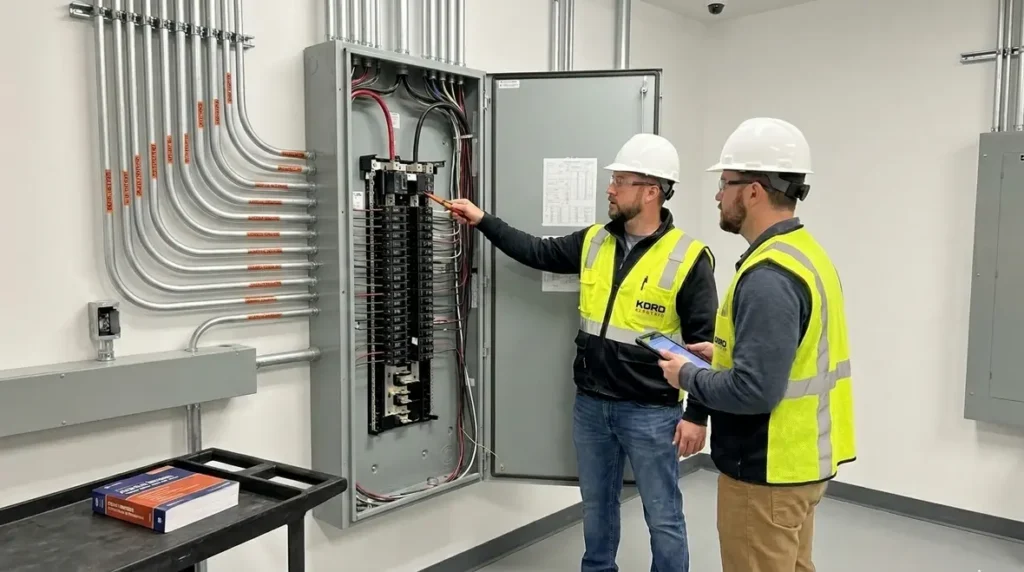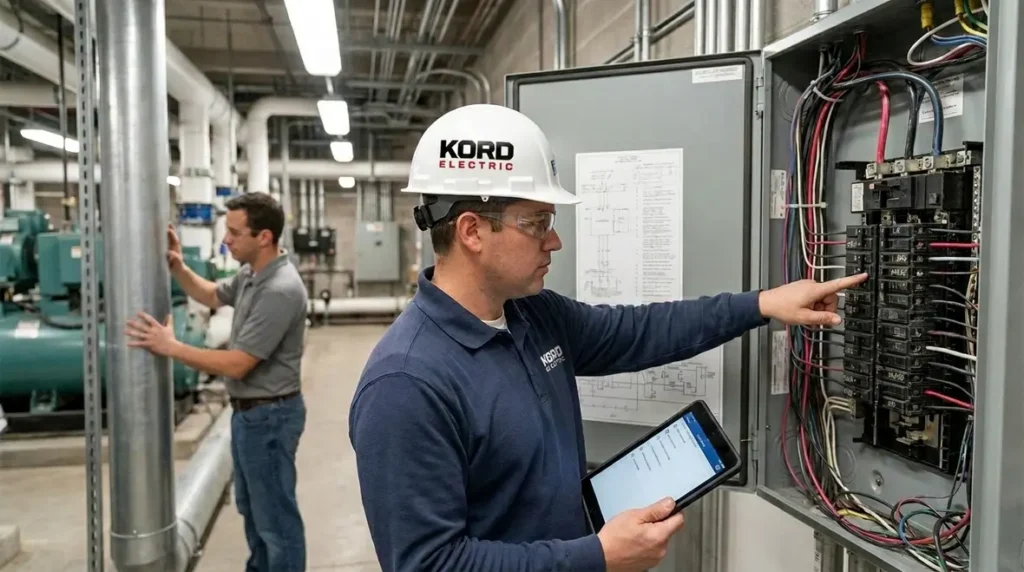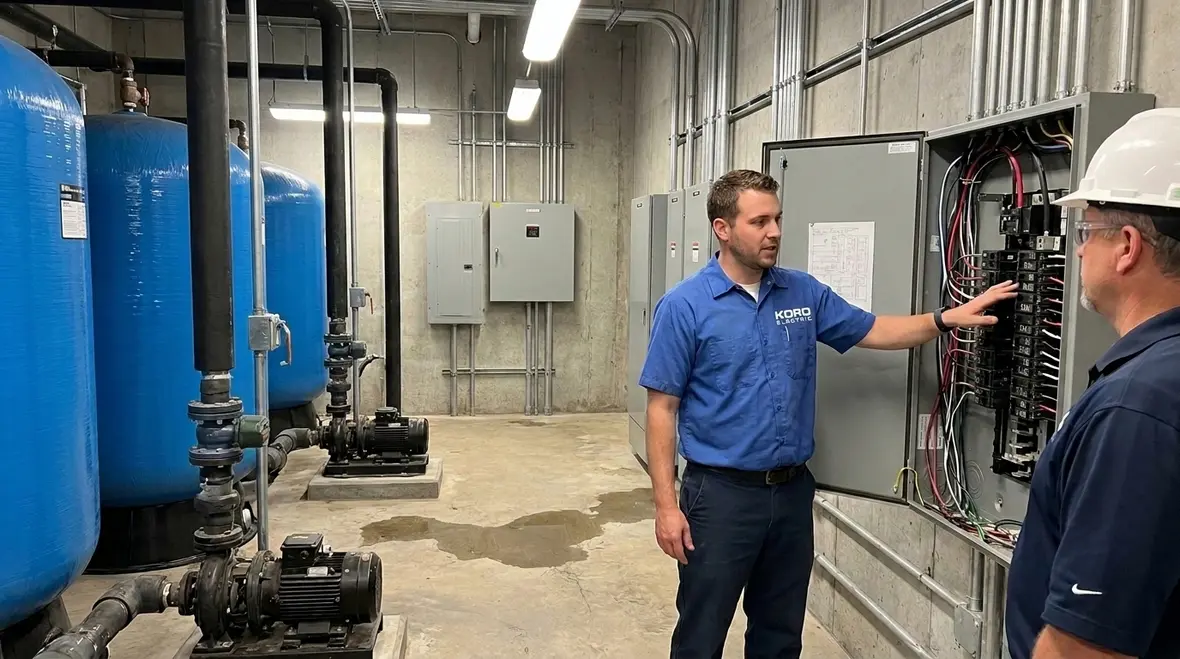
NEC Section 680.12 Pool Equipment Rooms Vaults Compliance
At Kord Electric, we keep commercial and industrial facilities running safely, and we do it with clear rules, careful wiring, and technicians who explain things like grown ups. When pool systems exist inside a larger property, the electrical demands can get serious fast. That is why we pay close attention to NEC Section 680.12 pool equipment rooms vaults and related requirements early in the design and maintenance process. In the first stages, we help property teams understand how code intent supports safety around wet locations, switching devices, and metal enclosures that can become energized if someone cuts corners. And yes, we have seen shortcuts. They usually end in a callback, a repair bill, and a meeting that starts with “so… about that.”
NEC Section 680.12 pool equipment rooms vaults: what it protects
Third party code guidance exists for a reason, and we use it as a working map for compliance. NEC Section 680.12 pool equipment rooms vaults sets expectations for how pool equipment spaces and their electrical installations must be handled. These areas often contain pumps, heaters, controls, and bonding points that operate close to water and damp surfaces. As a result, the code focuses on limiting hazards from shock, stray current, and unsafe installation practices.
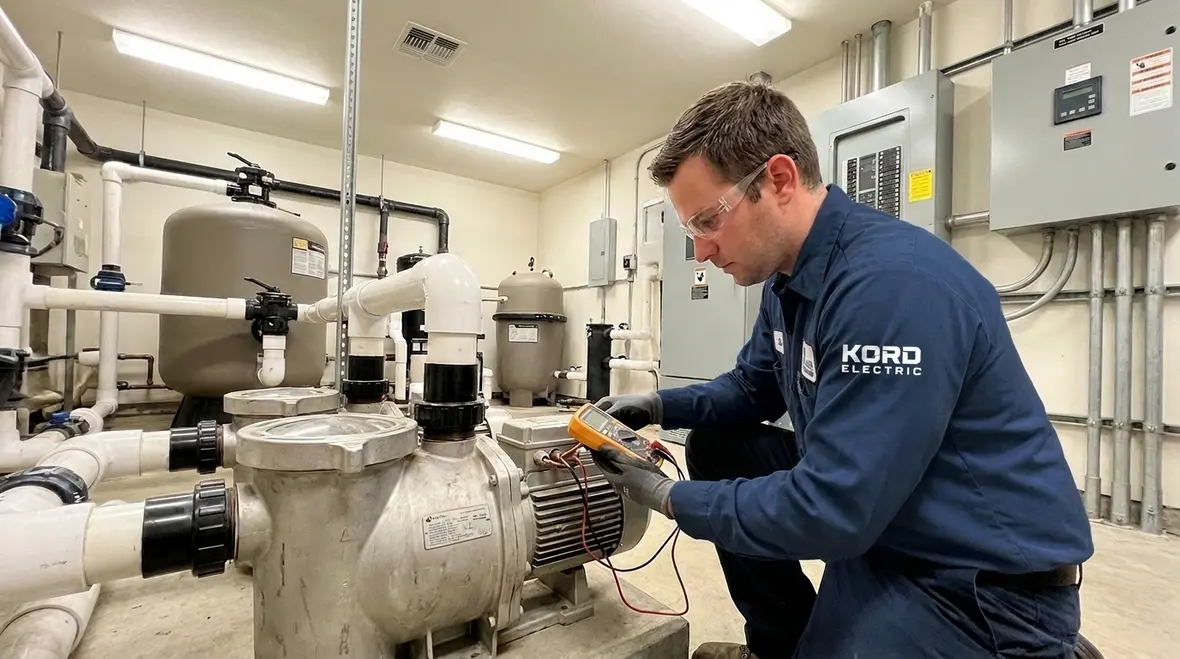
In plain terms, when we service or upgrade a facility, we look at the room itself like it is its own living system. We check the electrical components that feed the pool equipment, how they are protected, how they are separated from other building circuits, and how equipment is grounded and bonded. Then we verify that the electrical design supports safe operation during normal use and during fault conditions.
Our expert service staff also explains a key concept: code requirements are not random. They are a chain. One weak link can make the whole chain less effective. For example, if a room uses equipment that needs bonding, but the bonding path is incomplete, that can change how fault energy moves. Therefore, we do not treat compliance like a box check. We treat it like a system test.
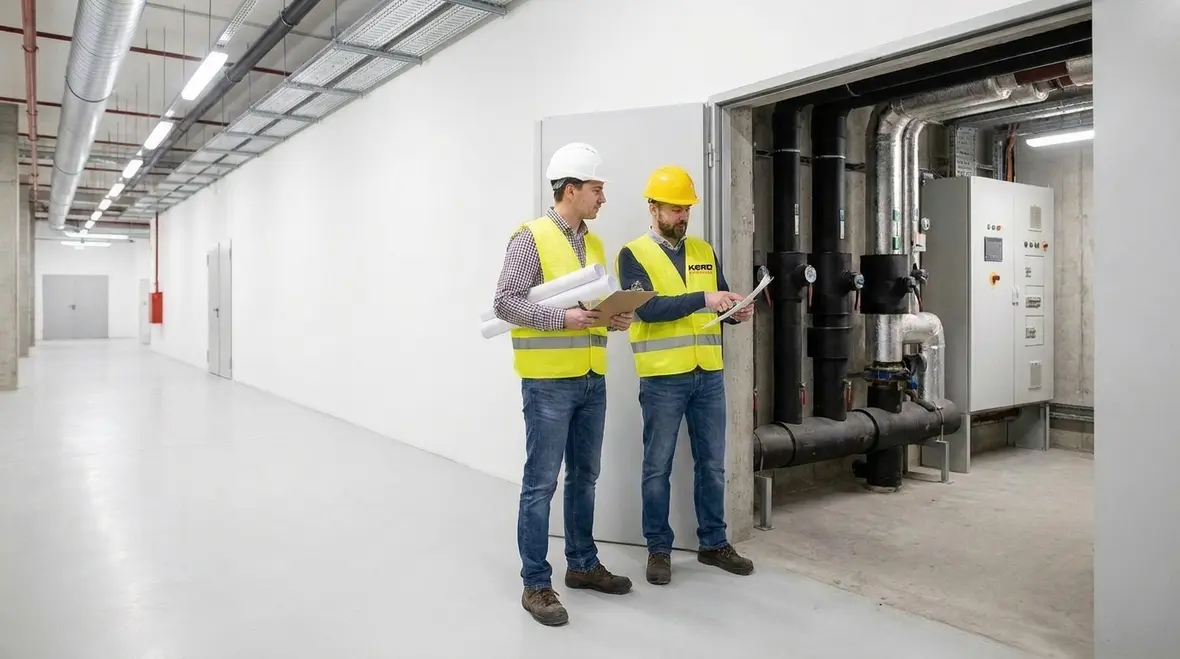
How we interpret the NEC for 2026 planning and facility upgrades
Many facility owners ask us what “the latest NEC” means for their timeline. We approach that question with a practical mindset. Kord Electric follows the core structure of the National Electrical Code and also tracks the updates that affect design and retrofit decisions. When teams plan 2026 readiness, they want predictable outcomes, not surprises that show up after permits get reviewed.
Our technicians review electrical drawings, spec sheets, and equipment schedules, and then we cross check them against the NEC rules that apply to pool areas, control circuits, and the rest of the building’s electrical layout. Because commercial and industrial buildings vary widely, we also consider how the pool system interfaces with life safety systems, standby power, and building management controls.
Additionally, we confirm whether the property includes related spaces such as equipment rooms, vault-like enclosures, and areas where workers might access electrical gear. We do this early because updates late in the process can cost more than they should. Nobody wants that “we’ll fix it later” energy. Later becomes now when inspectors show up.
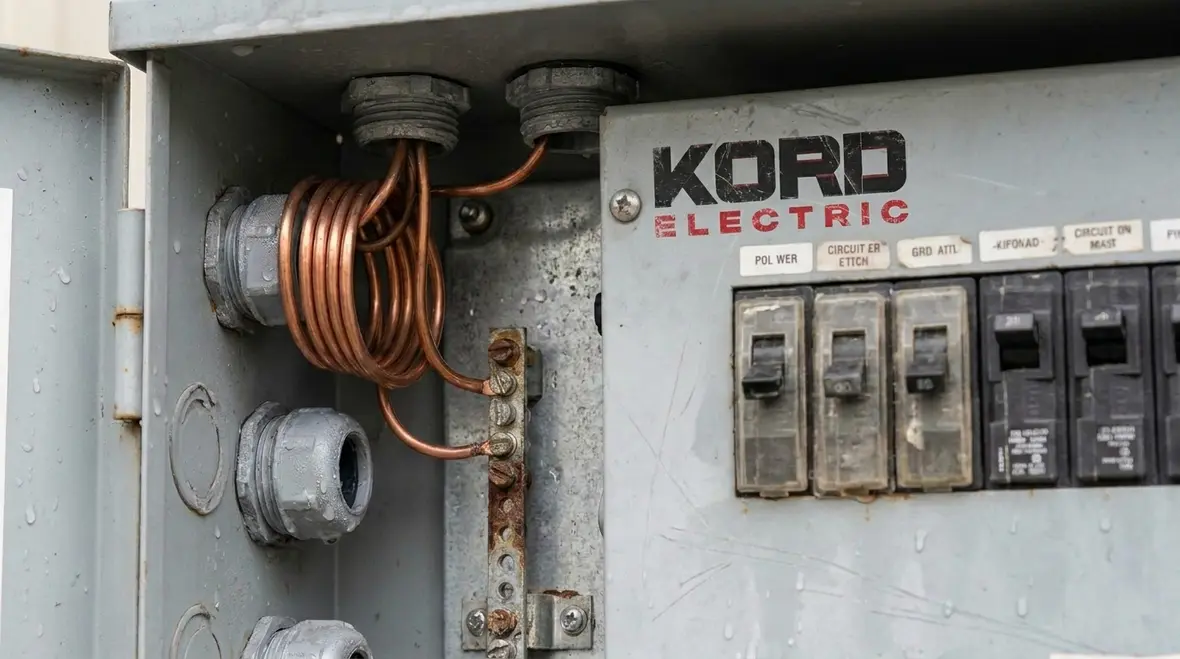
Connecting NEC pool rules to broader facility planning
Pool equipment rooms and vaults rarely live in isolation. In a high rise, campus, or industrial site, those spaces connect physically and electrically to the rest of the building. That means NEC Section 680.12 lives alongside other chapters that control feeders, overcurrent protection, emergency power, and special occupancies. Our project teams treat those connections as part of one design story, not as scattered footnotes.
During 2026 planning, we use resources like our own Understanding NFPA 70: The National Electrical Code Explained for 2026 to give facilities a plain language view of what is changing and what stays steady. That way, pool related work aligns with planned upgrades to distribution, surge protection, and emergency power instead of fighting them.
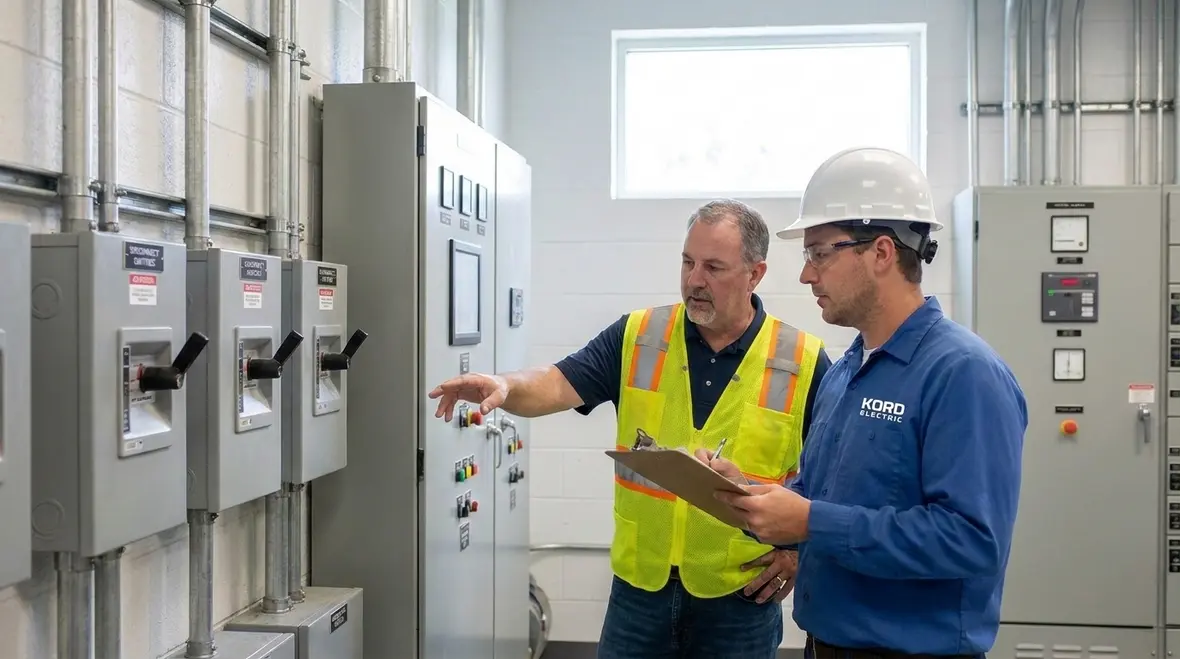
Design details: bonding, grounding, and circuit protection in wet areas
When an electrical system sits near water, the details matter more than people expect. And when we say details, we mean the parts that keep faults from becoming shock hazards. Bonding and grounding help ensure that exposed metal parts stay at predictable electrical potential. Circuit protection helps interrupt dangerous current paths quickly.
In pool equipment spaces, we examine how conductors enter equipment, how enclosures are connected, and how grounding paths stay continuous. We also evaluate how disconnects and switches are installed so they function safely during service. For major properties, we often coordinate with electrical designers, mechanical teams, and on site managers because the pool equipment is never isolated from the rest of the building. It ties into plumbing layout, ventilation needs, and the way maintenance staff access components.
Our expert service staff explains this with a simple rule of thumb: if a fault happens, the system should respond in a planned way. That means protective devices operate, metal parts are controlled through bonding, and workers face less risk during troubleshooting.
We also help teams avoid common mistakes we see in the field. Those include missing bonding jumpers, incorrect conductor sizing, unsealed conduit runs in damp areas, and labeling that fails when someone needs to work fast. In other words, we make sure the system is not only safe, but understandable.
Why bonding and grounding paths are non negotiable
In NEC Section 680.12 pool equipment rooms vaults, the intent is clear: treat conductive parts around water as a system, not a pile of separate components. When bonding and grounding paths are continuous and correctly sized, fault current follows the path you planned, not the person who happens to be standing nearby. That predictable behavior turns a scary event into a controlled one, where protective devices trip and technicians can diagnose the issue safely.
Practical compliance for commercial and industrial facilities
Commercial and industrial buildings do not behave like small homes. They include multiple tenants, shared infrastructure, strict maintenance windows, and sometimes long equipment lead times. So compliance must fit the real workflow of a property, not just the theory of a code book.
At Kord Electric, we build compliance into project planning. We start by identifying what parts of the site fall under pool related electrical rules and what parts connect to broader building circuits. Then we evaluate the installation plan for each piece of pool equipment, including controls and power feeds.
We also consider operational needs. For example, a facility might need coordinated shut downs for pump service without disrupting unrelated building loads. Therefore, we review circuit separation strategies and ensure the equipment spaces can support safe access. In addition, we confirm that panels and disconnects are installed and labeled properly so that staff can respond quickly during maintenance.
And yes, we recommend documentation. In a major property, the person who installed the system may not be the person who maintains it in five years. Good documentation prevents the “who touched this last” mystery that always seems to arrive right before an inspection.
Aligning NEC Section 680.12 with broader electrical strategy
When we look at pool equipment rooms, we do not just ask “Is this compliant today?” We ask how the space fits into future plans for energy efficiency, emergency power, and smart controls. Articles like our data driven electrical design for commercial and industrial facilities show how careful upfront planning keeps systems flexible. The same mindset applies here: design the pool electrical system so it can adapt without expensive rework every time the building evolves.
Inspections, testing, and how our technicians document the work
When teams want confidence, they ask about inspection readiness. We help by treating testing as a step in the project, not an afterthought. After installation or upgrades, our technicians validate grounding and bonding paths, check protective device performance, and review equipment condition and labeling. We also verify that all work matches the approved plan.
Our expert service staff then documents findings in a way that property managers can use. This includes what we tested, what we observed, and what we corrected. When the facility team needs to show compliance to AHJs or internal stakeholders, they have a clear record rather than vague notes.
Because we work across commercial and industrial settings, we also align documentation with typical property maintenance practices. That means we recommend follow up checks on schedule, especially after major equipment replacement or seasonal system changes. In pool environments, wear and exposure build over time. Testing keeps safety from drifting.
Turning inspection prep into routine maintenance
Instead of waiting for inspection season to panic, we fold NEC Section 680.12 pool equipment rooms vaults checkpoints into regular maintenance. That can include torque checks on lugs, continuity tests on bonding conductors, verification of disconnect locations, and reviews of labels that may have faded or fallen off. When those tasks live in a normal maintenance schedule, inspectors see a system that has been cared for, not rushed together the week before they arrive.
Where fire safety and electrical compliance connect
Electrical code compliance is not a separate planet from fire safety. In major facilities, electrical faults and poor installation practices can affect fire risk, smoke spread, and emergency response. That is why Kord Electric stays aligned with the broader safety mindset used by fire and life safety professionals.
We often coordinate understanding across disciplines by keeping our approach consistent with fire safety references and best practices. For example, the fire safety ecosystem values clear labeling, reliable power for life safety needs, and equipment that behaves during abnormal conditions. If you are looking for foundational guidance and fire code context, resources such as Kord Fire’s overview of NFPA 70 and NEC 2026 can help. For site specific electrical guidance and code summaries, teams also reference our own resources, including our NEC 2026 explainer that walks through coming changes in practical language.
And because some readers enjoy a little pop culture, consider this: in a safety system, electrical compliance is the “rules of the game.” You do not want to win by breaking them. You want the whole building to stay in the same scene.
Dual column: what we check during pool equipment space electrical work
Electrical items
Conductors and terminations
Bonding and grounding paths
Disconnects, switches, and labeling
Circuit protection and coordination
Enclosure condition and sealing
Operational and safety outcomes
Predictable fault behavior
Reduced shock risk during service
Safe access for technicians
Clear maintenance workflow
Inspection ready records
FAQ
Ready to bring pool equipment electrical work into code driven safety?
If you run a commercial or industrial facility with a pool system, you need electrical work that supports safety, inspection readiness, and smooth maintenance. Kord Electric sends our technicians to review your pool equipment room conditions, verify bonding, grounding, protection, and documentation, and then guide you through upgrades that fit your schedule. We keep the process calm, clear, and business friendly. Contact us today to plan a compliance focused assessment and move forward with confidence.
When your property includes pools, spas, fountains, or other specialized loads, it can also benefit from a broader look at distribution and service. Our Los Angeles County commercial and industrial electrical services team helps align pool work with lighting, emergency power, and data driven upgrades, so your whole site runs under one coordinated electrical strategy instead of a patchwork of isolated projects.