
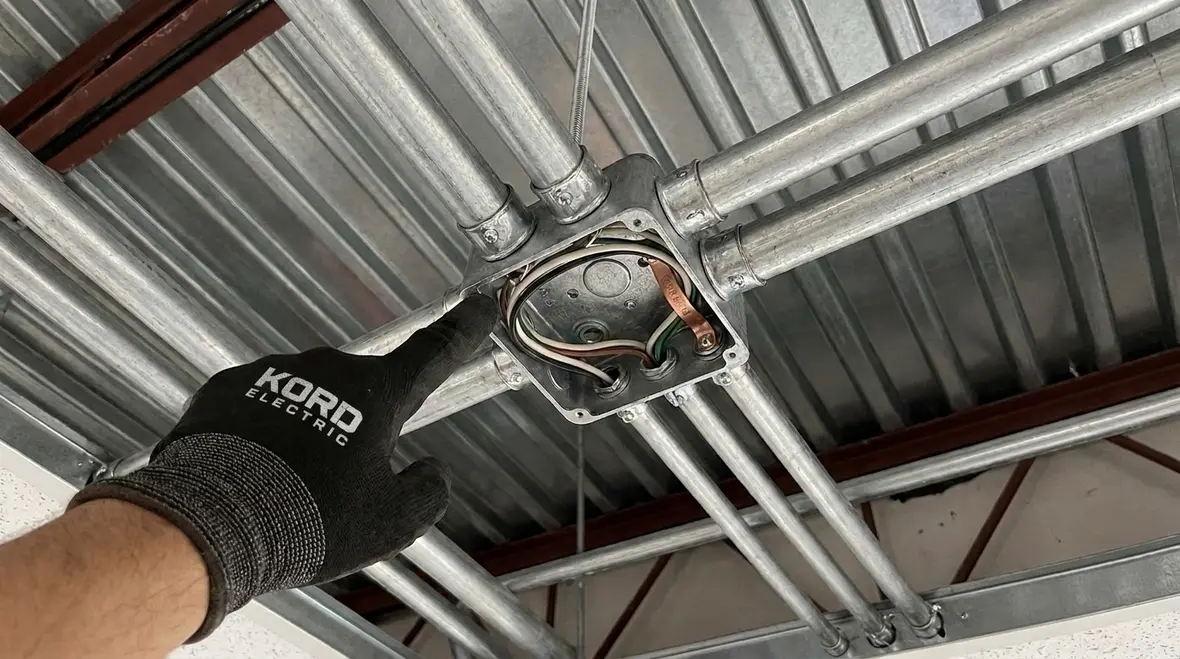
NFPA 70 314.100 Metal Conduit Bodies in Commercial Buildings
NFPA 70 Section 314.100 and NEC Metal Conduit Bodies in Commercial Buildings
At Kord Electric, we support commercial and industrial facilities with electrical systems built to last, and we start by getting the details right. That is why we often discuss NEC metal conduit bodies and how NFPA 70 Section 314.100 shapes what a site should use. In the first place, metal conduit bodies help route conductors, manage bends, and keep wiring accessible. However, they also come with rules that your electrical team cannot guess. So, we rely on our trained technicians and expert service staff to explain what the code expects, then we help your project meet those expectations. And yes, we promise the code will feel less like a mystery novel and more like a map, even if your last contractor treated it like a hidden boss level.
Section 314.100 sets the “what and where” for metal boxes and conduit bodies
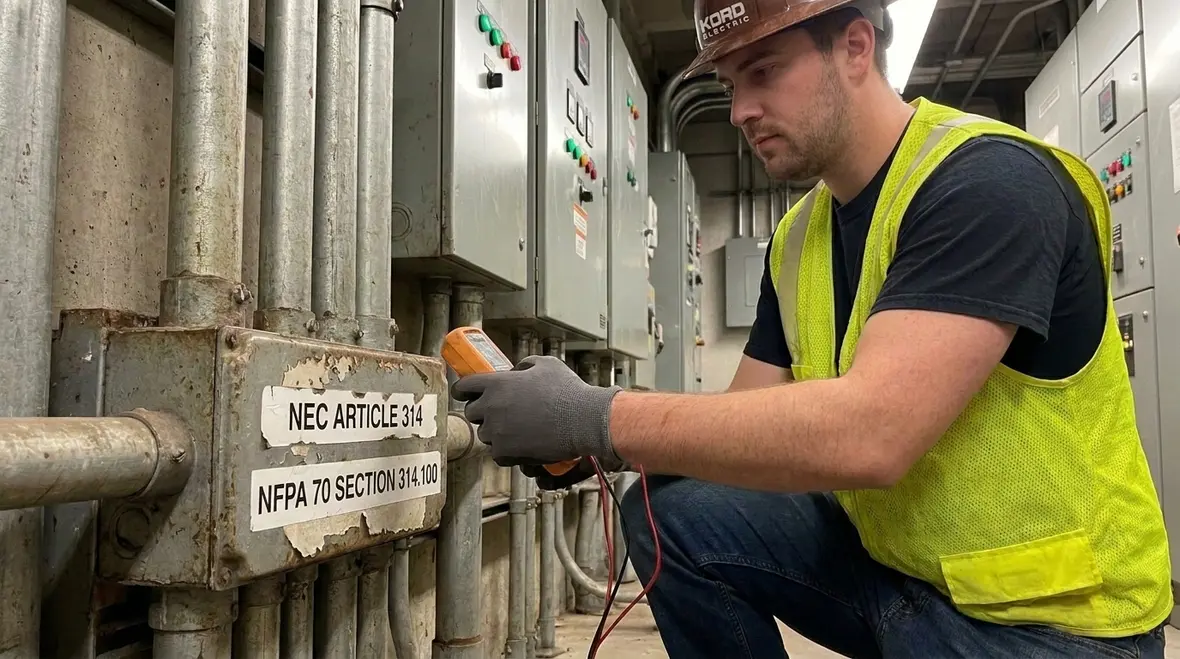
When we talk about NFPA 70 Section 314.100, we focus on the requirements that govern metal boxes and conduit bodies used with raceways. To keep commercial and industrial work safe, the code aims for consistent construction, proper enclosure, and reliable grounding and bonding. Also, it does not stop at the box itself. It ties the box to the wiring system so the enclosure supports safe installation, future maintenance, and durable performance. As a result, a conduit body is not just a convenient junction. Instead, it becomes part of a larger plan that keeps conductors protected from damage and supports safe access.
Our technicians often explain this with a simple idea. If a conduit body does not support access, alignment, and proper enclosure, then troubleshooting turns into a time sink. Then the cost grows, because time always costs more than planning. Therefore, we treat 314.100 as a design and installation guide, not a last minute checklist.
For facility teams who want to zoom out and see how this section fits inside the broader code, we often connect the dots to resources like our NEC overview articles. A practical starting point is our sister company’s guide, NFPA 70: All About the National Electrical Code (NEC), and our own article, Understanding NFPA 70: The National Electrical Code Explained for 2026. Those pieces give your team the “big map” view, while Section 314.100 gives us one of the detailed grid squares.
Materials, construction, and listed parts that withstand real job sites
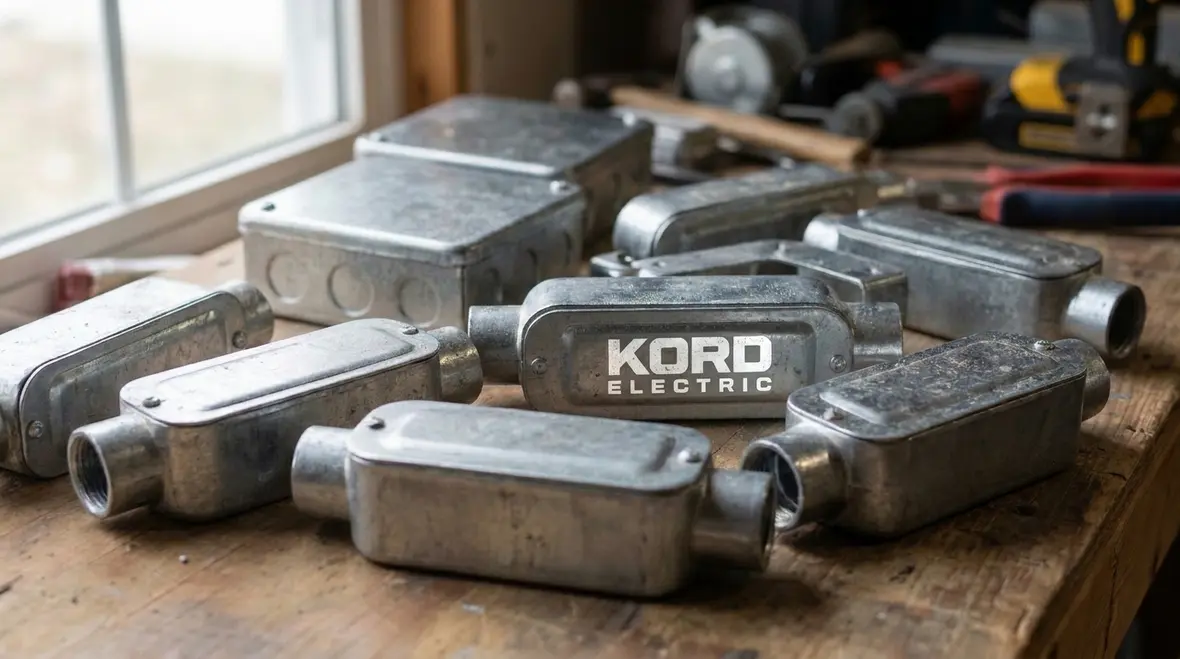
In commercial settings, conduit runs face heat, vibration, moisture risk, and the daily reality of building operations. So, we emphasize that metal boxes and conduit bodies must match the code intent through proper material and construction. Typically, the code expects metal enclosures built for the environment and intended use. Moreover, it requires that these devices support secure installation and maintain physical integrity over time.
At Kord Electric, we do not treat “listed” as a buzzword. We treat it as proof. When a metal conduit body is listed and installed correctly, we reduce guesswork and we help keep the system consistent across multiple floors, wings, and tenant spaces. Additionally, our expert service staff helps facility managers understand the difference between a temporary fix and a device that will still perform during the next inspection cycle.
Think of it like buying tools for a commercial kitchen. Sure, you can start with anything. However, eventually someone asks, “Why is this breakable thing still here?” Code compliant equipment prevents that moment from happening in your electrical room.
When your project includes specialized raceways, hazardous locations, or unique environmental concerns, we also pay attention to enclosure ratings and gasketed covers, not just the basic shape of the NEC metal conduit bodies you see on the plans. The goal is not to install the cheapest version of a part that “kind of works.” The goal is to install the right version of a part that still works after years of thermal cycling, occasional impacts, and the usual parade of renovations.
Location, access, and how conduit bodies support maintenance
Many people look at conduit bodies and see only metal and openings. Yet, in practice, conduit bodies support conductor changes, access points, and route corrections. Consequently, their placement affects how easily a technician can work later. If the location makes access difficult, then routine tasks become expensive. On the other hand, when we install metal boxes and conduit bodies at the right spots, troubleshooting becomes more direct, and replacement work becomes safer.
For major property buildings, this matters even more. There may be ongoing tenant work, phased renovations, and system upgrades. Therefore, we plan access around typical maintenance paths and inspection routines. We also coordinate with electrical contractors and facility teams so the installed conduit bodies line up with future needs.
Our technicians explain it plainly. Conduit bodies give you a place to work without ripping up walls. So, when a future project adds circuits or reroutes paths, your site does not pay the “demolition tax.” Then everyone can breathe again, including the person who has to write the maintenance tickets.
In complex facilities, we often pair that approach with broader reliability planning. For example, if your building also uses layered surge protection or emergency power systems, like the solutions we outline in our guide on Emergency Power for Business Continuity Design, then conduit body placement becomes part of a bigger story: keeping serviceable access wherever the power path truly matters.
Grounding, bonding, and why metal enclosures matter for safety

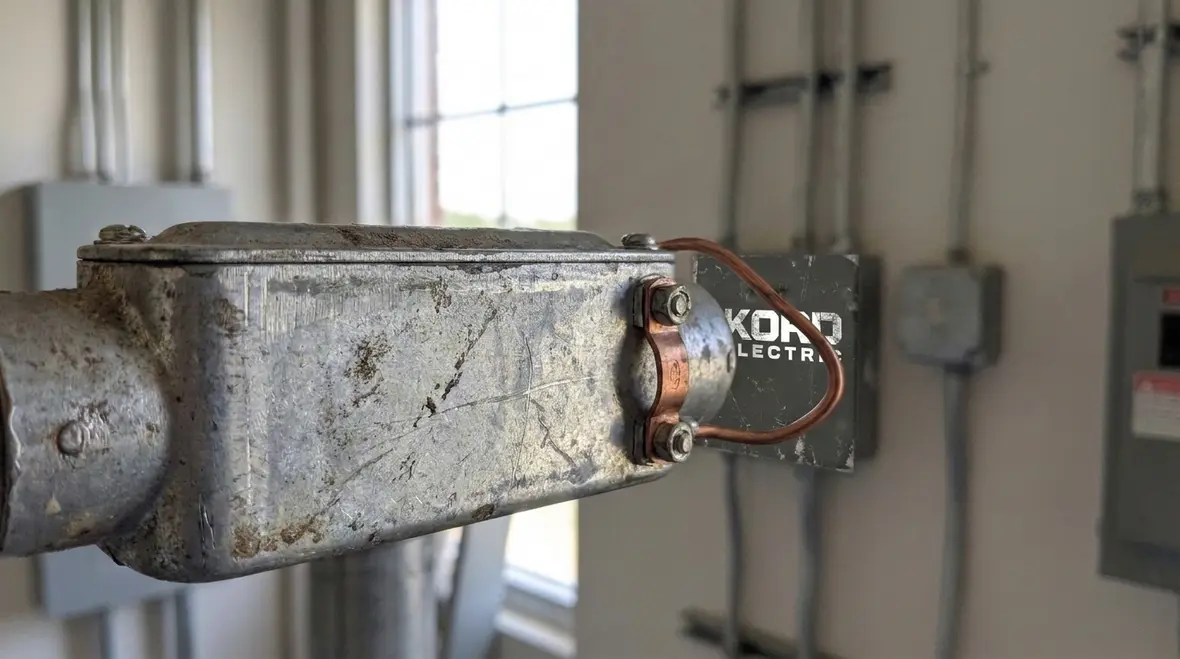
Metal enclosures are not just for holding wires. They also support safe grounding and bonding practices. Accordingly, NFPA 70 Section 314.100 connects the enclosure to the broader electrical safety system. When metal boxes and conduit bodies are installed properly, they help provide a dependable conductive path and support fault current performance. As a result, protective devices can operate as intended when a fault occurs.
In the field, we see issues that start small. A missing connection, a poor fit, or a rushed installation can create resistance. Then, under load or during a fault, the outcome can become unpredictable. For commercial and industrial facilities, unpredictability is the enemy. So, we verify the bonding paths, we ensure the components match the installation method, and we follow the code intent rather than improvising.
Our expert service staff also helps explain this to building teams. They can see the difference between “it looks connected” and “it is connected in a way that matters.” That distinction saves time during service calls and can prevent repeated repairs.
The same mindset carries into other parts of your system. If your site depends on fire pumps, alarms, or emergency lighting, we know from experience and industry resources like Firepumps.org that electrical reliability and life safety are joined at the hip. When metal conduit bodies and boxes are bonded correctly, breakers trip the way they should, fault paths behave predictably, and your life safety systems have a better chance of working when everything else is under stress.
Proper installation methods reduce call backs and keep systems consistent
Even when the right devices are purchased, installation details decide whether the system stays reliable. Therefore, we focus on how metal boxes and conduit bodies connect to raceways and how the whole assembly stays aligned. We also pay attention to secure fastening, proper covers, and correct closure methods so the enclosure stays intact and usable.
In real commercial work, multiple trades touch the same space. That is why we coordinate and we communicate. First, we confirm what the raceway layout requires. Then we confirm which conduit body type supports the run. After that, we confirm the installation approach before the area gets closed up.
If that sounds like extra steps, we understand. Yet, the alternative is the electrical equivalent of playing whack a mole. You fix one problem, and then another pops up somewhere else. By the time everyone realizes the first issue mattered, the site has already lost hours.
For clients who need compliance support across large buildings, we also align our approach with the code guidance found in resources that discuss NEC expectations, including guidance from our own library at Kord Electric and the broader NEC metal conduit bodies explanations we share through our related sites. When you combine practical experience with code clarity, the work moves smoother.
If you are responsible for mission critical operations like data centers, industrial lines, or major property campuses, we often recommend pairing good conduit body practice with broader reliability strategies. For example, our article on preventing commercial power surge damage in buildings shows how details like conductor routing, grounding, and surge protection all work together. The better your installation discipline, the fewer callbacks, nuisance trips, and “mystery failures” you face.
Where to find code support and practical guidance for facility teams
Facilities often ask us for a straight answer: “What should we do next, and what does the code want us to see?” So, we point them to clear code learning, then we translate it into job site practices. For example, we reference how the NEC explains the structure of requirements, and how NFPA 70 sections guide equipment and installation expectations.
We also use these resources for internal alignment. We keep our technicians up to date, and we standardize our checklist so the same quality shows up on day one and on the last phase of a multi month project. Meanwhile, building owners and facility managers get simple summaries they can use when they plan budgets and schedules.
If your facility is in Australia, we also share guidance and perspective through Kordfire.com.au to support teams operating with NEC driven practices and local requirements. For organizations that focus on fire protection planning, we also monitor how industry groups discuss coordination between electrical and life safety systems. One such reference we keep in mind is firepumps.org, because real facilities rarely treat electrical and fire safety as separate worlds.
Within our own site, we continue to expand topic specific guides so your team can connect a detail like NEC metal conduit bodies to bigger system decisions. Articles such as Electrical Troubleshooting Los Angeles County and Choosing a Los Angeles County Electrician Commercial Guide show how code, diagnostics, and long term planning fit together.
FAQ: NFPA 70 Section 314.100, metal boxes, and conduit bodies
Summary and Call to Action from Kord Electric
If your facility team needs dependable guidance for NFPA 70 metal boxes and conduit bodies, we can help you make the right call before walls close and systems lock in. At Kord Electric, we work with commercial and industrial properties, and our technicians explain the code in plain terms while we build to the standard. Next, we review your current setup, plan compliant updates, and support inspections with confidence. Call us today to schedule a consultation and bring calm to your next electrical project.
When your project extends beyond a single conduit run and into broader distribution work for Los Angeles County facilities, our dedicated Los Angeles County electrical services team provides the full picture. From panel upgrades and emergency power to disciplined conduit installations and NEC metal conduit bodies that match the code, we design, install, and maintain systems built for real world operation, not just inspection day.


