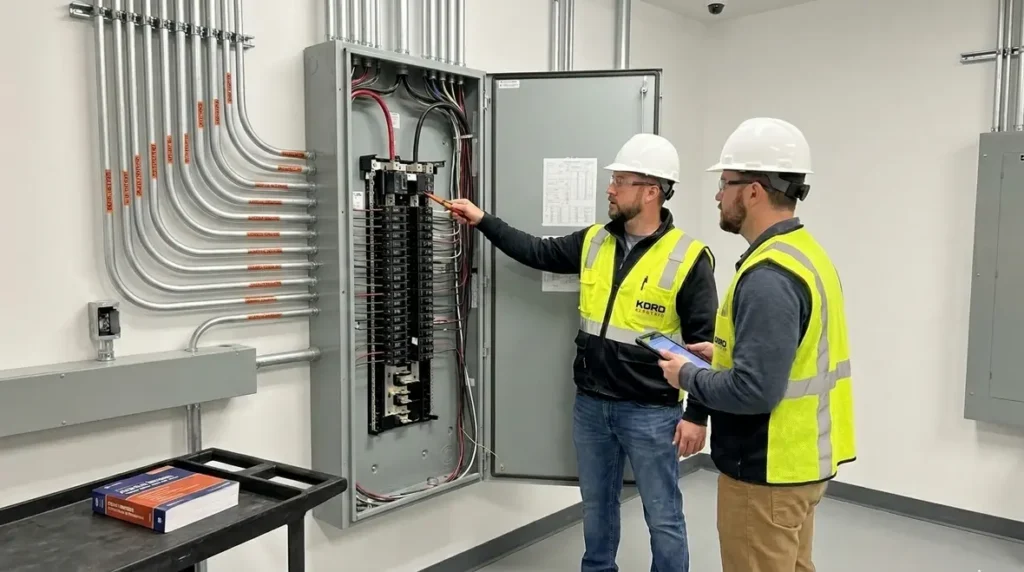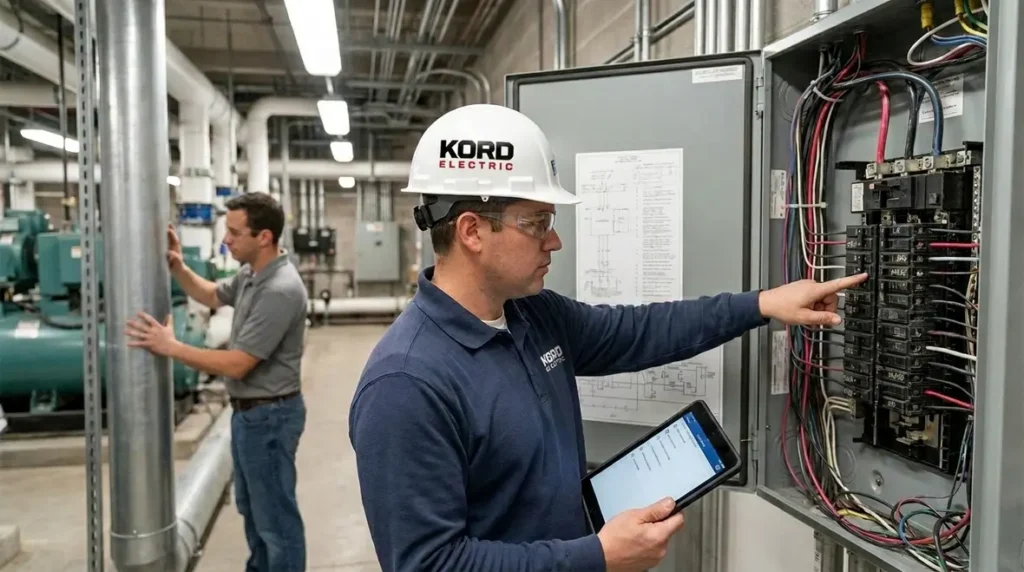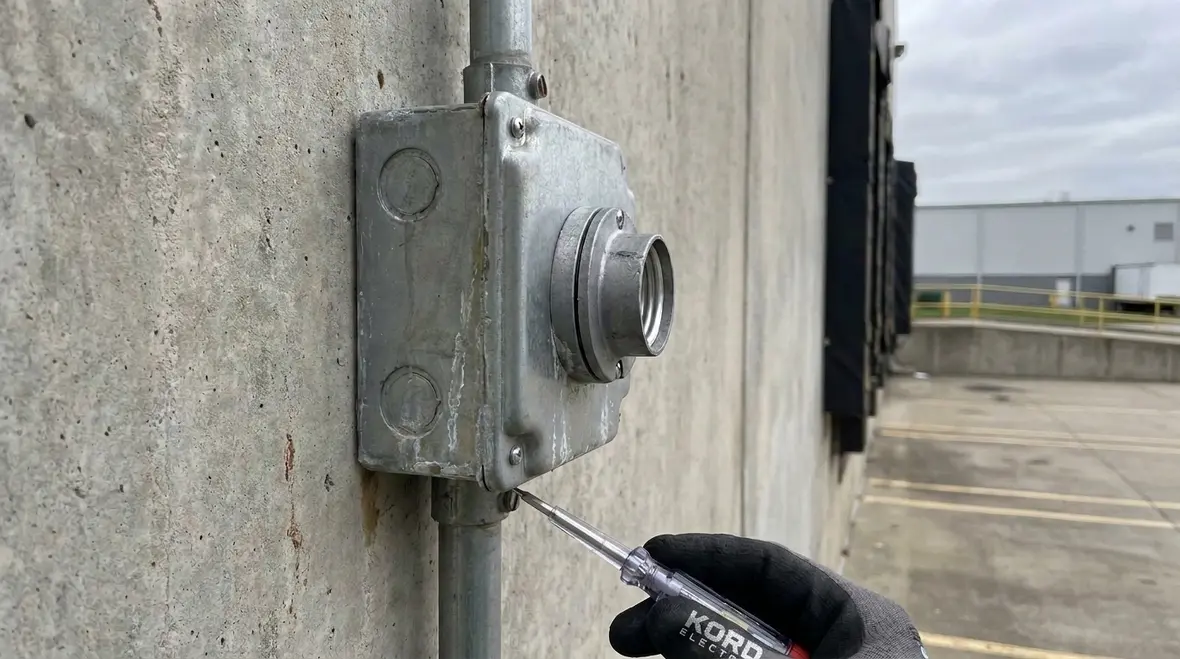
NFPA 70 NEC Outdoor Lampholder Requirements for Commercial Sites
NFPA 70 NEC outdoor lampholder requirements every commercial site should know
When a facility team goes looking for safe outdoor lighting, they usually start with brightness and style. However, the NEC outdoor lampholder requirements start with something far less glamorous: how the lampholder is built, installed, and protected. In NFPA 70 Section 225.24, the rules focus on outdoor lampholders and what must happen so moisture, heat, and weather do not turn an exterior fixture into a risk. At Kord Electric, we work with commercial and industrial facilities, and we explain these points in plain language. In the sections ahead, our experienced technicians break down the “why,” the common mistakes we see on major property projects, and how the right installation supports inspections and long term reliability. After all, nobody wants a lighting system that behaves like a sitcom guest: appearing at random and leaving without warning.
For facility leaders who also want the bigger picture on the National Electrical Code, resources like Kord Electric’s guide on understanding NFPA 70, the National Electrical Code, explained for 2026 help connect these outdoor details to the overall safety and reliability strategy for the building.
What Section 225.24 actually demands for outdoor lampholders
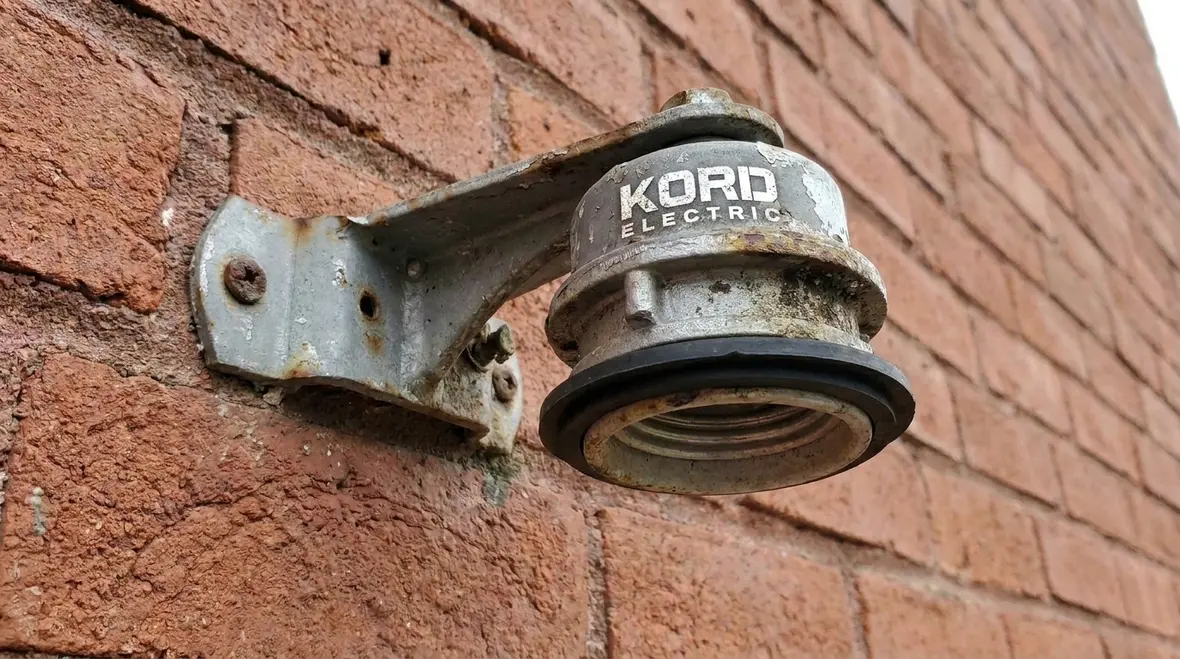
NFPA 70 Section 225.24 addresses outdoor conditions, so the lampholder must be suited for that environment. In practice, this means the lampholder should be constructed to resist dampness and exposure that would degrade components over time. Additionally, the installation method matters, because even the best lampholder can fail if the system invites water into places it should not go. Therefore, teams need to follow the requirement set rather than rely on “it worked indoors.”
Also, we see confusion when designers mix parts from different fixture families. That is a mistake. Instead, the facility should use outdoor rated lampholders and outdoor luminaire assemblies that align with the NEC approach. Our team often reviews fixture schedules and wiring plans before work starts, so the field installation matches the intent. In other words, we help keep the project from turning into a last minute scavenger hunt for parts that are no longer on the shelf.
When Kord Electric reviews these plans, we also tie them back to the broader NEC framework discussed in our articles on NFPA 70 application and scope, so your lampholder choices support the same safety story as the rest of your distribution and branch circuit planning.
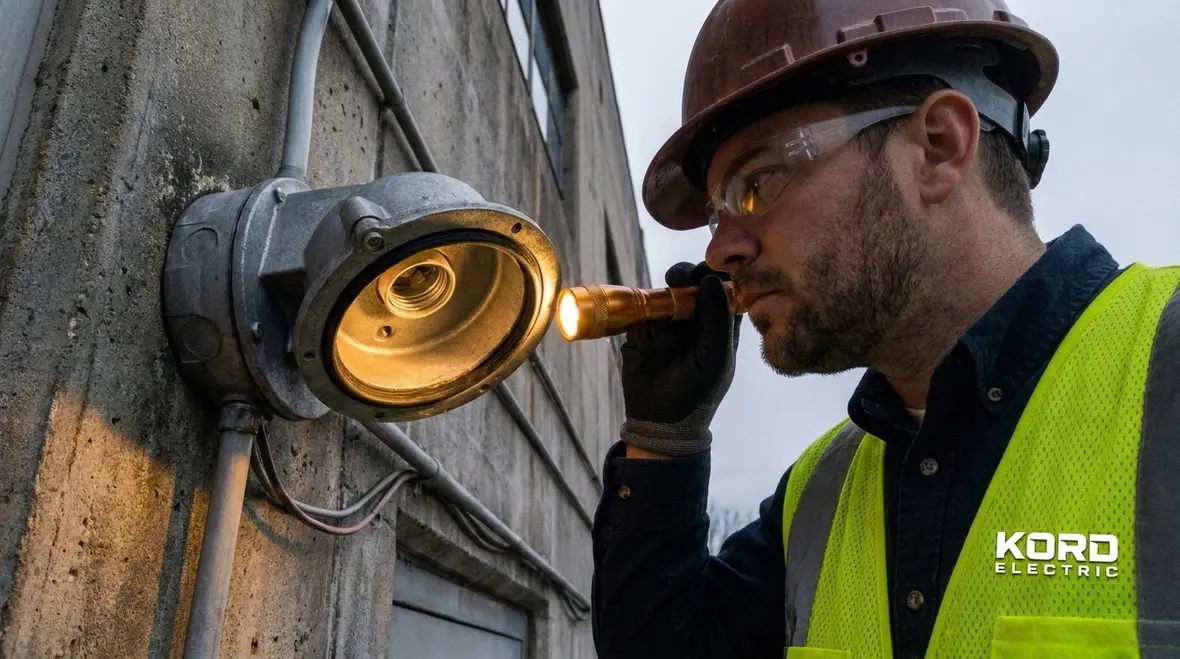
Where failure starts: moisture paths, heat, and wrong mounting
Outdoor lighting failures rarely come from one dramatic event. More often, they build slowly, like a coffee stain that you keep ignoring until it becomes permanent. Moisture paths form where water can enter the fixture body, travel into the lampholder area, and create corrosion at terminals or contact points. Heat then accelerates aging, especially at interfaces where materials expand and contract. Furthermore, wrong mounting can stress the lampholder, pushing seals out of alignment and creating gaps that invite the next rainstorm.
Kord Electric technicians look for the boring details that prevent the dramatic ones. For example, they check that outdoor components align with the intended enclosure type and that the fixture stays seated and sealed as designed. Next, they verify that cabling routing and termination practices avoid strain at the lampholder connection. When a facility avoids those slipups, it reduces nuisance failures, reduces call backs, and supports a cleaner inspection outcome.
In our commercial audits, we routinely connect these field observations to other NEC topics like branch circuit scope and voltage limitations, so the lampholder does not become the weak link in an otherwise well planned outdoor electrical system.
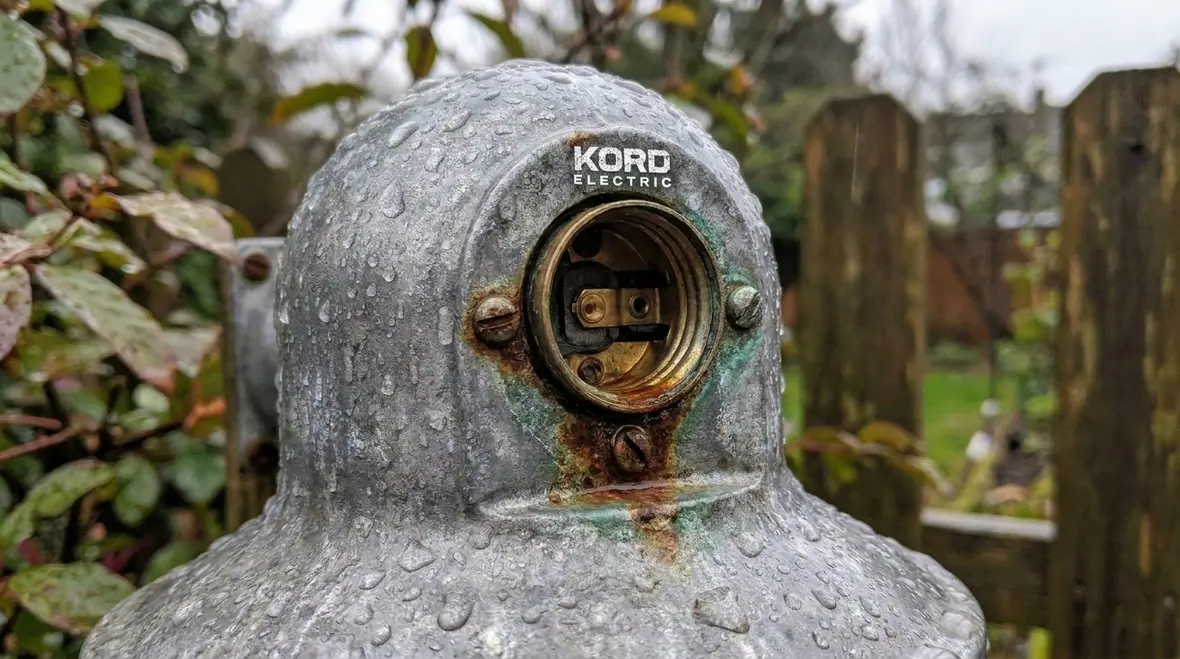
Installation practices our technicians insist on for major buildings
Here is where the job moves from “rules on paper” to “safe work on site.” While the NEC sets the requirement baseline, the field process determines the final result. At commercial and industrial facilities, we recommend a disciplined installation workflow, because outside conditions punish shortcuts.
First, our experts confirm fixture compatibility. That means the outdoor lamp and the lampholder arrangement belong together, and the fixture assembly matches the environment it faces. Second, we verify secure mounting and proper gasket or seal behavior where the fixture meets the structure. Third, we evaluate conductor entry and routing so water cannot track along conductors into interior spaces. Finally, we ensure tightening and terminations follow manufacturer guidance and electrical best practice, not guesses.
To keep it practical, Kord Electric documents findings and talks through them with the facility team. We do not hide behind buzzwords. Instead, our service staff explains what was checked, why it matters, and what risk gets reduced. This approach helps building managers stay confident, even if they never want to become part time code scholars.
The same mindset shows up in our broader electrical planning work, from data-driven design reviews to Los Angeles County electrical services that pair NEC compliance with real world operating needs for large properties.

Inspection readiness and documentation for facility teams
Even well installed outdoor lighting can feel stressful if the project team cannot show what was done. That is why we help commercial and industrial clients build inspection readiness early. We align our work with the NEC framework and the intent behind outdoor lampholder rules, so inspectors see clear reasoning rather than uncertainty.
From an inspection standpoint, the key is consistency. The lampholder and luminaire selections must fit outdoor use, and the installation must protect wiring and connections from moisture and weather. Therefore, we recommend that project teams keep a clean record of fixture selections, revisions, and installation notes. If a change happens during procurement or design coordination, our staff helps the team assess whether it affects outdoor suitability.
Also, we coach stakeholders on how to ask the right questions. When people ask about compliance, they should ask about outdoor rating, mounting, and protection of connections, not just bulb type. In major property buildings, clear documentation turns a potentially slow inspection into a smoother conversation.
Many of our clients pair this documentation work with code overviews from resources like What Is NFPA 70? Understanding the National Electrical Code, so the notes in their files match the language the inspector expects to see.
Common mistakes we find during commercial site audits
After years of servicing large facilities, we can spot recurring patterns. And yes, some of them happen because someone thought, “Close enough.” Outdoor areas do not care about close enough.
One common issue involves mismatched components. A lampholder that is suitable for dry interior locations does not get upgraded just because the fixture looks tough. Another issue involves sealing and enclosure integrity. If water can reach the lampholder area, corrosion and loose connections follow, sometimes months later. Finally, teams sometimes overlook mechanical stress. If conduit runs, fixture brackets, or mounting surfaces create leverage, the lampholder can loosen or seals can fail.
Kord Electric addresses these issues with careful checks and corrective action. Our technicians inspect the system as a whole, including how outdoor conditions act over time. Then, we recommend practical fixes that fit commercial schedules, so the facility does not lose weeks to rework. The goal is reliability you can count on, not a lighting system that behaves like a mystery novel with the culprit revealed only after the final chapter.
During these audits, we often connect lampholder issues to other electrical topics like surge protection and post installation performance, so your lighting upgrades fit into a wider strategy instead of a series of one off repairs.
How the NEC connects to broader electrical planning
NFPA 70 and the NEC do more than list requirements. They influence how teams plan the entire electrical system for outdoor areas, including coordination with fire and life safety goals, weather impacts, and future maintenance. In large commercial and industrial projects, that coordination becomes a real advantage. When design teams plan with code intent in mind, fewer field surprises emerge. Consequently, the electrical contractor can focus on quality rather than rapid patchwork.
At Kord Electric, we also support clients who need a bigger view of compliance and safety. For teams comparing code topics across years and updates, sources like the Kord Electric blog on understanding the NEC for 2026 and additional NEC explanations from Kord Fire help stakeholders keep context. Also, property teams who involve fire protection groups often find value in aligning electrical planning with fire pump system considerations. Organizations like FirePumps.org support that broader understanding, and it helps the facility team avoid silos.
Put simply, good outdoor lampholder choices support the electrical plan’s durability. They also reduce the chance that maintenance crews will spend their days chasing intermittent faults instead of doing planned service. When NEC outdoor lampholder requirements are handled correctly, the fixtures become part of a stable backbone for site safety, not a constant troubleshooting story.
Frequently asked questions about NFPA 70 outdoor lampholders
Call Kord Electric for outdoor lighting that holds up
When your commercial or industrial building needs outdoor lighting that stays safe, reliable, and inspection ready, we are ready. Kord Electric supports facility teams with expert electrical service, technician based checks, and clear explanations that reduce confusion on site. If you are planning a new installation or correcting an outdoor lighting system that keeps underperforming, reach out. We will review outdoor lampholder suitability, installation details, and documentation needs, so you can move forward with confidence. Call us today and let’s tighten up the whole system.
Whether you are planning a fresh build or upgrading older fixtures that have survived one rainy season too many, our team can align your NEC outdoor lampholder requirements with broader power planning, data driven design, and maintenance strategies across your property.
For facilities across the region, Kord Electric brings together code conscious design, field proven installation, and responsive service so your exterior lighting stops behaving like a recurring plot twist and starts acting like the dependable background character it should be.