Preventative Electrical Maintenance for Commercial Power
Build a preventative electrical maintenance schedule that keeps commercial power steady
At Kord Electric, we build a preventative electrical maintenance schedule that helps businesses avoid surprise outages and expensive repairs. We start by pairing our expert service staff with your site reality, so the plan fits how your facility actually runs, not how it “should” run on paper. In the introduction and beyond, we treat electrical maintenance like a safety system, not an afterthought. After all, most power failures do not announce themselves like a movie trailer. They just show up at the worst time, usually when the lights are on and everyone is watching.
Still, when others plan maintenance properly, the story changes. We identify risks early, document findings clearly, and schedule work when it causes the least disruption. And yes, we keep the process practical, calm, and business friendly.
Why commercial facilities need planned electrical upkeep
Commercial and industrial facilities depend on electrical systems that operate through heat, vibration, humidity, and heavy usage. Therefore, components age faster when they carry constant load or face frequent startup and shutdown cycles. Instead of waiting for symptoms, we help our clients manage risk through scheduled inspections, testing, and targeted repairs.
In many buildings, the real problem is not one big failure. It is small wear across multiple parts that combine into a bigger event later. For example, a loose connection can raise heat, and heat can damage insulation, and damaged insulation can lead to arcing. Yet most teams only notice when the breaker trips or equipment suddenly stops. By then, maintenance becomes reactive, and reactive work always costs more.
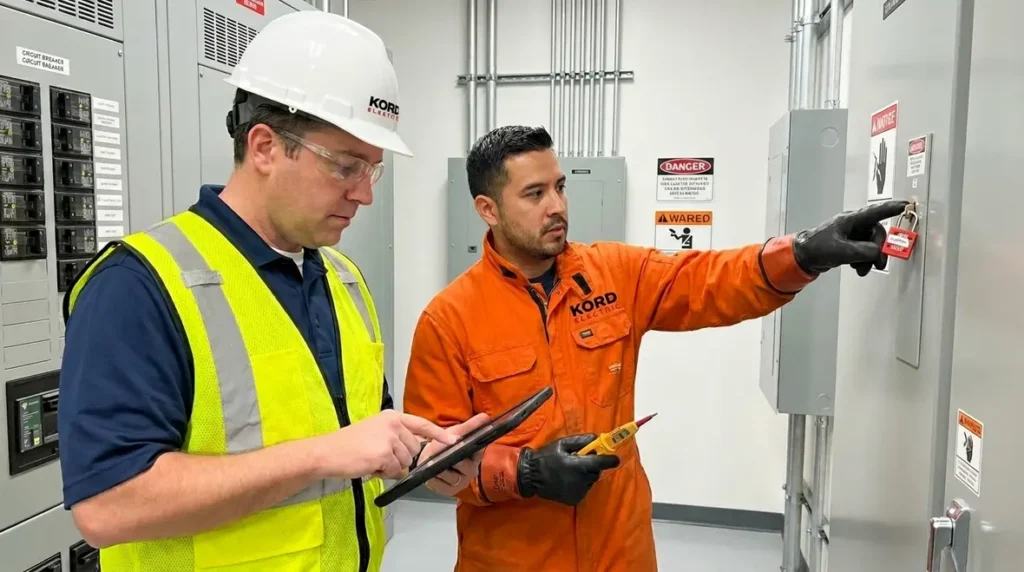
Our technicians explain the “why” during every service conversation. When a panel shows signs of overheating, we walk facility managers through what that pattern means, what we measured, and what we recommend next. We do not just hand over a report and vanish. We stay involved, because the goal is steady power, safer operations, and predictable budgets.
If you are looking for a deeper dive into how these ideas play out across larger campuses and industrial environments, you can also explore how structured programs support long term reliability in our article on commercial and industrial electrical maintenance plans.

Assess the site first, then map the schedule to your real load
We begin by evaluating the facility as a system. That means we review utility service characteristics, one line diagrams, available records, equipment age, operating schedule, and any past incidents. Next, we inspect critical areas such as main distribution, switchgear, motor control centers, life safety circuits, transformers, and grounding and bonding points.
Then we build the maintenance plan around how power flows through your building. If a plant runs multiple shifts, we consider thermal cycling and fatigue. If a facility supports heavy process loads, we focus on protective devices, motor circuits, and harmonic impacts. If a major property building includes multiple tenancies or large common areas, we coordinate inspections and service access times so operations stay smooth.
After that, our expert service staff sets intervals that make sense. Some tasks need more frequency, like verifying terminations and cleaning where dust buildup occurs. Other tasks fit longer cycles, like deeper testing or replacement planning. In practice, this staged approach gives your team a clear timeline and reduces downtime risk. And if someone tells you maintenance must “stay generic,” we politely remind them that electricity does not care about generic. It cares about your specific equipment and usage.
For facilities that also integrate specialized environments like commercial kitchens or data centers, we make sure their unique loads and code requirements fold cleanly into the broader preventative electrical maintenance schedule. That way, critical areas never become blind spots that quietly age in the background.
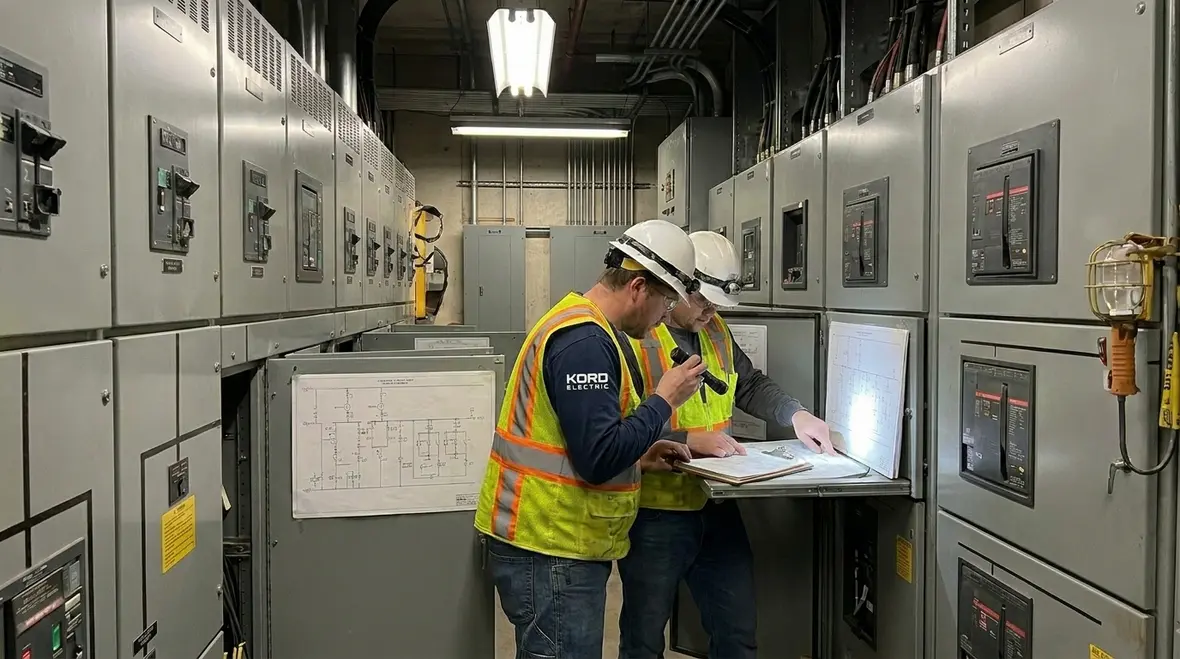
What we include in a preventative program for commercial power systems
A strong preventative electrical maintenance schedule covers more than “check breakers.” It includes inspection, testing, documentation, and follow through on corrective actions. Therefore, we structure the work in a repeatable way so your team can track trends over time.
Common program elements we include for commercial and industrial facilities include:
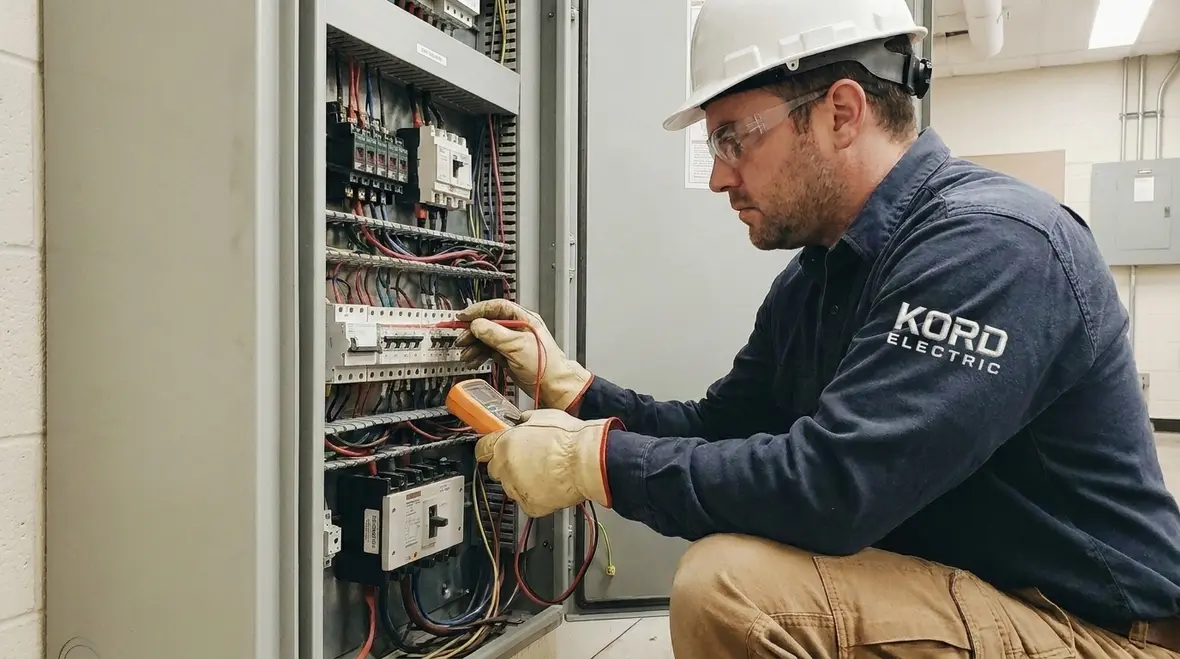
- Visual and torque inspections for terminations, bus connections, and panel interiors, because looseness often starts the whole chain reaction.
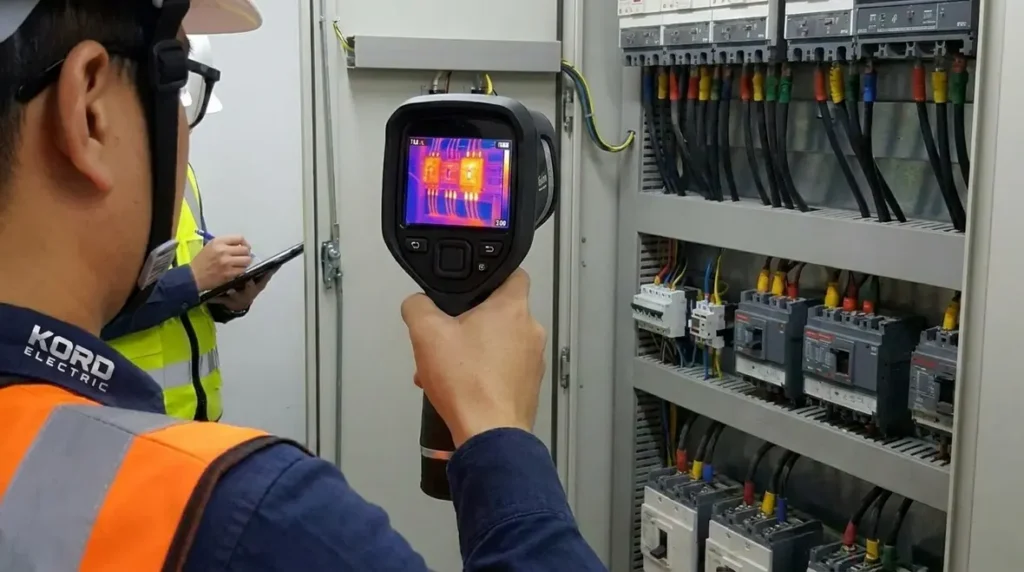
- Infrared thermography to find abnormal heat patterns before they become failures.
- Protective device checks such as breaker condition, trip characteristics, and coordination review to keep fault protection reliable.
- Grounding and bonding verification since stable grounding protects equipment and people.
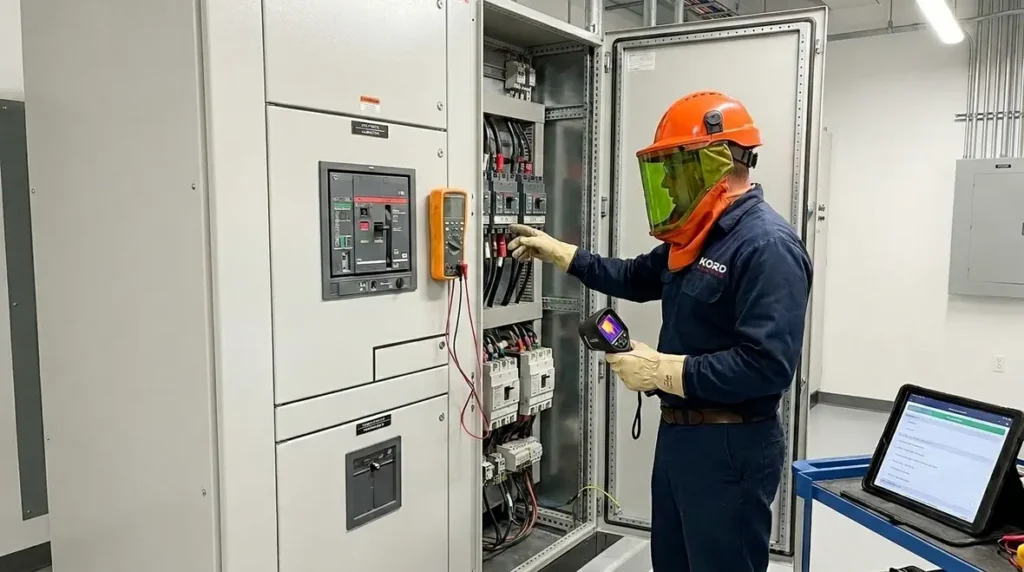
- Testing and verification for switchgear, motor control circuits, and critical distribution components based on manufacturer guidance and site risk.
- Cleaning and housekeeping where dust, moisture, or contamination affects contact surfaces and cooling performance.
- Documentation and trend reporting so you can compare readings and predict outcomes.
Additionally, we build in repair and replacement recommendations based on measured conditions, not guesswork. For instance, if test results show insulation stress, we help you prioritize corrective steps. If we see recurring hotspots, we focus on the root connection or component, not just the symptom. That is how the plan stays truly preventative.
These same principles support other high demand systems across a property. For example, integrating major process equipment, commercial kitchen loads, or EV charging infrastructure into the broader program makes it easier to spot issues like voltage fluctuations early instead of chasing unexplained equipment behavior later.
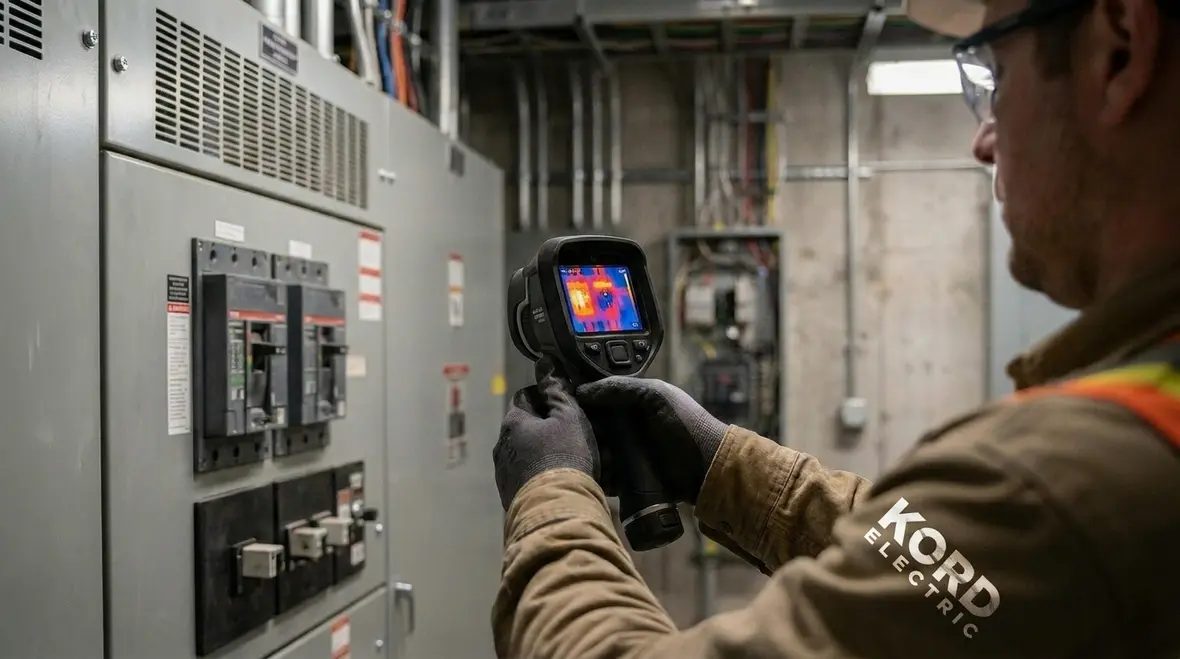
How we set frequency, manage downtime, and keep work predictable
Once the site assessment is complete, we translate findings into an achievable plan. We avoid schedules that look good on a spreadsheet but fall apart when your facility runs production. Instead, we pick frequencies that match risk level and operational impact, and we align work to planned windows.
For example, we may increase attention to equipment serving critical loads such as HVAC, process controls, refrigeration, data systems, or life safety circuits. Meanwhile, non-critical areas may follow a steadier interval. Then we group tasks so technicians complete related work in one mobilization, which reduces disruption and improves cost control.
We also manage documentation and communication. Our technicians explain what we found, what we tested, and what it means in plain business language. Transitioning from measurement to action matters, and we guide your team through next steps, from simple tightening to deeper corrective work.
Of course, someone always asks if we can “just do it all at once.” We can, but then you end up paying for chaos. Better facilities reduce downtime with staged schedules, clear scope, and firm timing. We treat scheduling as part of the service, not an optional extra. Because when the plan holds, the power stays boring in the best way.
If your facility also relies on systems like EV charging or specialized lighting, we tie their maintenance windows into the same calendar. That keeps your preventative electrical maintenance schedule aligned with real world usage and avoids the classic scenario where one project unknowingly steps on another team’s uptime requirements.
Reporting, compliance, and continuous improvement that actually helps
After each service cycle, we create clear records that help your facility manage risk year after year. We present results in a format that suits operators, managers, and stakeholders. Then we track trends so the next visit focuses on what is changing, not what someone hopes is fine.
To keep your program effective, we help others refine it as the facility changes. If equipment gets added, if load profiles shift, or if new tenants bring new demand, we adjust the maintenance plan accordingly. That prevents a schedule from becoming outdated the way old memos do.
We also support compliance-minded planning through consistent documentation and disciplined task execution. While the exact requirements depend on jurisdiction and facility type, the principle stays the same: a reliable preventative plan proves that you manage hazards with intent. And when questions come up, your records speak calmly for you. They do not stutter, they do not panic, and they do not blame “mysterious electrical gremlins.”
For organizations working through specific regulatory expectations or tenant coordination, pairing your preventative electrical maintenance schedule with the guidance in our article on electrical safety compliance for small businesses can help everyone stay aligned before inspections or audits arrive.
FAQ about preventative electrical maintenance for commercial and industrial buildings
Get a preventative plan built for your facility
Commercial and industrial buildings deserve electrical maintenance that stays ahead of problems, not behind them. At Kord Electric, we create and manage preventative programs that fit your load, your equipment, and your operating schedule. We use expert technicians, clear documentation, and calm communication so your team knows what is happening and what comes next. If you want steady power, fewer surprises, and a schedule you can trust, contact Kord Electric today for an assessment and a maintenance plan designed for your facility.
If you are ready to connect this strategy directly to field work, explore how our dedicated electrical preventive maintenance services support commercial, industrial, and government properties with structured programs, compliance focused reporting, and long term reliability.
For sites planning additional upgrades, such as scalable EV charging for employees or fleet vehicles, pairing your preventative electrical maintenance schedule with our specialized EV charger installation services makes it easier to grow capacity without overloading existing infrastructure or disrupting operations.