Preventative Electrical Maintenance Schedule Plan
Kord Electric helps commercial and industrial facilities stay ahead of electrical issues with a plan that does not wait for “surprise outages.” In fact, we build an preventative electrical maintenance schedule that keeps critical systems stable, reduces risk, and supports smoother operations. In the first step, our team maps your assets, sets visit frequencies, and assigns clear checks for panels, breakers, switchgear, UPS systems, lighting controls, and grounding. Then we document everything in plain language so decision makers can act without guessing. Yes, we know preventive work can sound as exciting as watching paint dry. However, when you prevent one unexpected failure, it feels a lot more like finding a winning lottery ticket instead of a timeout at the worst possible moment.
Why a maintenance schedule prevents expensive surprises
In our experience, electrical problems rarely announce themselves with a big dramatic entrance. Instead, they creep in through heat buildup, loose connections, worn insulation, and contamination, and then they show up as tripped breakers, degraded power quality, or equipment failure. Therefore, a well built maintenance program does not just “check boxes.” It actively manages condition so the facility runs with fewer interruptions.
When we design the preventative electrical maintenance schedule for a major property building, we consider the reality of business operations. We coordinate visits around production windows, tenant needs, and peak demand hours. As a result, your team avoids downtime and avoids the “we will do it next week” trap, which is business casual for delayed risk.
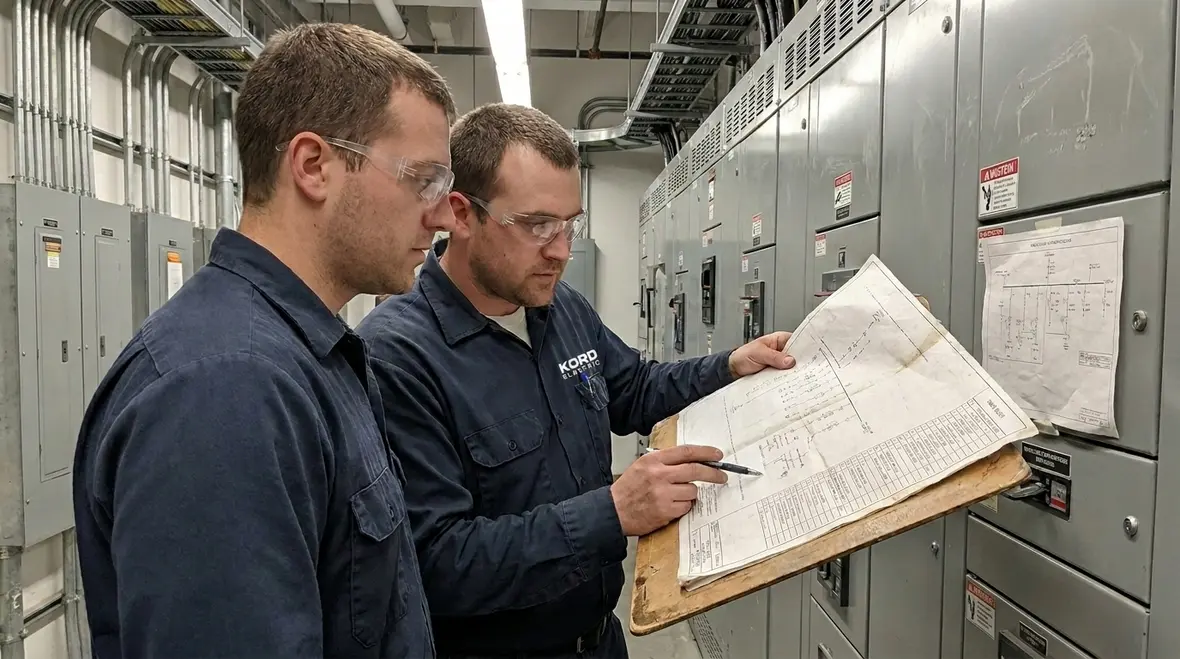
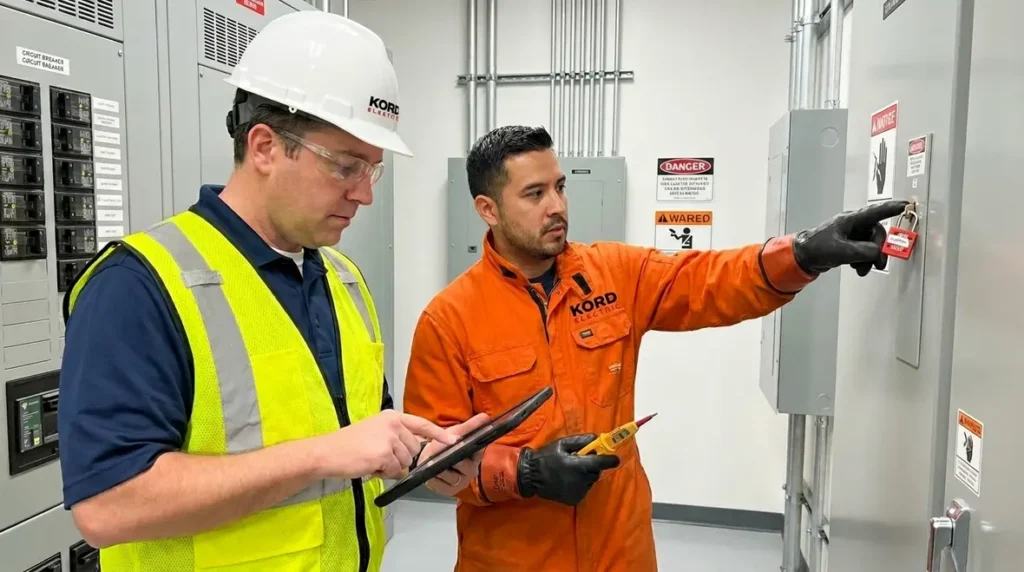
Our expert service technicians also help leadership understand what they are seeing. They explain why a specific reading matters, what it means for safety, and what we recommend next. And because electrical work is not a magic trick, we show the evidence: measurements, test results, and trends.
This structured approach connects closely with how we support broader electrical preventive maintenance programs for commercial and industrial facilities. When your preventative electrical maintenance schedule is mapped to real operating conditions instead of guesswork, the “unexpected” failures start to feel a lot less surprising.
How we build a practical, site specific plan
We do not copy and paste schedules across sites. Instead, we tailor the plan to your equipment, your usage patterns, and your environment. For example, a manufacturing facility in a dusty area faces different challenges than a property with a stable indoor load profile. Likewise, a building with frequent shift changes often needs a smarter approach to scheduling testing.
To build the right plan, we follow a simple flow. First, we gather equipment data, including single line diagrams, panel schedules, and control system details. Next, we confirm critical loads and life safety considerations. Then we classify assets by risk, age, and operational impact. After that, we set frequencies for inspections and tests, and we define what “good” looks like for your systems.
As we set frequencies, we also account for how the facility behaves. If certain areas show higher thermal readings or frequent breaker trips, we increase attention there and reduce it where trends show stability. This keeps the work targeted and prevents wasting time on items that do not need it yet.
And yes, we occasionally hear the joke: “We will fix it when it breaks.” We respond politely, because we are professionals, but we also remind them that repairs usually cost more when you wait. Also, waiting often increases downtime, and downtime does not accept excuses.
Key checks we include for switchgear, panels, and power distribution

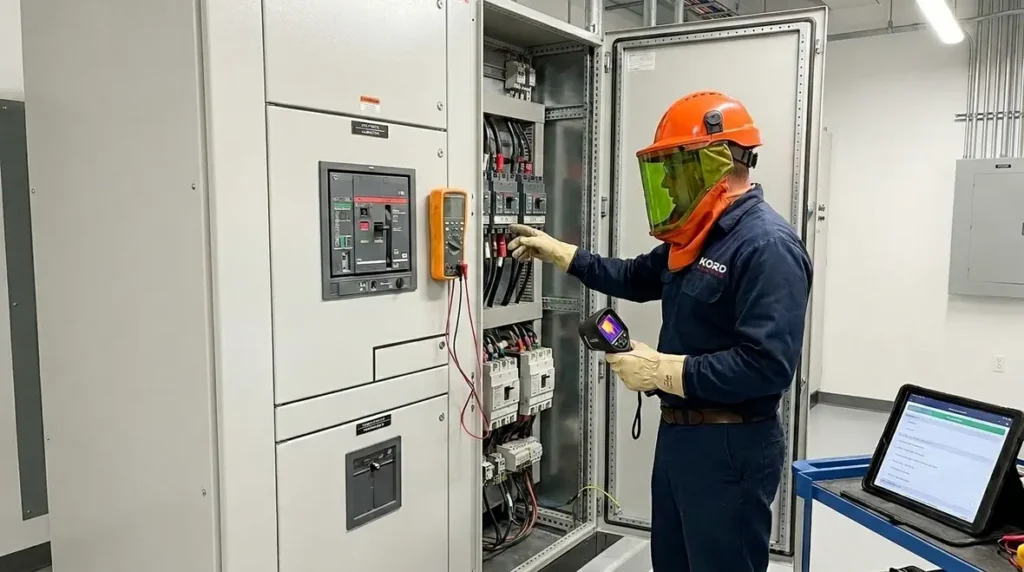
Our technicians focus on the parts that most often fail when maintenance gets skipped. Therefore, the schedule includes recurring work for switchgear and switchboards, distribution panels, motor control centers, and power distribution pathways. We do not stop at visual checks; we verify performance through tests that reveal hidden stress.
Here are core checks we typically include as part of the preventative electrical maintenance schedule strategy, adapted to your site:
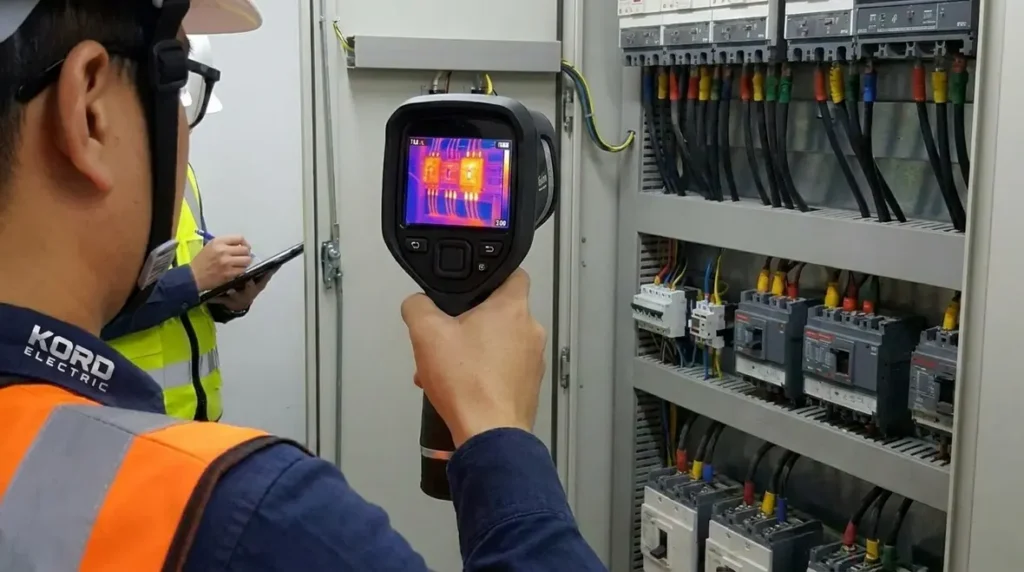
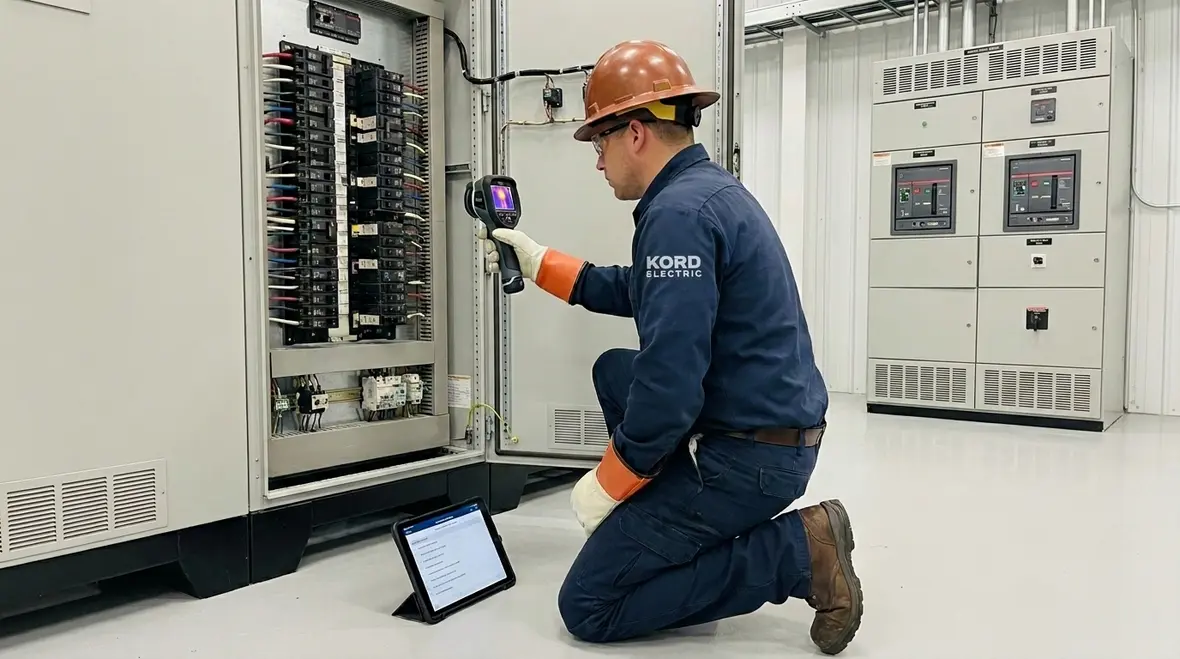
- Thermal inspections to spot hotspots, loose connections, and abnormal load conditions
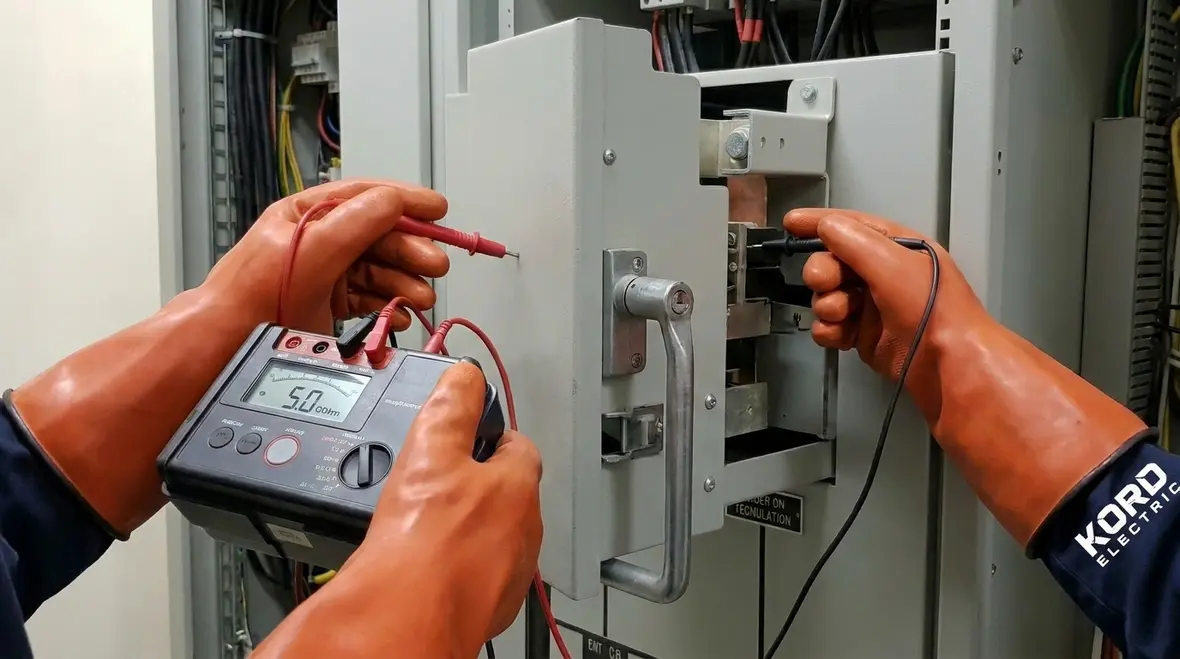
- Insulation resistance testing on conductors and equipment to identify weakening insulation before it fails
- Contact resistance and breaker inspections to evaluate mechanical and electrical integrity
- Load and power quality monitoring where needed, especially for sensitive drives, IT systems, and process controls
- Grounding and bonding verification to support safety and stable fault clearing
- Torque checks for connections based on manufacturer guidance and site history
Then we add practical steps that management can understand. For instance, if a thermal pattern suggests recurring looseness, we document the location, the reading, and the recommended correction timeline. Afterward, our expert service staff explains the “why,” not just the “what.” That way, your maintenance team knows what to expect next, and your operations team knows whether they should plan around a shutdown window.
Many of these checks line up directly with NFPA 70B guidance on electrical equipment maintenance and how we support NFPA 70B electrical panels and switchgear maintenance. When your preventative electrical maintenance schedule incorporates these standards, you get both practical reliability and stronger compliance support.
Frequency choices that match risk and downtime tolerance

Many companies choose maintenance intervals based on convenience, not risk. However, electricity does not care about calendars. It responds to heat cycles, contamination, vibration, and load changes, and those forces create wear over time.
So we build frequencies around risk and operational tolerance. Critical circuits that feed production lines, life safety systems, and essential communications require tighter attention. Meanwhile, lower impact circuits can follow a different interval. Additionally, we adjust after we see trends. If tests show that equipment remains stable, we may keep a standard frequency. If results drift, we increase the visit cadence and focus on the specific components driving the change.
To show how we approach timing in a simple way, here is a dual column snapshot we use during planning for commercial and industrial facilities:
Asset type
Switchgear and critical distribution
Panels feeding sensitive loads
Motor control centers
Transformers
Typical focus
Verification of integrity, connections, and breaker health
Power quality and thermal trend checks
Insulation and contact condition checks
Load related monitoring and insulation condition checks
Even when the schedule changes, our process stays steady. We track prior findings, we compare results over time, and we prioritize work that prevents failures with the highest operational impact.
This method also connects with broader strategies we outline in our commercial and industrial electrical maintenance plans, where preventative electrical maintenance schedule decisions are tied directly to business risk and downtime tolerance.
Documentation, reporting, and how our team keeps you informed
Here is where preventive maintenance becomes more than maintenance. It becomes decision support. When we serve major property buildings and industrial sites, we provide clear documentation that helps stakeholders act quickly. We log test results, observations, and recommended next steps, and we highlight trends that could lead to failure.
We also make reporting easy to use. Your team does not need an electrical dictionary to understand it. Instead, our technicians explain what we found, what it could affect, and the best next action based on risk. Then we schedule follow up work in a way that reduces disruption.
As part of the program, we align documentation with the reality of compliance needs and internal standards. Therefore, your facility can show it manages risk responsibly. And when leadership asks, we answer with facts, not vague promises.
Sometimes, the best joke is to point out that “we will remember this” is not a maintenance strategy. We prefer written records. They outlast memory, they help future teams, and they reduce confusion during handoffs.
Common obstacles and how we overcome them
Preventive work sounds simple until real life shows up. First, facilities worry about downtime. We handle that by planning visits around your operations, and by performing targeted checks that limit interruption. Next, some teams lack reliable equipment information, like missing single line diagrams or outdated panel labels. We resolve that by validating asset data during the process and updating documentation for clarity.
Another obstacle is leadership hesitation. They may think preventive electrical maintenance schedule activities are “extra,” especially when everything seems fine. However, we show the value through trends and measurable results. We connect the maintenance actions to risk reduction, safety improvements, and cost control.
Finally, some companies treat maintenance as a one time event. We treat it as a living program. That means we continuously learn from new readings and adjust the plan over time. As a result, the work stays aligned with your equipment condition rather than with last year’s assumptions.
This mindset pairs well with other reliability strategies, such as addressing voltage fluctuations in commercial and industrial facilities before they turn into surprise shutdowns. When your preventative electrical maintenance schedule is part of a bigger reliability picture, each visit moves you closer to stable, predictable operations.
FAQ
Take action with Kord Electric
If you want fewer outages, fewer emergency calls, and a clearer path to safe, stable power, we can build your plan. Kord Electric will assess your electrical assets, tailor the preventative electrical maintenance schedule approach to your risk level, and document results in a way your team can use. Contact us to review your facility needs and set a maintenance rhythm that protects operations without derailing your day. Let’s keep the lights on and the surprises off your calendar.
For organizations operating across the region, especially those coordinating multiple locations, it often helps to align your preventative electrical maintenance schedule with broader Los Angeles County electrical services support. That way, inspections, repairs, and upgrades stay coordinated instead of happening in isolated bursts that never quite add up to the reliability you expect.
As your systems evolve, your maintenance plan should evolve with them. Whether you are managing hidden risks inside aging panels, balancing new loads on existing switchgear, or planning upgrades alongside compliance work, Kord Electric helps you connect the dots. The result is a preventative electrical maintenance schedule that supports today’s operations and tomorrow’s growth, not just this year’s inspection checkbox.