Preventing Commercial Electrical Fires Early in Buildings
Preventing Commercial Electrical Fires in Commercial Buildings Starts Before Smoke
At Kord Electric, we focus on preventing commercial electrical fires long before anyone sees a flicker. In commercial and industrial facilities, the risk often grows quietly, through heat buildup, loose connections, and aging components. Then, one day, the problem shows up like a pop quiz you never studied for, except it is not graded with a letter grade. It is graded with disruption, risk, and costly downtime.
We handle major property buildings and mission critical spaces, and we do it with a proactive mindset. Others wait for signs. We build a plan that finds weak spots early, tests what matters, and improves reliability so electrical issues never get the chance to become fires.
Why Electrical Fires Start in Real Life, Not in Horror Movies
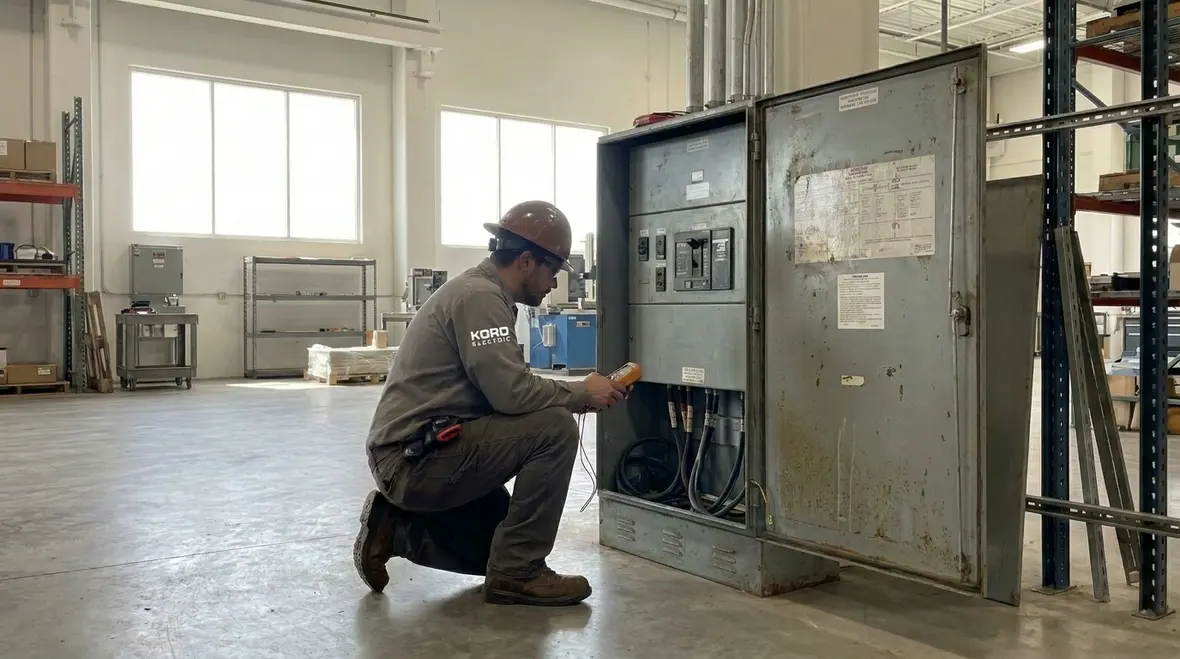
Electrical fires rarely begin with drama. Instead, they start with heat, and heat comes from resistance. When current passes through a poor connection, it creates hot spots. Over time, insulation degrades, dust and debris collect, and the system keeps running because, well, it always has. However, the most dangerous part is how slow this progress can be.
We explain this in plain terms with our technicians and expert service staff on site. They point out what we look for during inspections and how small failures turn into bigger failures. Because, in the field, people do not need a lecture. They need a clear path to stop the next failure.
So, when a team says, “We have not had a fire yet,” we respond calmly: “Great. That just means the alarm has not rung yet.” Then we move forward with prevention.
Proactive Inspections That Actually Catch Heat and Wear Early
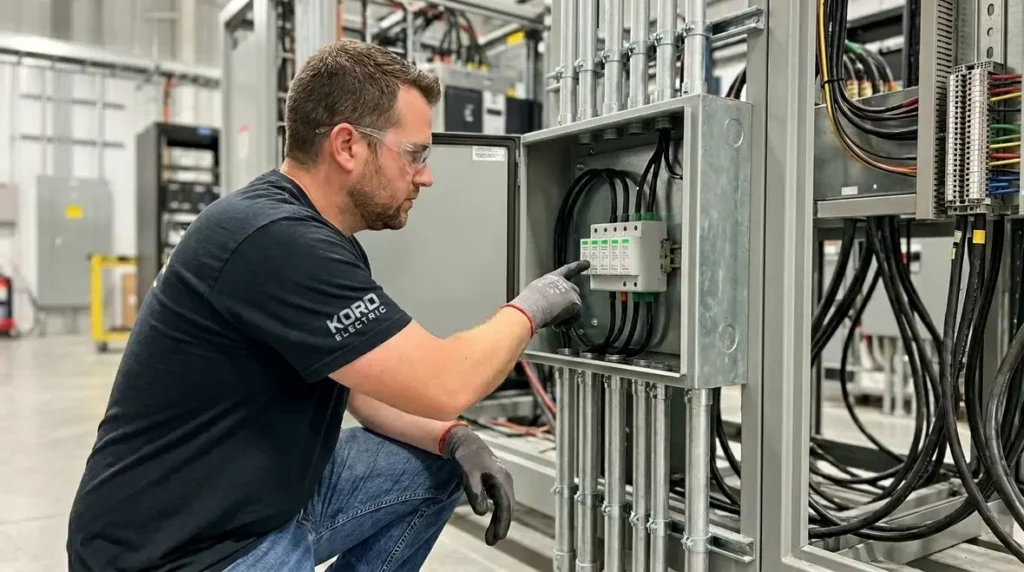
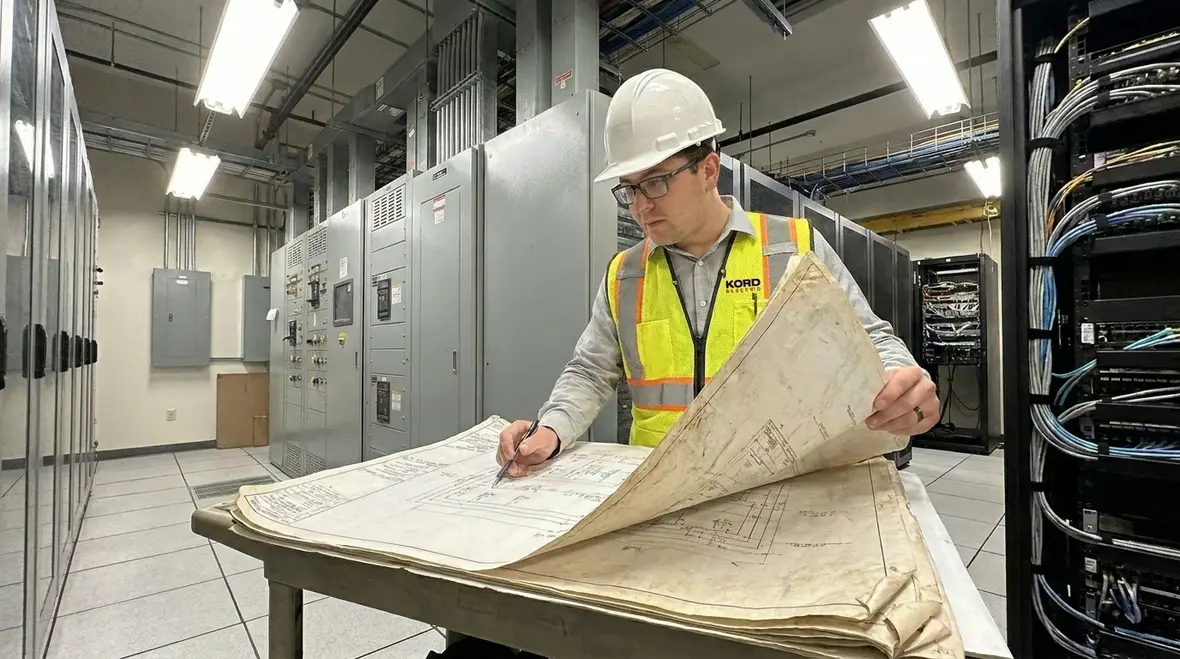
Prevention begins with noticing what is changing. First, we schedule targeted inspections for commercial and industrial panels, feeders, busways, and distribution gear. Next, we verify torque settings, check for signs of overheating, and look at terminations for discoloration or damage. In addition, we review prior work orders and any maintenance gaps because context helps us predict what might fail next.
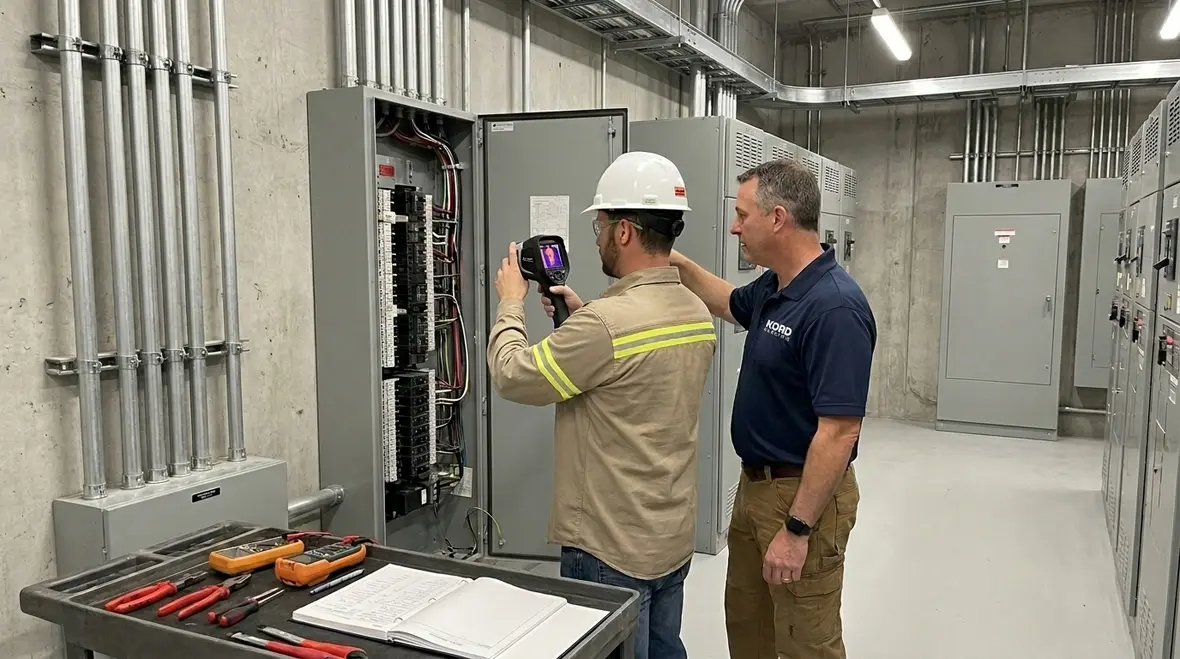
Then we add practical testing, such as electrical measurements and thermal checks where needed. Even if the equipment looks fine, heat patterns tell us the truth. As a result, we can find problems while they are still small and fixable, rather than waiting until the system forces an emergency response.
Our approach is structured, and our experts keep the process easy to follow. They do not just deliver numbers. They explain what the results mean for the building, what risks we found, and what actions we recommend. In other words, our technicians make the work feel understandable, not like a mystery novel written in test reports.

Distribution Design Choices That Reduce Risk in Data-Critical Spaces
Reliability is not luck. It is design. For facilities that depend on stable power, we treat distribution like a foundation, not a formality. When others treat electrical distribution as something that only needs to “work,” we treat it as something that must keep working safely.
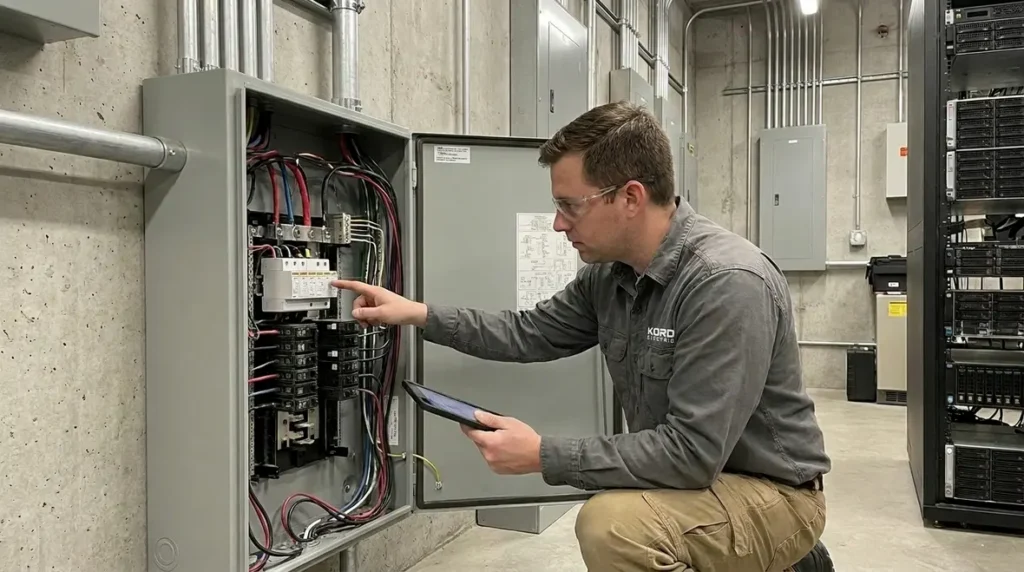
Kord Electric uses reliability-focused ideas that align with what we share in our blog on data center electrical distribution design for reliability. While every facility has its own load profile, we apply the same principles: clear pathways for power, sensible segmentation, and smarter protection that responds correctly when something goes wrong.
So, we help teams evaluate topics such as redundancy planning, equipment coordination, and the way power flows through the system. Additionally, we review how protective devices work together, because safety depends on correct coordination. If protection acts too late, heat builds. If it acts wrong, equipment gets stressed. Either way, risk rises.
In the same spirit, we support commercial and industrial facilities with solutions that improve fault handling and keep critical loads protected. And when someone tells us, “We already have a system,” we remind them: a system that was designed for a different era can still fail today if it has been expanded, reconfigured, or overloaded.
Protection, Coordination, and Load Management: The Quiet Guardians
Most people think fire prevention means “better wiring.” Yet the bigger story often sits inside protection settings, maintenance quality, and how loads evolve. Over time, businesses add equipment, change shifts, expand production, and upgrade technology. Meanwhile, electrical systems may not get updated at the same pace.
That is why we focus on three proactive lanes. First, we verify protective devices are properly selected and coordinated for the system. Second, we confirm breakers and relays trip in the intended way under fault conditions. Third, we monitor and manage loads so that equipment stays within safe limits.
When these elements work together, the system responds quickly and safely, rather than allowing heat to persist. Therefore, faults get contained and fire risk drops.
We also coordinate with facility teams on how work gets planned during upgrades. Our experts help prevent the classic “quick fix” mindset, which is like putting a bandage on a leaky pipe. It might look tidy for a day, but it does not stop the problem. Instead, we help teams build a clear plan that accounts for current and future loads, especially in commercial and industrial environments.
Maintenance That Keeps Up With Growth, Not Just With Deadlines
Maintenance is not a checklist you do once a year. It is a process that must keep pace with real operations. In large facilities, the electrical load often changes as new lines start, new offices open, and new processes come online. If the electrical system remains “as is,” risk grows.
We help our clients build maintenance routines that match the way they work. For example, we review equipment history, track failure patterns, and prioritize the most vulnerable components. Then we schedule work so downtime stays controlled and safety stays high.
Just as important, we document what we do in a way that helps the building team and the next contractor. That documentation is not busywork. It becomes a tool for future decisions. As a result, preventing commercial electrical fires becomes less about luck and more about disciplined upkeep.
Our technicians also train on what to watch for. We share practical signs like repeated breaker trips, persistent nuisance alarms, or warming odors around panels. If your team hears those early warnings, they can act fast. Then, instead of a fire, you get a repair.
Make Your Team Part of the Prevention Plan
Prevention works best when the building staff and the electrical team communicate. We help commercial and industrial property teams set up clear steps for reporting issues. That means quick escalation when abnormal heat, discoloration, or smells show up, and it means the right information gets passed to the right people.
Additionally, we encourage regular walkthroughs of electrical rooms and areas where panels and disconnects live. However, we also keep it realistic. People do not always inspect gear the way engineers do. So, we make guidance simple and clear, with an emphasis on what is worth attention.
And yes, we sometimes use humor to keep the message from getting heavy. Like this: if an electrical room smells “off,” do not treat it like a mysterious candle scent. Treat it like information. Investigate it. Fix it. Move on.
When staff members understand the risk, they help prevent fires by catching issues earlier. Meanwhile, our expert service staff handles the deeper testing and corrective action based on what we find.
FAQ: Preventing Commercial Electrical Fires in Commercial Buildings
Call Kord Electric for a Proactive Safety Plan
If you want a serious, calm approach to electrical risk, we are ready. Kord Electric supports commercial and industrial facilities with inspections, testing, and reliability-focused improvements that help prevent commercial electrical fires before they happen. We bring technicians and expert service staff who explain findings clearly and guide next steps you can trust.
For facilities that want long-term structure around this work, our dedicated electrical preventive maintenance services align maintenance routines with how your building actually operates. That makes preventing commercial electrical fires part of everyday operations, not an afterthought.
If your reliability plan also includes upgrades, power quality corrections, or new infrastructure, our broader commercial and industrial service lines can help. From voltage stability improvements to lighting and system upgrades, we help your electrical backbone keep pace with growth and changing loads across your property.
Contact us today to review your current electrical setup and build a prevention plan that fits your operations, your budget, and your timeline.